

Understanding Broker Sites for Nigerian Traders
📈 Discover how broker sites connect Nigerian traders to stocks, forex, and commodities. Learn key features, regulations, and tips for safe, effective investing today.
Edited By
Oliver Bennett
QX Broker is gaining attention among Nigerian traders and investors seeking a straightforward online trading platform. It offers access to currency pairs, commodities, indices, and shares, catering to both beginners and experienced market players. This makes it a flexible choice for those who want to diversify their investment portfolio.
One key feature of QX Broker is its user-friendly interface, which runs smoothly on desktop and mobile devices. This means you can trade on the go, a handy tool for busy Nigerians navigating daily traffic and work demands. The platform also supports multiple order types, including market, limit, and stop-loss orders, helping traders manage risks effectively.
In terms of security, QX Broker claims to hold regulatory licences from established bodies, ensuring that client funds are segregated and protected. While it is important to verify these claims against official regulatory websites, this aspect tends to offer peace of mind for Nigerian users wary of scams. QX Broker also employs encryption measures to safeguard data transmission.
Trading with QX Broker involves understanding its fee structure. Common charges include spread costs embedded in currency pairs and commissions on certain assets. There may also be overnight swap fees for positions held beyond the trading day. These costs compare favourably with many local and international brokers, but it's worth reviewing your specific trading style to know how fees impact your profit margins.
Trading online today in Nigeria requires choosing platforms that balance accessibility with transparency – QX Broker aims to meet these expectations.
Compared to popular Nigerian brokers like ARM Securities or local fintech initiatives such as Bamboo, QX Broker offers broader market access but does not yet have the same local presence or user community. This can affect customer support and community-driven insights. However, its international reach could appeal if you are looking to trade beyond what local exchanges offer.
Understanding QX Broker’s core services, regulatory standing, charges, and platform features sets the foundation for making an informed trading decision suited to your needs. The following sections will explore these aspects in more detail to help you weigh your options carefully.
QX Broker occupies a notable position among online trading platforms, particularly for Nigerian traders looking to access a blend of traditional and modern financial markets. Understanding its background, service offerings, and client focus provides traders crucial context to evaluate if it fits their needs. This overview breaks down what sets QX Broker apart and how it functions in Nigeria’s dynamic investment landscape.
QX Broker started operations in the early 2010s with an ambition to provide accessible trading opportunities beyond mainstream financial centres. Though headquartered outside Nigeria, its strategic focus targets emerging markets including several African countries. This foreign presence comes with the advantage of diverse market access but also demands careful scrutiny of regulatory compliance for Nigerian traders.
The broker’s early years centred on forex and commodities, gradually widening its scope after evaluating client needs and technological trends. This growth reflects in an evolving platform aimed at both beginners and seasoned traders. For instance, many Nigerians trading forex will find its platforms updated regularly to accommodate local buying patterns, including ease of account funding and withdrawal.
QX Broker primarily appeals to retail traders who seek convenience in accessing forex, stocks, and commodities without facing the rigid structures typical of traditional banks. It also serves semi-professional traders who need competitive spreads and leverage to optimise short-term trading strategies.
Nigerian clients benefit from QX's focus on emerging markets as it often tailors its offerings to the unique volatility and opportunities in local and regional assets. This makes it practical for investors who want to diversify beyond Nigerian equities or fixed income instruments but still retain manageable risk levels.
Forex lies at the core of QX Broker's trading portfolio, covering over 50 major and minor currency pairs. This is particularly relevant to Nigerian traders given the naira’s fluctuating exchange rate dynamics against the dollar, euro, and pound. Traders can access popular pairs like USD/NGN indirectly through cross rates, alongside major global pairs such as EUR/USD or GBP/USD.
The platform often features flexible lots sizes, allowing traders to start with lower capital while scaling up as they gain confidence. This caters well to Nigerians who want incremental exposure without risking high upfront deposits.
Besides forex, QX Broker offers access to global stock markets including shares of multinational corporations on the NYSE and LSE. Nigerian investors interested in blue-chip stocks abroad can execute trades on companies like Apple, BP, or Nestlé while managing risk through globally recognised stocks.
Indices such as the S&P 500, FTSE 100, or the German DAX provide wider market exposure without picking individual stocks. Meanwhile, commodities trading includes gold, silver, oil, and agricultural products—assets relevant for hedging inflation risks common in Nigeria’s economy.
For example, an investor worried about naira depreciation might trade gold as a haven asset through QX Broker’s platform.
Although cryptocurrency trading is not the main focus, QX Broker does provide access to some popular digital currencies, including Bitcoin and Ethereum. This suits Nigerian traders keen to explore crypto's high volatility for short-term gains or portfolio diversification.
However, given Nigeria’s regulatory scrutiny over cryptocurrencies, users should remain cautious and confirm current platform policies on crypto trading. The broker typically integrates crypto CFDs (contracts for difference) rather than direct ownership, meaning exposure is via derivative products, useful for traders prioritising speculation over investment.
Choosing the right instruments hinges on your trading style—whether you prioritise the stability of stocks and commodities or the volatility of forex and crypto. QX Broker’s diverse asset base allows Nigerian traders to tailor their portfolios effectively.
QX Broker’s trading platforms and key features are at the heart of its appeal, especially for Nigerian traders seeking reliable and user-friendly options. The broker offers diverse platforms designed to meet different trading styles, whether you’re at a desktop or on the move with your phone. These platforms impact not only how swiftly you execute trades but also your overall experience managing investments.
Desktop and web platforms: QX Broker provides a robust desktop application that suits traders who prefer a dedicated environment with advanced charting tools and custom indicators. This platform lets you run multiple trading windows, making it easier to monitor several markets at once. For those who dislike installations or work from different devices, the web platform allows smooth access via browsers, offering much of the same functionality without the need to download heavy software.
Mobile trading apps compatibility: Given Nigeria’s hustle and on-the-go lifestyle, QX Broker’s mobile app is vital. Available on both Android and iOS, the app supports real-time quotes, seamless order execution, and push notifications for market alerts. Whether you’re commuting on an okada or waiting in a danfo, having access to your trades in your pocket means you won’t miss opening gaps or key market moves.
User interface and customisation: The platforms score high on interface design, focusing on clean layouts that prevent information overload. You can customise dashboards, arrange favourite instruments, and save chart templates. This level of personalisation helps both novices and seasoned traders create their optimal workspace, which can be crucial when markets move fast.
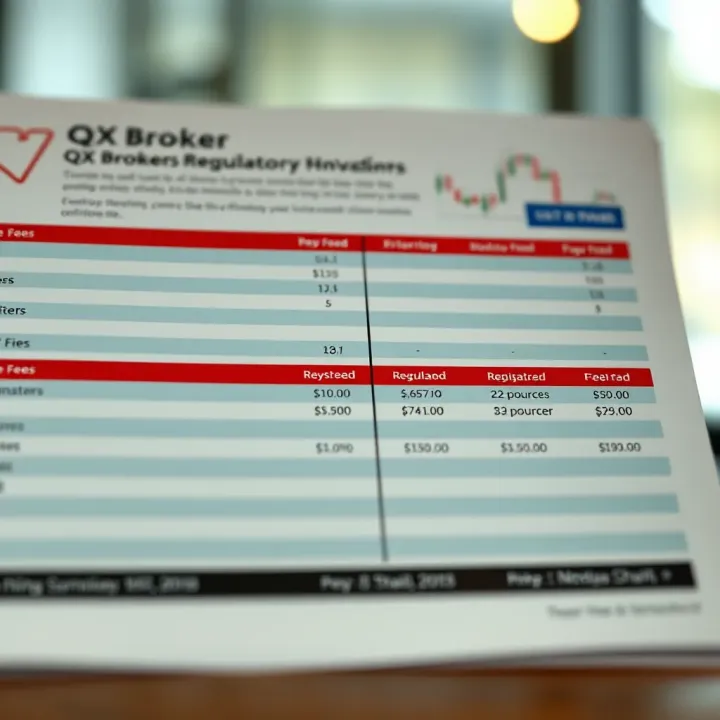
Standard and premium accounts: QX Broker offers two main account types. The standard account caters to everyday traders with essential features and moderate spreads, making it suitable for beginners or casual investors. The premium account targets seasoned traders and high-net-worth individuals, featuring tighter spreads, faster execution, and access to exclusive market research.
Minimum deposit requirements: Starting capital is an important consideration. QX Broker requires a minimum deposit of ₦50,000 for the standard account, which is reasonable for many Nigerians looking to enter the forex or commodities markets. Premium accounts require a higher deposit, generally around ₦500,000, reflecting their more advanced service levels and benefit packages.
Leverage and margin options: Traders can access leverage up to 1:100, but QX Broker advises caution, particularly for Nigerians new to margin trading. Leverage increases potential gains but also magnifies losses, so the broker provides risk management tools and educational resources to help clients manage exposure safely.
Understanding the platform technology alongside account flexibility helps Nigerian traders pick options that fit their capital, risk appetite, and trading goals. QX Broker’s combination of accessible accounts and smart platform design meets these needs well.
The practical balance of features, accounts, and technological tools makes QX Broker a notable choice in Nigeria’s growing trading market.
Regulation, security, and the trustworthiness of any broker are key pillars that determine how safe and reliable trading with them will be. For Nigerian traders, knowing that QX Broker operates under proper regulatory oversight offers a level of assurance against unfair practices and potential fraud. Moreover, robust security protocols protect your funds and personal data, helping you trade with confidence.
QX Broker operates under licences from reputable financial authorities, often covering jurisdictions that include the United Kingdom’s Financial Conduct Authority (FCA) or the Cyprus Securities and Exchange Commission (CySEC). This regulatory backing means the broker is required to follow strict rules on transparency, client fund segregation, and fair trading practices. It also subjects the broker to regular audits and financial reporting, adding layers of accountability.
For Nigerian traders, this compliance signals that QX Broker is not just another run-of-the-mill platform; it adheres to international standards designed to protect investors. Traders benefit because regulated brokers usually offer transparent pricing, dispute resolution procedures, and safeguards against market manipulations. However, it’s essential to confirm that the broker’s license covers services offered to Nigerian residents since regulatory coverage can vary by country.
One concrete measure demonstrating QX Broker’s reliability is the segregation of client funds. By keeping traders' deposits separate from the company’s own operating accounts, the broker protects client money from being used for business expenses or liabilities. This practice reduces risks in case the broker faces financial difficulties or insolvency.
On top of that, QX Broker employs strong encryption protocols to secure its trading platforms. Standard 256-bit SSL encryption, for instance, safeguards login credentials, transaction details, and personal information from hackers or data breaches. Furthermore, multi-factor authentication (MFA) might be offered, adding an extra security layer to prevent unauthorised access.
Brokers with weak security measures risk exposing your funds and data to cyber threats, but QX Broker’s compliance with industry security standards helps ensure that your investments remain safe.
In summary, understanding the regulatory status and security infrastructure of QX Broker helps you assess the potential risks and benefits before committing your funds. For Nigerian traders, choosing a broker that meets these benchmarks is crucial to trading successfully in both local and international markets.
Understanding the cost structure and fees is vital when choosing a broker like QX Broker. Trading expenses affect your overall profit, so knowing what you will pay helps you plan and trade smarter. Traders in Nigeria, where fees and exchange rates can influence wallet balance quickly, should pay attention to spreads, commissions, and any hidden charges.
Typical spread ranges for major pairs usually refer to the difference between buying and selling prices in forex pairs like EUR/USD or GBP/USD. QX Broker offers competitive spreads that often start around 1.0 pips for major pairs, making it affordable for both beginners and seasoned traders. Tight spreads mean you enter trades closer to market prices, reducing your upfront cost.
For instance, if the EUR/USD spread is 1.2 pips, and you trade 1 standard lot (100,000 units), your cost for opening and closing the position might be roughly $12. Compared to brokers with wider spreads, this helps conserve capital, especially for short-term traders aiming to scalping quick moves.
Commission fees per trade at QX Broker vary depending on the account type and instruments traded. Some accounts operate on a commission-free model but may have slightly higher spreads. Premium accounts might offer raw spreads as low as 0.0 pips but charge a fixed commission per trade, often around $5–$10 per round turn.
This structure suits traders who trade large volumes or prefer transparent trading costs. For Nigerian traders, this means you can pick the cost plan that fits your trading style, whether you trade forex or stock CFDs, ensuring your fees don’t eat deep into your gains.
Swap fees or overnight charges are costs you pay when you hold a position past the daily rollover time, usually 5 pm New York time. These fees depend on the interest rate differential between currencies. QX Broker passes these fees transparently, so if you carry a long GBP/USD position overnight during low-interest periods, expect minimal charges. Knowing swap fees helps Nigerian traders avoid unexpected costs during ember months when volatility often increases.
Deposit and withdrawal methods available to Nigerian customers include local bank transfers, cards (Visa, MasterCard), and e-wallets like Paystack or Flutterwave. Processing times typically range from instant to three business days, depending on the method. QX Broker makes funding convenient, but the withdrawal policies specify minimum limits and may need identity verification documents such as BVN (Bank Verification Number) and NIN (National Identification Number).
Associated costs for transactions in Nigeria often arise from bank service charges, foreign exchange conversion fees, or daily transfer limits. For example, transferring ₦500,000 from a Nigerian bank to an international broker account might incur about ₦1,000–₦3,000 in charges. QX Broker does not charge deposit fees, but customers should anticipate their banks' fees and currency conversion costs, especially if depositing in naira and trading in US dollars.
Being aware of all cost elements upfront—from spreads to local withdrawal fees—helps Nigerian traders manage their capital effectively and avoid surprises that can reduce trading profitability.
Overall, QX Broker's fee model is clear and competitive, making it appropriate for different trader profiles in Nigeria. Always check the latest fee schedule directly on their platform before trading to stay informed.
Getting started with QX Broker in Nigeria is essential for traders who want a straightforward entry into the online trading world. Knowing how to properly open and fund an account ensures you avoid common pitfalls like account delays or transaction issues. It also brings you closer to realising your investment goals, whether you're trading forex, commodities, or other assets the platform offers.
To register with QX Broker, Nigerian traders need to provide specific documents to comply with local and international regulations. Among these, your Bank Verification Number (BVN) and National Identification Number (NIN) are key requirements. These serve to verify your identity, helping prevent fraud and ensuring your account remains secure. For instance, without a valid BVN, you may not be able to complete full registration or fund your account efficiently.
The sign-up process itself is quite direct. It begins with filling out an online form on the broker's platform, where you submit your personal details and upload the necessary documents. After sending your BVN, NIN, and proof of address, QX Broker typically performs a quick verification. Once approved, you can access your trading dashboard. The entire process usually takes a few days, depending on document accuracy and submission completeness.
Funding your QX Broker account from Nigeria comes with multiple convenient options. Local transfers through Nigerian banks using platforms like the Guaranty Trust Bank (GTBank) or Zenith Bank internet banking are available. In addition, international payment methods such as wire transfers, Skrill, or even credit/debit cards can be used if you prefer. This flexibility means you can pick a method that suits your comfort and speed requirements.
Processing times and fees are critical factors to consider when funding. Nigerian traders should expect local bank transfers to clear within 1 to 3 business days, often without hefty charges. However, international transfer or card payment fees may vary depending on the payment service provider or your issuing bank's policies. For example, some card transactions might attract a surcharge, while wire transfers may have intermediary bank fees. It’s wise to factor these costs into your initial deposit planning to avoid surprises.
Opening and funding your QX Broker account smoothly sets a solid foundation for your trading journey. Proper document submission and choosing efficient payment methods save time and reduce stress early on.
Choosing the right broker can significantly affect your trading success, especially in a market as dynamic as Nigeria's. Comparing QX Broker with other popular Nigerian brokers gives you a clearer perspective on what fits your trading style, budget, and goals. It helps weigh practical factors like fees, platform reliability, and available markets to avoid costly mistakes down the road.
Customer support can make or break your trading experience, particularly when markets move fast or technical issues arise. QX Broker offers responsive support with live chat, email, and phone options, which serves Nigerian clients well during business hours. However, some users have mentioned delays during peak times, suggesting the need for a stronger local presence or dedicated Nigerian support lines. For example, during major economic events affecting the naira, quicker communication can help traders react promptly.
QX Broker provides a wide range of trading instruments, including forex major and minor pairs, stocks, indices, commodities like crude oil and gold, and select cryptocurrencies. Nigerian traders who want to diversify beyond forex, such as investing in oil futures or local stock indices, might find this breadth advantageous. Still, compared to some local brokers offering direct NSE access, QX Broker's market options lean more towards global instruments. This could be a downside for traders primarily focused on domestic equities.
One notable advantage QX Broker has is its balance between global reach and local accessibility. While global brokers might have vast instruments but complex local support, and local brokers often limit instruments to Lagos or Abuja exchanges, QX Broker bridges this gap with a user-friendly platform tailored to Nigerian traders, plus regulatory compliance that inspires confidence. For instance, its platform supports popular Nigerian payment options like USSD transfers and local bank deposits, unlike some international brokers.
QX Broker caters well to beginner and intermediate traders, thanks to straightforward account types and educational resources. It offers moderate leverage, which helps manage risk while still allowing meaningful exposure. For seasoned traders who demand advanced tools, higher leverage, or direct NSE trading, some Nigerian brokers or international platforms with more specialised services might be preferable. Traders who like quick access to cryptocurrencies or global commodities will find QX Broker a practical choice, while investors focused on long-term Nigerian stocks might look elsewhere.
Comparing brokers thoroughly ensures you pick a platform that suits your unique trading style and financial goals, reducing surprises and optimising your chances of success.
Getting the most out of QX Broker takes more than just signing up and trading. Knowing how to apply solid trading strategies, manage risks, and utilise the platform’s tools can make a real difference to your profits and loss control. This section offers practical advice to help Nigerian traders navigate QX Broker’s services effectively and confidently.
Starting out in trading can be daunting, especially with the variety of instruments offered by QX Broker. Beginners should focus on understanding the basics of market movements and start with simpler asset classes like major currency pairs. For example, trading the USD/NGN pair can be practical, given its liquidity and relevance to Nigerian traders. It’s wise to avoid diving into complex instruments like cryptocurrencies without proper knowledge, as their volatility can wipe out capital quickly.
Moreover, having a disciplined approach, such as setting clear entry and exit points, helps prevent emotional decisions. Beginners should consider starting with smaller trade sizes and gradually increase as their confidence and skill grow.
QX Broker offers leverage options that amplify potential returns but also increase risk. For instance, using high leverage on volatile pairs like USD/JPY can lead to significant losses if the market moves against you. Managing leverage involves choosing levels that match your risk tolerance and ensuring you do not expose too much capital on a single trade.
A practical technique is to use stop-loss orders to cap possible losses effectively and diversify your portfolio across different instruments. For example, splitting investments between forex, commodities, and stocks can reduce exposure to any one market’s downturn.
QX Broker provides a range of learning resources that are especially useful for Nigerian traders keen to build their skills. Educational materials often cover topics like fundamental analysis, technical indicators, and market psychology. Webinars hosted by experienced traders allow users to ask questions live and get real-world advice tailored for local market conditions.
Taking advantage of these resources can speed up your learning curve. For example, joining a webinar on risk management can help you understand how to protect your ₦ investment against sudden naira volatility.
Demo accounts on QX Broker allow you to practise trading without risking real money. This is an opportunity to test strategies, understand platform navigation, and get familiar with order types like market and limit orders.
To use the demo account effectively, try replicating trades based on actual market news affecting Nigerian markets, such as CBN policy changes or NGX movements. This approach prepares you for live trading with real stakes and reduces costly mistakes.
By combining disciplined strategies, proper risk management, and full use of QX Broker’s educational tools, Nigerian traders can significantly boost their chances of success while protecting their capital.
📈 Discover how broker sites connect Nigerian traders to stocks, forex, and commodities. Learn key features, regulations, and tips for safe, effective investing today.
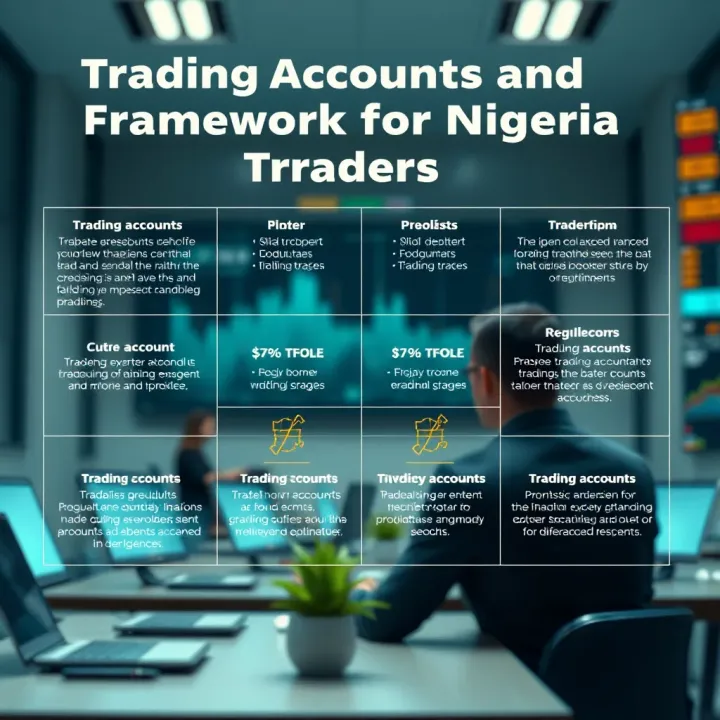
Discover how trading brokers connect Nigerian traders to markets, their key services, account types, useful tips, and local regulations to trade smarter 💹📊
Explore HotForex's trading features tailored for Nigerian traders 🇳🇬. Get insights on accounts, platforms, fees, regulation, and support to trade smartly in ₦.
Explore Squared Financial's unique trading and investment services in Nigeria's market 📊. Learn about its products, regulation, and practical platform tips 💡.
Based on 14 reviews