
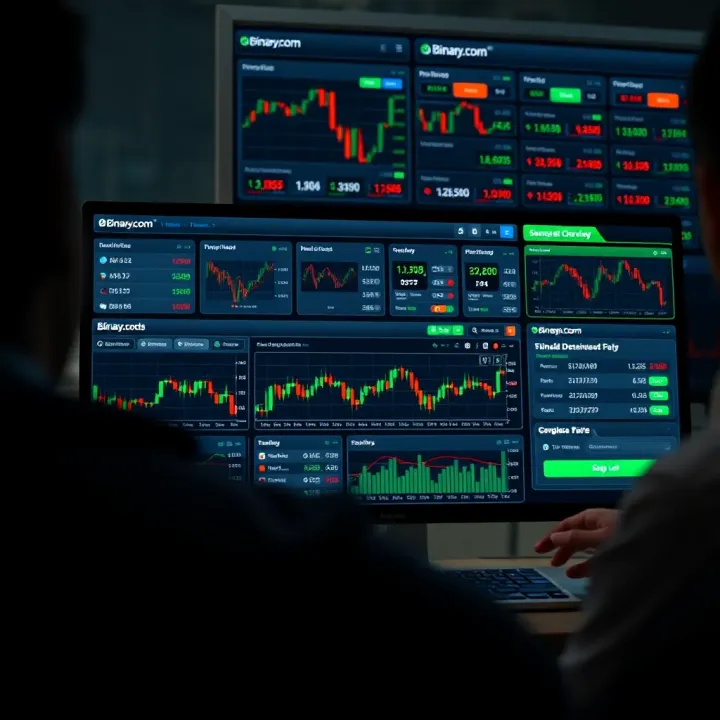
Understanding Binary.com for Nigerian Traders
Explore Binary.com trading in Nigeria 🇳🇬: setup, security tips, and trading types. Get ready to trade smarter with practical advice and insights! 💼📊
Edited By
Sophia Turner
Broker sites act as an online bridge linking Nigerian traders and investors to local and global financial markets. Through these platforms, users can buy and sell stocks, trade forex pairs, speculate on commodities, and access other investment opportunities. For Nigerians aiming to grow wealth or diversify portfolios, understanding broker sites is the first step to making informed decisions.
These platforms are more than just trading portals. They offer tools like real-time market data, charting software, and risk management features. Many broker sites in Nigeria now support transactions in naira (₦), easing the process for local investors while still granting access to international assets like US stocks or gold futures.

Choosing the right broker site involves considering a few vital factors. Look for platforms that are regulated by reputable bodies such as the Securities and Exchange Commission (SEC) Nigeria, ensuring your funds and trades have legal safeguards. Transparency on fees and spreads is crucial—some brokers charge fixed commissions, while others earn through variable spreads.
"A solid broker site should help you trade confidently, offering both security and user-friendly tools."
Security measures like two-factor authentication (2FA), encryption, and clear privacy policies protect users against fraud—this matters especially when dealing with foreign exchange or large sums. Also, check if the site supports convenient deposit and withdrawal methods popular in Nigeria, such as bank transfers, payment platforms like Paystack or Flutterwave, and even USSD codes.
Most broker sites offer educational resources, webinars, and demo accounts. These features help traders practice strategies without risking real money and build knowledge about market behaviour. Nigerian traders can use these tools to navigate local economic challenges such as naira volatility and power supply issues that may affect online reliability.
Investors should also evaluate the platform’s customer service. Prompt, knowledgeable support can save you from costly mistakes or downtime, crucial in fast-moving markets.
Ultimately, the right broker site will balance security, costs, ease of use, and access to desired markets. Whether you are trading the Lagos Stock Exchange or aiming at forex pairs like USD/NGN, knowing how these platforms work will help you invest smarter and safer.
Broker sites play a critical role in Nigeria's trading and investment scenes by acting as the bridge between everyday investors and the complex world of financial markets. They provide digital platforms where individuals can buy and sell assets like stocks, forex, commodities, and even cryptocurrencies without needing direct access to exchanges. This wide access empowers Nigerians to participate both in local markets such as the Nigerian Stock Exchange (NGX) and in international markets like the New York Stock Exchange or London Stock Exchange.
Broker sites connect investors with markets by offering an online interface where trades can be executed and monitored. Instead of physically visiting a stock exchange or dealer, Nigerian investors can log in from their smartphones or computers to access these platforms. For example, platforms like Trove or Bamboo allow local traders to buy shares of foreign companies like Apple or Google, which was once difficult for most Nigerians due to lack of direct access.
This connection is practical because it reduces barriers, such as geographic limitations and high costs involved in traditional brokerage. It also gives users real-time market data and trading tools, which helps in making informed decisions.
There are various broker sites tailored to different asset classes and investor needs. Stockbrokers primarily focus on equity markets, offering shares listed on exchanges like the NGX and international equivalents. Forex brokers specialise in currency trading, a market hugely popular in Nigeria due to naira volatility and frequent demand for foreign currency.
Additionally, some brokers provide access to commodities like gold or oil, as well as cryptocurrency trading. Platforms such as Binance spot or Luno cater to crypto investors, while others like FXTM or HotForex focus on forex.
Choosing the right type depends on your trading or investing goals. For instance, if you prefer long-term investing in equities, a stockbroker platform with good coverage of Nigerian and global stocks suits best. If short-term currency trading is your focus, a forex broker with tight spreads might work better.
Opening an account on a broker site typically involves submitting personal details and documents for Know Your Customer (KYC) verification. This process helps prevent fraud and ensures compliance with Nigerian regulations, such as those enforced by the Securities and Exchange Commission (SEC).
For example, users usually upload a valid ID like a National Identification Number (NIN) slip, and proof of address such as a utility bill. Some brokers also require a minimum deposit before you can start trading. This step protects both the investor and the brokerage.
Once registered, investors can place trades through various order types: market orders (buy/sell immediately at the current price), limit orders (set price threshold), or stop orders (automatic exit at a specific price). These options give flexibility depending on trading strategies.
For instance, a Nigerian trader tracking Dollar/Naira rate fluctuations can set a limit order to buy dollars if it drops to a favourable rate, saving them from constant manual monitoring. Most broker platforms come with dashboards to track open orders, transaction history, and real-time price charts.
Broker sites earn money mainly through fees and commissions. Most charge a commission on every trade executed or a spread — the difference between buying and selling prices. Some platforms add deposit and withdrawal fees, which Nigerian traders should watch closely as they can add up.

For example, a stockbroker might charge 0.25% commission per trade, while a forex broker earns through spread differences. Additionally, some brokers offer premium services like research reports or advanced tools for a fee. Being aware of these costs helps Nigerian investors make smarter choices and avoid unexpected charges.
Choosing a broker site is not just about low fees but understanding how it operates and fits your investing goals and style.
This foundation of how broker sites connect you to markets and operate prepares you to evaluate them critically for your trading or investing journey.
When choosing a broker site, knowing what features matter can save you time and headaches. Brokers differ in many ways, but certain aspects directly affect your trading comfort, costs, and success. For Nigerian traders and investors, these features become even more key—given the unique challenges like Naira fluctuations and infrastructure limits. Let’s break down the major features you should focus on.
Ease of navigation is vital because a cluttered or confusing platform tends to lead to costly mistakes. Imagine trying to execute quick trades during a market surge but getting stuck figuring out where to click. Quality broker sites like GTBank Securities or Rencap Securities present intuitive dashboards where order placements, portfolio checks, and market news updates happen in a few clicks. Such smooth navigation is essential whether you’re a beginner or a more experienced trader managing multiple positions.
Good broker platforms also equip users with charting and analysis tools to help spot trading opportunities or confirm investment trends. Rather than flipping between separate apps or Google searching charts, having built-in features that offer candlestick charts, technical indicators like RSI and MACD, plus trendlines, improves decision-making. For instance, a trader using Kuda’s investment app can quickly overlay moving averages to judge if a stock like Dangote Cement is showing bullish signals. Access to live charts within the platform empowers timely and informed trades.
Since many Nigerians depend heavily on mobile phones, mobile app availability is no longer a luxury; it’s a necessity. Broker sites with reliable mobile apps allow you to monitor markets, place trades, and receive alerts on the go—crucial given erratic power supply and busy lifestyles. Apps from firms like OPay and CFD brokers like FXTM have mobile platforms that perform most of what the desktop does, ensuring traders stay connected even during Lagos traffic or at a fast-paced market day.
Every cost you pay chips away at your profits, so understanding commission rates is vital. Some brokers charge fixed fees per trade, others charge a percentage based on the trade size. For example, a commission of 0.25% per transaction on ₦500,000 worth of shares translates directly to ₦1,250 in broker fees. Traders dealing in higher volumes should compare these rates carefully to pick the best deal.
Spreads and markups are another cost element, common especially in forex and commodities trading. The spread is the difference between buying and selling prices quoted by the broker. A tighter spread means smaller costs to enter and exit positions. For Nigerian traders dealing with currencies like USD/NGN or commodities such as oil, brokers like XM or HotForex offering competitive spreads create better profit margins.
When sending or withdrawing funds, deposit and withdrawal fees can vary widely and add unexpected costs. Some broker sites waive these fees to attract clients, while others charge a fixed fee or a percentage. If withdrawing funds from your broker’s account to your Nigerian bank attracts a ₦500 fee each time, frequent transfers could eat into your gains. Always review these charges upfront, especially since transferring funds internationally or converting currencies can inflate costs.
The choice between domestic versus international assets affects your investment reach and risk exposure. Platforms offering access to the Nigerian Stock Exchange (NSE) let you invest directly in local giants like MTN Nigeria or Nigerian Breweries. Meanwhile, international asset access connects you to markets in the US, Europe, or Asia, providing diversification. Access like this can be found on platforms such as Chaka and Bamboo, which allow Nigerians to buy US stocks and ETFs alongside local equities.
Beyond stocks, many investors seek variety. Access to equities, forex, commodities, and cryptocurrencies opens doors to hedge risks or spot fast gains. For example, a trader might hold Nigerian equities but trade forex pairs like EUR/USD or dabble in commodities like gold or crude oil to balance volatility. Also, with Nigeria’s growing interest in digital assets, brokers that provide secure crypto trading (such as bundles on platforms like Bundle Africa or Quidax) cater to this demand. Checking the product range the broker offers ensures you won't outgrow the platform quickly.
Choosing a broker site isn’t just about low costs or flashy apps. The right mix of user-friendly tools, transparent fees, and broad market access defines your trading edge in Nigeria’s dynamic financial scene.
By paying attention to these key features, Nigerian traders and investors set themselves up for a smoother, more profitable experience.
When dealing with broker sites, Nigerian traders must prioritise regulatory compliance to protect their investments and avoid scams. Regulation ensures that broker platforms operate under legal frameworks that safeguard investors’ funds, promote transparency, and uphold fair trading practices. Without proper regulation, it’s easy to fall victim to fraudulent schemes, delayed withdrawals, or opaque charges, especially in markets where many brokers offer services online.
Being aware of the regulatory bodies and how to verify legitimacy becomes an essential part of effective investment strategy for Nigerians. It gives you confidence in the platform and shield your capital from unnecessary risks.
The Securities and Exchange Commission Nigeria (SEC) is the foremost regulatory body overseeing capital market activities within the country. SEC Nigeria licenses and monitors broker-dealers, fund managers, and other market intermediaries. A broker site registered with SEC complies with local investment laws and must meet specific standards for client fund security and reporting.
For Nigerian investors, using a broker approved by SEC means the platform is subject to regular audits and regulatory oversight. For example, SEC’s registration mandates brokers to separate customer funds from company assets, reducing risk if the broker faces financial troubles. SEC’s involvement also means disputes or grievances can be reported and investigated more readily.
The Central Bank of Nigeria (CBN) also influences the environment for brokers, although it mainly regulates banking and payment systems rather than direct market trading platforms. CBN policies affect how funds move into and out of broker accounts, especially foreign exchange regulations under the Foreign Exchange Manual.
For instance, if you fund a broker account using your Nigerian naira through a local bank, it falls under CBN’s guidelines to prevent money laundering and promote legal currency usage. Investors should confirm their broker operates within these rules to avoid difficulties when withdrawing funds or conducting currency exchanges.
Always check whether the broker site holds valid licences and registrations from the rightful Nigerian authorities. A genuine broker will proudly display their SEC registration number, often verifiable through SEC Nigeria’s official registry. This simple step can help you sidestep unregistered platforms that may be operating illegally.
Moreover, verification should extend to international regulatory memberships if the broker operates globally. Many Nigerian investors use brokers registered abroad; in such cases, checking the broker's standing with entities like the UK’s FCA or US SEC can provide an extra layer of trust.
Be alert for red flags that indicate potential fraud or unreliable service. These include promises of guaranteed returns, pressure to deposit funds quickly, unclear fee structures, or a lack of transparent contact information. Beware of brokers with poor customer reviews or those not offering proper KYC (Know Your Customer) procedures.
Always remember: a legitimate broker won’t rush you into decisions or ignore proper regulatory steps.
Taking these verification steps protects you from losing hard-earned money and ensures you trade safely within Nigeria’s regulated financial environment.
Choosing the right broker site shapes your entire trading or investment experience. Making the right pick helps you optimise returns, minimise risks, and navigate the financial markets comfortably. Since Nigerian traders and investors face unique challenges like fluctuating naira value, limited access to some international markets, and occasional delays in fund transfers, it's essential to be precise about your needs before settling on a broker.
Your investment goals determine the kind of broker site that suits you best. If you’re into short-term trading, such as forex scalping or day trading on stocks, you’ll want a platform with tight spreads, fast execution, and advanced charting tools. For example, some forex brokers focus heavily on offering narrow spreads during peak market hours, which benefits short-term trades. On the other hand, long-term investors looking to build wealth steadily through equities or mutual funds benefit more from brokers with low fees and strong research support.
Risk tolerance and capital size also guide your choice. If you have a smaller capital, say ₦100,000, you need a broker that allows low minimum deposits and offers fractional shares or micro-lots in forex trading. Conversely, if you're handling ₦5 million or more, you might prefer a broker with premium features like personalised account managers or exclusive market insights. Understanding how much risk you’re willing to take helps avoid unsuitable brokers that might push you toward products that do not fit your style.
Good customer support is often underrated but crucial. Imagine making a withdrawal request and your fund remains stuck for days, or you face technical issues during a live trade. A broker with responsive Nigerian-based support channels, whether through live chat, call, or WhatsApp, can save you such headaches. Quick resolution improves trust and helps especially when markets move fast.
Ease of funding and withdrawal also matters greatly for Nigerian users. Some platforms support straightforward options like bank transfers through GTBank, Access Bank, or even USSD; others might rely heavily on card payments or international wire transfers, which can be slow and expensive. You want your broker to process deposits and withdrawals without hassle so you can access your funds when you need them.
Additional services like education or research offer practical advantages. Many Nigerian traders are self-taught, but having access to free webinars, trading guides, or market analysis reports enhances your knowledge. Brokers who offer daily news updates tailored to markets you’re interested in, or have partnerships with local experts, give you tools to make smarter decisions.
Choosing your broker site isn’t just about trading fees; it’s about the whole experience — from how easy it is to fund your account, the help you get when stuck, to learning resources that sharpen your edge.
By taking a close look at your goals, risk appetite, and the broker’s service quality, you can avoid costly mistakes and set yourself up for success in Nigeria’s evolving trading environment.
Using broker sites effectively doesn't just mean making quick profits; it means protecting your investments and personal information against risks that can easily be overlooked. Nigerian traders and investors face specific challenges, such as scams targeting local residents and fluctuating service reliability. These tips aim to equip you with practical ways to stay secure while making the most of your broker platform.
Strong passwords and two-factor authentication are your first line of defence. A strong password combines letters, numbers, and symbols, making it tough for fraudsters to guess. For instance, a password like "Mkp4$un2024" is far safer than "password123". Two-factor authentication (2FA) adds an extra layer by requiring a code sent to your phone or email whenever you log in. This way, even if someone hacks your password, they still can't access your account without that second verification step.
Recognising phishing attempts is crucial. Scammers often send emails or messages pretending to be from legitimate broker sites, asking you to verify your details or click suspicious links. Always verify that communications come from official sources and avoid clicking links in unsolicited emails. For example, instead of clicking a link in an email claiming your broker account is compromised, navigate directly to the broker's website by typing the address yourself to check for notifications.
Avoiding overtrading helps protect your capital. It’s tempting to jump into trades after small wins or losses, but this can drain your funds due to transaction costs and poor decisions. Nigerian traders, especially beginners, may feel pressure to recover losses quickly, leading to reckless trading. Setting a trading plan with clear entry and exit rules can prevent this behaviour and protect against emotional decisions.
Monitoring fees and hidden charges is another wise step. Some brokers advertise low commissions but add fees in withdrawal, account maintenance, or currency conversion. For example, withdrawing your funds in Nigeria might attract additional bank or platform charges, which could erode profits if not accounted for. Carefully read the fee schedule and ask your broker for clarity before starting to trade.
Setting stop-loss and take-profit orders is a smart way to manage your exposure without constant supervision. A stop-loss order automatically sells an asset if its price falls to a certain level, limiting your losses. Conversely, a take-profit order locks in gains once the price reaches your target. For instance, if you buy a stock at ₦500 and set a stop-loss at ₦450 and a take-profit at ₦600, the broker executes these exits automatically, reducing emotional trading.
Leveraging analysis tools provided by the broker site can improve your insight into market trends. Many Nigerian brokers offer charting software, news feeds, and economic calendars. Using technical indicators like moving averages or RSI can help you spot potential entry points. Take time to learn these tools during your downtime; for example, before the ember months when market activity usually picks up.
Safeguarding your investments on broker sites combines careful preparation, smart use of features, and awareness of risks specific to Nigerian traders. Balancing security with active trading strategies builds your confidence and protects your funds in the competitive market.
Explore Binary.com trading in Nigeria 🇳🇬: setup, security tips, and trading types. Get ready to trade smarter with practical advice and insights! 💼📊
📊 Learn how margin works in Nigerian investing—covering trading, business, and accounting risks—to make informed, responsible financial decisions.
Choose the right Forex broker in Nigeria 🇳🇬 by understanding regulations, fees, platforms, and support to trade confidently and safely in the currency market 📈.
📊 Compare TradingView and Deriv.com to find the best trading platform for Nigerian traders. Discover tools, features, and support for smarter trading decisions!
Based on 7 reviews