
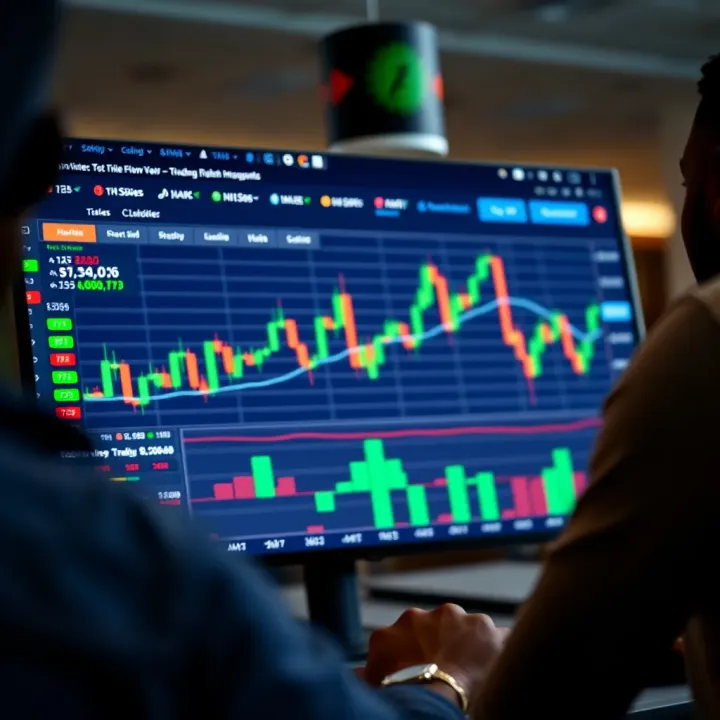
Understanding Trading Platforms for Nigerian Investors
📈 Discover how the best trading platforms help Nigerian investors access stocks, forex, and commodities securely with local market insights and reliable features.
Edited By
Thomas Green
Trading brokers are vital players in the financial markets, especially for Nigerian traders looking to participate in local and global assets. At their core, a trading broker serves as a bridge between you and the market, enabling you to buy and sell financial instruments like stocks, forex, commodities, or cryptocurrencies.
Unlike stepping directly into the stock exchange or currency market, which is often complicated and restricted to professionals, trading brokers provide access and tools to simplify this process. In Nigeria, brokers connect traders to marketplaces such as the Nigerian Exchange Group (NGX) or international platforms like the New York Stock Exchange (NYSE) and Forex markets.
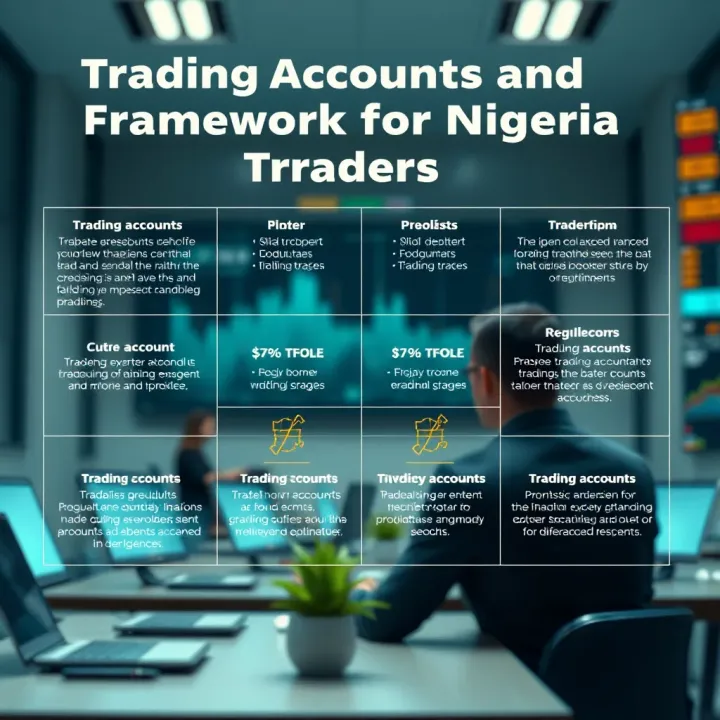
Brokers receive your trading orders and execute them on the market.
They offer trading platforms (web, desktop, or mobile apps) where you place trades.
Many provide additional services like research reports, live market data, and risk management tools.
For example, a Nigerian retail trader using a broker such as GTI Securities or Meristem can buy shares of Dangote Cement or trade forex pairs via a broker’s platform. The broker makes this process seamless, handling the technical details behind the scenes.
Choosing the right broker involves more than just who offers the lowest fees. Services, regulation, platform usability, and local support all matter deeply.
Nigerian traders face unique challenges — the naira’s volatility, regulatory changes by the Securities and Exchange Commission (SEC), and issues like payment channels and local access. Brokers that navigate these hurdles well can provide a smoother trading experience, protect your deposits, and offer adequate support.
This guide will unpack the different types of brokers, explain how accounts work, highlight key regulations affecting Nigerian traders, and share tips to avoid common pitfalls.
Understanding brokers equips you to pick the safest and most cost-effective route into trading, ensuring your investments grow without unnecessary risks. So whether you’re an entrepreneur testing investment waters or an analyst building portfolio strategies, knowing the broker landscape in Nigeria is the foundation for success.
A trading broker serves as the bridge between you and the complex financial markets, making it possible for ordinary Nigerians to buy and sell assets like stocks, forex, commodities, or cryptocurrencies. Without a broker, participating directly in these markets would be difficult, if not impossible. Brokers provide the necessary infrastructure, tools, and legal backing that allow you to trade smoothly and securely.
Brokers link traders to various financial markets, including the Nigerian Stock Exchange (now NGX), forex market, and international exchanges. For example, if you want to buy shares of a Nigerian company or trade in US stocks, your broker ensures your orders reach the right market platforms. This connection is vital, as it gives you access to opportunities beyond just local markets, enabling portfolio diversification and exposure to global assets.
When you decide to buy or sell assets, brokers act on your instruction to execute trades promptly at the best available prices. This means if you place an order to purchase 500 shares of a company at the market price, your broker confirms the availability, processes the transaction, and ensures the shares reflect in your account. This seamless execution is important, considering market prices can change by the second, and delays can cost you money.
Brokers deliver user-friendly trading platforms where you can monitor prices, place orders, and track your portfolio. Many brokers now offer mobile apps, making it convenient for busy Nigerians to trade on the go, whether a trader in Lagos or an investor in Kano. Platforms often feature real-time price charts, news feeds, and alerts – tools that help you respond quickly to market movements without needing direct contact with exchanges.
Most brokers offer access to multiple asset classes, including stocks, forex currencies, commodities like gold and oil, and increasingly popular cryptocurrencies such as Bitcoin and Ethereum. For example, OPay or Kuda might offer trading in forex and cryptos alongside traditional assets. This broad access lets you diversify your portfolio through a single broker, simplifying account management and enabling you to seize opportunities across different markets.
Qualitative brokers provide free or paid market insights, technical analysis tools, and educational content to sharpen your trading skills. They might offer daily market summaries, webinars, or tutorials explaining concepts like support and resistance levels or how to use stop-loss orders. Such resources help Nigerians new to trading avoid costly mistakes and improve their decision-making.
Good brokers maintain responsive support teams to help with account setup, technical issues, or trade queries. Whether you prefer phone calls, chat, or email, timely assistance ensures you don't get stuck at critical moments. Account managers might also guide you through KYC (Know Your Customer) processes or advise on trading limits and leverage, ensuring that your experience is both secure and efficient.
For Nigerian traders, understanding what a broker does reveals why choosing the right broker is more than just looking at fees—it's about trust, tools, and timely support that protect your investment and open up profitable opportunities.
Understanding the types of trading brokers in Nigeria is vital for traders aiming to navigate the financial markets effectively. Different brokers suit different trading styles, investment goals, and levels of experience. Knowing the distinctions helps you pick a broker that aligns with your needs, whether you prefer hands-on guidance or a more independent approach.
Full-service brokers offer more than just order execution; they provide detailed market analysis, investment advice, and portfolio management designed for traders who want expert support. For example, a Nigerian trader new to equities might benefit from a full-service broker's market insights and customised strategies to build a balanced investment portfolio. These brokers often help with retirement planning or wealth management, combining technical know-how with local market knowledge.

The personalised services come at a price. Full-service brokers generally charge higher commissions and management fees compared to discount brokers. However, this cost covers continuous support, direct consultations, and access to exclusive investment products. For some traders, especially those with substantial capital who value peace of mind and thorough advice, the higher fees are a worthy trade-off for professional guidance that can reduce mistakes and optimise returns.
Discount brokers focus on providing access to markets at a lower cost by stripping away most advisory services. This model suits traders comfortable making their own decisions without relying heavily on broker recommendations. For instance, active Nigerian day traders who trade frequently will appreciate the lower fees, allowing them to maximise profits without large commission overheads.
Most discount brokers offer robust online platforms where traders can manage trades independently, often via mobile apps. This fits perfectly with Nigeria’s fast-growing internet and smartphone penetration. Traders can monitor stock prices, execute orders, and use basic charting tools all from their phone, making trading flexible and accessible whether in Lagos traffic or from a mama put on the roadside.
Online forex and contract for difference (CFD) brokers allow Nigerian traders to use leverage, meaning they can control larger positions with a smaller deposit. Leverage can amplify gains but also magnify losses, making it attractive for experienced traders who understand risk management. For example, a forex trader using 1:100 leverage can trade ₦100,000 worth of currency with just ₦1,000, but must be cautious to avoid outsized losses.
CFDs offer access to a wide range of markets like commodities, indices, and cryptocurrencies without owning the underlying asset. This flexibility attracts speculative traders looking to capitalise on short-term price movements. However, CFD trading can be volatile and dealers often impose spreads or overnight fees. Nigerian traders must stay vigilant, employing stop losses and understanding that while CFDs provide exciting opportunities, they carry a higher risk profile compared to traditional investing.
Choosing the right broker type depends on your investment style and risk appetite. Whether you need expert advice or full control, Nigerian markets offer options tailored to your trading journey.
Regulation of trading brokers plays a vital role in protecting Nigerian traders from unfair practices and scams. With the increasing interest in stocks, forex, and other markets, ensuring brokers operate within a legal framework safeguards traders' funds and upholds market integrity. Given the variety of brokers Nigeria has access to, knowing which authorities oversee them helps traders make safe, informed choices.
The SEC supervises brokers dealing with securities like stocks and bonds within Nigeria. It ensures brokers are licensed, comply with trading rules, and report transparently. For instance, brokers offering access to the Nigerian Stock Exchange (NGX) must be SEC-registered, which demands regular disclosure of business activities. This oversight reduces the chance of misleading trading offers or pump-and-dump schemes.
The CBN regulates forex brokers operating within Nigeria, given the sensitive nature of foreign exchange trading and its effect on naira stability. Forex brokers must possess licences and observe CBN rules, such as restrictions on leverage and repatriation of funds. This oversight limits forex trading abuses and currency market disturbances, ensuring fair dealings for Nigerian traders involved in currency pairs or cross-border transactions.
Licensing ensures only authorised brokers offer trading services, reducing fraud risks. For example, unlicensed brokers may promise unrealistic profits then disappear with clients’ deposits. Licensed brokers, on the other hand, undergo stringent background checks and meet capital requirements, which acts as a safety net. Traders who choose registered brokers enjoy recourse options if disputes arise.
Compliance rules require brokers to provide transparent pricing, fair order execution, and timely settlements. Nigerian regulators also enforce client fund segregation, meaning traders’ money is kept separate from brokers’ operating accounts. This discourages misuse of client assets, a problem that has plagued some markets in the past.
Watch out for brokers that lack a physical Nigerian office, refuse to provide licence numbers, or promise guaranteed returns. Aggressive cold calls and pressure to deposit large sums quickly often signal scams. Unrealistically low fees combined with promises of high leverage can also be warning signs.
Nigerian traders should check with the SEC or CBN official registers to confirm a broker’s licence status. Both agencies maintain updated lists accessible to the public. Additionally, asking for a broker’s registration certificate or tracking their client reviews on local forums can help verify legitimacy.
Choosing a regulated broker is not just about legal compliance; it strongly impacts your financial safety and ability to trade confidently.
By understanding these regulatory aspects, Nigerian traders can avoid pitfalls and engage with the market more securely.
Selecting the right trading broker lies at the heart of any successful investment journey. For Nigerian traders, this choice shapes your access to markets, costs incurred, and the tools you can deploy. Choosing wisely means saving cost, reducing risks, and gaining reliable support tailored to your trading needs.
Trading fees can quietly eat into your profits if you’re not careful. Brokers charge in various ways — through spreads (the difference between buy and sell prices), direct commissions per trade, or even hidden charges like withdrawal fees. For example, some local brokers may advertise low commissions but apply wider spreads, which makes quick trades costly. Always read the fine print to avoid surprises in your monthly statements.
Comparing Nigerian and international brokers reveals some differences worth noting. Nigerian brokers often offer more personalised service and easier fund deposits in naira, but their fees may be slightly higher or account minimums larger. International brokers could offer tighter spreads and advanced platforms but might charge in foreign currency, increasing your cost due to the fluctuating naira-dollar exchange rate. It’s about balancing affordability, convenience, and trust when assessing costs.
How easy a platform is to use significantly impacts your trading speed and efficiency. A reliable platform with smooth navigation is critical, especially on mobile devices where many Nigerian traders operate during transit or at home. Platforms that frequently crash or lag, like unreliable web-based interfaces, frustrate users and can cause missed trading opportunities.
Beyond ease, check for a variety of charting tools and order types. Good charting features help you spot trends and analyse market behaviour. Options like limit orders, stop loss, and take profit protect your investments and help automate trades. For instance, if a broker lacks these, you may find it difficult to manage risk, especially during volatile periods common in forex markets affected by naira fluctuations.
Minimum deposits and leverage options are vital factors shaping your trading experience. Some Nigerian brokers allow entry with as low as ₦10,000, making stock or forex trading accessible to many. However, beware of brokers offering excessive leverage. High leverage can magnify gains but also deepen losses quickly — a double-edged sword.
Demo accounts are indispensable, yet underused, especially by beginner traders. They let you test the broker’s platform and practice strategies without risking real money. This is a crucial step before committing funds, allowing you to build confidence and avoid mistakes.
For Muslim traders, Islamic accounts offer trading without interest charges or swaps, aligning with Sharia principles. While not every broker provides this, those who do cater specifically to this valuable Nigerian segment—especially in states with high Muslim populations. This feature gives an ethical trading alternative without penalty for religious adherence.
Choosing the right broker means balancing cost, platform quality, account features, and personal trading goals — a decision that can make or break your trading success.
By keeping these points in mind, Nigerian traders can avoid common pitfalls, save costs, and find the broker best suited to their style and needs.
Trading through brokers exposes you to certain risks that can impact your capital if not managed properly. Knowing these risks allows you to trade smarter and protect your investments. This section highlights key dangers, practical ways to spot trouble, and steps to stay safe.
In Nigeria, fraudulent brokers often promise unrealistic returns or pressure traders into quick decisions. Watch out for brokers claiming guaranteed profits or operating without a valid licence from the Securities and Exchange Commission (SEC). Such signs hint at possible scams designed to lure traders and then vanish with their funds. For instance, some fake brokers use unverifiable trading platforms or fake regulatory badges, so always confirm the broker’s status through official channels.
Once you identify a credible broker, ensure your funds are safe by choosing those who segregate client funds from their operational accounts. This practice prevents brokers from using your money for their daily expenses. Also, understand withdrawal policies clearly—delays or unexplained restrictions can be red flags. Regularly checking your account statements and only using recommended payment methods help guard against theft or unauthorised transfers.
Leverage lets you trade with more money than you deposit, amplifying profits but equally magnifying losses. For example, using 10:1 leverage means a 10% market move against you wipes out your investment. This risk can be especially dangerous in volatile markets like forex or commodities, common with Nigerian traders who sometimes underestimate leverage’s impact.
To keep losses in check, use stop-loss orders that automatically close a trade at a predefined loss level. Likewise, position sizing ensures you don’t risk more than a small percentage of your capital on a single trade. Together, these tools help maintain discipline and prevent catastrophic losses. For instance, risking only 2% of your ₦100,000 trading account per trade means a bad decision won’t drain your funds.
Your personal data and transaction details must be protected against cyber threats. Choose brokers who use Secure Socket Layer (SSL) encryption, which safeguards information transmitted online. Nigerian traders should be wary of brokers without visible security certifications, as weak protocols could lead to data breaches or hacking attacks.
Two-factor authentication (2FA) adds an extra layer of security by requiring a second verification step beyond just a password. This could be a code sent to your phone or an authentication app. Implementing 2FA significantly reduces the chance of unauthorised access to your trading account, especially in Nigeria where phishing attacks are increasing. Always activate 2FA on your broker account to better protect your funds and personal details.
Trading securely isn’t just about avoiding scams; it means safeguarding your data, funds, and trading decisions so you can stay confident in the markets.
By understanding these risks and applying simple precautions, you can navigate the trading world more safely and increase your chances of success.
📈 Discover how the best trading platforms help Nigerian investors access stocks, forex, and commodities securely with local market insights and reliable features.
Ready to trade online in Nigeria? 📈 Learn practical steps, popular platforms, risk tips, and legal must-know facts to trade confidently and grow your ₦ safely.
Explore how binary brokers operate in Nigeria 🇳🇬, learn to pick trusted brokers, understand risks & regulations, and get tips for safe trading success 📈.
🔍 Discover copy trading basics, platforms, pros & risks, plus tips tailored for Nigerian investors. Make smart, informed investment choices today! 📈🇳🇬
Based on 5 reviews