
Best Forex Brokers for Nigerian Traders
Discover how to pick the best forex broker in Nigeria 🇳🇬 with tips on regulation, platforms, fees, support, and avoiding common mistakes 📈💡
Edited By
Mia Richardson
Withdrawing your funds from Bybit is a key step once you want to access your profits or transfer cryptocurrencies to other wallets. For Nigerian traders and investors, understanding this process is essential to avoid delays and potential issues.
Bybit supports both crypto and fiat withdrawals, though fiat options for Nigerians might be limited compared to crypto options. That said, Nigerians typically rely on transferring cryptocurrencies like Bitcoin (BTC) or Ethereum (ETH) to external wallets or exchanging them through local platforms.
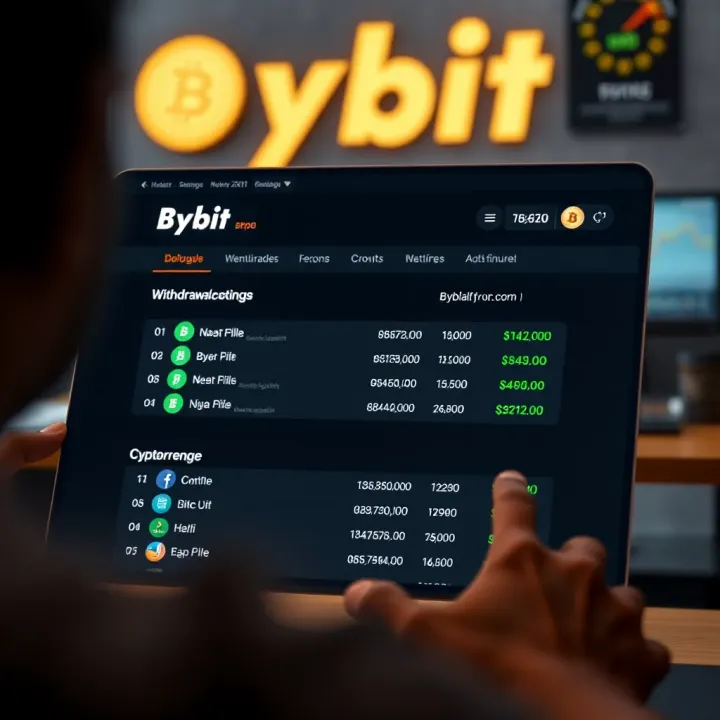
Getting started requires verifying your account fully with Bybit. This involves submitting your National Identification Number (NIN) or passport details for Know Your Customer (KYC) checks. Without verification, withdrawal limits can be very restrictive.
Ensure you complete the verification steps early to prevent withdrawal frustrations, especially during busy periods like ember months when many users transact.
Beyond verification, fund withdrawal depends on the type of asset. Crypto withdrawals ask for the destination wallet address and network type (e.g., ERC-20, BEP-20). Avoid rushing this step; verifying the wallet address ensures your funds don’t vanish into thin air.
For fiat withdrawal, options like P2P trading or third-party exchanges might be your go-to since direct bank withdrawals from Bybit are less common in Nigeria. Platforms like Binance P2P or Quidax can help convert your crypto to naira smoothly.
Finally, always factor in withdrawal fees and network congestion when planning your transactions to dodge unnecessary charges or delays. Withdrawal limits also exist, scaling with your account verification level.
In all, withdrawing from Bybit is straightforward when you understand the steps and prepare your account properly. The guidance ahead will walk you through these processes with practical tips tailored for Nigerian users, helping you secure your gains without hassle.
Preparing your account before making a withdrawal on Bybit is the foundation of a smooth and secure transaction. Without proper setup, you risk delays, rejected withdrawals, or even loss of funds. This section highlights the essentials every Nigerian user should focus on to ensure their funds leave Bybit without stress.
Completing identity verification (KYC) requirements is a non-negotiable step on Bybit. This process involves submitting government-issued IDs, such as your National Identity Number (NIN) or international passport, to confirm your identity. For Nigerian users, completing KYC not only unlocks higher withdrawal limits but also helps comply with regulatory measures enforced by Nigerian authorities and global standards. Without successful KYC, your withdrawal may be restricted or suspended.
Enabling two-factor authentication (2FA) adds a critical layer of protection to your account. Bybit supports authentication apps like Google Authenticator or Authy, which generate time-sensitive codes. Nigerian traders should enable 2FA to prevent unauthorised access, especially since account breaches can lead to irreversible loss of crypto assets. Unlike relying only on email verification, 2FA dramatically lowers the chance of hackers withdrawing funds without your consent.
Ensuring account security for withdrawal involves more than just setting a strong password. Nigerian users are advised to regularly update passwords, avoid public Wi-Fi when accessing the account, and use withdrawal whitelists where Bybit allows. This feature locks withdrawals to pre-approved wallet addresses, reducing risks if your account details are compromised. Simple habits, like logging out of devices not in use and monitoring account activity, keep withdrawals safe and straightforward.
Bybit imposes daily withdrawal limits to ensure platform security and regulatory compliance. These limits vary depending on your KYC level; for instance, standard verification may allow withdrawals up to 10 Bitcoin (BTC) daily, while advanced verification can increase this limit. For Nigerian traders dealing with small-to-medium volumes, understanding these caps prevents surprise rejections when moving funds.
Network fees and processing times also influence your withdrawal experience. While Bybit charges no direct withdrawal fees, miners or validators on the blockchain impose standard network fees. These fees fluctuate based on traffic; withdrawing Bitcoin during peak network congestion, for example, can cost more and take longer for confirmation. Nigerian users should time withdrawals accordingly, perhaps avoiding busy periods identified via network fee trackers.
Finally, how withdrawal fees affect your funds is a practical concern. Even if Bybit waives withdrawal fees, the network deduction reduces the amount that lands in your external wallet. If you plan to convert crypto to Naira later, consider that network fees subtly lower your effective balance. Planning withdrawals when fees are low can save you valuable naira, especially during ember months when the cost of power and fuel to manage wallets on generators is already high.
Remember, setting up your Bybit account carefully and understanding withdrawal constraints not only protects your assets but also cuts down on avoidable delays and hidden costs. Nigerian traders deserve transparency and control over their funds at every step.
Withdrawing cryptocurrency from Bybit is a key step for Nigerian users aiming to access their funds outside the platform. Whether you want to transfer assets to a personal wallet or move funds to another exchange, understanding this process ensures your crypto reaches the right destination without delay or loss. Since Bybit supports various coins and tokens, choosing the right asset and wallet plays a vital role in optimising withdrawal fees, speed, and security.
Bybit offers withdrawals for top cryptocurrencies like Bitcoin (BTC), Ethereum (ETH), and USDT in various networks, including Ethereum’s ERC-20 and Tron’s TRC-20. Nigerians often prefer withdrawing stablecoins like USDT on TRC-20 because of significantly lower network fees compared to ERC-20, helping users save on costs. Next time you withdraw, check the available network options to pick the right combination that balances speed and cost.
Once you’ve chosen the cryptocurrency, it’s important to decide where to send it. You can use hardware wallets like Ledger or Trezor for maximum security—these devices keep your keys offline and protect from hacks. If convenience matters more, software wallets such as Trust Wallet or MetaMask are popular choices but carry higher risk of cyberattacks. Some traders prefer sending crypto to trusted local exchanges like Binance NG to convert to Naira. Whichever wallet you pick, security should never be compromised.

One small typo in your wallet address can cause irreversible loss, as blockchain transactions can’t be reversed. Always double-check or triple-check the address you paste into Bybit before confirming a withdrawal. Using copy-paste rather than manual typing reduces errors. For example, if you are transferring Bitcoin to an external wallet, ensure the address matches exactly, including every letter and number. Mistakes here lead to lost funds without any recourse.
Start by logging into your Bybit account and navigating to the "Assets" or "Wallet" section. From there, select "Withdraw" where you’ll find a list of supported cryptocurrencies. This page is your gateway to moving funds from Bybit to your chosen wallet or exchange.
On the withdrawal page, select your cryptocurrency and input the external wallet address carefully. Specify the exact amount you want to withdraw. Keep in mind the minimum withdrawal limits and fees displayed by Bybit. For instance, if you’re withdrawing 0.005 BTC but the minimum is 0.01 BTC, the transaction won’t go through.
After submitting your withdrawal details, Bybit requires confirmation through email and the two-factor authentication (2FA) app you have set up. This step adds a layer of security, ensuring only you can approve the transfer. Without completing this, the withdrawal won’t process.
Once confirmed, your withdrawal status changes to "Processing". You can track the transaction using the blockchain explorer link provided by Bybit, which shows real-time confirmation count. Depending on the crypto network congestion, your funds should appear in your external wallet in a matter of minutes to a few hours. Staying vigilant during this stage helps spot any unexpected delays early.
Always remember, successful crypto withdrawal combines careful choice of asset and wallet plus meticulous attention to security and transaction details. Nigerian traders who follow these steps well are less likely to face hiccups with Bybit withdrawals.
Withdrawing your earnings or converted crypto funds directly into a Nigerian bank account streamlines the access to your money after trading on Bybit. This step bridges the gap between digital assets and everyday expenses—be it paying bills, funding a business, or just saving for future plans. Understanding how fiat withdrawals work ensures you avoid unnecessary delays and fees common with using international platforms.
Bybit supports select payment channels that enable Nigerian users to cash out their funds smoothly. These payment partners act as middlemen, making it easier to move money from Bybit's platform into Nigerian banks, which otherwise may not accept direct withdrawals. Popular channels include integrations with systems that support local currency transactions, which help bypass the usual bottlenecks tied to cross-border transfers.
Platforms like Paystack and Flutterwave play a key role here. These Nigerian fintech firms are built to handle local payments and have partnerships that allow them to convert cryptocurrency proceeds into Naira and credit them to bank accounts. Using these platforms adds convenience because many Nigerian businesses and individuals already trust them for daily transactions, meaning less fuss with verification and quicker processing.
That said, some limitations exist. Withdrawal processing on third-party platforms doesn’t always happen instantly; it can take anywhere from a few hours to up to 48 hours, depending on network traffic and banking hours. Processing fees may also vary. Sometimes the cost of transferring fiat through partners can reduce profitability for traders, especially on smaller amounts. Planning withdrawals ahead during non-peak periods can help avoid delays, especially during peak Nigerian ember months or festive seasons.
For Nigerians, exchanging crypto into Naira first is essential when aiming for direct bank deposits. Local crypto exchanges such as Binance Nigeria (Binance NG) and Quidax have become favourite choices because they allow users to quickly sell crypto and receive Naira within their platforms. These exchanges follow Nigeria's regulatory guidelines, giving users peace of mind that their transactions are compliant.
Selling crypto for Naira on these platforms is usually straightforward. After transferring your crypto assets from Bybit to the exchange wallet, you place a sell order at the current market rate. Once the sale completes, Naira funds populate your exchange wallet, ready for transfer. These steps typically include verification stages required under Nigerian law, such as submission of BVN, to ensure funds move in compliance with the law.
Once your funds are in Naira on the exchange, transferring to your local bank account becomes a simple bank transfer. These exchanges support transfers to major Nigerian banks like GTBank, Access Bank, Zenith Bank, and First Bank. Transfers generally complete within minutes, though sometimes banks impose minor delays during public holidays or heavy network loads.
Quick tip: Always confirm bank details before initiating transfers. A tiny slip in account numbers can send your naira across to the wrong account, leading to difficult recovery processes.
Using these payment partners and local exchanges reduces the complexity of withdrawing your Bybit funds, making it practical for traders, entrepreneurs, and investors across Nigeria to access and use their earnings effortlessly.
Navigating withdrawals on Bybit can sometimes hit snags, particularly for Nigerian users facing unique hurdles like network congestion and unexpected security flags. This section highlights common problems traders and investors might encounter when withdrawing funds and provides practical solutions to tackle these issues efficiently. Knowing what to do can save you precious time and protect your funds from unnecessary risks.
Withdrawal delays often stem from network congestion, especially during periods of high activity on the blockchain. For example, when Bitcoin's network is busy, transactions can queue, causing longer confirmation times. These delays usually happen outside Bybit’s control but directly affect how quickly you access your funds in your wallet.
Another common reason is the exchange’s internal security checks. Bybit might pause withdrawals for extra verification when large sums or unusual activity triggers anti-fraud measures. This extra step can stretch processing time but aims to protect your account and assets.
You should contact Bybit support when your withdrawal remains pending beyond the expected timeframe—typically over 24 hours for cryptocurrencies and longer for fiat transactions involving banks. If the transaction status doesn't update on your withdrawal page, prompt contact will clarify if there’s a hold due to security or technical issues.
Remember: Swift communication with Bybit support can prevent small delays from becoming bigger problems.
Verifying blockchain confirmations is crucial to understand where your transaction stands. You can use blockchain explorers, which are public platforms that track transaction status using your transaction ID. Confirmations indicate how many times the blockchain has validated your transaction—each confirmation reduces the risk of reversals.
Sending cryptocurrency to the wrong wallet address is one mistake that can wipe out your funds permanently. Suppose you accidentally input a wrong address or use an incompatible blockchain network (like sending Ethereum to a Bitcoin wallet); those coins won’t return. Always double-check every character of the wallet address before confirming.
If you suspect unauthorised withdrawals, immediate action is vital. Change your Bybit account password and reset two-factor authentication (2FA) settings. Review recent activities in your account dashboard and note any suspicious transactions. Early detection can limit damage and help recover your funds if combined with customer support intervention.
Contacting customer service quickly is the best way to address any suspected fraud or errors. Bybit has dedicated teams to handle account security issues. Provide all relevant details like transaction IDs, timestamps, and suspicious activity descriptions. Acting swiftly increases the chances of freezing unauthorised transactions before they clear.
Taking these precautions helps protect your assets and ensures your withdrawals go smoothly without unexpected surprises.
Withdrawing funds from Bybit requires more than just following steps—it demands attention to security and keeping good records. These tips help protect your money and ensure smooth transactions, which is especially important in Nigeria where online scams and technical hitches can occur.
Double-check wallet addresses every time: Sending crypto to a wrong wallet address means your funds might be lost forever. Always verify the address by comparing the first and last few characters and, preferably, pasting the address rather than typing it manually. For example, if you’re withdrawing Bitcoin to a hardware wallet, copy the address directly from the wallet app and cross-check it before confirming.
This simple habit can save you from costly mistakes. Many Nigerian users have reported losing thousands of naira when addresses were d or copied from unreliable sources. Taking an extra moment here is worth it.
Regularly update security settings: Cybercriminals often target accounts with outdated security features. Keep your two-factor authentication (2FA) methods up to date and replace older apps like SMS 2FA with authenticator apps such as Google Authenticator or Authy for better safety.
Additionally, change your password regularly and avoid using the same password across multiple platforms. For Nigerian traders, who might access Bybit on public or shared networks, securing your login prevents unauthorised withdrawals that are tricky to reverse.
Use withdrawal whitelist where possible: Bybit allows users to set a whitelist of approved wallet addresses. This means even if a hacker gains access to your account, they can only withdraw crypto to pre-approved addresses.
Enabling this feature reduces risk dramatically. It's a must-do step especially for users holding significant amounts or making frequent withdrawals. Think of it like limiting access to only trusted destinations—you’ll be in full control.
Saving withdrawal confirmations: After every withdrawal, Bybit sends a confirmation email or notification. Keeping these records organised on your device or cloud storage helps resolve disputes quickly if any issue arises.
In Nigeria, where internet connectivity can be patchy, having offline access to such confirmations means you can show proof without delay when contacting support.
Monitoring blockchain explorers for transaction status: Every withdrawal gets recorded on the blockchain, a public ledger. Tools like Blockchain.com or Etherscan let you check if your transaction has been confirmed. This is useful to spot delays or failed transfers early.
For instance, if your BTC withdrawal is stuck, you can see if it’s waiting for network confirmation or if there’s an issue with your wallet. Staying informed keeps you ahead and avoids unnecessary panic.
Recording withdrawal history for personal finance: Keeping a detailed log of your withdrawals — including dates, amounts, fees, and recipient wallets — helps you track your crypto movement and manage taxes or investments effectively.
In Nigeria, with changing tax regulations and fluctuations in naira value, this information is valuable for tax filings and financial planning. Besides, it makes explaining your crypto activity clearer if Nigerian authorities or accountants ever need it.
Consistent security habits and good record-keeping are your strongest allies when navigating Bybit withdrawals. They protect not just your funds but your peace of mind.
Following these tips ensures your withdrawal process is not only safe but also smooth, letting you focus on growing your investments.
Discover how to pick the best forex broker in Nigeria 🇳🇬 with tips on regulation, platforms, fees, support, and avoiding common mistakes 📈💡
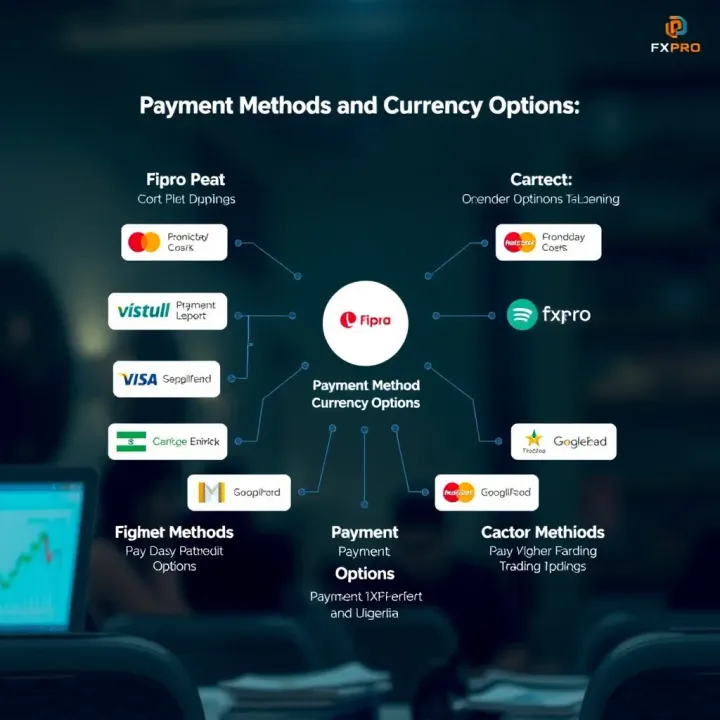
📊 Learn FxPro minimum deposit requirements and what Nigerian traders must know. Get insights on account types, payment methods, fees, currency options, and fund tips!

Discover Bitcoin Cash (BCH) — a key crypto for Nigerians looking to trade, save, and spend beyond Bitcoin. Learn safe ways to buy, hold, and use BCH in Naija ₦ market. ₿💡
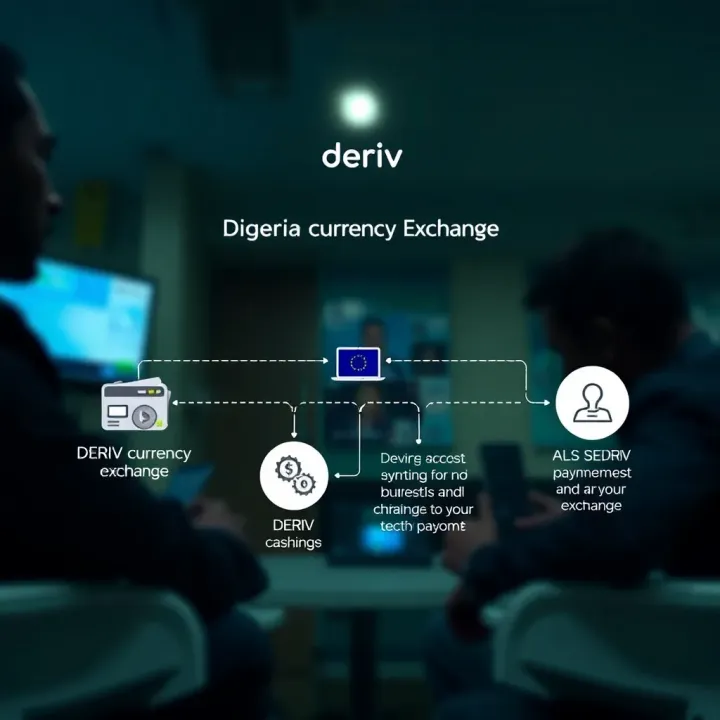
Explore how Deriv Cashier simplifies online trading for Nigerians 🇳🇬. Learn to register, deposit, withdraw ₦, and manage funds safely with local payment tips 💳🔒.
Based on 15 reviews