
Best Trading Platforms: What Nigerian Traders Should Know
🔍 Discover how to find the best trading platform tailored for Nigerian traders! Learn key features, popular choices, and what matters most for global success.
Edited By
Thomas Green
Trading platforms have become the gateway for Nigerian investors keen on accessing diverse financial markets. These software tools let you buy and sell assets like stocks, forex, commodities, and even cryptocurrencies, often from the comfort of your phone or laptop. But not all platforms are created equal, especially when dealing with the peculiarities of Nigeria’s financial landscape.
For example, platforms that integrate local payment methods or support the Nigerian Naira (₦) without excessive conversion fees give users a clearer edge. Platforms like GTI Securities offer access to the Nigerian Stock Exchange (NGX), while others like ForexTime provide tools tailored for forex traders in Nigeria. Understanding what a trading platform offers will help you avoid issues like multiple slippages or hidden charges, which are common complaints among Nigerian investors.
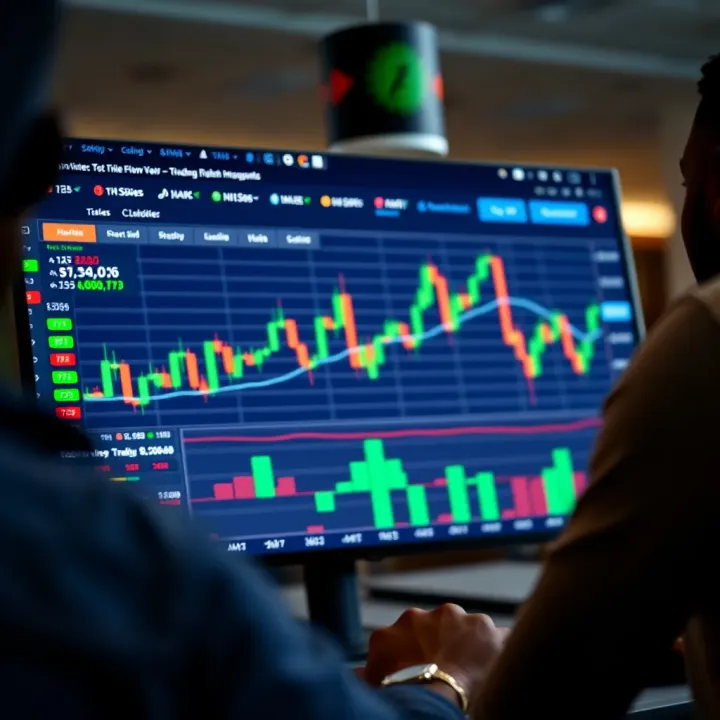
Selecting the right trading platform isn’t just about flashy features; it’s about security, usability, and how well it meets Nigeria’s unique market demands.
At their core, trading platforms enable you to place trade orders, monitor price movements, and access market data. They also offer tools for analysis, like technical charts or economic news feeds. Some platforms bundle educational content and real-time assistance, which can be useful, especially for newcomers.
Local Currency Support: Ability to trade and fund accounts in ₦ to reduce conversion costs.
Regulatory Compliance: Platforms regulated by Nigeria’s Securities and Exchange Commission (SEC) or recognised international bodies.
User Interface: A simple, responsive design that works smoothly on mobile devices given Nigeria’s data constraints.
Payment Options: Multiple methods including bank transfer, USSD codes, and even popular fintech apps like Paystack or Flutterwave.
Security Measures: Two-factor authentication and encryption to protect your funds and personal info.
Choosing a platform with these features can reduce frustrations and enhance your trading experience. Whether you’re dabbling in NGX stocks or swapping dollars for naira in forex, the right platform acts as your partner.
Next, we will explore the different types of trading platforms available to Nigerian investors, highlighting their pros and cons in the local context.
For Nigerian investors and traders, understanding what trading platforms are and how they function is key to making smart investment decisions. Trading platforms are software systems that serve as the gateway for buying and selling financial assets such as stocks, forex, and commodities. They connect individual investors to markets both local like the Nigerian Stock Exchange (NGX) and global markets, providing the tools necessary to execute trades effectively.
Trading platforms provide an interface where investors can carry out transactions. Their main purpose is to bridge the gap between buyers and sellers, allowing investors to place orders, monitor market activity, and manage their portfolios—all from one accessible location. For instance, a Nigerian trader interested in both NGX stocks and US-dollar forex pairs can use a platform like Chaka or Interactive Brokers to access these diverse markets seamlessly.
The rise of digital finance in Nigeria, boosted by fintech platforms such as Paystack and Flutterwave, has made trading platforms more accessible and user-friendly. These platforms aren’t just for seasoned brokers anymore; they empower everyday Nigerians to invest, track, and trade assets with confidence.
One essential feature of trading platforms is the ability to place orders quickly and have them executed promptly. Whether you're buying ₦10,000 worth of Zenith Bank shares or speculating on the price movement of crude oil futures, the speed and accuracy of order placement can impact your trading success. Platforms handle different order types, including market orders (buy/sell immediately at the current price) and limit orders (execute only when a specific price level is hit). Effective order execution helps traders avoid slippage—the difference between the expected price of a trade and the price at which it’s executed—which can eat into profits, especially in fast-moving markets like forex.
Access to real-time market data is crucial for meaningful trading decisions. Accurate, up-to-the-minute price quotes allow investors to react swiftly to market changes. For example, during Nigeria’s ember months when market volatility usually spikes due to increased spending and external economic pressures, having live data helps traders decide when to enter or exit positions. Platforms show current prices, bid-ask spreads, and market depth, giving you a clear picture of supply and demand.
Without real-time updates, decisions would be based on outdated information, leading to potential losses. Many platforms also offer news feeds and economic calendars to keep investors in touch with market-moving events.
Managing investments across different assets can get complicated without proper tools. Portfolio tracking features on trading platforms provide a snapshot of your holdings, showing current values, profit or loss, and asset allocation at a glance. A Nigerian investor with stocks in Dangote Cement, government bonds, and US commodities can monitor overall exposure and performance without logging into multiple accounts.
This consolidated view helps you spot trends in your investments and adjust your strategy accordingly. For instance, if your portfolio becomes heavily weighted in cyclical stocks during a downturn, you might rebalance your holdings to reduce risk. Platforms often allow custom reports and alerts, so you are notified when a stock hits a certain price or if there’s unusual market activity.
Trading platforms serve as the frontline tool for every investor. Knowing their core features—order execution, real-time data, and portfolio tracking—ensures you use them to their full advantage in Nigeria’s dynamic market environment.
Understanding the different types of trading platforms is key for Nigerian investors seeking effective ways to engage the market. Each platform type offers distinct advantages and suits various trading styles, from detailed analysis on desktop to quick actions via mobile apps. Knowing which platform fits your needs can improve access to Nigeria Stock Exchange (NGX) securities or international forex markets without needless complications.
Desktop platforms remain popular with experienced traders who prioritise robust functionality and fast execution. Platforms like MetaTrader 5 or Thinkorswim provide powerful charting tools, in-depth technical indicators, and customisable interfaces. These platforms excel in handling multiple open positions simultaneously, suitable for active traders focusing on day trading or swing trading.
However, desktop platforms generally require a reliable computer and steady internet connection. Most modern trading software demands Windows 10 or macOS 10.13 and above, alongside at least 8GB RAM and a multicore processor for smooth operation. Poor system specs can cause lags in order execution, potentially affecting profitability especially during volatile market conditions common in Nigerian equities.
Web-based trading platforms offer flexibility by enabling traders to access their accounts directly through browsers without needing software installation. This is especially practical for investors using shared or low-spec devices or those who frequently switch locations across cities like Lagos or Abuja. Web platforms such as TradeStation Web or IG’s web interface allow seamless access to NGX listings alongside global assets.
Security on web platforms depends heavily on providers’ encryption and authentication protocol. Nigerian traders should check whether the platform supports HTTPS connections, two-factor authentication, and complies with local regulations from SEC Nigeria. While convenient, web platforms may lag marginally in order speed compared to desktop versions, so evaluating security alongside performance is crucial.
Mobile trading apps cater to Nigeria’s fast-paced lifestyle, allowing traders to monitor the market and execute orders anywhere—on danfo rides or during brief breaks at work. These apps usually feature quick access to real-time prices, instant notifications, and easy fund transfers to local banks or popular payment platforms like Paystack.
Popular apps gracing Nigerian screens include Bamboo and Trove, which focus on opening global stock markets like NYSE and NASDAQ to Nigerian users, besides local equities. Other big names like OPay and PalmPay offer integrated trading facilities alongside e-wallet services for convenience. While mobile apps provide handy accessibility, users should beware of data usage and phone compatibility to avoid interruptions during critical trades.
Choosing the right platform type depends mainly on your trading style, tech comfort level, and need for mobility—balancing these factors enhances your chances of making smart investments in Nigeria’s dynamic markets.
Choosing the right trading platform involves more than just signing up; investors need to focus on key features that impact their trading experience and financial outcomes. For Nigerian investors, it's vital to pick platforms that blend usability with solid market access and strong security, bearing in mind local realities like power instability and internet reliability.
A platform with a user-friendly interface makes trading less confusing and helps prevent costly mistakes. Intuitive menus, clear order forms, and straightforward navigation save time, especially when market conditions demand quick decisions. Customisation options allow traders to set up dashboards and alerts tailored to their preferences, which is crucial if you track multiple assets or markets like Nigerian equities and foreign forex pairs. For example, a trader focused on NSE equities may customise watchlists to follow blue-chip stocks like Dangote Cement or Access Bank shares closely.
Charting tools give traders the power to visualise price movements and spot trends. Good platforms offer interactive charts with options like candlestick, line, and bar types. These charts help investors quickly identify support and resistance levels, which can change daily due to factors like Nigeria's economic reports or central bank announcements. Platforms that allow drawing trend lines or overlaying moving averages provide an extra edge.
Technical indicators are calculations based on price, volume, or open interest that assist traders in making informed decisions. Common ones include the Relative Strength Index (RSI), Moving Average Convergence Divergence (MACD), and Bollinger Bands. Nigerian traders often use these to time entry and exit points, especially when market volatility spikes during ember months or political events. Access to a variety of indicators helps adapt to different strategies, whether scalping fast-moving forex or long-term investing in oil sector stocks.
News feeds integrated directly into the platform keep traders updated with real-time announcements that can move markets. In Nigeria, where developments like Fuel Subsidy removal, CBN policy shifts, or NSE corporate actions can influence asset prices, having live news streams reduces lag between event and response. Platforms that provide both local and international news offer a more comprehensive perspective, crucial for those trading global stocks or commodities.
Successful trading depends on executing orders swiftly and according to plan. Look for platforms offering diverse order types—market, limit, stop-loss—giving control over when and how trades happen. Fast execution speed is equally critical; delays might cost you, especially in forex where rates can shift within seconds. For Nigerians facing spotty internet or unstable power, platforms with optimised execution reduce exposure during outages or slow connections.
Data encryption safeguards your personal and financial details by converting information into secure code during transmission. This protection is non-negotiable given the rising cases of cybercrime in Nigeria. Platforms using strong encryption protocols help prevent identity theft or unauthorised access to your accounts.
Two-factor authentication (2FA) adds an extra security layer beyond passwords. It typically requires you to enter a one-time code from your phone or app before logging in, reducing chances of hacking. Nigerian traders dealing with local banks and digital wallets appreciate platforms supporting familiar 2FA methods.
Local and international licences ensure a platform operates under legal oversight. Check if the platform complies with Nigerian regulations—such as registration with the Securities and Exchange Commission (SEC)—and holds licences from credible global regulators like the Financial Conduct Authority (FCA) or Securities and Exchange Commission (SEC) in the US. Licensed platforms tend to offer better protection for your funds and higher operational standards.
Always prioritise platforms combining usability with robust security and compliance to protect your investments and trading activities in Nigeria's dynamic market.
These key features collectively help Nigerian traders and investors navigate local and global markets confidently, making trading both efficient and safer.
Trading platforms used by Nigerian investors come from both local and international sources. Understanding these options helps investors access a wider range of securities, enjoy smoother payment processes, and stay compliant with regulations.
Local trading platforms primarily provide access to the Nigerian Stock Exchange (NSE), recently renamed the Nigerian Exchange Group (NGX). These platforms enable investors to buy and sell shares of Nigerian companies like Dangote Cement, GTBank, and Nigerian Breweries. Investing through local platforms is essential for traders focused on the domestic market and those interested in assets such as government bonds or treasury bills issued by the Federal Government of Nigeria.
Platforms such as Meritrade and Stanbic IBTC Stockbrokers give direct access to NGX-listed securities, ensuring investors can participate in Nigeria’s growing equity and fixed income markets. Using local platforms also means quicker settlement processes tailored to Nigerian banking systems and market conventions.
Local trading platforms support seamless transactions through integration with Nigerian payment methods. This includes acceptance of payments and withdrawals via bank transfers from Nigerian banks like Zenith Bank, Access Bank, and First Bank. Many also accept payments through popular digital wallets such as Opay, PalmPay, or Paystack.
This integration reduces delays common with international payment gateways and minimises currency conversion hurdles. For example, if an investor funds an account with ₦500,000, the platform processes it swiftly and credits it in naira, rather than dollars. This convenience helps investors avoid hefty foreign exchange charges and ensures funds clear in Nigerian banking hours.
International platforms like eToro, Interactive Brokers, and Plus500 cater to Nigerians interested in forex trading and global equities. These platforms offer access to foreign currency pairs (such as USD/NGN, EUR/USD) and shares of multinational companies like Apple, Amazon, or Tesla.
This is particularly attractive to investors looking to diversify beyond Nigerian markets or hedge against naira volatility. Forex trading through these platforms provides 24-hour market access and competitive spreads. Moreover, international platforms often offer CFDs (Contracts for Difference) that Nigerian traders use to speculate on asset price movements without owning the physical asset.
Choosing an international platform compliant with Nigerian regulations protects investors from legal and financial risks. The Securities and Exchange Commission (SEC) Nigeria regulates capital market activities, requiring international brokers to adhere to guidelines when serving Nigerian clients.
Platforms authorised or registered with SEC Nigeria, or those cooperating with local brokers, are safer choices. These brokers typically require customers' Bank Verification Number (BVN) for identity verification and comply with anti-money laundering (AML) rules. Compliance means investors can avoid sudden account freezes or fund seizures that plague operations with unregulated or offshore brokers.
Using local and international trading platforms strategically allows Nigerian investors to tap into broad financial opportunities while managing risks related to currency, regulation, and market access.
By understanding the strengths and practicalities of both local and international brokers, Nigerian traders can position themselves better to achieve their investment goals.
Selecting the right trading platform is a vital step for any Nigerian investor or trader. The platform you choose can affect everything—from your ability to act on market opportunities quickly to how easily you manage your portfolio. Because of Nigeria’s unique financial environment, including factors like local currency fluctuations, intermittent power supply, and internet quality, choosing a platform tailored to your specific needs can have a direct impact on your trading success.
Start by clarifying what you want to achieve with your trading activities. Are you looking for long-term investment options, or do you prefer short-term trading involving forex or commodities? Your trading style—whether active day trading or a more passive approach—highly influences platform choice. For instance, if you’re a scalper needing quick order execution, speed and real-time data feed are non-negotiable. On the other hand, if you are more of a buy-and-hold investor, platform features like portfolio tracking, dividend notifications, and in-depth research tools may be more beneficial.
Fees and commissions can quietly eat into your gains, especially if you trade frequently. Some platforms may offer low commission rates but compensate through higher spreads, which increases your trading costs in the long run. For example, a typical brokerage charge around Nigeria Stock Exchange (NGX) transactions might be a small percentage, but if your volume is large, these costs add up. Always calculate how fees affect your break-even point and potential profits before committing.
Beyond obvious fees, watch for hidden charges like withdrawal fees, currency conversion costs, or inactivity penalties. Nigerian traders using international platforms may face currency exchange fees when converting naira deposits to dollars or euros. Some platforms also charge for premium tools or market data access. Don’t forget that unstable power supply in some regions may force you to invest in generator fuel or internet data, adding indirect costs associated with your trading platform access.
Trading often requires fast responses, so having customer support that operates within Nigerian time zones (West Africa Time – WAT) is essential. A platform with 24-hour support adjusted for African hours helps you address issues during local trading hours promptly. This is especially useful if you encounter technical problems during live trades or need quick clarifications about platform features.
A user-friendly platform with comprehensive educational resources can significantly ease your learning curve, particularly if you’re new to trading. Tutorials, webinars, and FAQs tailored to Nigerian market conditions help you understand basic to advanced features. Moreover, quality customer service that patiently guides users through platform navigation reduces errors that could otherwise cost money or lead to missed opportunities.
Choosing a trading platform isn’t just about features; it’s about matching technology with your personal goals and the realities of trading in Nigeria. Keep your trading style, costs, and support needs in mind to find a platform that truly fits your trading journey.
By attentively assessing these factors, Nigerian investors can avoid common pitfalls and make informed decisions that improve trading efficiency and profitability.
🔍 Discover how to find the best trading platform tailored for Nigerian traders! Learn key features, popular choices, and what matters most for global success.
📈 Find the best online trading platform in Nigeria! Learn about key features, fees, security, and platform types to match your trading goals effectively.
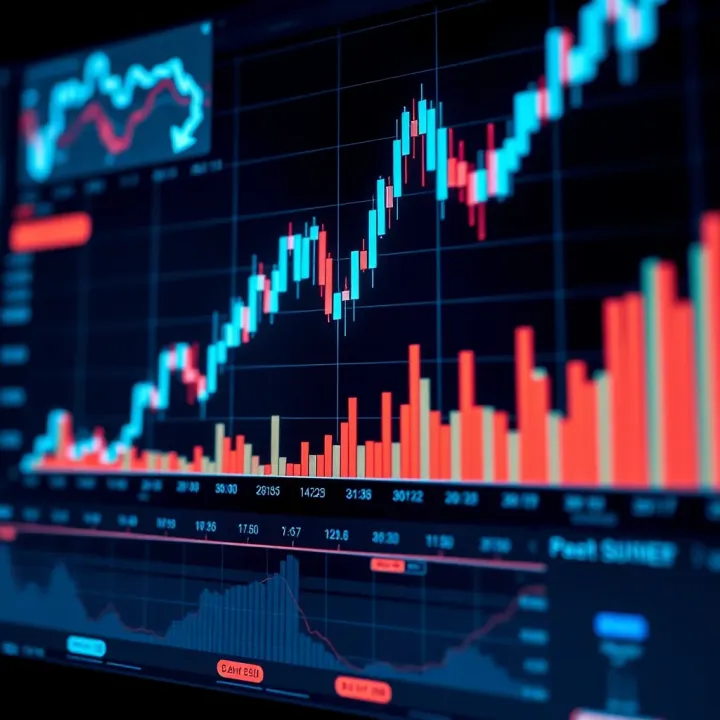
📈 Discover how to pick the best copy trading platform in Nigeria. Learn about fees, security, selecting traders, and starting smart today! 🇳🇬
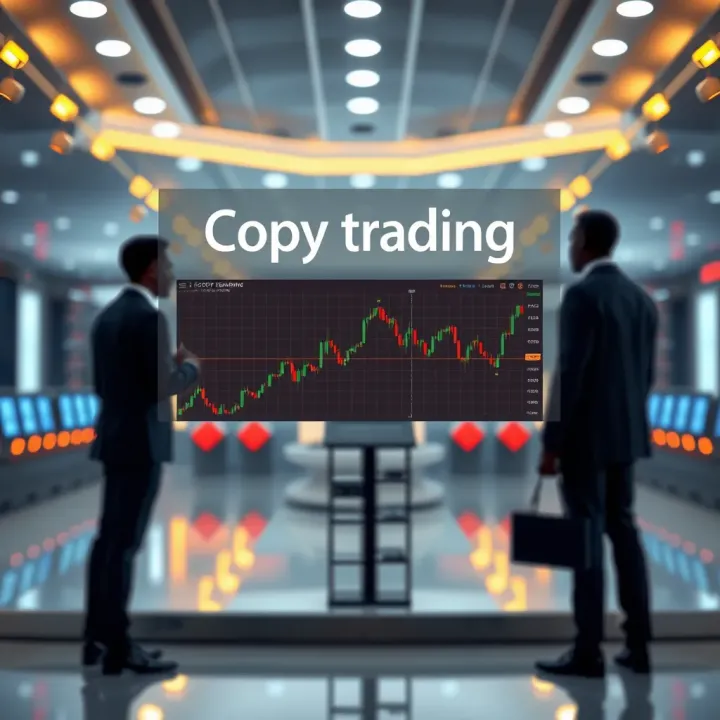
🔍 Discover copy trading basics, platforms, pros & risks, plus tips tailored for Nigerian investors. Make smart, informed investment choices today! 📈🇳🇬
Based on 5 reviews