
Gold Price Prediction Today in Nigeria
📈 Track today's gold price in Nigeria with updates on local demand, naira fluctuation, and global trends. Get insights to guide your ₦ investments effectively.
Edited By
Isla Bennett
Solana (SOL) has fast become a significant player in the cryptocurrency market, especially here in Nigeria where digital assets are gaining traction among traders and investors. Understanding the current price of Solana is essential if you're serious about making informed moves in the crypto space. The price today reflects not just global demand but also local factors that shape the Nigerian market.
Tracking Solana's value in Nigerian Naira (₦) requires regular updates, as prices can swing quickly. Unlike stable currencies, Solana’s price fluctuates due to market activity, network developments, and investor sentiment. Traders in Lagos or Abuja often watch platforms like Binance, Luno, or local exchanges to catch the latest price.
The price you see today might be different tomorrow or even within hours, so staying sharp on Solana’s market movements is key.
Several elements influence Solana’s price:
Global crypto trends: Shifts in Bitcoin or Ethereum often lead Solana’s price movements.
Technological upgrades: Any network improvements or partnerships can boost investor confidence.
Regulatory news: Statements from Nigerian financial authorities or the Central Bank (CBN) around crypto use can cause price swings.
Demand from Nigerian investors: With rising interest in decentralised finance (DeFi), more Nigerians are buying SOL, affecting local prices.
For entrepreneurs and analysts, knowing how to check the latest Solana price and understanding what drives its fluctuations can help plan trades and investments more wisely. Keeping an eye on market volumes and order books from popular crypto exchanges also reveals real-time demand and liquidity.
In summary, Solana's price today is a real-time indicator shaped by complex forces—from global trends to local market behaviours. Nigerian traders benefit most by using reliable price tracking tools and staying updated on crypto regulation developments.
Keeping track of Solana’s current price and market snapshot is essential for traders and investors making timely decisions. It paints a live picture of how Solana (SOL) is performing in global and local markets, which helps you grasp its value in naira and understand shifts driven by daily trading activity. For example, if SOL’s price suddenly dips due to sudden demand changes or network issues, knowing this immediately lets you act—whether by buying at a lower price or cutting losses.
Several well-established exchanges provide real-time Solana prices priced in USD, Bitcoin, or even naira. Platforms like Binance, Coinbase, and Kraken are commonly used globally due to their reliable price feeds and deep liquidity. Meanwhile, Nigerian traders often prefer local platforms such as BuyCoins, Quidax, and Bundle, which offer Solana priced directly against ₦, making conversion easier and saving on forex charges. These exchanges typically update prices every few seconds, offering sharp insights into market movements.
Apps like CoinGecko, CoinMarketCap, and Blockfolio are popular with Nigerian users wanting live updates on Solana and other cryptocurrencies. They offer features like price alerts, historical charts, and news feeds to keep traders informed on market swings and relevant developments. These platforms tailor content for Nigerian users by showing prices in naira alongside USD, which helps investors track returns without manual currency calculations.
Market capitalisation, or market cap, represents the total value of all Solana coins currently in circulation. It is calculated by multiplying the current price by the total supply of SOL tokens. This metric helps investors understand Solana’s size and significance within the crypto ecosystem. For instance, a ₦1 trillion market cap signals strong investor confidence and widespread adoption compared to smaller tokens valued in just ₦10 billion.
Daily trading volume shows the total value of Solana bought and sold within a 24-hour period. High volume indicates active trading and liquidity, meaning it’s easier to buy or sell sizeable holdings without drastically affecting price. On the other hand, low volume might lead to price swings and challenges in executing trades at expected rates. Nigerian investors particularly watch volume during ember months or major crypto events, as sudden spikes or drops often present trading opportunities or warnings.
Staying updated on Solana’s current price, market cap, and volume offers a clear snapshot of its health and trading environment. For anyone eyeing Solana investments or trading, this info guides better decisions and helps avoid avoidable risks.
Understanding the key factors influencing Solana’s price changes helps investors and traders anticipate market moves and make informed decisions. These factors range from broad global cryptocurrency trends to specific developments within Solana’s own network, as well as the regulatory environment, both worldwide and within Nigeria.
Bitcoin (BTC) and Ethereum (ETH) often set the tone for the whole crypto market. When these giants experience price shifts, Solana (SOL) usually follows suit, as many investors see their performance as a benchmark. For example, a sharp rise in Bitcoin’s price often triggers increased interest in altcoins like SOL, driving their prices up too. Conversely, if Bitcoin dips amid uncertainty, traders tend to pull back from riskier tokens, causing SOL’s price to drop.
In practical terms for Nigerian investors, watching BTC and ETH movements is a smart way to gauge potential Solana price action. Since BTC and ETH dominate global trading volume, their trends often predict the short to medium-term momentum for SOL.
Solana’s ecosystem is heavily involved in decentralised finance (DeFi) and non-fungible tokens (NFTs). Positive developments in these sectors can lead to increased demand for SOL, as it is used for transaction fees and staking. For instance, when an NFT project built on Solana gains popularity locally or globally, more users buy SOL to participate.
Traders in Nigeria should note that excitement around DeFi platforms or NFT launches can cause short-lived price surges. However, if interest wanes or regulatory concerns arise around these products, investor appetite diminishes, impacting SOL prices negatively.
Solana is prized for its fast transaction speeds and low fees. When network upgrades improve scalability or fix bugs, confidence in the platform rises, pushing SOL prices up. For example, Solana’s introduction of more efficient validators or enhanced smart contract capabilities has previously attracted fresh investments.
From a practical perspective, Nigerian investors should keep an eye on Solana’s upgrade announcements. These technical improvements often translate into better usability for developers and users, which can broaden adoption and sustain price growth over time.
Despite its strengths, Solana has faced several network outages in the past. These disruptions raise security and reliability doubts among investors, sometimes causing sharp price dips. For example, a major outage that lasted hours or days can shake investor trust, as seen in earlier years when SOL’s price dropped after network instability.
For Nigerian market participants, understanding these risks is essential. A well-performing network reassures investors and encourages wider usage, whereas frequent downtimes can scare off newcomers and trigger sell-offs.
International regulations, such as sanctions on cryptocurrency exchanges or tightenings by major economies, affect Solana’s trading volume and accessibility. When countries impose strict rules, it limits global liquidity and reduces demand for tokens like SOL. Conversely, friendly regulatory climates promote greater usage and price stability.
This aspect matters to Nigerian investors because changes in global rules often filter down to local platforms and exchanges, affecting ease of trading and currency conversions.
Nigeria’s regulatory stance on cryptocurrencies directly impacts Solana’s popularity and how easily investors can buy or sell SOL. For example, restrictions on bank transactions related to crypto might hamper liquidity, causing price volatility. On the other hand, positive guidance or outright adoption by local fintech firms could boost trust and expand Solana's usage.
Nigerian investors should watch statements from the Central Bank of Nigeria (CBN) and other authorities closely. Policy shifts can quickly alter market dynamics and influence SOL prices domestically.
Keeping tabs on these key factors provides a clearer picture of Solana’s price movements, enabling better timing and strategy for your investments in Nigeria’s evolving crypto market.
Buying and securing Solana (SOL) in Nigeria involves practical steps that every investor and trader should understand. With interest in cryptocurrency rising steadily across Nigeria, knowing where and how to purchase SOL safely is crucial. Additionally, storing Solana securely protects your assets from theft or platform failures, especially given the volatility and security issues in the market.
Several local exchanges and fintech platforms support Solana trading and offer a convenient way to buy SOL using Nigerian Naira (₦). Popular platforms like Binance Nigeria, Bundle Africa, and Yellow Card provide Nigerians with relatively easy access to Solana. These platforms generally allow users to fund their accounts through bank transfers or debit cards, making the process accessible even if you’re new to crypto.
When buying Solana on these platforms, the steps usually include registering an account, completing Know Your Customer (KYC) verification, funding your wallet with Nigerian Naira, and then selecting Solana for purchase. For example, on Bundle Africa, after funding your wallet with ₦10,000, you can quickly convert this into SOL at the current rate. This straightforward flow appeals especially to everyday Nigerian investors who want to avoid the hassles of international exchanges.
Choose a reliable platform: Pick a well-known Nigerian exchange that supports SOL.
Register and verify: Sign up and complete KYC requirements, providing your National Identification Number (NIN) if necessary.
Fund your wallet: Transfer Nigerian Naira from your bank account or use debit card options.
Purchase Solana: Navigate to the SOL market and enter the amount to buy.
Confirm transaction: Approve details and receive SOL tokens in your exchange wallet.
This direct approach eliminates complex conversions and high fees often encountered on foreign platforms. Plus, trading within Nigeria means quicker transaction speeds and local customer support.
When it comes to storing Solana, Nigerian investors must weigh convenience against security. Wallets fall into two broad categories: hardware and software. Hardware wallets are physical devices that store your private keys offline, offering stronger protection against hacks. Software wallets are apps or programs that store keys online or on your device, easier to access but more vulnerable.
Hardware wallets like Ledger Nano S or Trezor work well for Nigerian investors holding large amounts or planning to keep Solana for the long term. They require initial investment (around ₦30,000–₦50,000) but reduce exposure to online threats prevalent in Nigeria's often unpredictable cybersecurity environment.
For everyday users or those trading frequently, software wallets offer more flexibility. Mobile wallets such as Phantom or Solflare are popular for Solana because they support staking and easy transaction signing. Nigerian users particularly benefit from wallets that integrate with local exchanges or accept NGN funding options.
Choosing the right wallet is key to safeguarding your Solana investment. Hardware wallets offer robust security, while software wallets provide ease of use and faster trade execution.
In sum, Nigerian traders can confidently buy Solana through trusted local platforms and secure their holdings by selecting wallet types that suit their usage and risk appetite. Understanding these practical steps helps investors act swiftly and safely in Nigeria’s fast-growing crypto market.
Investing in Solana presents promising opportunities but comes with risks that every investor in Nigeria must understand. Recognising these risks helps you make smarter decisions and protect your funds in a fluctuating market. This section outlines key challenges like volatility, market liquidity, and common security threats in the Nigerian crypto space.
Solana, like many cryptocurrencies, experiences significant price swings. These fluctuations can be sharp and sudden, driven by global market trends and local factors. For example, a positive development such as a network upgrade might send prices up quickly, while regulatory news or a security breach can cause a steep drop within hours. This volatility means investors must be ready for ups and downs – not ideal if you want steady, predictable returns.
Market liquidity also plays a crucial role. Liquidity refers to how easily SOL tokens can be bought or sold without affecting the price much. Higher liquidity usually means smoother trading experiences and lower price gaps between buy and sell offers. Nigerian investors should check trading volumes on platforms like Binance, Luno, or local exchanges to avoid situations where low liquidity might trap them with unfavourable prices.
The naira exchange rate further complicates investments in Solana. Since Nigerian investors typically buy cryptocurrencies using ₦, fluctuations against the dollar can bite into returns. For instance, if naira weakens against the dollar after you purchase SOL, the actual value of your crypto asset in naira may drop even if SOL’s dollar price remains stable. Such currency risk means you could see losses unrelated to Solana’s market performance. Investors should monitor naira-dollar rates closely, especially during volatile periods like the ember months when forex supply tightens.
Fraud schemes involving Solana are increasingly common in Nigeria’s burgeoning crypto sector. Scammers often lure investors with promises of guaranteed high returns through fake investment schemes or phishing attacks that steal wallet keys. One typical scam is the ‘pump and dump’ where fraudsters inflate SOL prices artificially, encouraging buyers to jump in before crashing prices and fleeing with investors’ funds.
To avoid falling victim, Nigerian investors must be vigilant. Always verify the legitimacy of platforms and wallets before transacting. Use well-known wallets such as Phantom or Trust Wallet, and opt for exchanges authorised or recognised by Nigerian regulators and the crypto community. Avoid sharing your private keys or login details with anyone. Also, be wary of unsolicited messages promising quick profits or insider tips, as these are often traps.
Taking basic precautions is the difference between secure investing and losing your hard-earned money. Awareness and caution go hand in hand with any successful investment strategy in cryptocurrency.
Double-check URLs and avoid clicking links from unknown sources.
Use two-factor authentication (2FA) on all exchange accounts.
Regularly update wallet software to patch vulnerabilities.
Trade only on reputable Nigerian and global platforms.
Educate yourself continuously on emerging fraud tactics.
By staying alert and informed, Nigerian investors can significantly lower their exposure to security risks while exploring Solana’s potential.
As Solana continues gaining traction globally, its role in Nigeria’s burgeoning crypto landscape demands close attention. This section explores the practical adoption trends and what the future may hold for SOL prices, offering traders and investors relevant insights on navigating this fast-moving market.
Solana’s presence in Nigeria is increasingly visible, especially through use cases in payments and Decentralised Finance (DeFi). Nigerian businesses and individuals are leveraging Solana's fast transaction speeds and low fees for peer-to-peer payments and remittances, helping reduce costs compared to traditional bank transfers. For instance, startups focusing on cross-border payments are testing Solana-based solutions to avoid steep naira exchange losses and lengthy delays common with banks.
On top of payment adoption, DeFi platforms built on Solana offer Nigerians access to lending, borrowing, and yield farming without intermediaries. This is particularly relevant in a country where financial inclusion remains a challenge. Users can collateralise assets or earn interest on SOL deposits via platforms like Serum or Raydium, gaining exposure to new income streams without relying on banks.
The Nigerian developer community for Solana is also growing steadily. More local programmers and blockchain enthusiasts are building dApps (decentralized applications) tailored to Nigerian needs, such as crypto wallets, NFT marketplaces, and localised financial products. Solana's developer-friendly environment and its compatibility with Rust programming language have encouraged tech hubs in Lagos and Abuja to host workshops, hackathons, and boot camps focused on Solana ecosystem development.
This growth fosters innovation suited for Nigeria’s unique market conditions — for example, apps that address frequent power outages and limited internet. By nurturing homegrown talent, Nigeria could soon contribute significantly to Solana’s global ecosystem while creating jobs and boosting the local tech economy.
Analyst predictions for Solana’s price generally vary but often acknowledge its strong fundamentals and growing adoption in emerging markets like Nigeria. Market sentiment tends to be optimistic, with many foreseeing SOL as a potential top-five cryptocurrency due to its scalability and increasing use in DeFi and NFTs. Yet, volatility remains a feature, and Nigerian investors must stay attentive to global market shifts and local economic fluctuations that affect investment sentiment.
Technological upgrades loom large as a key factor that could influence Solana's price trajectory. Planned network improvements, such as enhanced scalability and reduced power consumption, could make Solana more attractive to developers and users alike. Such upgrades would support greater transaction throughput and security, making SOL-based projects more viable and boosting demand for SOL tokens.
For Nigerian investors and traders, these anticipated advancements mean increased opportunities but also the need to monitor technical developments closely. By understanding how upgrades impact token utility, users can better position themselves to benefit from price movements driven by genuine network improvements.
Solana's expanding role in Nigeria's crypto scene is not just about price speculation; it signifies broader economic shifts and emerging financial possibilities for tech-savvy Nigerians across sectors.
📈 Track today's gold price in Nigeria with updates on local demand, naira fluctuation, and global trends. Get insights to guide your ₦ investments effectively.
🚀 Get today’s bitcoin price forecast with sharp insights on market trends, local economic factors, and smart tips for Nigerian investors navigating ₦ volatility.

📈 See today’s gold price forecast and how global trends plus local market moves impact ₦ investments. Get practical tips for buying & selling gold confidently in Nigeria.
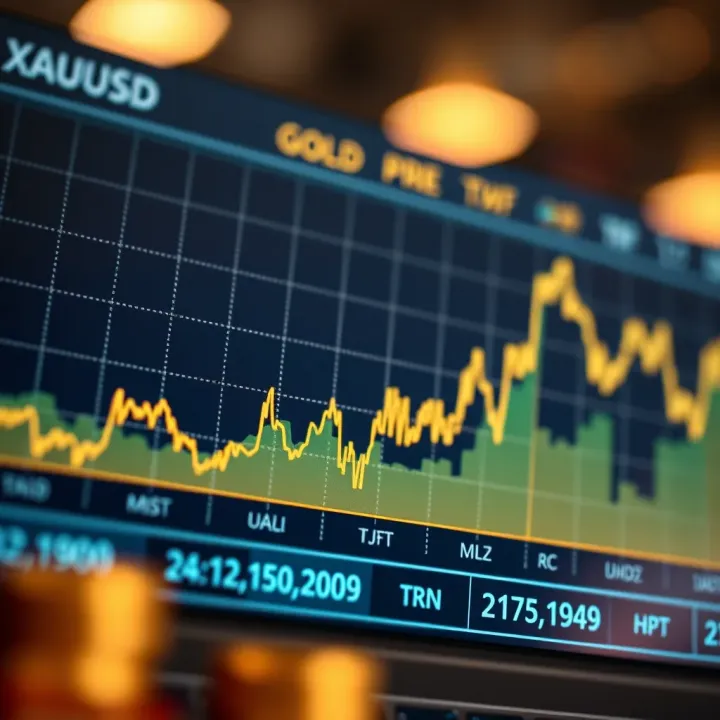
📈 Get today's XAUUSD prediction with expert insights on gold trends, economic signals, and world events—essential for informed trading in Nigeria’s market.
Based on 11 reviews