

Understanding OlympTrade for Nigerian Traders
Explore OlympTrade's trading options, registration steps, payment methods, and risks. Perfect guide for Nigerian traders aiming to grow with smart investments 📈💰.
Edited By
Grace Whitaker
Trading can feel like a jungle of unfamiliar words, especially in Nigeria where markets range from bustling mama puts and wholesale hubs to the Lagos Stock Exchange and forex platforms. Getting a firm grip on common trading terms helps you understand market moves, negotiate better deals, and avoid costly mistakes.
This introduction lays out the groundwork by highlighting why mastering trading vocabulary matters for Nigerian traders, entrepreneurs, investors, and analysts. Understanding these terms isn't just for stockbrokers or bankers; even small-scale traders and business owners face scenarios where clear knowledge of trading concepts can save money and smooth operations.

Whether you're negotiating bulk purchases for your shop or following trends on the Nigerian Stock Exchange (NSE), knowing the lingo lets you join conversations confidently and make smarter decisions.
Trading across Nigeria involves various layers — cash sales at roadside stalls, digital transactions via platforms like Paystack or Flutterwave, stock trades on the NSE, or forex dealings between the naira and dollar. Each setting has its own vocabulary, but they connect by underlying principles.
Consider these practical effects:
Clarity in agreements: Using terms like "MOQ" (minimum order quantity) or "FOB" (free on board) at wholesale markets helps avoid confusion that might otherwise lead to disputes or loss.
Better market analysis: Investors follow terms such as "bullish," "bearish," or "volume" on NSE news to interpret price trends.
Efficient digital selling: Knowing "conversion rate," "bounce rate," and "cart abandonment" online can boost sales on Jumia Nigeria or Konga.
You'll find explanations of key trading terms used in:
Commodity and goods trading (e.g., ledger, invoice, consignment) relevant to physical goods,
Financial markets (like dividends, market capitalisation, forex rate),
E-commerce and digital payments,
Forex trading and currency exchange important for importers and exporters dealing with naira volatility.
The article aims to decode jargon into easy, local examples so you're not left guessing during your business deals or investment chats. We keep things sensible and zero in on practical use, avoiding complex financial jargon.
Getting the hang of these terms can help you avoid common pitfalls many Nigerian traders face — like falling victim to unclear contracts, missing out on investment opportunities due to misunderstood metrics, or losing sales because of poor market insight.
Next, we’ll break down the essential trading terms you should know — helping you build a solid trading vocabulary tailored for the Nigerian market and beyond.
Every trader, whether dealing in stocks, forex, or local goods, must grasp basic trading terms to navigate markets wisely. Knowing these terms helps you avoid costly mistakes and trade with confidence in Nigeria’s dynamic trading scene.
A market order is an instruction to buy or sell immediately at the best available price. For example, if you want to buy shares of a popular Nigerian bank listed on the NSE quickly, placing a market order ensures your trade executes promptly, though the exact price could vary slightly due to market fluctuations. This order type suits traders prioritising speed over price certainty.
Limit orders, on the other hand, let you set the exact price at which you want to buy or sell. Suppose you want to buy a particular stock but only if its price falls to ₦200. You can place a limit order at ₦200, and your broker will execute the trade only if the stock reaches that price. This protects you from paying more than intended but may result in a missed trade if the stock price never moves to your limit.
Stop-loss and take-profit orders are vital for managing risk and locking in gains. A stop-loss order sets a price point to automatically sell an asset when its price drops, limiting potential losses. For instance, if you buy shares at ₦500 each but don't want to lose more than ₦50, you can place a stop-loss order at ₦450. If the stock falls to this price, your shares will sell automatically, protecting you from deeper losses.
Take-profit orders do the opposite by selling your asset once it reaches a target profit price. If the same shares rise to ₦600 and you want to secure profit, you can set a take-profit at that level. This order triggers a sale once your profit target hits, avoiding the risk of sudden price drops eroding gains.
Understanding bid and ask prices is crucial. The bid is the highest price buyers are ready to pay for an asset, while the ask is the lowest price sellers accept. The difference between these two, known as the spread, represents the cost of trading.
In Nigerian stock trading, tight spreads often indicate high liquidity and active trading, like with stocks of blue-chip companies such as Dangote Cement. Wider spreads occur in less active stocks or during volatile periods, raising transaction costs. Knowing this helps traders choose the right time and asset to trade.
The market price refers to the current price at which an asset can be bought or sold. It fluctuates constantly based on supply and demand. Meanwhile, the last price records the most recent transaction price.
For example, if Jumia Nigeria’s share last traded at ₦80 but the current market price has moved to ₦82, it means the latest available price to buy is ₦82, but the last recorded deal was at ₦80. Watching these prices helps traders spot trends and decide when to enter or exit trades.
Mastering these basic terms empowers Nigerian traders to engage markets smoothly and avoid unnecessary losses. Whether you’re trading stocks, forex, or local commodities, the right order type and price understanding make all the difference.
Trading financial instruments in Nigeria—whether stocks, shares, or forex—demands familiarity with certain specialised terms. These trading terms help traders and investors make informed decisions, evaluate risks properly, and identify profitable opportunities. Knowing how dividends work or what a pip means can be the difference between navigating the market smoothly and making costly mistakes. This section breaks down key terms you must understand to trade confidently in Nigeria’s financial markets.

Dividends represent the share of profits a company pays to its shareholders. If you own shares in a company listed on the Nigerian Stock Exchange (NGX), dividends offer a way to earn regular income besides capital gains. For example, a company paying a dividend of ₦10 per share means if you own 100 shares, you’ll receive ₦1,000. That said, dividends are not guaranteed; firms typically issue them when profits run steady.
EPS measures a company’s profitability per share outstanding. It’s calculated by dividing net earnings by the total shares available. A higher EPS generally signals better performance, making such shares attractive for investors. For instance, if Dangote Cement reports an EPS of ₦50, it shows that each share is generating ₦50 of profit, giving you insight into the company’s financial health.
Market capitalisation (market cap) is the total value of a company’s shares on the market, found by multiplying the current share price by the number of shares issued. For instance, if a Nigerian bank has 1 billion shares trading at ₦30 each, its market cap is ₦30 billion. This metric helps gauge the size and stability of a company.
Blue-chip stocks refer to well-established companies with large market caps, solid earnings, and reliable business models. Examples on the NGX include companies like Zenith Bank and Nestlé Nigeria. Blue-chip stocks are preferred by many investors seeking less risky and steady returns, especially in times when markets are volatile.
In forex markets, currencies trade in pairs such as USD/NGN (US dollar to Nigerian naira). The first currency is the base; the second is the quote. The price shows how much of the quote currency it takes to buy one unit of the base. For example, if USD/NGN is 460, you pay ₦460 for US$1.
A pip is the smallest price change in a currency pair’s exchange rate, usually the fourth decimal place for most pairs. In USD/NGN trading, a move from 460.0000 to 460.0100 reflects a change of one pip. Understanding pips helps traders measure profit or loss precisely.
Leverage allows you to control a larger position than your actual capital. For example, with 50:1 leverage, ₦10,000 can control ₦500,000 worth of currency. While leverage can magnify profits, it also increases risks—losses may be equally large.
Margin is the deposit required to open a leveraged position. Suppose you want to trade ₦500,000 with 50:1 leverage; you need ₦10,000 as margin. Brokers like FXTM or Alpari Nigeria set margin requirements and ensure you have enough funds to hold your trades.
Knowing these financial market terms sharpens your trading tactics, reduces guessing, and positions you for smarter decisions. Start with clear definitions and build your experience steadily.
Trade terms play a significant role in Nigeria's business environment, shaping how transactions are agreed and executed. For traders, entrepreneurs, and investors, understanding these terms reduces confusion, cuts down risks, and supports smoother commercial dealings. When you grasp payment, delivery, and pricing terms specific to Nigerian markets, such as Lagos or Kano, you find it easier to negotiate contracts and plan cash flows.
Cash on Delivery (COD) and Prepayment are common payment methods in Nigerian trading. COD means the buyer pays when goods arrive—useful for buyers wary of upfront payments, especially from new suppliers. However, sellers bear more risk since payment depends on successful delivery. For example, a merchant selling electronic gadgets might prefer COD to assure payment immediately upon delivery.
Prepayment, on the other hand, requires buyers to pay before goods are shipped. This offers sellers security but may deter buyers who want to see products first. In Nigeria, exporters frequently ask for prepayment or at least a partial deposit when trading internationally to avoid non-payment risks.
Letter of Credit (LC) and Bill of Lading are crucial in larger, especially international, Nigerian trade agreements. An LC is a bank guarantee assuring the seller will receive payment once conditions like shipment proof are met. It helps build trust between unfamiliar parties, for example, between a Lagos importer and a supplier in Asia.
A Bill of Lading is a document issued by a carrier confirming goods have been shipped. It acts as proof in disputes and also serves as a title for the goods. In Nigerian businesses involving importation, these documents ensure both sides meet their obligations—importers verify shipment, while exporters confirm delivery details.
Wholesale Price versus Retail Price distinguishes the cost differences at supply and consumer levels. The wholesale price is what traders pay to buy goods in large quantities, usually lower to encourage bulk purchases. The retail price is the amount consumers pay at shops or markets. For instance, a wholesaler might sell 100 bags of rice at ₦15,000 each, while a retailer sells the same bags individually at ₦18,000 each to cover transport and stall expenses.
Being clear on these prices helps small businesses budget and set competitive market rates.
Discounts, Markups and VAT are vital in Nigerian trading to calculate final prices and profits. Discounts reduce the price to attract customers or clear stock. Markups add to the base cost to ensure profit margins. For example, a mama put selling suya may mark up meat prices by 20% to cover expenses.
VAT (Value Added Tax) at 7.5% imposed by FIRS must be added to taxable goods and services. Nigerian traders must factor this in when pricing, as failing to account for VAT can erode profits or cause legal troubles.
Understanding these trade terms helps Nigerian traders avoid pitfalls and make decisions that improve their cash flow and customer satisfaction. Clear knowledge boosts confidence, whether sourcing from the market or dealing with formal contracts.
Get familiar with these Nigerian business terms to trade smarter and thrive in local and international markets.
Understanding the essential terms linked to online and mobile trading in Nigeria gives traders a real edge. With the rapid growth of digital platforms like Paystack, OPay, and Flutterwave, knowing key terms around mobile payments and e-commerce is no longer optional. It helps you navigate the buying and selling process smoothly and avoid costly misunderstandings.
USSD (Unstructured Supplementary Service Data) codes remain a simple but powerful way for many Nigerians to make payments or check account balances without internet access. For example, dialling *737# on your phone to transfer money or buy airtime with your bank is common practice. These codes offer convenience and accessibility, especially in rural areas where smartphone adoption might be lower.
POS (Point of Sale) terminals play a crucial role in Nigeria's business scene — from mama puts to big supermarkets. Merchants use POS devices to accept card payments instantly, reducing dependence on cash and improving security. The rise of quick POS solutions linked to mobile wallets also helps small traders join the digital economy.
Digital wallets like Kuda, PalmPay, and Paga allow users to store money electronically and make instant payments online or offline. These wallets often integrate with marketplaces and banks, making transactions faster and more secure. For instance, you can pay for goods at a bukateria or settle your utility bills without visiting a bank.
Payment gateways are platforms that facilitate the transaction between your bank or wallet and an online store. A seller using Flutterwave or Paystack ensures your card details aren't shared directly, adding a layer of security. Knowing these terms helps you trust the trading process and pick the right platforms.
Order fulfilment refers to everything from when you place an order online to when it reaches your doorstep. Platforms like Jumia and Konga partner with logistics companies to manage this. Tracking allows you to monitor the parcel's movement, so you know exactly when to expect it. For traders, understanding this term is key to managing customers’ expectations and ensuring reliable delivery.
Return policies in Nigerian e-commerce specify how customers can return or exchange products. A clear return policy can boost buyer confidence, especially for electronics or fashion items where fit or function may vary. Customer support is the assistance available to handle complaints or questions post-purchase. Quick, helpful support improves customer loyalty and reputation in a competitive market.
Mastering these terms equips you to trade confidently in Nigeria's digital market, reducing surprises and building trust with customers and partners alike.
USSD codes* empower payment without smartphones
POS terminals* reduce cash handling risks
Digital wallets* simplify online and offline purchases
Payment gateways* secure transactions
Order fulfilment* covers delivery management
Return policies* safeguard buyer rights
Customer support* maintains relationship quality
Getting these terms right helps Nigerian traders thrive in a fast-changing online economy, turning tech into clear business advantages.
Understanding risk management and legal terms is essential for every trader in Nigeria, whether you’re active in equities, forex, or commodities. These terms help you protect your capital, make informed decisions, and comply with Nigerian regulations. Without grasping risks like volatility or knowing key institutions such as the Securities and Exchange Commission (SEC), traders can easily fall into costly mistakes or legal troubles.
Volatility refers to how much the price of an asset swings over a period of time. In Nigerian markets, for example, the naira’s exchange rate can be very volatile, especially during periods of currency scarcity or political uncertainty. High volatility means more potential for profit but also greater risk of losses. If the price of a stock on the Nigerian Stock Exchange (NGX) jumps erratically, traders need to be very cautious.
Liquidity, on the other hand, is about how quickly you can buy or sell an asset without causing a big price change. For instance, shares of top-tier companies like Dangote Cement usually have good liquidity, making them easier to sell promptly. In contrast, some smaller companies listed on NGX may have poor liquidity, meaning selling large volumes causes price drops, which can eat into profits.
Both aspects influence your trading strategy: a volatile but illiquid stock can be risky, while liquidity generally helps you exit positions without much hassle.
Stop-loss orders are essential tools that limit losses by automatically selling your asset when it falls to a set price. Suppose you buy shares in a bank like GTBank at ₦30 per share; placing a stop-loss at ₦27 means your shares will sell automatically if the price drops to that level, protecting you from further loss.
Hedging, meanwhile, involves making trades that offset potential losses. For Nigerian traders active in forex, this might mean opening positions in different currency pairs to reduce exposure to naira depreciation. Though hedging can reduce gains, it also wards off big surprises, especially in the face of local economic shocks.
The SEC Nigeria is the regulatory body overseeing the capital markets. It ensures that trading is fair and transparent and that companies comply with set rules. For traders, this means a safer environment where fraud is monitored and penalties applied when necessary.
Before investing in stocks or bonds, it’s wise to confirm that the company is SEC-registered and regularly reports its financial status. This reduces the risk of falling prey to scam investments or companies that misrepresent their performance.
KYC and AML are legal requirements Nigerian brokers and financial institutions apply to prevent criminal activities like fraud or money laundering. KYC involves verifying your identity with documents such as your National Identification Number (NIN), passport, or driver’s licence.
For traders, being compliant means smoother account openings and transactions. Also, ensuring your broker follows these regulations protects your investments and personal data. Ignoring these rules can lead to account suspension or difficulties accessing funds, which could disrupt your trading activities.
Risk management isn’t just about avoiding losses but managing legal responsibilities to ensure your trading activities remain sustainable and compliant.
Understanding these terms equips Nigerian traders with the tools needed to navigate financial markets confidently while staying within legal frameworks. With markets sometimes as unpredictable as Lagos traffic, good risk and legal practices keep your trading on the right track.
Explore OlympTrade's trading options, registration steps, payment methods, and risks. Perfect guide for Nigerian traders aiming to grow with smart investments 📈💰.
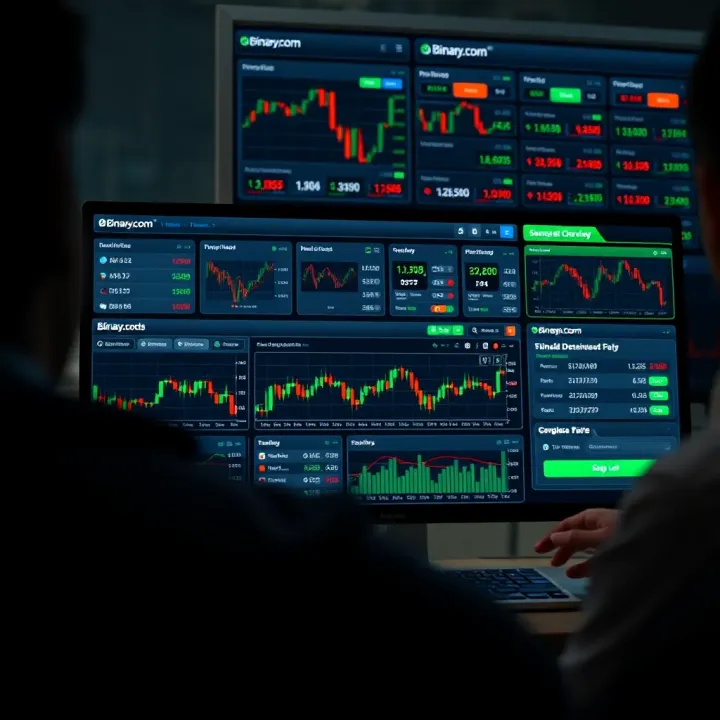
Explore Binary.com trading in Nigeria 🇳🇬: setup, security tips, and trading types. Get ready to trade smarter with practical advice and insights! 💼📊

Discover how traders trust shapes business in Nigeria 🛒. Learn key tips to build loyalty, keep your reputation strong, and survive market challenges with confidence 🔑.

📈 Discover how CFD trading lets Nigerian investors profit from market moves without buying assets. Learn benefits, risks, and smart strategies to grow your ₦ safely.
Based on 8 reviews