

Forex Trading for Beginners in Nigeria
📈 Learn forex trading basics tailored for Nigerians 🇳🇬, covering market terms, local strategies, and how to trade safely in Nigeria's ₦ financial scene.
Edited By
Emily Grant
Forex trading has become a popular way for Nigerians to diversify income, but understanding how it works in different African markets can sharpen your approach. South Africa stands out with its more advanced financial infrastructure and regulated forex environment, offering valuable lessons for Nigerian traders.
Unlike Nigeria's largely unregulated forex landscape, South Africa's forex market operates under the watchful eye of the Financial Sector Conduct Authority (FSCA). This regulatory framework ensures transparency and protects traders from shady brokers—something Nigerian traders should consider carefully when choosing platforms.
In South Africa, brokers like IG, HotForex, and easyMarkets are well-established, offering diverse currency pairs, commodities, and CFDs with reliable customer support. Nigerian traders can take cues from these platforms' emphasis on clear terms, low spreads, and efficient withdrawals—areas where many local brokers sometimes fall short.
South African forex traders enjoy better safeguards and clearer regulations, a standard Nigerian traders should demand to avoid losses from scams or unlicensed brokers.
Operating on platforms such as MetaTrader 4 and 5 is common in both countries, but South African traders also benefit from platforms that integrate local banking systems seamlessly, improving deposit and withdrawal speed.
For Nigerian traders aiming to enter forex safely, understanding South Africa's market structure helps identify credible brokers, understand market timings, and learn risk management strategies tailored to African economies. For instance, while volatility can hurt in Nigeria due to exchange rate fluctuations and inconsistent power supply, South African traders often use stop-loss orders and leverage limits effectively to manage such risks.
Key takeaways for Nigerian traders from South Africa's forex scene include:
Prioritising brokers regulated by authorities like FSCA or CBN.
Choosing trading platforms with transparent fee structures and strong user feedback.
Adopting risk mitigation strategies such as diversification and limited leverage.
Understanding local market hours to maximise trading opportunities.
Grasping these essentials equips Nigerian traders to navigate forex wisely, avoid pitfalls, and build sustainable trading practices. This guide will explore these topics in detail to help you trade forex confidently, with lessons drawn from South Africa's developed approach.
Understanding the landscape of forex trading in South Africa is key for Nigerian traders aiming to expand or diversify their trading activities outside the local environment. South Africa hosts one of the continent’s largest and most established forex markets. Knowledge of its structure, key players, and trading volumes helps Nigerian traders identify opportunities, manage risks, and adopt best practices relevant to their context.
South Africa's forex market serves as a vital hub for African currency trading with robust liquidity and a relatively mature infrastructure. It operates both through the Over-the-Counter (OTC) model and regulated exchanges. Banks, financial institutions, brokers, and individual traders contribute to a market that handles average daily volumes of about US$50 billion, a figure that surpasses most African countries significantly.
For example, the Johannesburg Stock Exchange (JSE), though primarily an equities platform, indirectly supports forex activities through currency derivatives and futures contracts. This interconnectedness creates multiple entry points for traders, making it easier to engage with global currency pairs while still reflecting African economic dynamics.
Major South African banks like Standard Bank and FirstRand act as prime dealers in forex, providing liquidity and pricing for both institutional and retail traders. Alongside banks are licensed brokers such as IG Markets and HotForex, which offer access to international forex markets tailored to local traders.
The trading volume in South Africa is heavily skewed towards the US Dollar (USD), Euro (EUR), and British Pound (GBP), but emerging interest in African currencies like the Nigerian Naira (NGN) and South African Rand (ZAR) is growing steadily. This trend offers Nigerian traders a chance to explore cross-border currency pairs with familiar local currency exposure.
The South African forex market combines global accessibility with local market nuances, offering Nigerian traders a practical model to benchmark their trading activities against.
By grasping the market’s structure and players, Nigerian traders can better appreciate the risks and opportunities beyond their immediate environment. This awareness improves decision-making around broker selection, trading times, and currency pairs to focus on, which can translate to more profitable and safer trading experiences.
The regulatory environment is a cornerstone that ensures transparency and trust in South Africa's forex market. For Nigerian traders looking to venture into South African forex trading, understanding these regulations is vital. They offer protection against fraud, set clear operational standards for brokers, and promote market stability. Without such oversight, traders risk dealing with unscrupulous brokers or facing unexpected regulatory hurdles.
The Financial Sector Conduct Authority (FSCA) stands as the primary regulatory body overseeing forex trading in South Africa. Its responsibility is to supervise financial institutions, including forex brokers, to make sure they comply with established rules. For example, the FSCA enforces practices that prevent market manipulations and ensures brokers uphold fair trading conditions. This authority helps keep the playing field level for traders, providing confidence that their investments are safeguarded under robust regulatory standards.
Beyond enforcement, the FSCA offers guidance to market participants through regular updates and warnings about emerging risks. Nigerian traders should watch out for FSCA-approved brokers, as these meet South Africa’s regulatory requirements, enhancing safety and trust.
Only use FSCA-licensed brokers when trading in South Africa to avoid exposure to scams and unregulated practices.
Broker licensing under the FSCA is non-negotiable for any forex service provider operating in South Africa. To gain licencing, brokers must prove they have enough capital, maintain proper client funds segregation, and follow anti-money laundering (AML) rules. Compliance includes regular auditing and transparent record-keeping.
For instance, brokers like IG or HotForex hold valid FSCA licences, making them reliable options for Nigerian traders interested in South African markets. These brokers provide clear contract terms, adhere to leverage restrictions, and implement risk management controls, reflecting FSCA’s regulatory framework.
Moreover, compliance means brokers must provide adequate disclosures about risks involved and resolve client complaints swiftly. It ensures Nigerian traders don’t just trade with brokers who coerce high-risk behaviours without accountability.
In summary, the FSCA’s regulatory framework protects traders, enforces broker accountability, and maintains market integrity. Nigerian traders should prioritise dealing with licensed brokers to enjoy these benefits and avoid costly pitfalls when exploring South African forex trading opportunities.
South Africa's forex market draws a wide range of traders thanks to its developed infrastructure and strong regulatory framework. For Nigerian traders looking to gain insights or even trade on platforms popular in South Africa, understanding the brokers and trading tools used there is vital. The choice of broker and platform shapes your trading experience—reliability, costs, and available tools directly impact your ability to trade profitably.
Several brokers enjoy solid reputations among South African traders for their trustworthiness and features. Foremost among them is HotForex, well known for its transparent operations and wide selection of currency pairs. HotForex offers flexible account types catering to beginners and high-volume traders alike.
IG Group is another key player, regulated by both South African and international authorities, giving traders confidence in fund security and compliance. IG provides access to global markets beyond forex, including indices and commodities, which appeals to traders seeking diversification.
Local broker ThinkMarkets also stands out with low spreads and fast execution speeds, making it popular for scalpers and short-term traders. Many South African traders cite ThinkMarkets' customer service and education resources as additional benefits.
These brokers reflect what Nigerian traders should look for: strong regulation, transparent fees, and robust trading conditions.
Leading platforms in South Africa provide not just trade execution but a suite of tools to enhance decision-making. Most brokers offer MetaTrader 4 (MT4) and MetaTrader 5 (MT5), renowned for their charting tools, technical indicators, and algorithmic trading capabilities. These platforms allow traders to run custom strategies and EAs (Expert Advisors) seamlessly.
In addition, brokers like IG offer proprietary platforms with integrated news feeds, economic calendars, and risk management tools. This integration helps traders stay updated on events that could impact currencies, such as changes in the South African Reserve Bank’s policies.
Mobile trading apps are also common, enabling flexibility for traders constantly on the move—particularly important in cities like Johannesburg or Cape Town, where commuting can take hours, similar to Lagos or Abuja.
Top platforms incorporate risk management features such as stop-loss, take-profit orders, and negative balance protection. These options are critical to safeguarding capital amid volatile forex markets.
Choosing the right broker and platform with relevant features is essential. It not only affects your access to market opportunities but also your ability to manage risks and implement strategies effectively.
For Nigerian traders looking to adopt practices from South Africa, focusing on brokers offering strong regulatory compliance, diverse tools, and mobile-friendly options will go a long way towards establishing a reliable trading routine.
South African forex traders often rely on a blend of practical strategies grounded in technical and fundamental analysis, combined with solid risk management to navigate volatile currency markets. For Nigerian traders looking to sharpen their approach, understanding these strategies offers insight into how to adapt methods proven under similar emerging market conditions.
Technical analysis forms the backbone of many traders’ decision-making in South Africa. It involves studying historical price charts to spot patterns and trends that predict future movements. Common tools include candlestick charts, moving averages, and Relative Strength Index (RSI). For instance, a trader might note a repeated ‘double bottom’ pattern on the USD/ZAR currency pair signaling a potential upward reversal. This approach helps traders enter and exit positions based on price signals rather than speculation alone.
Using chart reading, South African traders often employ short-term strategies like day trading or scalping, capitalising on small price fluctuations. Nigerian traders could similarly monitor key resistance and support levels, enabling more precise timing for trades. However, sharp market swings typical in emerging economies like Nigeria and South Africa call for vigilance to avoid false breakouts.
While technical analysis focuses on price data, fundamental analysis digs into economic and political factors affecting currencies. South African traders keep close tabs on indicators such as interest rates set by the South African Reserve Bank, trade balances, and changes in commodity prices like gold and platinum, which heavily influence the rand.
Similarly, Nigerian traders should watch CBN policies, oil prices, and GDP growth figures closely, as these elements sway the naira’s value. For example, a surprise hike in interest rates by the Reserve Bank could strengthen the rand, prompting traders to adjust positions accordingly. Fundamental analysis enables traders to anticipate major shifts rather than just react.
No trading strategy is complete without effective risk management, and South African traders take this seriously given the market’s fluctuations. Key practices include setting stop-loss orders to limit potential losses, diversifying trading portfolios, and never risking more than a small percentage of trading capital on a single trade — often around 1-2%.
For Nigerian traders, who face a similarly unpredictable economic environment, adopting disciplined risk management is vital. Incorporating tools like trailing stops and regularly reviewing performance helps shield traders from significant setbacks. Moreover, mental readiness to accept losses as part of trading ensures long-term resilience.
Consistent success in forex trading comes down to balancing clear strategies with sound risk control — lessons South African traders demonstrate clearly for their Nigerian counterparts.
By learning these trading strategies and tailoring them to the peculiarities of the Nigerian market, traders can enhance their chance of making steady profits while controlling exposure to sudden shifts. This practical combination remains essential whether trading rand, naira, or other African currencies.
Connecting Nigeria's fast-growing forex community with the more matured South African market offers real benefits. Understanding South Africa's regulatory framework, trading techniques, and economic risk management can sharpen Nigerian traders' skills and decision-making. This section highlights practical lessons drawn from South Africa’s forex environment, focusing on navigating regulations, adopting effective methods, and handling volatility.
South Africa's forex market is primarily overseen by the Financial Sector Conduct Authority (FSCA), which imposes strict controls on brokers and trading practices. Meanwhile, Nigerian traders operate under the oversight of the Securities and Exchange Commission (SEC) and the Central Bank of Nigeria (CBN), whose rules differ in scope and enforcement. Nigerian traders can learn from South Africa’s clearer broker licensing criteria and investor protections. For instance, South African brokers must maintain sufficient capital and provide transparent reporting, reducing fraud risks. Nigerian traders should pay close attention to the regulatory status of their brokers, ensuring they are registered with SEC or CBN, to protect their funds and data.
South African traders often combine technical and fundamental analysis directly influenced by local economic events—like shifts in commodity prices or political changes—into their strategies. Nigerian traders can adapt this by integrating macroeconomic indicators such as oil price fluctuations or CBN monetary policy changes into their decision making. Moreover, South African traders tend to use trading platforms that offer advanced charting tools and risk management options, which Nigerian traders should explore. For example, leveraging features from brokers like IG South Africa or Plus500, which provide live news feeds and detailed analytics, helps in making quick, informed moves. Developing a balanced approach with strong stop-loss orders and profit targets is another practice worth adopting.
The South African rand (ZAR) is known for its volatility, largely due to its exposure to global commodity prices and political shifts. Nigerian traders can study how South African traders hedge against such volatility using diversified currency pairs and by adjusting positions based on market sentiment. This is particularly relevant for Nigerian traders exposed to the naira's fluctuations amid external shocks like fuel subsidy changes or import costs. Practical approaches include allocating capital to both stable currencies (like the US dollar) and volatile pairs, plus using technical indicators to exit trades early during turbulent times. Such vigilance helps safeguard portfolios against sudden market moves and preserves capital.
South Africa’s forex experience highlights the value of understanding the regulatory environment, blending technical and fundamental strategies, and actively managing currency risks—lessons that Nigerian traders can put into practice to trade more safely and profitably.
In summary, Nigerian traders benefit by observing South African market standards and trading behaviours while tailoring strategies to Nigeria's economic realities. This practical cross-learning can create more resilient trading habits and better risk controls that improve long-term success.
Adopting practical measures inspired by South African forex trading habits can greatly improve your outcomes as a Nigerian trader. South Africa’s market is well-regulated and competitive, which pushes traders to be disciplined and strategic. Nigerian traders, who often face challenges like fluctuating exchange rates and regulatory nuances, can benefit from these tested approaches.
Starting with the right broker is crucial. South African traders prefer brokers registered with the Financial Sector Conduct Authority (FSCA), ensuring transparency and security. Nigerian traders should prioritise brokers who are licensed either locally or internationally with strong reputations, like IG Group, Pepperstone, or Exness. Platforms must offer stable connectivity, competitive spreads, and quick execution speeds—a poorly performing platform can cost you dearly in volatile markets.
Look out for brokers that provide robust educational resources and responsive customer support. For example, a South African trader might value the MT4 or MT5 terminals supported by brokers with local offices, making fund transfers and dispute resolution faster. Nigerian traders should check that platforms support NGN transactions or popular payment methods such as bank transfers and USSD codes.
One mistake many new traders make is expecting overnight riches. South African traders often set achievable monthly or quarterly profit goals, monitoring their performance carefully. Nigerian traders should similarly consider realistic targets based on their capital and market conditions.
For instance, aiming for 3–5% profit monthly is manageable, given market volatility. Managing expectations also involves focusing on long-term gains rather than short bursts of success. The forex scene is unpredictable; being prepared for losses and learning from them is part of building competence.
"Trading success is more marathon than sprint. South African traders often remind themselves to stay patient and consistent rather than chasing quick wins."
South African traders thrive by sticking to disciplined routines, often starting their trading day by reviewing global economic news and adjusting strategies accordingly. Nigerian traders can incorporate such habits to become more adaptive. A resilient routine would involve planning trades, setting stop-loss orders, and journaling trades for review.
For example, some South African traders avoid trading during illiquid hours, a practice Nigerian traders can borrow to reduce risk. Also, regularly reviewing one’s trades to spot patterns of success or mistakes is common practice in South Africa. This habit not only improves skill but builds mental toughness essential for the ups and downs of forex.
Implementing routines that respect local realities, such as power outages or network fluctuations, is vital. If you use a generator for your computer, factor in fuel and maintenance costs as part of your trading budget.
Together, these practical tips inspired by South African forex traders help Nigerian traders not just survive but build sustainable success in the forex market.
📈 Learn forex trading basics tailored for Nigerians 🇳🇬, covering market terms, local strategies, and how to trade safely in Nigeria's ₦ financial scene.
Choose the right Forex broker in Nigeria 🇳🇬 by understanding regulations, fees, platforms, and support to trade confidently and safely in the currency market 📈.
Explore how Nigerian investors can benefit from forex trading 🌍 with 24/7 access, strong liquidity, and smart risk management for steady profits 📈.
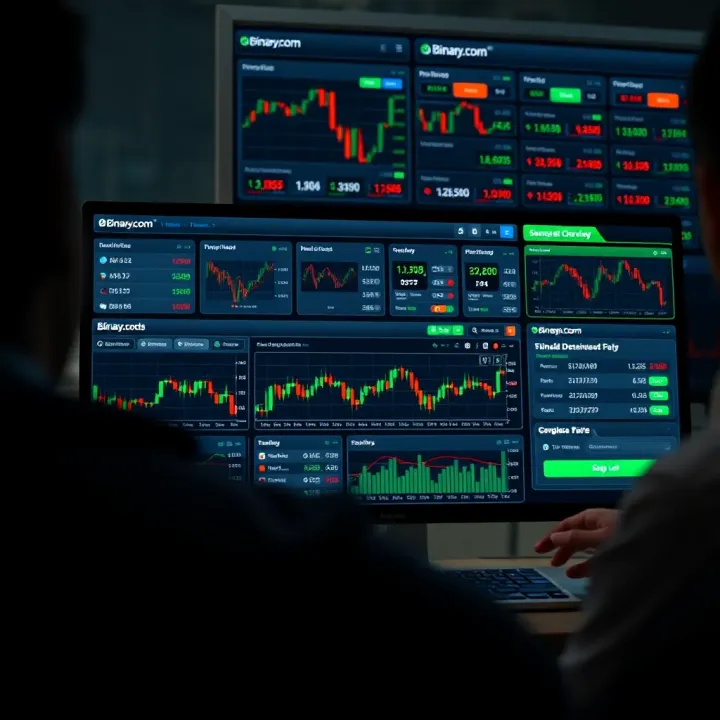
Explore Binary.com trading in Nigeria 🇳🇬: setup, security tips, and trading types. Get ready to trade smarter with practical advice and insights! 💼📊
Based on 14 reviews