
Understanding Binary.com for Nigerian Traders
Explore Binary.com trading in Nigeria 🇳🇬: setup, security tips, and trading types. Get ready to trade smarter with practical advice and insights! 💼📊
Edited By
Isabella Gray
OlympTrade has become a go-to platform for Nigerians interested in online trading, thanks to its user-friendly design and accessible features. Whether you're a beginner or someone with a bit of trading experience, understanding how OlympTrade works can help you decide if it fits your investment style.
The platform offers a variety of trading options, including forex, stocks, commodities, and cryptocurrencies. This variety allows Nigerian traders to diversify their portfolios and seize opportunities in different markets without moving funds across multiple platforms.

One key attraction for Nigerian users is that OlympTrade supports transactions in naira, eliminating the usual hassle with currency conversions. Deposits and withdrawals can be made through popular Nigerian e-payment methods like Paystack, Flutterwave, and local bank transfers, making it fairly straightforward to fund your account or cash out profits.
Getting started requires a simple registration process. After signing up with your email and verifying your identity, you gain access to a demo account. This feature is quite handy for practising your strategies without risking real money. Once confident, you can switch to live trading and start with as little as ₦5000, which suits Nigerians who prefer starting small before scaling up.
However, the nature of online trading means risks are always present. Market volatility, unexpected price swings, and leverage can lead to significant losses if you're not careful. It's crucial to approach OlympTrade with a clear risk management plan and avoid chasing quick profits.
For Nigerian traders, understanding the platform’s tools and practising on the demo account can significantly improve your chances of success.
In this guide, you'll find practical insights into OlympTrade’s features, payment options, registration steps, and the legal considerations every Nigerian trader should keep in mind. Whether you’re looking for side income or aiming to build a trading career, knowing these basics will set you on the right path.
It helps to start with a clear picture of what OlympTrade is and why it matters for Nigerian traders. This section lays the groundwork for understanding how the platform works, what makes it accessible locally, and why many Nigerians are turning to it amid forex volatility and limited stock market options.
OlympTrade is an online trading platform offering access to a variety of financial markets via digital options and forex trading. Unlike traditional stockbroking platforms, OlympTrade allows users to trade on price movements of assets without owning them directly. This feature appeals to many Nigerians hoping to earn from short-term market fluctuations without hefty capital investment. The platform is web-based and supports both desktop and mobile access, making it convenient for traders across Nigeria’s cities and even rural areas.
OlympTrade has gained traction in Nigeria partly because it offers low entry requirements — traders can start with deposits as small as ₦5,000. The accessibility of the platform, plus educational resources like demo accounts and tutorial videos, makes it attractive for beginners and professionals alike. Furthermore, Nigeria’s youth population hungry for alternative income streams finds OlympTrade appealing, especially as the naira’s fluctuation pushes more people to seek dollar-earning opportunities online. For example, some Lagos-based freelancers supplement their incomes through OlympTrade while working remotely.
On OlympTrade, traders can choose from several market options, including:
Forex pairs: Major currencies like USD/EUR, GBP/USD, and emerging pairs involving NGN against major currencies.
Commodities: Gold, silver, oil prices, which resonate with Nigeria’s natural resource economy.
Stocks and indices: Shares from global companies and stock indices like the S&P 500, relevant for investors wanting exposure beyond the Nigerian Exchange Limited (NGX).
Each market category allows traders to apply different strategies depending on their risk appetite and market knowledge. This variety broadens Nigerians’ trading horizons beyond local assets, providing chances to profit from international price movements.
Understanding these basics helps Nigerian traders decide if OlympTrade fits their financial goals and trading style. Knowing what the platform offers and how it matches Nigerian realities such as the cost of data, power outages, and currency risks is key before making any investment.
The next sections will guide you through registration, funding, and how to navigate the platform efficiently, ensuring that you are well-equipped to trade confidently.
Knowing how to register and navigate OlympTrade is essential for any Nigerian trader keen to explore online trading confidently. Proper registration and understanding of the platform ensure you avoid common pitfalls like fake accounts or transaction errors. Also, clear steps help you get started faster without waiting on long support queues.
To start, visit the official OlympTrade website or download their mobile app. On the homepage, click the Sign Up button. You'll need to provide a valid email address or phone number and create a secure password. For example, a trader from Lagos might use their mobile number to simplify verification later. Next, input your full name and select your country as Nigeria. After that, confirm your registration through a verification code sent via SMS or email.
This straightforward process allows you to set up an account quickly, often within minutes. But remember, never share your login details with others to keep your account safe.
After registration, OlympTrade requires identity verification to comply with global trading regulations and to protect your investments. You will need to submit a government-issued ID such as a Nigerian National Identity Number (NIN) card, driver's licence, or passport. Also, a recent utility bill or bank statement may be requested to confirm your address.
Proper verification unlocks full access, including higher deposit limits and withdrawal options. For instance, a trader who skips verification might only deposit ₦10,000 daily, but a verified account can transact faster and with higher amounts.
OlympTrade usually completes verification within 24 to 48 hours. Be prepared to upload legible, clear pictures of your documents.
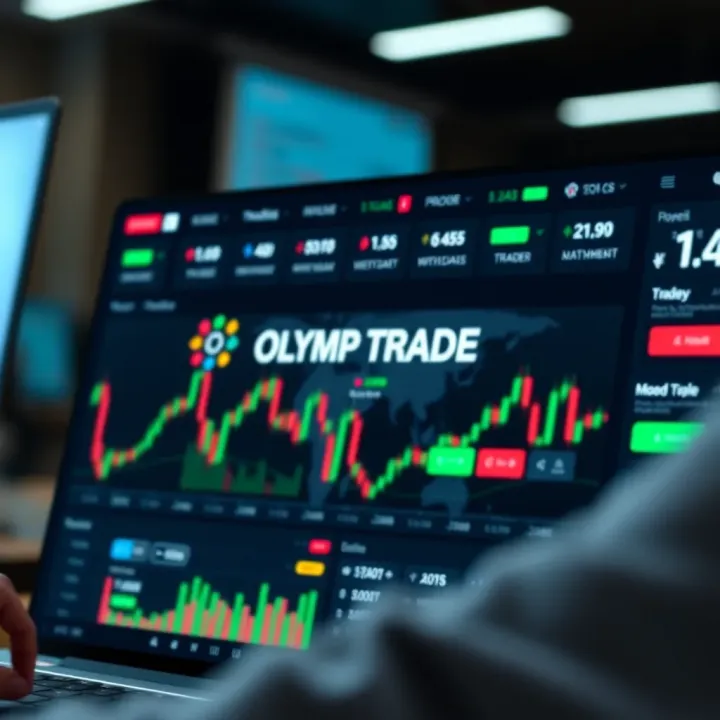
Once your account is set up, the platform’s user-friendly interface guides you through trading options. The dashboard typically shows live market charts, your account balance, and open trades.
For beginners, OlympTrade offers tutorial sections and demo accounts to practise without risking real money. Imagine a new trader wanting to try forex trades on the platform; they can use the demo to familiarise with currency pairs like USD/NGN before trading live.
On the dashboard, you can select markets, set trade amounts in naira, and choose expiry times. The platform also allows you to set stop-loss limits to protect your capital. Navigating menus can be done on desktop or mobile app versions, tailored especially for Nigerian users who depend heavily on mobile devices due to power and connectivity challenges.
Starting right with registration, verification, and platform familiarization greatly improves your trading experience and reduces risk. It also helps you focus more on developing strategies than wrestling with technical hurdles.
Understanding these steps ensures you get the most from OlympTrade’s offerings as a Nigerian trader, making your investment experience smoother and more secure.
Trading effectively on OlympTrade relies heavily on understanding the options available and adopting strategies suited to your goals and risk appetite. This section focuses on key types of trades, strategies popular among Nigerian users, and ways to manage risks effectively.
OlympTrade offers two main trading forms: digital options and Forex trading. Digital options are contracts based on whether the price of an asset will rise or fall within a fixed time frame, typically ranging from one minute to several hours. For example, a Nigerian trader might predict that the price of Brent crude oil will rise in the next 15 minutes, placing a digital call option accordingly. Success means earning a fixed profit percentage, while failure results in losing the invested amount.
Forex trading, on the other hand, involves buying and selling currency pairs, such as USD/NGN or EUR/USD, aiming to profit from changes in exchange rates. Unlike digital options, Forex trades on OlympTrade can be held open indefinitely, allowing traders to capitalise on longer-term market movements.
Nigerian traders often combine several strategies depending on market conditions. Trend-following is common, where traders identify an asset’s general price direction—upward or downward—and place trades accordingly. For instance, if the NGX All-Share Index has been rising steadily, a trader might enter a long position to ride the momentum.
Another popular method is the ‘news trading’ strategy. Nigerians closely follow economic reports, like the CBN policy rate announcements or naira exchange rate changes, using these events to predict short-term market moves. Quick reactions to these events can yield profits but require sharp judgment and fast execution.
Scalping is also favoured by active traders. This involves making multiple short-duration trades, aiming to capture small price movements. It demands attentiveness and quick decision-making, ideal for traders who can monitor markets severally during trading hours.
Risk management is vital given the volatile nature of online trading. Setting stop-loss limits helps protect your capital by automatically closing a trade once losses reach a pre-set level. For example, if you trade USD/NGN expecting appreciation but the currency falls beyond your comfort zone, a stop-loss will exit the trade to prevent further losses.
In addition to stop-loss, never risk more than 1–2% of your total trading capital on a single trade. This approach ensures survival through losing streaks. Diversifying your trades across different assets—like forex, commodities, or indices—also spreads risk.
Effective risk control is not about avoiding losses altogether, but managing them so you can trade another day and build profits steadily.
By combining clear strategies with sound risk management, Nigerian traders can increase their chances of success on OlympTrade while protecting their funds against unexpected market swings.
Funding your OlympTrade account and successfully withdrawing profits are key steps for Nigerian traders to actively participate and benefit from the platform. Without a reliable and straightforward payment process, it becomes difficult to maximise trading opportunities or access your earnings when you need them. This section explains the available payment methods, how to deposit in Nigerian Naira, and common withdrawal challenges faced by Nigerian users.
Nigerian traders can fund their OlympTrade accounts through several popular options tailored to local preferences. The most common methods include:
Bank Transfer: Direct transfers from Nigerian banks such as GTBank, Zenith Bank, and Access Bank are supported for both deposits and withdrawals. This option is convenient for users with active bank accounts and online banking access.
Debit and Credit Cards: Visa and Mastercard issued by Nigerian banks can be used for instant deposits. However, usage may depend on the card issuer’s policies regarding online foreign transactions.
E-Wallets: Platforms like OPay, PalmPay, and Payoneer provide faster deposits and withdrawals without involving banks directly. These digital wallets are gaining traction, particularly among younger traders.
USSD: Some payment options also include USSD codes from popular Nigerian telecoms, although this method is more common for deposits than withdrawals.
The flexibility in payment methods makes it easier for Nigerian traders to start trading without delays caused by banking infrastructure limitations.
Depositing funds in Nigerian Naira (₦) on OlympTrade is straightforward but requires attention to avoid unnecessary currency conversion fees. When funding your account:
Login to your OlympTrade dashboard and select the 'Deposit' option.
Choose Nigerian Naira as your preferred currency to avoid automatic conversion charges.
Select your preferred payment method among bank cards, bank transfer, or e-wallets.
Enter the amount you want to deposit and follow the prompts to complete the transaction.
For instance, if you choose to deposit ₦50,000 via GTBank Internet Banking, you will be redirected to complete the payment securely on GTBank’s platform. The deposited amount usually reflects in your OlympTrade account balance within minutes.
Withdrawing profits from OlympTrade involves a few steps that Nigerian traders should understand to avoid common delays or complications:
Initiate Withdrawal: Traders request withdrawal by specifying the amount and preferred withdrawal method, usually the same method used for deposit.
Verification: OlympTrade may require identity verification before processing withdrawals to prevent fraud. Verification documents include government-issued ID and proof of payment.
Processing Time: Withdrawals can take between 1 to 5 business days depending on the method and bank processing times.
Common challenges Nigerians face include delays due to strict banking regulations, identification mismatches, or occasional issues with international payment methods. Traders should ensure their OlympTrade account details match their bank or e-wallet details exactly to avoid rejected withdrawal requests.
Always double-check your withdrawal details and keep records of transactions to swiftly resolve any issues with customer support.
By understanding these payment methods and processes, Nigerian traders can reliably fund their OlympTrade accounts and access profits with minimal inconvenience, enhancing their overall trading experience.
When trading on OlympTrade or similar platforms, Nigerian traders should pay serious attention to the legal and regulatory landscape. This area shapes the safety of your funds and ensures the platform operates within Nigerian law. Without clear regulation, traders risk falling victim to scams or losing money due to unfair practices.
The Securities and Exchange Commission (SEC) Nigeria regulates the nation's capital markets but has yet to fully supervise international online trading platforms like OlympTrade. As a result, many such platforms operate in a grey zone, often without local licences. Though traders can access OlympTrade from Nigeria, the absence of local regulation means users have limited legal protection and cannot easily seek redress through Nigerian law if problems arise.
This regulatory gap has prompted the SEC to issue public warnings about unregistered platforms, urging Nigerians to trade with caution. Despite this, the appetite for online trading remains strong, especially among youth and entrepreneurs looking to diversify income streams. As such, understanding the legal limits is necessary before committing funds.
Using unregulated brokers can expose traders to several dangers. For instance, unregulated platforms may delay or deny withdrawals without justification. Some may even freeze accounts if they suspect a client is profiting too much or attempt to manipulate prices against traders. These practices have cost Nigerian traders millions, with cases reported where clients lost ₦1 million or more overnight due to platform loopholes.
Beyond financial risk, unregulated brokers pose data security concerns. Without oversight, they might misuse personal information or fall short of cybersecurity standards. This increases threats like identity theft or fraud, especially when sensitive details like bank account numbers or BVN (Bank Verification Number) get involved.
To safeguard your trading interests, consider the following steps:
Check for regulation: Only trade with platforms regulated by credible bodies such as the SEC Nigeria or internationally respected authorities like the Financial Conduct Authority (FCA) in the UK.
Verify company information: Research the broker’s registration details, physical office locations, and contact options. Beware of platforms with vague or unverifiable data.
Start small: Use demo accounts or deposit modest amounts initially to test the platform’s reliability.
Secure your data: Use strong passwords and avoid sharing login details. Confirm the site uses HTTPS to protect your information.
Seek community feedback: Nigerian trader forums and review sites often share real experiences with platforms, helping you spot risks early.
Nigerian regulators continue to work on closing gaps in online trading supervision, but traders must act responsibly by vetting brokers carefully before investing.
Being aware of these legal and regulatory factors will help you navigate OlympTrade and similar platforms safely, protecting your investments and personal data.
Explore Binary.com trading in Nigeria 🇳🇬: setup, security tips, and trading types. Get ready to trade smarter with practical advice and insights! 💼📊

Discover how traders trust shapes business in Nigeria 🛒. Learn key tips to build loyalty, keep your reputation strong, and survive market challenges with confidence 🔑.

📈 Discover how broker sites connect Nigerian traders to stocks, forex, and commodities. Learn key features, regulations, and tips for safe, effective investing today.
Explore Maven Prop Firm for Nigerian traders—learn its funding, evaluation, trading rules, and how it suits your style amid local market challenges 🇳🇬📈💼
Based on 12 reviews