
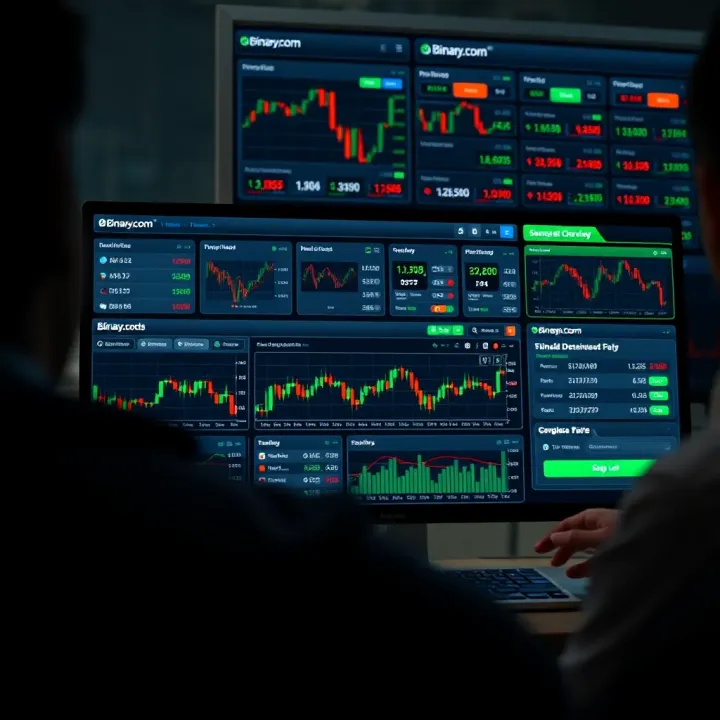
Understanding Binary.com for Nigerian Traders
Explore Binary.com trading in Nigeria 🇳🇬: setup, security tips, and trading types. Get ready to trade smarter with practical advice and insights! 💼📊
Edited By
Edward Collins
Trust among traders forms the backbone of Nigeria’s bustling commerce. Without it, exchanges stall and businesses struggle to thrive in towns from Oshogbo to Port Harcourt. Understanding how traders trust one another provides Nigerian entrepreneurs with tools to build stronger partnerships and customer loyalty.
What is traders trust? Simply put, it’s the confidence sellers and buyers place in each other to act honestly and fairly during transactions. This trust goes beyond written contracts; it’s built on reputation, consistent behaviour, and mutual respect. For instance, a mama put in Lagos who always delivers fresh goods on time gains customers who keep coming back even when cheaper options appear.

A trader’s reputation in the marketplace can be their strongest currency, affecting not just sales but long-term survival.
Transparency in Pricing and Quality: Nigerian buyers are savvy; they quickly spot when prices are inflated or goods fall below expected standards. Traders who clearly state costs and maintain consistent quality command more trust.
Consistent Communication: Traders who keep their customers informed about stock, delivery times, or potential delays build reliability that encourages repeat business.
Prompt Problem Resolution: Mistakes happen. A trader who promptly offers solutions, refunds, or replacements demonstrates accountability, boosting trust.
Fair Negotiation Practices: Especially in markets like Balogun or Ariaria, where bargaining is the norm, fairness during price discussions can create goodwill.
Engage in Courteous Interactions: Polite greetings, patience during negotiations, and respectful behaviour foster positive rapport.
Maintain Consistency: Deliver goods and services as promised. Delivering late or changing terms often damages trust more than an occasional small error.
Leverage Social Proof: Encouraging satisfied customers to share their experiences, be it through word-of-mouth or social media, helps build a trustworthy brand image.
Understand Cultural Nuances: Nigeria’s diverse market cultures require adapting communication and service styles appropriately to local expectations.
Traders who focus on these aspects gain an edge in Nigeria’s competitive business environment. Trust isn't just a feel-good concept but a powerful business asset that can drive sales, brand reputation, and long-term growth.
Defining traders trust in Nigeria’s market is essential to understanding how business relationships thrive here. In a business environment where formal contracts might not always be enforceable quickly, trust often acts as the glue holding transactions together. When traders trust each other, transactions happen smoothly, disputes reduce, and trade volumes grow. For example, a wholesaler in Lagos who consistently delivers authentic goods on time builds a reputation that encourages retailers in neighbouring states to do business with them repeatedly.
Trust forms the very base of trade relationships in Nigeria. Without it, merchants hesitate to extend credit or engage in bulk deals. For instance, many small suppliers in markets such as Onitsha or Aba rely on trust-based arrangements to sell goods on credit to retailers. If trust fails, the whole chain breaks and money changes hands less frequently, which slows down market activity.
More practically, trust reduces the need for excessive guarantees or upfront payments. When a trader is known to be trustworthy, colleagues feel comfortable dealing without complicated paperwork or long negotiations. This saves time and money for all involved parties.
Reliability means fulfilling promises—delivering the right quantity and quality of products as agreed. When a trader guarantees to supply 1,000 packets of rice, customers expect exactly that, not short deliveries or substandard items. Honest communication also matters; if there’s a delay caused by transportation issues, updating customers keeps trust intact.
These expectations manage risks in everyday trade. For example, a retailer who regularly buys from the same supplier expects invoices with clear pricing and no hidden costs. Failure to meet these expectations can quickly damage reputation, as Nigerian markets are tightly knit communities where word of mouth spreads fast.
Local customs shape how trust is built. In many Nigerian markets, face-to-face communication plays a huge role. Traders often exchange pleasantries, quick stories about family, or even shared meals. These interactions go beyond transactions and foster a sense of personal connection.
Further, Nigerians often use proverbs or sayings to signal values like honesty and fairness. For example, a trader might say, “A man who deceives is like a thief in daylight,” to assure partners of integrity. Such cultural codes influence expectations and behaviour in trade.
Informal networks — including family connections, ethnic ties, and local associations — play a significant role in establishing trust. Traders often rely on referrals and recommendations from known contacts when choosing new partners. For example, a baker in Kano might trust suppliers introduced by trusted friends within the same community.
These networks also help resolve disputes quickly without involving formal courts, which can be slow and expensive. Trusted elders or association leaders act as mediators, keeping relationships intact. This system maintains market stability and encourages new entrants who can navigate local networks.
In essence, traders trust is not just about business transactions but is deeply woven into Nigeria’s social fabric, shaping how commerce functions daily.
Building trust helps reduce transaction costs and encourages repeat business.
Reliable and honest behaviour creates confidence in trading partners.
Cultural practices and communication styles play vital roles in nurturing trust.
Informal networks provide a safety net for business relationships.
Through understanding these dynamics, Nigerian business people can better navigate market challenges and grow their enterprises successfully.

In the Nigerian business environment, trust between traders provides a solid backbone for smooth transactions and long-lasting partnerships. Without the right elements, mistrust can easily creep in, damaging relationships and leading to losses. The key aspects that build and sustain this trust include transparency, consistency, quality, and personal rapport.
Clear pricing and product information are fundamental. Traders who openly share prices without hidden fees or confusing terms create a straightforward buying experience. For example, a salon owner who posts a clear price list for services like haircuts, braiding, and treatments gains customer confidence. Customers hate unexpected costs, which often cause suspicion and reluctance to return.
Honouring agreements and deadlines is equally vital. When traders commit to delivery dates or payment terms, sticking to these promises matters. Take a supplier of fresh farm produce in Lagos: if they promise delivery by 9 am on market day, turning up late repeatedly damages trust and could see customers switching to competitors. Meeting these commitments shows professionalism and builds reputation.
Meeting customer expectations means products or services should match descriptions and promises. For instance, a retailer selling tokunbo electronics who ensures items work perfectly and are as described will quickly build goodwill. Nigerian consumers often rely on word of mouth, so consistent quality can lead to repeat business and positive recommendations.
Handling defects and complaints professionally can turn potential trust-breakers into trust-builders. Consider a mama-put selling akara; if a customer finds an item substandard, addressing the issue with a refund or replacement without fuss shows respect. This approach often wins loyalty far beyond the immediate transaction.
Regular engagement with customers and partners keeps relationships active and trust alive. A trader who texts or calls loyal customers with updates on new stock or festive discounts stands out. Such gestures make clients feel valued rather than just sources of income.
Use of trust symbols such as recommendations and referrals plays a big role. In Nigeria, a trusted trader often grows through referrals rather than advertisements. When someone recommends your service or product, it signals reliability to potential new clients. For example, a mechanic known for fair pricing and quality work typically inherits customers through word of mouth.
Traders who prioritise clarity, reliability, quality, and people skills gain an edge in Nigeria's competitive markets. Those elements form the trust that keeps commerce thriving.
Building and sustaining trust is not a one-time effort but constant. Nigerian markets, with their unique challenges and opportunities, reward traders who integrate these elements into daily practice. The results: stronger business networks, loyal customers, and better growth prospects.
Trust between traders in Nigeria faces several hurdles that can shake confidence and disrupt business relationships. Understanding these challenges is vital for anyone involved in trade, as they directly affect market stability, customer loyalty, and overall economic health.
Prevalence of counterfeit goods is a major stumbling block in Nigerian markets. Fake products not only harm end consumers but also damage the reputation of honest traders. For instance, a seller of branded shoes may lose customers if counterfeit versions flood the market at lower prices. This creates suspicion across the board, making buyers wary of even genuine sellers. Such scenarios hurt local businesses that strive to maintain quality but get unfairly dragged down by unscrupulous players.
Payment fraud and scams further erode trust in trading relationships. With the rise of digital payment options like POS terminals and mobile money platforms, scammers often exploit weak security to dupe unsuspecting sellers or buyers. A common case involves buyers paying with fake digital receipts or reversing transactions after collecting goods. This kind of behaviour not only causes financial loss but also raises doubts about the reliability of payment channels. Traders who fall victim to such scams become more cautious, slowing down transactions and sometimes resorting to cash-only deals, which can be risky and inconvenient.
Inflation and naira volatility put significant pressure on traders' trust. When prices fluctuate wildly from day to day or the naira loses value against foreign currencies, it becomes difficult for sellers to keep pricing consistent. Customers quickly pick up on irregular pricing and may suspect dishonesty or unfair markups, even if external economic forces are at play. For example, a trader selling imported electronics might suddenly increase prices due to a weak naira, causing regular customers to question their dealings.
Supply chain disruptions leading to delays also disrupt trust. Nigeria’s reliance on imports and challenges like port congestion, fuel scarcity, or road infrastructure problems often cause stockouts or delivery delays. A retailer expecting goods next week may face unexpected wait times, frustrating buyers who expect timely service. These delays make consumers question the dependability of the trader and sometimes push them to competitors with more reliable supply chains.
Inadequate enforcement of business standards makes it hard to maintain fair competition and protect consumers. Without strong regulatory backing, some traders cut corners by selling substandard products or engaging in unfair practices. This lack of oversight encourages bad behaviour, which eventually affects everyone. Traders who operate honestly suffer as consumers grow suspicious of sellers in general, making it tougher to build lasting trust across the market.
Challenges in dispute resolution further complicate matters. When conflicts arise—be it over faulty goods, payment disagreements, or delivery issues—resolving them can take weeks or even months. The slow pace and bureaucracy involved discourage traders and customers from relying on formal channels, leading many to avoid disputes or handle them informally. This lack of effective dispute mechanisms undermines confidence in business relationships, pushing parties to adopt defensive tactics that hinder smooth trade.
Navigating these challenges requires Nigerian traders to stay vigilant, transparent, and proactive in upholding trust despite obstacles. Understanding these risks is the first step in building resilient business connections.
Vet supply sources carefully to avoid counterfeit goods
Use secure, verified payment methods
Communicate openly with customers about price changes
Manage delivery expectations realistically
Advocate for stronger regulatory oversight and faster dispute resolution
By acknowledging these hurdles and actively addressing them, Nigerian business people can protect their reputations and foster trust that encourages growth even in tough conditions.
Traders in Nigeria face a battleground of competition and customer expectations. Earning and maintaining trust is no optional extra; it is the foundation of sustainable business growth. Practical steps that focus on transparency, authenticity, and modern tools can make a big difference in building lasting relationships with customers and partners.
Avoiding hidden charges is a straightforward but often overlooked factor. Nigerian customers are wary of being shortchanged or surprised by extra fees, especially in markets where bargaining is common. When traders set clear prices without hidden extras, they build goodwill. For example, a seller at a local market who states the full cost upfront — no extra delivery fees or sudden markups — earns respect and repeat buyers. Avoiding surprises helps prevent disputes and builds steady business.
Offering clear receipts and documentation complements transparent pricing. A simple, legible receipt that details the product, price, and payment method reassures customers that transactions are legitimate. In Nigeria’s informal sectors, providing proper documentation can separate genuine traders from those with questionable practices. For businesses operating both offline and online, clear documentation aids in dispute resolution and tax compliance, reinforcing trust further.
Source verification of goods matters deeply in Nigeria, where counterfeit or substandard products are rife. Traders who verify their suppliers and can prove the authenticity of their goods gain a major trust advantage. For instance, a retailer of electronics that can show official supplier invoices or authentic serial numbers builds confidence. Customers are more likely to pay premium prices when assured of genuine quality.
Consistent quality checks ensure that the promised standards are upheld, not just occasionally but every time. It’s one thing to offer good products once; maintaining that level consistently across all sales is what builds reputation. For example, a mama put who insists on fresh ingredients and checks daily stock before cooking guarantees not just taste but cleanliness and safety. Consistent quality diminishes customer doubts and encourages loyalty.
Leveraging online reviews and social media presence is one of the most accessible ways for Nigerian traders to build trust beyond their immediate location. Positive customer feedback on platforms like Instagram, Facebook, or Jumia Nigeria boosts credibility and attracts new buyers. Traders who respond fast to inquiries and handle complaints openly show that they value their customers, turning online reputation into real sales.
Utilising secure payment methods like POS terminals and trusted fintech solutions is vital in today’s Nigerian business climate, where scams and cash shortages can scare away customers. Embracing payment options such as POS terminals, Opay, Paystack, or Flutterwave reduces transaction risks. Customers appreciate having multiple, safe payment choices, especially with naira volatility and the rising use of digital wallets. This enhances trust by offering convenience and security simultaneously.
Transparent practices, verified quality, and leveraging technology turn occasional buyers into loyal customers. Nigerian traders who master these steps position themselves not just for survival but for growth in competitive markets.
These practical steps align with Nigerian market realities and customer expectations, helping businesses establish and maintain strong trust that drives success.
Building trust among traders is a main driver for business growth in Nigeria’s competitive markets. Trust influences customer behaviour, strengthens business ties, and opens doors to financial opportunities that are often hard to come by in the Nigerian business environment. When traders earn the trust of their customers and partners, they gain loyal supporters who are more likely to transact repeatedly, even during economic shocks or market disruptions.
Trust directly guides how Nigerian buyers pick their suppliers or products. For example, a buyer in Lagos market is more likely to choose a merchant who has consistently supplied authentic goods and honoured payment terms over a flashy newcomer with uncertain credibility. Buyers tend to avoid risks associated with counterfeit products or delayed deliveries, so trusted traders enjoy a steady flow of customers. This is especially true in markets crowded with many sellers offering similar items, where reputation can be the tipping point.
Establishing trust isn't just about the first sale; it sets traders up for lasting partnerships. When customers feel confident about a trader’s reliability, they often become advocates, recommending the business to friends, family, and colleagues. This word of mouth is powerful in communities where personal connections matter a lot. Over time, trust reduces the cost of doing business by lowering customer acquisition expenses and smoothing negotiations for new deals or product launches.
In Nigerian markets like Balogun or Ariaria, where countless sellers offer almost identical goods, trust becomes a key point that sets one trader apart. Buyers may frequent the same trader not just because of price but because they believe in the quality and honesty offered. Traders who are transparent about their sourcing and keep to agreed terms create a competitive edge that can’t be matched by those cutting corners.
A trusted trader’s good name travels fast in Nigerian communities, increasing market share without the need for heavy advertisement. For instance, a small-scale manufacturer in Aba who builds trust by consistently delivering quality products on time can gain Nigerian distributors’ attention, expanding sales beyond local borders. Positive reputation also deflects negative word, helping the trader maintain business stability even in challenging times.
Financial institutions and suppliers in Nigeria often prefer to deal with traders who have proven reliability. For a trader aiming to get a loan from a bank or credit from suppliers, trustworthiness reduces perceived risk. Banks like Access Bank or GTBank are more likely to approve facilities when the trader has documented history of honest dealings, timely repayment, and transparent accounting. Similarly, suppliers may offer goods on credit to known, trustworthy traders, easing cash flow pressures.
Forming partnerships in business requires confidence that all parties will act in good faith. Trusted traders find it easier to attract collaborators who bring in capital, expertise, or access to new markets. For example, a small-scale agribusiness owner in Kaduna who has built a reputation for integrity may team up with investors or larger firms, enabling growth that would be impossible alone. Reliable partnerships also help in sharing risks and resources, strengthening resilience in an unstable economy.
Earning and maintaining trust is not just an ethical choice—it has tangible effects that improve business sustainability, market position, and financial access in Nigeria’s dynamic trade environment.
Explore Binary.com trading in Nigeria 🇳🇬: setup, security tips, and trading types. Get ready to trade smarter with practical advice and insights! 💼📊

📈 Discover how broker sites connect Nigerian traders to stocks, forex, and commodities. Learn key features, regulations, and tips for safe, effective investing today.
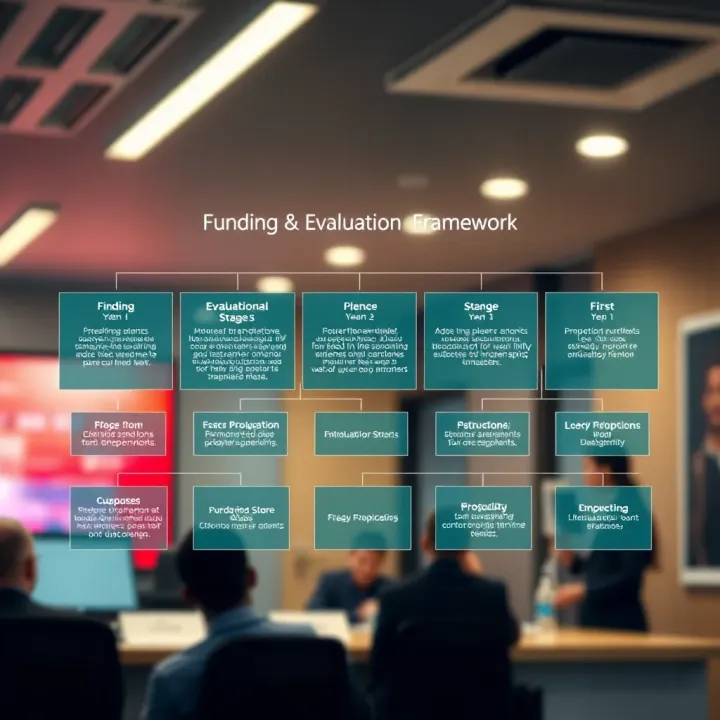
Explore Maven Prop Firm for Nigerian traders—learn its funding, evaluation, trading rules, and how it suits your style amid local market challenges 🇳🇬📈💼

City traders command Nigeria's bustling urban markets 🏙️, using smart strategies to build business empires 💼 despite challenges like power outages and danfo hustle. Discover their impact and growth opportunities in the evolving economy ₦.
Based on 8 reviews