

Understanding OlympTrade for Nigerian Traders
Explore OlympTrade's trading options, registration steps, payment methods, and risks. Perfect guide for Nigerian traders aiming to grow with smart investments 📈💰.
Edited By
Hannah Mitchell
Trading views provide traders and investors with a snapshot of market behaviour, highlighting price trends, potential resistance or support levels, and shifts in momentum. Nigerian traders can leverage these views to sharpen decision-making, especially in volatile markets where timing and insight matter. Unlike guesswork or gut feeling, trading views build on data-driven analysis that combines techniques from both technical and fundamental perspectives.
Technical analysis focuses on chart patterns, moving averages, and volume trends to identify potential entry and exit points. For instance, recognising a double bottom pattern on the NGX All-Share Index chart can signal a likely price rebound, helping investors decide when to buy. Meanwhile, fundamental analysis digs into the underlying factors affecting asset prices—such as company earnings, sector performance, or macroeconomic changes like CBN policy adjustments. Both methods complement each other well, especially when used through platforms like TradingView.
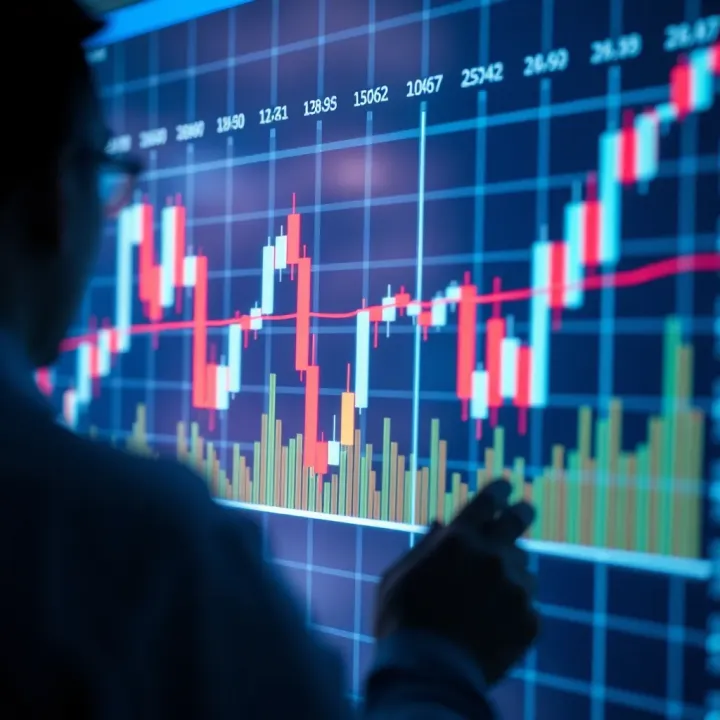
TradingView stands out for its user-friendly interface, allowing Nigerian traders to access real-time charts and customise indicators without steep learning curves. You can set alerts on price breakouts, overlay multiple technical studies, and even follow market experts who share their analyses. Such features help traders track market sentiment and spot trends early, improving the odds of profitable trades.
Consistently relying on solid trading views rather than hearsay or social media tips puts you steps ahead in navigating market swings.
To make trading views practical, focus on these key points:
Use multiple indicators: Don’t depend on a single chart tool; combine RSI, MACD, and Bollinger Bands to confirm signals.
Keep an eye on news: Macroeconomic events or company earnings announcements often trigger market moves.
Back-test strategies: Paper trade your approach first to see how it holds up under different conditions.
Manage risk: Set stop-loss orders based on your analysis to protect capital during market downturns.
By learning to interpret trading views thoughtfully, Nigerian traders can improve market timing and increase profits, even amid naira volatility and shifting economic landscapes. Ultimately, trading views are tools to help you think critically about market moves rather than react blindly.
Trading views are personal or collective interpretations about market behaviour, price movements, and potential trading opportunities. Essentially, they represent a trader’s analysis on where a particular asset—be it a stock, currency, or commodity—is headed next. Crucially, these views guide decision-making and risk management in trading activities.
At its core, a trading view is an informed opinion on market trends derived from analysing data such as charts, indicators, news, or fundamental factors. For instance, a trader might observe a consistent uptrend in a stock listed on the Nigerian Exchange (NGX) and form a bullish view, expecting further price increases. Conversely, they could see weakening economic indicators and take a bearish stance on certain sectors. The purpose of having such views is to provide clarity and direction amidst the market's noise.
Trading views directly influence whether a trader buys, sells, or holds an asset. A technical trader using Moving Averages might decide to buy if the short-term average crosses above the long-term average—signalling upward momentum. On the other hand, a fundamental analyst may sell shares if company earnings reports or Central Bank of Nigeria (CBN) monetary policy suggest declining profitability. These views help traders allocate capital efficiently, manage risk, and time market entry and exit points better.
Without a clear trading view, decisions become guesswork, exposing traders to unnecessary losses or missed opportunities.
No single trading view guarantees success. Markets respond to various factors—economic data, political developments, market sentiment—so combining different viewpoints enriches understanding. For example, integrating technical analysis with fundamentals helps Nigerian traders avoid chasing trends blindly. Also, engaging with trading communities or platforms where diverse opinions circulate can provide fresh insights or highlight emerging risks. This variety in perspectives guards against bias and enhances decision quality.
In sum, trading views form the backbone of strategic market engagement. Nigerian traders who develop clear, realistic views based on multiple inputs can navigate market fluctuations with greater confidence and precision.
Trading views come in different shapes, reflecting various methods traders rely on to read markets and make decisions. Understanding these types helps you mix practical tools and insights to suit your trading style and local market conditions. Nigerian traders, for instance, increasingly blend global trends with local economic realities, making a solid grasp of these views essential.
Chart patterns and trend lines form the backbone of many traders’ strategies. These visual tools help pinpoint price movements, showing whether a stock or asset is likely to continue its current trajectory or reverse. For example, a 'head and shoulders' pattern often signals a potential market reversal, while an upward trend line can confirm sustained buying interest. Nigerian traders on platforms such as NGX or Forex markets regularly plot these lines to decide entry or exit points.
Indicators like Moving Averages and oscillators like the Relative Strength Index (RSI) provide numerical signals to complement chart reading. They help detect momentum shifts and overbought or oversold conditions. For instance, when RSI crosses above 70, it may suggest the asset is overbought and due for a pullback. Such indicators are invaluable in uncertain markets like Nigeria’s, where external factors like fuel scarcity often cause volatile price swings.
Volume reflects trading activity and supports price analysis. High volume confirming a price move adds credibility to the trend, while low volume warns of possible weakness. Momentum tools measure the speed of price changes, allowing traders to catch early signals of acceleration or slowdown. In Nigerian equities or currency markets, combining volume and momentum analysis often reveals real market interest versus mere noise.
Fundamental traders look beyond charts to economic numbers. Indicators such as inflation rates, unemployment figures, and company quarterly earnings reveal the underlying health of markets or specific stocks. For example, a solid earnings report from a bank listed on the Nigerian Stock Exchange (NGX) can trigger buying interest, while rising inflation might dampen consumption-focused sectors.
Policies from the Central Bank of Nigeria (CBN) and government budgets directly affect market conditions. Changes in interest rates, foreign exchange policies, or subsidy adjustments impact investor sentiment and sector performance. Knowing these policy moves helps traders anticipate market reactions before prices adjust.
Certain sectors respond differently to changes in the Nigerian or global economy. Oil price shifts influence energy stocks, while agricultural output affects food processing companies. Moreover, global events like trade tensions or supply chain disruptions can ripple through Nigerian markets, especially given Nigeria’s reliance on imports for many goods.
Measuring how traders collectively feel about an asset offers clues to crowd behaviour. Bullish sentiment might precede price rises, but extreme optimism can also signal a bubble. Tools like the Fear and Greed index or put-call ratios, though less common in Nigeria, are slowly gaining traction among sophisticated traders.
Breaking news—from election outcomes to grassroots protests—can swing markets drastically. For instance, announcements on fuel subsidy removal or banking sector reforms often cause immediate, sharp price movements on the NGX. Timely awareness of such news is key for nimble trading.
In Nigeria’s dynamic digital space, platforms like Twitter and Nairaland influence perceptions fast. Traders share tips, analyse charts, or spread rumours that may move prices temporarily. While valuable, these views require cautious interpretation to avoid herd mentality or falling for misinformation.
A blend of technical, fundamental, and sentiment-driven approaches equips traders with a rounded view, enabling smarter decisions in Nigeria's complex markets.
Understanding these main types of trading views lets you tailor your strategy to prevailing market conditions and personal preferences. Combining several perspectives usually works better than leaning heavily on just one.
Trading platforms play a vital role in today's trading environment, especially for Nigerian traders who need quick access to market data and community insights. These platforms allow users not only to follow live charts and technical indicators but also to share and analyse trading views with peers across the globe. By using these tools effectively, traders can improve decision-making, identify trends, and manage risks better.
TradingView stands out as one of the most widely used platforms globally and among Nigerian traders. Its extensive charting tools, simple interface, and real-time data make it popular for analysing foreign exchange, commodities, and stock markets. One key benefit of TradingView is its social feature, which lets users publish their trading views and engage with a large community of traders. For instance, a Nigerian trader tracking NGX-listed stocks can find insightful technical analyses shared by others, helping to shape more informed strategies.
Besides local market data integration, TradingView supports multi-timeframe analysis and provides customisable indicators. This flexibility caters to both novices and experienced analysts. However, the subscription tier can be a limitation for some, given the full feature set requires payment.
Nigeria also hosts local trading platforms that cater specifically to its market dynamics and regulatory environment. Platforms like EGM Securities or Stanbic IBTC Online give direct access to Nigerian equities and fixed income assets with seamless integration of local payment channels. These platforms understand Nigerian traders’ needs better, offering customer service and resources tailored to local market shifts such as changes influenced by CBN policies or fuel subsidy removals.
Local platforms often provide lower transaction fees and support vernacular languages, helping less tech-savvy traders participate more confidently.
Understanding chart patterns and indicators is essential for creating valuable trading views. Traders should focus on learning how to spot support and resistance levels, trend lines, and understand momentum through tools like the Relative Strength Index (RSI) and Moving Averages. For example, recognising when a stock listed on the Nigerian Exchanges (NGX) breaks above a resistance level could signal a bullish momentum worth acting on.
It's equally important to combine multiple indicators rather than relying on a single signal. This reduces false breakouts and provides a clearer picture of market direction.
Engagement enhances the value of trading platforms. Nigerian traders who share their charts, annotated with observations and reasons for their positions, contribute to a collective knowledge pool. This interaction helps sharpen everyone’s analysis skills and provides diverse perspectives.
Sharing also invites feedback that can expose blind spots or confirm hypotheses. Forums and live chat features on platforms such as TradingView are ideal for this exchange.
Traders often fall into traps like confirmation bias, where they see only what they expect to see, or over-rely on certain technical indicators without considering market context. For instance, a sudden political announcement in Nigeria can nullify purely technical views.
Also, neglecting volume analysis when interpreting price movements is a common mistake. Volume confirms price strength; sharp price changes with low volume might not sustain.
Always question your trading views against multiple data points and consider how external Nigerian market factors might impact outcomes.
Using trading platforms effectively—both for accessing and sharing views—builds a solid foundation for more confident and strategic trading in Nigeria’s complex financial markets.
Trading views provide valuable insights, but they are not foolproof. Nigerian traders need to be aware of the challenges and limitations that come with relying on these perspectives to avoid costly mistakes. Recognising these pitfalls helps traders develop balanced strategies, especially in a market as dynamic and sometimes volatile as Nigeria's.
Technical indicators often attract traders for their apparent precision, but leaning too heavily on them can be misleading. For example, if a trader depends solely on the Relative Strength Index (RSI) without considering fundamental factors, they might miss signs of an impending economic policy change that could drastically affect the naira and stock prices. Technical tools reflect past behaviour, not always future movements, and market conditions can shift quickly under local factors such as CBN monetary policy adjustments or fuel scarcity impacting consumer spending.
Bias and emotions affect trading decisions more than many admit. Nigerian traders may favour certain stocks because of personal success stories or social media hype rather than sound analysis. This emotional attachment can cloud judgement—leading to holding onto losing positions in the hope of a rebound or chasing after hot tips without adequate research. For instance, during ember months when market volatility rises, fear and greed can distort rational trading views, causing poor investment outcomes.
No matter how thorough a trading view is, markets are vulnerable to sudden shocks beyond technical or fundamental predictions. Sudden political unrest, unexpected forex rate changes, or even disruptions in oil production can cause rapid swings in Nigerian markets. Such external shocks often render existing trading views obsolete almost immediately. Traders should remain flexible and have risk management plans to handle situations like a sharp naira devaluation or unanticipated fiscal policy shifts.
Successful Nigerian traders combine multiple types of views while staying alert to the limits of their tools. Remaining aware of emotional bias, avoiding overdependence on indicators, and planning for unexpected market events is essential in navigating the complexities of trading.
In summary, trading views are a helpful guide but not a crystal ball. Nigerian traders must balance analysis with practical judgment, particularly in an environment where economic and political factors frequently impact market trends.
For Nigerian traders, practical guidance on using trading views can make the difference between consistent profits and avoidable losses. Combining various perspectives on the market, staying informed on not just global but local economic news, and managing risks properly with clear strategies shapes more balanced and flexible trading. This section highlights tangible tips that relate directly to everyday market conditions here, where factors like naira fluctuations, local policies, and power challenges add layers to trading decisions.
Relying on a single indicator or a sole type of analysis exposes you to unnecessary risk. Nigerian traders should mix technical, fundamental, and sentiment-based views to cross-check trading signals. For example, if a stock shows a bullish chart pattern but the sector is facing regulatory uncertainty, a balanced decision might be to wait before entering. Blending views helps smooth out extremes caused by emotional biases or misleading data. Many successful traders on platforms like TradingView blend volume analysis with macroeconomic indicators such as CBN policy shifts, helping them spot better entry points. This approach prevents chasing trends blindly and encourages clearer judgement.
Markets in Nigeria don’t operate in isolation. Local events such as changes in fuel subsidy policy, monetary directives from the Central Bank of Nigeria (CBN), or election cycles affect trading sentiment sharply. At the same time, global trends—like crude oil price movements or geopolitical tensions—can dramatically shift prices, especially in sectors like oil and banking. Nigerian traders should subscribe to reliable news sources, follow SEC (Securities and Exchange Commission) updates, and track data from the National Bureau of Statistics for timely insights. Using apps or platforms with real-time alerts helps you act promptly instead of reacting late to sudden market shifts, which can cost ₦ thousands or millions.
Proper risk management isn’t just about stop-loss orders. It’s about careful position sizing, knowing when to exit, and diversifying your portfolio based on informed trading views. For instance, if you are trading equities that rely heavily on foreign exchange conditions, a sudden naira depreciation may warrant reducing exposure. Many Nigerian traders neglect the importance of a disciplined approach and instead focus on quick wins, which often results in losses. Using trading views to inform where to place stop losses, how much capital to allocate, and when to take profits can protect you from the unpredictability of Nigerian markets. Besides, always prepare for power outages and poor internet as part of your risk plan, using mobile data backups or desktop apps with offline modes.
Smart trading in Nigeria blends knowledge and pragmatism: combining multiple views, staying informed locally and globally, and managing risk thoughtfully will keep you ahead even in volatile markets.
Explore OlympTrade's trading options, registration steps, payment methods, and risks. Perfect guide for Nigerian traders aiming to grow with smart investments 📈💰.
Explore Binary.com trading in Nigeria 🇳🇬: setup, security tips, and trading types. Get ready to trade smarter with practical advice and insights! 💼📊

Discover how traders trust shapes business in Nigeria 🛒. Learn key tips to build loyalty, keep your reputation strong, and survive market challenges with confidence 🔑.
📈 Discover how CFD trading lets Nigerian investors profit from market moves without buying assets. Learn benefits, risks, and smart strategies to grow your ₦ safely.
Based on 10 reviews