
Understanding Squared Financial's Role in Nigeria
Explore Squared Financial's unique trading and investment services in Nigeria's market 📊. Learn about its products, regulation, and practical platform tips 💡.
Edited By
Emma Clarke
MetaTrader stands out as one of the most widely used trading platforms among Nigerian traders, especially for forex, stocks, and commodities. Its appeal lies in the blend of user-friendly design, powerful tools, and compatibility with local trading needs. If you're looking to trade from Lagos or Kano, MetaTrader provides a gateway to global markets while supporting the practical realities Nigerian investors face.
There are two main versions: MetaTrader 4 (MT4) and MetaTrader 5 (MT5). MT4, still popular, caters mostly to forex traders with solid charting and automated trading options. MT5, on the other hand, extends capabilities to include stocks, commodities, and futures; it also offers enhanced analytical tools and a broader data feed.
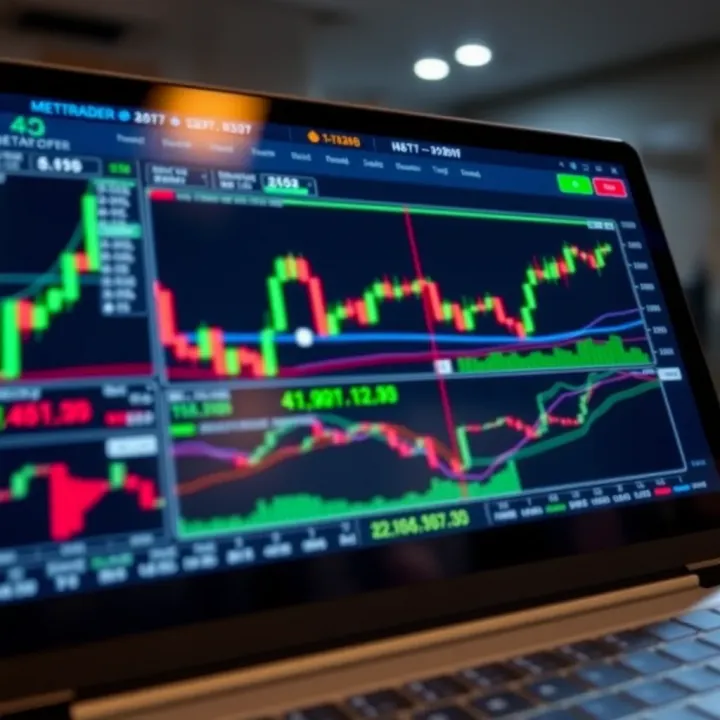
An important feature is MetaTrader's Expert Advisors (EAs), which are automated trading programs that let traders run bots according to pre-set rules. This is particularly useful in Nigeria, where internet stability is not always guaranteed; EAs help maintain trades even when you lose connection.
Security is also built into the platform. MetaTrader uses encryption protocols to safeguard sensitive data and transactions, which is reassuring in a digital environment where cyber threats are on the rise. For Nigerian traders, this means a reduced risk when making deposits or withdrawals using bank transfers or local payment platforms like Paystack.
Setting up an account is straightforward. You start by choosing a broker registered with the Nigerian Securities and Exchange Commission (SEC) or globally recognised entities, then download MetaTrader on your PC or smartphone. The platform supports multiple devices, giving you the flexibility to trade on the go—vital in Nigeria’s busy cities.
Nigerian traders benefit from MetaTrader’s localised features and adaptability, making it a practical choice to access international financial markets without leaving home.
Key elements that make MetaTrader a strong tool for Nigerian investors include:
Detailed technical indicators and customizable charts
Support for various order types and trading styles
Access to historical data for backtesting strategies
Multilingual support, including English and other global languages
Overall, MetaTrader suits both beginners and seasoned traders in Nigeria, offering practical tools and a secure environment to make informed trading decisions. Getting familiar with its functionalities can increase your chances of trading profitably and confidently in today’s competitive market.
MetaTrader stands out as one of the most widely used platforms for online trading, especially in forex and Contracts for Difference (CFD). For Nigerian traders and investors, understanding what MetaTrader offers is fundamental for navigating global markets efficiently.
MetaTrader was developed by MetaQuotes Software, beginning with MetaTrader 3 and advancing to the popular MetaTrader 4 (MT4) and newer MetaTrader 5 (MT5). Born from the increasing demand for user-friendly trading systems, MetaTrader provides a comprehensive interface combining charts, tools, and automation. Its evolution reflects the need for faster trade execution and diversified asset access.
This platform’s adaptability has made it a natural choice for brokers and traders worldwide, including Nigeria, where online forex trading is on the rise.
Forex and CFD trading platforms serve as digital marketplaces where individuals can buy and sell currency pairs or financial instruments like commodities and indices without owning the underlying asset. MetaTrader excels by integrating real-time data, technical indicators, and customisable orders, all in one place.
Platforms such as MT4 and MT5 allow traders to analyse price movements through detailed charts and execute trades instantly. These features bring tools once reserved for institutions to everyday traders.
MetaTrader opens doors for Nigerian traders to participate in markets beyond the local economy. Through the platform, one can trade major currency pairs like USD/NGN, EUR/USD, and commodities such as crude oil and gold. This access is valuable because local markets alone may have limited opportunities or volatility.
With MetaTrader, traders in Lagos or Abuja can potentially earn from international market movements, using features like leverage to increase their exposure without large upfront capital.
In Nigeria, forex trading has grown rapidly, driven by increased internet penetration and smartphone use. MetaTrader’s popularity is tied to its support from both international brokers servicing Nigerian clients and local brokers that provide direct account funding in naira.
The platform also underpins educational efforts; many training academies in Nigeria use MetaTrader as the standard for teaching technical analysis and trade management. It has thus become the backbone for many local traders seeking consistent entry and exit strategies.
MetaTrader is not just a tool but a gateway that connects Nigerian traders to a wider financial world, offering access, strategy, and real-time execution important for success in forex and CFD trading.
By understanding its origins, capabilities, and role within Nigeria’s trading landscape, users can better leverage MetaTrader’s tools to improve their trading outcomes.

MetaTrader is a name every trader in Nigeria hears often, but it’s key to understand the differences between its main versions—MetaTrader 4 (MT4) and MetaTrader 5 (MT5). Each version caters to distinct trading needs and offers features that can affect how you manage your trades and strategies. Choosing the right one depends on what suits your trading style, instruments, and device compatibility.
Core features and interface: MT4 remains the go-to platform for most forex traders worldwide, especially here in Nigeria. Its interface is straightforward, with clean menus and customisable charts that display price action clearly. You can easily add indicators like Moving Averages or RSI (Relative Strength Index) to spot trends. The platform runs smoothly on both desktop and mobile devices, making it practical for traders who need flexibility.
Popular use cases: Nigerian traders typically use MT4 primarily for forex trading because it supports straightforward currency pair positions and offers robust tools for technical analysis. Many local brokers support MT4 because of its stability and broad community of programmers who develop Expert Advisors (EAs) — automated trading systems. It’s well-suited for those starting in forex as well as seasoned traders focusing just on currency markets.
Enhanced capabilities compared to MT4: MT5 came as an upgrade with additional features like more timeframes and a wider range of analytical tools. It supports an economic calendar within the platform and allows traders to access real-time news feeds. These upgrades help traders make deeper market analysis and time trades better, which is especially useful when tracking fast-moving commodities or stocks.
Support for additional asset classes: Unlike MT4, MT5 supports not just forex but also stocks, futures, and CFDs on commodities. This makes MT5 a better choice if you want to diversify investments beyond currency pairs. For example, Nigerian investors interested in trading shares listed on the Nigerian Stock Exchange (NGX) or commodities like oil and gold might find MT5 necessary. It also offers partial order filling and netting options, making it more flexible for complex trading strategies.
Factors affecting choice: When deciding between MT4 and MT5, consider what you plan to trade. If you focus mainly on forex and want a platform with simpler operation and lots of community-tested tools, MT4 is adequate. However, if you seek to trade a wider array of markets or need enhanced analytical tools, MT5 should be your pick. Also, your trading experience matters; beginners might find MT4 friendlier, while advanced traders often lean towards MT5’s extra features.
Compatibility with brokers and devices: Not all brokers support both versions. Some Nigerian brokers still run MT4 exclusively due to its popularity, while international brokers tend to offer MT5. Device compatibility is also crucial: although both platforms have mobile apps for Android and iOS, some features differ between desktop and mobile. Ensure your preferred broker supports your chosen version on your device, so you don’t get stuck without needed functionality during active trading.
For Nigerian traders, understanding these differences means you can pick a MetaTrader version that matches your trading style, asset preferences, and technical setup, which ultimately helps you trade smarter and avoid costly mistakes.
Getting started with MetaTrader in Nigeria demands some groundwork, especially when it comes to setting up your account. This step determines how smoothly you can trade and manage your investments. Nigerian traders must navigate broker choices, installation options, and funding methods to ensure optimal performance and security.
Your selection of a broker hinges on their licence and regulatory standing. In Nigeria, the Securities and Exchange Commission (SEC) regulates stock trading, while the Nigerian Commodities Exchange (NCX) supervises commodities trading. Choosing brokers licensed by SEC or reputable international regulators like the FCA (UK) or CySEC (Cyprus) means more protection for your funds and adherence to trading standards. This reduces risks of fraud and ensures that your trades are executed transparently.
Many Nigerian traders fall prey to unlicensed brokers who vanish with funds. Always verify a broker’s credentials through official regulatory sites or broker comparison platforms before committing funds.
Nigeria offers a growing number of forex and CFD brokers with local operations, which can be appealing due to easier customer support and naira payment facilities. However, international brokers often provide a wider asset range, tighter spreads, and advanced platforms.
That said, Nigerian brokers licensed by the SEC or other local authorities give you the advantage of adhering to local financial laws and sometimes better alignment with the Nigerian trading environment. For example, local brokers might offer direct naira deposits via local banks or USSD methods, simplifying fund transfers.
Choosing between local and international brokers depends on your priorities—ease of funding and local support versus variety and potentially better execution.
MetaTrader is available on desktop (Windows, Mac) and mobile (iOS, Android). Nigerian traders often face erratic power supply and internet fluctuations, making mobile setups practical for trading on-the-go via smartphones. However, desktops generally provide a better interface for detailed technical analysis, multiple chart windows, and faster order execution.
Many traders start with the mobile app for convenience but switch to desktop for serious trading sessions. It’s useful to have both installed so you can adapt to changing conditions, such as when NEPA cuts power but your phone remains charged.
Always download MetaTrader directly from the official MetaQuotes website or your broker’s verified site. Fake apps posing as MetaTrader sometimes circulate on unofficial app stores, risking your account security.
Installing a compromised version can lead to data theft or unauthorised trades. Nigerian traders must be especially cautious to avoid these scams, which often arise during peak trading periods like ember months when trading activity spikes.
Funding your MetaTrader account in Nigeria has become more flexible with the growth of fintech. Common options include bank transfers, card payments, USSD codes, and payment wallets like OPay or PalmPay. Many brokers partner with Nigerian payment gateways to facilitate deposits in naira, reducing upfront currency conversion hassles.
Using reliable local payment methods saves time and avoids the high fees that sometimes come with international wire transfers. However, always confirm deposit and withdrawal terms with your broker, as some require specific payment channels.
Most brokers price trades in USD or other major currencies, so converting your naira deposits correctly is vital. Exchange rates differ between banks and parallel markets; choosing a favourable rate impacts your capital.
Some brokers offer naira-denominated accounts to cut conversion costs. Where this isn’t available, it’s wise to monitor CBN’s official rates and choose payment methods with transparent conversion fees. Bear in mind that naira’s volatility means you should plan deposits carefully to avoid losing value immediately after funding.
Opening and funding your MetaTrader account with due diligence protects your investment and ensures smooth trading, especially in Nigeria’s complex financial environment.
This foundational setup makes sure you’re well-placed to use MetaTrader’s powerful tools and start trading confidently in the Nigerian market and beyond.
Mastering MetaTrader’s features and tools is a must for any serious trader in Nigeria. This platform’s power lies in its ability to offer a comprehensive suite of instruments that enable traders to analyse markets, execute trades precisely, and even automate their strategies. Understanding how to navigate these tools means you can spot opportunities quicker and manage risks more effectively amid Nigeria’s fast-changing forex and stock markets.
MetaTrader provides a variety of chart types to suit different trading styles. You’ll find line charts, which connect closing prices over time for a simple view; bar charts that show open, high, low, and close (OHLC) prices; and candlestick charts, the most popular among traders, which give clear visual cues on price action. For example, a candlestick can quickly hint at market sentiment during ember months when volatility spikes.
Indicators play a pivotal role in spotting trends and making informed decisions. Popular tools like Moving Averages smooth out price data to reveal the overall direction, while the Relative Strength Index (RSI) helps identify overbought or oversold conditions. Using these indicators together, say a 14-day RSI combined with a 50-day Moving Average, can signal potential entry or exit points without needing to guess market movements blindly.
Knowing your order types in MetaTrader can be the difference between catching a favourable price and watching it slip away. Market orders give immediate execution at the current price, ideal when urgency is key. Limit orders, on the other hand, let you set a price better than the current market, useful if you believe the price will reverse to your favour before continuing its move.
Stop orders serve to protect your trades—stop-loss orders close a position if the price moves against you, preventing large losses. Pending orders, like buy stops or sell stops, let you enter the market automatically when certain price points are hit. For instance, in a turbulent naira-dollar pair scenario, setting a buy stop order can help you capitalise on breakouts without watching the screen all day.
Managing open positions seamlessly in MetaTrader means you’re not just waiting but actively controlling trades. You can modify stop losses or take-profit levels as the market evolves, effectively locking profits or limiting losses. A Nigerian trader, for example, might adjust stop losses tighter during ember months to guard against sudden currency swings caused by economic news or fuel price changes.
Expert Advisors (EAs) are MetaTrader’s automated tools that execute trading strategies without manual input. They run scripts to analyse market data and open or close trades based on programmed rules. This is practical for Nigerian traders who can’t monitor markets constantly due to other demands or unpredictable power supply.
However, automation comes with pros and cons. The upside includes discipline—no emotional panic selling or buying—and the ability to operate 24/7 across global markets. On the flip side, EAs can falter in unexpected market conditions like sudden naira devaluations or political shocks, as they lack human intuition. Traders should test EAs on demo accounts first and combine them with hands-on monitoring for best results.
Navigating MetaTrader’s tools effectively requires a balance of technical know-how and practical trading sense. Knowing when and how to use charts, orders, and automation will boost your chances of trading successfully in Nigeria’s dynamic market.
Using MetaTrader effectively goes beyond knowing technical analysis and market trends. Protecting your investment and personal data while employing sound trading strategies can make the difference between consistent profits and avoidable losses. In Nigeria, where online security and market volatility pose real challenges, applying safety measures and best practices is essential for traders aiming to stay ahead.
Secure passwords and two-factor authentication are fundamental for safeguarding your MetaTrader account. A strong password combining letters, numbers, and symbols helps prevent unauthorised access. More importantly, enabling two-factor authentication (2FA) adds an extra layer of security by requiring a one-time code from your mobile device each time you log in. This step is especially useful in Nigeria, where cyber scams often target traders through phishing or fake emails pretending to be from brokers. Without 2FA, a compromised password alone can allow hackers to drain your account.
Recognising and avoiding scams remains a major concern in the Nigerian trading space. Fraudsters may masquerade as brokers or provide fake signals and Expert Advisors (EAs) promising guaranteed profits. Always verify broker credentials through bodies like the Securities and Exchange Commission (SEC) Nigeria, and avoid offers that sound too good to be true. For instance, if a trading robot claims 100% success rates without any risk, it’s a red flag. Nigerian traders should also steer clear of unsolicited investment advice on social media groups, which often lead to losses rather than gains.
Risk management techniques protect your capital against unexpected market swings. Using stop-loss orders to limit potential losses on each trade is a practical approach. Many MetaTrader users set stop-loss levels at a percentage they can afford to lose, say 1-2% of their trading account. Another method is low leverage usage; though higher leverage might offer bigger gains, it can wipe out your account faster, especially with the naira’s volatility. Diversifying trades across currency pairs or asset classes also helps reduce concentration risk.
Keeping emotions in check is often overlooked but critical for success. Emotional decisions like panic selling or doubling down after losses can destroy your trading plan. Nigerian traders frequently face pressure during ember months due to increased expenses and market fluctuations; staying disciplined requires a clear strategy and sometimes taking breaks to avoid rash moves. Building patience and sticking to predefined trading rules on MetaTrader shields you from impulsive errors that many beginners suffer.
Consistently applying smart safety measures and risk controls will help you trade MetaTrader with confidence, especially in Nigeria’s dynamic and sometimes unpredictable market environment.
Explore Squared Financial's unique trading and investment services in Nigeria's market 📊. Learn about its products, regulation, and practical platform tips 💡.

Explore how Deriv promo boosts your online trading in Nigeria 🇳🇬. Learn eligibility, types, and tips to maximise offers while trading with ₦ to grow your gains.
📈 Discover how the best trading platforms help Nigerian investors access stocks, forex, and commodities securely with local market insights and reliable features.

📈 Discover how synthetic indexes create fresh trading spots without real assets, their risks, and rising impact on Nigeria’s online markets and fintech scene.
Based on 5 reviews