
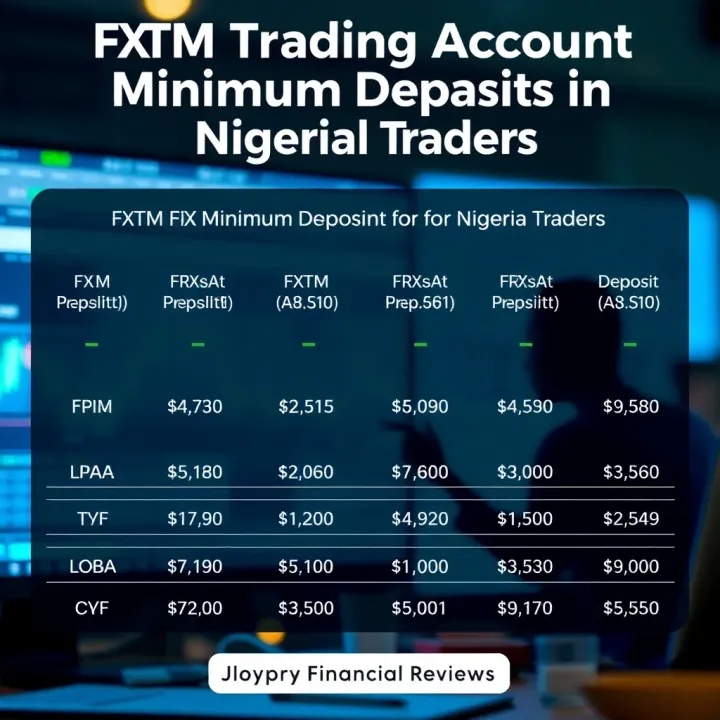
FXTM Minimum Deposit Guide for Nigerian Traders
Learn FXTM minimum deposit requirements for Nigerian traders ₦. Discover payment options, benefits, and tips before investing in FX trading 📈💰 Start smart with FXTM today!
Edited By
Laura Mitchell
Pocket Option has become a popular choice among Nigerian traders looking to explore online trading due to its user-friendly platform and flexible investment options. A key factor that often catches the interest of potential users is the minimum deposit—a gateway to starting real trades on the platform.
Understanding the minimum deposit on Pocket Option is essential because it sets the initial boundary for your trading journey. Currently, the platform requires a minimum deposit of $50 (roughly ₦24,500 depending on exchange rates). This deposit amount is modest compared to many other trading platforms, making it accessible for Nigerian traders who want to start with a manageable sum.
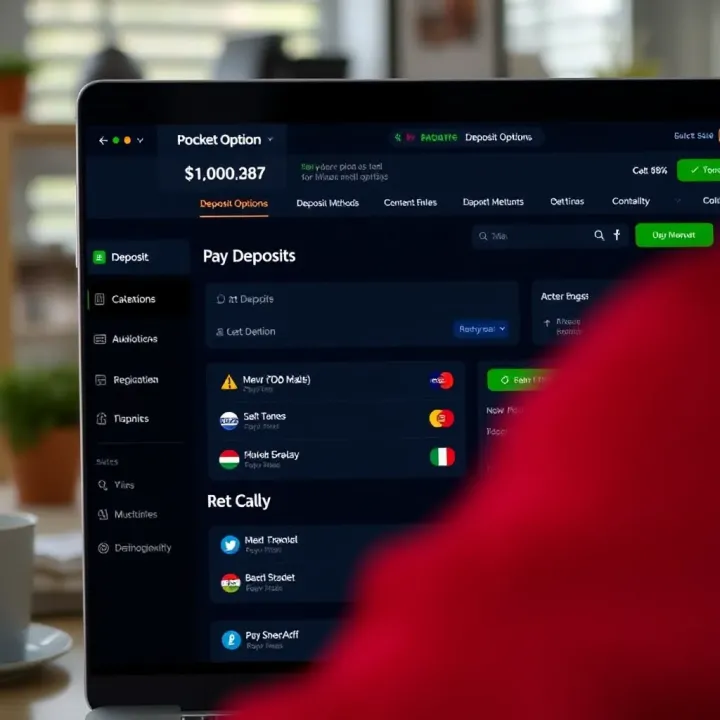
Depositing funds is straightforward, with Pocket Option supporting several payment methods commonly used in Nigeria. These include bank transfers (via Nigerian banks such as GTBank and Zenith Bank), debit/credit cards, and a variety of e-wallet services like Skrill and Neteller. Some traders also prefer using local payment channels that work with platforms like Paystack or Flutterwave, which simplify transactions in Naira and reduce the hassle of currency conversion.
Starting with the minimum deposit does not mean limiting your potential; rather, it gives you room to understand market movements while managing risks effectively.
Keep in mind, the minimum deposit can be influenced by factors like promotions or account type. For example, some premium accounts might require higher deposits but offer additional features or better trading terms.
Here are a few tips to consider before funding your Pocket Option account:
Confirm the current minimum deposit on the official platform as it may fluctuate with policy updates.
Choose a payment method that offers quick processing and low transaction fees.
Be wary of currency conversion rates when depositing in Naira; a slight difference can affect your trading capital.
Use the minimum deposit as a starting point to test strategies before scaling up.
Grasping the minimum deposit and the payment options allows Nigerian traders to step in with clarity and confidence. It sets the foundation for making smarter, well-informed investment moves on Pocket Option.
Pocket Option has become a known name in Nigeria’s trading scene, especially for those who want a straightforward way into options trading. This section explains why Pocket Option matters specifically for Nigerian users, breaking down its core functions, popularity, and features that Nigerians find practical in their trading activities.
Pocket Option is a digital trading platform focused on binary options, which are essentially bets on the price movement of assets within a short timeframe. Unlike traditional trading, you don’t actually own the asset; you simply predict whether its price will rise or fall. For example, if you expect the price of crude oil to increase in the next 15 minutes, you place a trade predicting that direction. If correct, you earn a fixed profit.
This platform stands out by offering low entry barriers with user-friendly interfaces, making it accessible to beginners who are just starting their trading journey. Unlike some brokers that flood users with complicated charts and jargon, Pocket Option keeps things simple yet effective.
In Nigeria, Pocket Option's rise partly stems from its low minimum deposit and fast account setup. Many aspiring traders find traditional forex and stock markets overwhelming, especially with high capital requirements. Pocket Option allows Nigerians to start trading with as little as $50 (about ₦26,000), which aligns well with the budgets of many Nigerians.
Aside from affordability, Nigerians appreciate that Pocket Option supports local payment methods like the popular digital wallets and USSD codes, making fund transfers straightforward despite local banking hurdles. The platform’s social trading features also attract Nigerian users; traders can watch and mimic successful peers, creating a community feel that resonates with many.
Several features on Pocket Option specifically appeal to Nigerian traders:
Diverse asset options: Nigerians can trade currency pairs such as USD/NGN, cryptocurrencies like Bitcoin, and popular stocks, allowing portfolio variety without leaving the platform.
Flexible trade durations: Trades can be as short as 60 seconds or last several hours, giving traders control based on their risk appetite and schedules.
Bonuses and promotions: Pocket Option regularly offers deposit bonuses and tournaments. Nigerian traders often use these as an extra boost to their capital, especially in tough amber months when markets can be shaky.
Mobile accessibility: Considering unreliable power supply and the Nigerian mobile-first internet culture, the Pocket Option mobile app runs smoothly on basic smartphones, enabling traders to enter markets anytime, anywhere.
Pocket Option's combination of low deposit requirements, local payment support, and a straightforward trading approach makes it a viable option for the Nigerian market — especially for those new to online trading and looking for affordable entry points.
Understanding these basics sets the foundation for Nigerian traders to make informed decisions about starting their trading on Pocket Option, which this guide will elaborate on in the following sections.
Understanding the minimum deposit requirement on Pocket Option matters a lot for Nigerian traders. It determines how much money you need to start trading on the platform. Knowing this helps you plan your investment better, manage your funds effectively, and avoid any surprises when funding your account. Before you commit any money, it's essential to get a clear picture of what the minimum deposit is and how it might change according to your trading plan.

The Pocket Option minimum deposit is the least amount of money you must fund your trading account with to begin operating on the platform. For Nigerian traders, this amount is usually set at $50 (roughly ₦40,000 to ₦45,000 depending on the exchange rate). This baseline ensures you have enough capital to open trades and explore the platform's features. Keep in mind, this minimum may not be fixed; it can vary depending on the payment method you choose or any ongoing promotions.
Pocket Option offers different account types, each with its own minimum deposit threshold. The Standard account requires the basic minimum deposit mentioned above. However, if you opt for a Gold or VIP account, which offer additional benefits like higher payout percentages and exclusive bonuses, the deposit requirement usually increases significantly—sometimes up to $1,000 or more.
For instance, a trader starting with the Standard account can deposit $50 and get access to most functionalities. Meanwhile, upgrading to a VIP account means preparing to deposit at least $1,000, a few million naira, which is better suited for more experienced traders or those with a larger capital base.
A few key factors affect the minimum deposit amount on Pocket Option. First, the chosen payment method can impact this. Some wallets or bank transfers popular in Nigeria, such as OPay or Flutterwave, might enforce their own limits, influencing the amount you can deposit.
Second, exchange rates and currency fluctuations play a role. Since Pocket Option operates mainly in USD, the naira's volatility means the exact amount in naira to meet the $50 minimum can swing significantly. Traders must account for this when funding their accounts.
Lastly, promotions or bonuses may temporarily change the minimum deposit to encourage new sign-ups or deposits. Always check Pocket Option’s latest updates to see if any such offers are live.
To sum up, the minimum deposit on Pocket Option is the gateway to your trading experience. Being clear on the exact amount, considering your account type, currency factors, and payment methods, ensures your entry into trading is smooth and financially sound.
Making a deposit on Pocket Option is a vital step for Nigerian traders eager to join the platform and start trading. Understanding how to fund your account smoothly sets the foundation for successful trading, especially given the peculiarities of Nigeria's payment landscape. The ease, cost, and reliability of depositing funds directly impact how promptly you can take advantage of market movements and trading opportunities.
Pocket Option allows Nigerian users to fund their accounts through several convenient payment methods tailored to local preferences. Nigerian traders can use popular bank cards such as Verve and MasterCard, widely issued by Nigerian banks like GTBank and Access Bank. Besides cards, Pocket Option supports payments via e-wallet services, including Skrill, Neteller, and Perfect Money, which Nigerians often find handy, particularly for cross-border transactions.
Additionally, USSD codes linked to Nigerian banks, such as GTBank's *737#, allow traders to make deposits without internet banking hassle. Some Bitcoin and cryptocurrency options are also available for deposits, useful for traders looking to diversify their payment approach amid naira volatility.
Choosing the right payment method depends on factors such as transaction speed, fees, and wallet accessibility. For example, funding via e-wallets like Skrill often results in quicker processing but might incur small conversion fees.
Depositing on Pocket Option is straightforward once you have chosen your payment method. Here's a simple guide:
Log into your Pocket Option account through the website or app.
Click on the "Deposit" button located on the dashboard.
Select your preferred payment method from options available for Nigerian traders.
Enter the deposit amount, ensuring it meets the minimum requirement (usually $50 or equivalent in naira).
Fill in your payment details — for cards, this means the card number, expiry date, and CVV; for e-wallets, login credentials might be required.
Confirm the transaction, then wait for the confirmation notification.
Funds often reflect instantly, but some methods like bank transfers may take longer. Always verify your payment information to avoid delays.
Nigerian traders sometimes face hurdles when depositing funds on Pocket Option, mostly due to issues like payment gateway restrictions, currency conversion fees, or failed transactions. For example, Nigerian banks may block forex-related transactions automatically, perceiving them as high risk.
To avoid these challenges:
Use e-wallets such as Skrill or Neteller that are less prone to bank restrictions.
Double-check your internet connection and browser compatibility before initiating payments.
Regularly update your payment information and ensure your bank card supports international transactions.
Contact your bank to inform them beforehand about planned transactions to overseas platforms.
Always keep a record of transaction IDs and receipts. This will help you resolve disputes quickly if payments do not reflect immediately.
By understanding and navigating the deposit process carefully, Nigerian traders can fund their Pocket Option accounts efficiently, reducing downtime and focusing on trading opportunities.
Making a deposit on Pocket Option is just the first step; knowing how to maximise the value of that deposit is what determines success for Nigerian traders. The way you approach account choices, bonuses, and risk management can sharply impact your trading journey, especially given the market's volatility and the naira's fluctuating exchange rate.
Pocket Option offers various account types, each tailored to different trading capacities and goals. Selecting the right one depends largely on your experience and the amount you’re ready to invest. For instance, the Basic Account has a minimum deposit that suits those testing the waters, allowing entry with as low as $50 (about ₦23,000), while the Standard or Silver Accounts offer better features but require higher deposits.
If you are a beginner, sticking with a Basic Account helps minimise exposure while learning. A more experienced trader might opt for the Premium Account to access better payouts and daily bonuses. Nigerian traders should also consider how the deposit aligns with their budget, factoring in potential power costs for devices or internet access, which can add up. Remember, trading isn’t just about the deposit size but how well you use the account’s features.
Pocket Option often runs bonuses, including welcome bonuses and deposit promotions. These incentives can provide extra capital, improving your buying power. For example, if you deposit ₦46,000 and there is a 50% bonus, you begin trading with the equivalent of ₦69,000.
To make the most of bonuses, carefully read their terms. Some bonuses require reaching specific trading volumes before withdrawal is allowed. Nigerian traders should plan their trades to meet these requirements without overstretching. Bonuses also help cushion losses if the market moves against you, especially in volatile pairs like USD/NGN or cryptocurrencies, which many Nigerians prefer.
Risk management is vital when dealing with real money. It is easy to get carried away after deposits, but protecting your funds should be a priority. A common practice is only risking 1–2% of your deposit on a single trade.
For example, with a ₦50,000 deposit, consider risking ₦500 to ₦1,000 per trade. This approach limits losses and keeps you in the game longer. Additionally, diversifying your trades across assets such as forex pairs, commodities, and indices on Pocket Option helps balance risks.
Always use tools like stop-loss orders to limit potential losses and avoid trading on emotion. Nigerian traders often experience spurts of excitement or frustration, but disciplined risk management can shield investment capital.
In summary, choosing the right account, leveraging bonuses smartly, and managing risks prudently form the backbone of maximising your Pocket Option deposit. These steps ensure your trading experience is sustainable and better positioned for long-term growth amidst Nigeria’s dynamic economic environment.
Security and verification play a vital role when depositing funds on trading platforms like Pocket Option, especially for Nigerian traders who navigate unique challenges such as fluctuating exchange rates and online fraud risks. Ensuring your deposits are secure protects your hard-earned money and maintains your confidence in the trading process. Verification processes also comply with anti-money laundering (AML) regulations, which help keep the platform trustworthy.
Pocket Option requires Nigerian traders to complete verification procedures before they can deposit or withdraw funds. Typically, this starts with submitting valid identification documents such as a National Identification Number (NIN) card, International Passport, or Driver’s Licence. In addition, proof of address, like a recent utility bill or bank statement, confirms your Nigerian residency.
This may feel cumbersome but think of it as a safeguard against impersonation or fraudulent activities. The platform may also request a selfie or video verification to match your ID, a security feature becoming common in Nigeria’s fintech space. For example, some traders have reported smooth verification when they upload clear photos of their documents and respond promptly to Pocket Option’s requests.
Verification not only protects you but speeds up transactions later on. Having your account fully verified means you won’t face delays withdrawing your earnings or making deposits, which is crucial in Nigeria’s often unpredictable banking environment.
After verification, protecting your Pocket Option account is your next priority. Nigerian traders should always use strong, unique passwords and change them regularly. Avoid using simple terms like "password123" or your birthdate, which hackers can guess easily.
Enabling two-factor authentication (2FA) adds a further layer of protection. Pocket Option supports 2FA through trusted apps such as Google Authenticator. This means even if someone steals your password, they would still need access to your phone to log in.
Be cautious of phishing scams, which often come through emails or messages pretending to be from Pocket Option or Nigerian banks. Always verify the sender and never share your login details.
It’s also wise to deposit funds using Nigerian-based payment methods supported by Pocket Option, like bank cards from local banks or fintech platforms such as Paystack or Flutterwave. These platforms have their own fraud detection systems, which add extra safety to your transactions.
Keeping your deposits and account safe requires vigilance and following security best practices. Without proper verification and account protection, you risk losing funds to fraud or facing delays when you want to access your money.
In summary, Nigerian traders should see verification not as a hurdle but as an essential step in securing their trading journey on Pocket Option. When combined with strong passwords and 2FA, these measures make your deposits safer and your trading experience smoother.
Learn FXTM minimum deposit requirements for Nigerian traders ₦. Discover payment options, benefits, and tips before investing in FX trading 📈💰 Start smart with FXTM today!
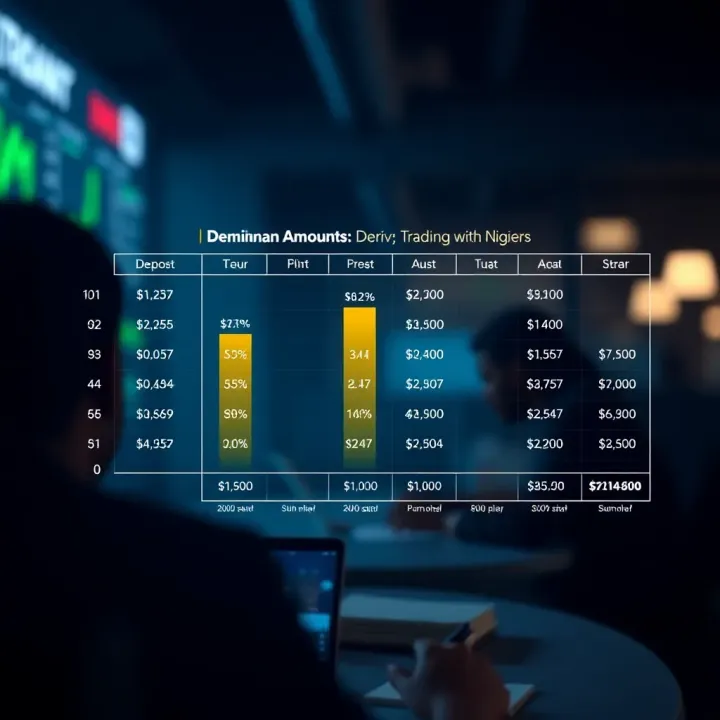
Discover the minimum deposit to trade on Deriv in Nigeria 🇳🇬. Learn how to start with ₦, compare brokers, and manage your funds smartly in 2024 💰.
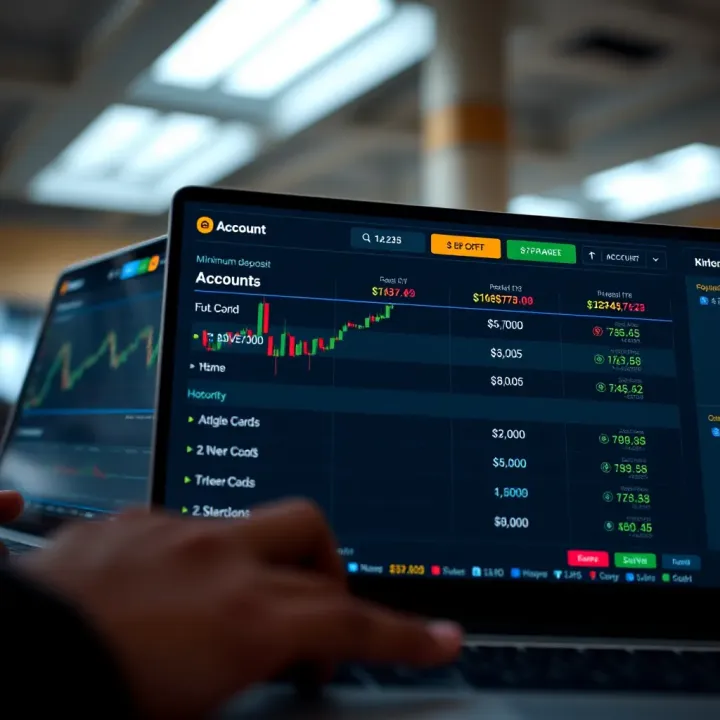
📊 Learn about Kwakol Markets' minimum deposit for Nigerian traders, account types, and payment options. Get smart tips to grow your investment starting with ₦5,000!

🔍Explore Pocket Option trading in Nigeria! Discover account types, tools, security, pros & cons, plus tips to boost your trading success confidently.
Based on 12 reviews