
BingX Exchange Review: Features and Security for Nigerian Traders
🔍 Explore BingX Exchange's features, security, and trading options for Nigerian users. Learn how to trade safely and smartly with local financial tips. ₦-friendly guide!
Edited By
Sophie Reynolds
BTCDana has become a notable name among Nigerian cryptocurrency platforms, offering access to Bitcoin and a variety of altcoins in a user-friendly environment. This review aims to provide a practical overview of BTCDana’s core features, helping traders, investors, brokers, and entrepreneurs decide if it aligns with their crypto trading objectives.
One key appeal of BTCDana lies in its focus on local needs. Users can deposit funds in Nigerian Naira (₦), which eases the process given the naira’s volatility and exchange challenges. Unlike some international platforms that complicate naira conversion, BTCDana supports direct naira deposits through bank transfers and popular payment methods widely used in Nigeria, making it less cumbersome for everyday users.
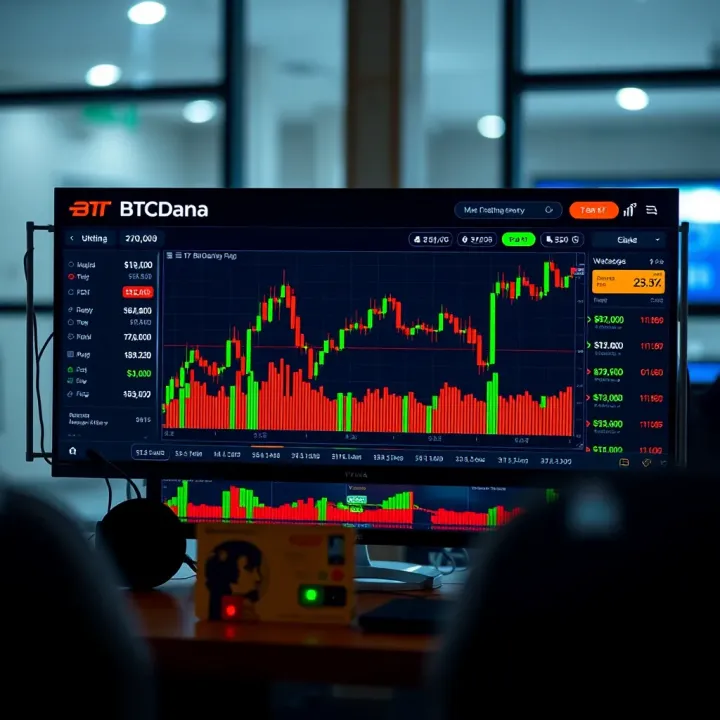
The platform offers a sleek interface suitable for both newcomers and seasoned traders. With clear market charts and real-time price updates, users can track Bitcoin and other digital currencies efficiently. Moreover, BTCDana’s mobile application caters well to Nigerians who mostly rely on smartphones for transactions, ensuring trading can happen from anywhere, even with limited internet.
Security is a top concern with any platform handling digital assets. BTCDana employs two-factor authentication (2FA) and keeps most user funds in cold storage, considerably reducing risks from hacks or theft. In the Nigerian context, where cybercrime incidents are rising, these measures provide a degree of peace of mind for local users.
Fees on BTCDana are transparent and competitive. Transaction charges are usually within the 0.1% to 0.5% range, which aligns well with other known platforms like BuyCoins or Quidax. Understanding fee structures helps traders plan their trades and investments without surprises, especially in a market with tight margins.
BTCDana’s emphasis on easy naira funding, decent security protocols, and straightforward fee system make it a practical choice for Nigerians exploring cryptocurrency trading.
In the sections ahead, we will examine BTCDana’s deposit and withdrawal processes, how its customer support performs given Nigeria’s market challenges, and the platform’s compliance with Nigeria’s evolving crypto regulations. This approach ensures you get a balanced, hands-on perspective rather than just abstract promises.
With the cryptocurrency space still maturing in Nigeria, platforms like BTCDana show the movement towards more accessible and safer digital asset trading. Traders and investors should weigh the platform’s offerings against their individual needs—knowledge that this review provides to steer you clear from common pitfalls.
Understanding BTCDana’s place within Nigeria’s crypto ecosystem is essential for traders and investors navigating the market. This section offers a clear picture of what BTCDana brings to the table as a cryptocurrency exchange, beneficial for anyone deciding whether to engage with the platform.
BTCDana operates as a digital platform that enables users to buy, sell, and trade cryptocurrencies such as Bitcoin, Ethereum, and other altcoins. Unlike some larger international exchanges, BTCDana focuses primarily on serving Nigerian users, tailoring its services to local needs. For instance, deposits and withdrawals support popular Nigerian payment methods, which makes moving funds in and out more convenient compared to global exchanges.
Registration on BTCDana is straightforward, with quick identity verification steps aligned with Nigerian regulatory requirements. This streamlining helps users get started without unnecessary delays. The platform’s user interface offers a practical experience, avoiding overly complicated features that sometimes confuse new traders.
BTCDana has steadily established itself as a relevant player in Nigeria’s growing crypto market, which has seen rapid adoption despite regulatory uncertainties. The platform serves as a bridge for Nigerians who want to access digital assets but prefer a locally oriented service.
By offering access to both Bitcoin and several altcoins with relatively low fees, BTCDana caters to a broad range of users—from beginners interested in holding crypto as a store of value, to experienced traders looking for arbitrage opportunities. Its integration with local banking systems and mobile payment channels is particularly valuable where timely and practical transaction methods matter the most.
Nigerian users face frequent naira volatility and banking limits, so platforms like BTCDana that accommodate local realities help maintain fluid trading.
Moreover, BTCDana contributes to crypto education by providing guides and updates tailored to local market conditions, helping Nigerian traders make informed decisions. While competition remains stiff, the platform’s focus on compliance and user support helps build trust and encourages adoption.
In summary, BTCDana’s significance lies not just in its crypto offerings but in how it meets Nigerian-specific challenges, offering realistic access to digital currencies in a market that is still finding its feet.
BTCDana’s platform is designed to cater to the Nigerian crypto market with features that balance user convenience, security, and versatility. Understanding these details helps potential traders and investors decide if the platform fits their trading style and needs. Key features such as supported cryptocurrencies, registration protocols, and security measures reflect BTCDana’s overall functionality and trustworthiness.
BTCDana supports a solid range of cryptocurrencies popular among Nigerian users, including Bitcoin (BTC), Ethereum (ETH), and Tether (USDT) as core offerings. Beyond the major coins, it lists altcoins like Cardano (ADA) and Binance Coin (BNB), which are gaining traction among local investors seeking diversification. Trading pairs mostly combine these cryptocurrencies with USD stablecoins or USDT, enabling Nigerians to hedge against naira volatility.
The platform’s selection isn’t the broadest in the market, but it covers enough ground for typical retail investors and small-scale traders, avoiding overwhelming choices. For example, a user looking to buy BTC can easily exchange naira for USDT before converting to BTC through BTCDana’s usual trading pairs. This setup keeps the process straightforward without demanding too much technical know-how.
BTCDana streamlines user registration to get traders started quickly but without compromising on compliance. New users create accounts using their phone number or email address, then complete a Bank Verification Number (BVN) verification step, which aligns with Nigerian regulatory standards on anti-money laundering (AML).
The verification typically involves uploading a valid ID (like a National Identification Number, NIN) and a selfie for identity confirmation. This practice reduces fake accounts and protects both users and the platform from fraud attempts. Most Nigerian traders appreciate how BTCDana balances ease and security—registration can often be completed in under 15 minutes even on mobile data.
BTCDana employs robust security protocols to safeguard user assets and personal information. It uses cold storage wallets to keep the majority of cryptocurrencies offline, reducing hack risks common in online wallets. The platform also supports two-factor authentication (2FA) during login and withdrawal operations, adding an extra layer of protection.
In addition, BTCDana encrypts all sensitive data and enforces regular security audits. For Nigerian users, who often face concerns about cybercriminals and phishing scams, these security steps are particularly reassuring. While no system is completely foolproof, BTCDana’s security setup matches common industry standards and reassures investors that their funds meet stringent protection.
Security and compliance features in Nigerian crypto exchanges directly impact user trust. BTCDana’s clear processes for registration and data protection make it a viable choice for many serious traders seeking a safe local platform.
Together, these key features form the backbone of BTCDana's value proposition, offering practical options for Nigerians who want straightforward access to cryptocurrency trading without losing sight of security and regulatory demands.
Managing deposits, withdrawals, and transactions effectively is a core part of any cryptocurrency platform. For Nigerian traders, these processes need to be simple, dependable, and adapted to local banking realities. BTCDana’s approach to funding accounts and moving digital assets directly affects user experience and trust, as well as the platform’s viability for daily trading.
BTCDana allows deposits through several convenient channels tailored to Nigerian users. You can fund your BTCDana wallet using bank transfers from local banks like GTBank, Access Bank, or Zenith Bank. Funding via USSD codes or mobile apps linked to your account makes it even easier, especially for traders who prefer operating on phones rather than desktop. The platform also supports deposits with stablecoins such as USDT, which helps avoid naira volatility during transactions.
One practical benefit is that deposits usually reflect within minutes, allowing swift entry into trading. For example, a trader in Lagos can transfer ₦100,000 from their bank app to BTCDana and start trading Bitcoin or Ethereum without unnecessary delays. However, users should double-check the minimum deposit limits, which typically start at about ₦5,000.
When cashing out, BTCDana provides clear steps for withdrawing to Nigerian bank accounts. Withdrawal requests are straightforward and can be initiated from the wallet dashboard. The platform usually processes withdrawals within 24 hours, but times can vary depending on the bank and network congestion.
Daily withdrawal limits are set to balance security and flexibility, often capping at ₦1 million for verified accounts. For unverified or new users, lower limits apply, which is common practice to limit fraud risks. Regular traders must plan withdrawals accordingly, especially when dealing with large sums during ember months or festive seasons.
BTCDana’s trade execution is designed to be smooth and fast, essential for capturing fleeting market opportunities. The platform uses a real-time order book that updates quickly, facilitating better price discovery. Users trading on BTCDana can place limit or market orders easily from an intuitive dashboard.
The interface is clean and responsive, working well both on desktop and mobile browsers. This usability is key for Nigerian traders often working under unstable power supplies and relying on mobile data. For instance, entrepreneurs who trade between meetings or while moving through Lagos traffic can still monitor their positions and execute trades efficiently.
Reliable transaction processes and a user-friendly interface help make BTCDana a practical choice for Nigerian cryptocurrency traders who value speed, clarity, and security.
Overall, BTCDana’s deposit, withdrawal, and trading systems reflect a pragmatic approach that fits the needs of Nigeria’s dynamic crypto market.
Costs and fees are a big deal for anyone trading cryptocurrency in Nigeria, especially given the naira’s volatility and general market uncertainties. BTCDana understands this and tries to keep its fee structure clear and competitive. Understanding these costs helps traders, investors, and entrepreneurs plan effectively and avoid nasty surprises.
BTCDana charges trading fees within the ballpark of 0.15% to 0.25% per trade, depending on the type and volume. This rate falls closely in line with prominent local platforms like BuyCoins and Remitano, which also hover around 0.2%. Unlike some exchanges that hike fees for smaller trades, BTCDana maintains a consistent rate, giving small-scale traders fair access without disproportionately high costs.
For example, if you buy ₦100,000 worth of Bitcoin through BTCDana, expect to pay around ₦150 to ₦250 in fees. This straightforward fee model appeals to users wary of complex or opaque pricing often seen on international platforms. It also keeps Nigerian traders competitive as they avoid inflated charges that could erode returns.
While BTCDana’s trading fees are clear, users should mind other costs like network transaction fees for deposits and withdrawals. For instance, withdrawing Bitcoin involves blockchain fees that BTCDana passes through, sometimes fluctuating with network congestion. These fees aren’t profits for the platform but real costs of moving crypto.
Moreover, BTCDana limits the number of free withdrawals monthly; after that, small fees kick in. Some Nigerian traders have noted occasional charges on Naira funding via bank transfers, especially when using third-party services. Still, these aren't hidden—they're outlined in BTCDana’s terms, though casual traders should read them closely.
BTCDana ranks highly on fee transparency compared to many Nigerian crypto platforms. Fees show up clearly during each transaction, and the platform provides a breakdown before confirmation. This openness helps users make informed decisions, decreasing the risk of unexpected deductions.
Beyond just listing fees, BTCDana updates users on potential changes via email and notifications, which aids regular traders planning bigger moves. User education materials explain why prices might change, such as rising blockchain congestion or regulatory costs.
Transparency in fees isn’t just good practice; it builds trust in a market where scams and opaque charges can ruin reputations fast. BTCDana’s clear disclosure helps users navigate the complex Nigerian crypto environment more confidently.
To sum up, BTCDana offers competitive trading fees, reasonably disclosed additional costs, and a clear approach to transparency. For traders and entrepreneurs in Nigeria, this means fewer surprises and better cost management in their crypto ventures.
Reliable customer support and strict regulatory compliance form the backbone of any trustworthy cryptocurrency platform, especially in Nigeria where the digital finance space fluctuates greatly. For traders and investors, knowing they can reach real assistance fast and that their chosen exchange follows Nigerian financial laws keeps the trading experience secure and stress-free.
BTCDana offers several communication channels including live chat, email, and phone support. The platform typically responds within minutes during peak hours, which is critical when sudden transaction issues or security concerns arise. Traders reported that the live chat staff are knowledgeable and patient, helping to resolve queries about deposits or withdrawals without unnecessary delay.
Besides, the platform maintains an FAQ section that covers common trading scenarios, from account setup to troubleshooting deposits. While 24/7 support isn’t always guaranteed, the working hours align conveniently with Nigeria’s business hours, ensuring traders get assistance when they need it most.
In recent years, Nigerian regulators, including the Central Bank of Nigeria (CBN), have tightened controls on cryptocurrency activities. BTCDana complies notably with the regulatory framework by requiring Know Your Customer (KYC) verification, including BVN (Bank Verification Number) checks and identity documentation during registration. This approach helps curb fraud and money laundering risks while protecting users’ accounts.
The platform adjusts its operations to meet evolving financial laws and communicates changes promptly—an essential practice for Nigerian users given how swiftly regulations can shift. This compliance reassures investors, providing a safer trading environment compared to unregulated peer-to-peer exchanges.
User feedback for BTCDana shows a mixture of praise and areas needing improvement. Many users commend its straightforward interface and transparent fee structure, which enhances trust. However, some note occasional delays in withdrawal processing, something the platform is working to improve to avoid locking users out of their funds longer than necessary.
Trustpilot and local cryptocurrency forums reveal that while BTCDana is generally well-regarded for security, some users expect faster customer service response times during peak trade periods. Still, compared to many competitors in Nigeria, BTCDana holds a solid reputation, partly due to its transparent policies and visible compliance efforts.
Trust in a crypto platform hinges not just on technology but on real human support and clear adherence to law—BTCDana scores well on both for Nigerian traders.
Through responsive support and regulatory adherence, BTCDana provides Nigerian crypto users with a confident, regulated trading environment. Knowing these factors can help you decide whether the platform matches your trading needs and risk tolerance.
Understanding the strengths and limitations of BTCDana is vital for Nigerian traders and investors aiming to make informed decisions. Knowing what the platform excels at, and where it falls short, informs practical choices around security, convenience, fees, and user experience. This section highlights concrete benefits alongside areas that require attention for BTCDana users.
BTCDana offers several advantages tailored to the Nigerian market. First, its support for naira deposits through local banks and payment methods simplifies funding accounts, avoiding complex forex conversions that can inflate costs. Users enjoy prompt transactions with minimal delays, critical amid Nigeria's fluctuating naira exchange rates.
Secondly, BTCDana’s user interface is straightforward and mobile-friendly, suiting Nigeria's predominantly smartphone-based internet access. This makes trading accessible even to those without high-end devices, reflecting the platform's understanding of local connectivity realities.
Security forms another key strength. With two-factor authentication (2FA) and wallet encryption, BTCDana protects user funds effectively. For example, many Nigerian traders have praised its quick response to suspicious activity, reducing risks from hacking attempts common in local exchanges.
Moreover, the platform provides competitive trading fees, often lower than some other Nigerian exchanges. This cost-effectiveness benefits active traders seeking to maximise profits while keeping overhead expenses in check.
Despite its merits, BTCDana shows areas needing improvement. Its customer support, while decent during business hours, sometimes falls short during weekends or public holidays, which frustrates users needing urgent assistance during peak trading periods like ember months or election seasons.
Another concern relates to its limited cryptocurrency range compared to global exchanges. While BTC and a handful of altcoins are available, Nigerian users eyeing emerging tokens or DeFi projects might find this restricting. Expanding asset offerings would boost BTCDana’s appeal considerably.
Additionally, withdrawal limits and verification processes can be cumbersome for high-volume traders. The KYC (Know Your Customer) requirements, though necessary, sometimes cause delays due to document verification slowdowns, affecting liquidity access.
Finally, occasional network downtimes and slower trade execution during volatile price swings raise questions about platform robustness. Nigerian traders dealing with naira volatility need reliability to prevent losses from delayed transactions.
Knowing what BTCDana does well and where it struggles helps Nigerian crypto users align their trading strategies accordingly, balancing ease, cost, and security with realistic expectations.
By weighing these strengths and limitations, users can better judge if BTCDana fits their trading needs or whether supplementing it with other platforms is advisable.
🔍 Explore BingX Exchange's features, security, and trading options for Nigerian users. Learn how to trade safely and smartly with local financial tips. ₦-friendly guide!

Discover how Headway Forex offers tailored services for Nigeria's currency needs, aiding businesses and traders to navigate ₦ fluctuations and economic challenges 💱📈

🚀 Discover how Nigerian innovators can access funding and mentorship via the FundedNext Competition. Learn application tips, judging criteria, and more to boost your startup success!
Explore HotForex's trading features tailored for Nigerian traders 🇳🇬. Get insights on accounts, platforms, fees, regulation, and support to trade smartly in ₦.
Based on 13 reviews