
Understanding Binary Brokers for Nigerian Traders
Explore how binary brokers operate in Nigeria 🇳🇬, learn to pick trusted brokers, understand risks & regulations, and get tips for safe trading success 📈.
Edited By
Emma Clarke
Synthetic indexes have become a notable fixture in financial markets, especially with the rise of online trading platforms in Nigeria. Unlike traditional indices tied directly to real assets like stocks or commodities, synthetic indexes simulate market conditions through complex algorithms. This creates a trading environment where price movements mimic those in real markets, allowing traders to engage without owning the underlying assets.
The appeal of synthetic indexes lies in their ability to offer constant availability, often trading 24/7, which differs from the usual market hours of stock exchanges or commodity markets. This is particularly attractive to Nigerian traders looking for flexibility beyond the typical nine-to-five trading schedule. Platforms such as OANDA or Deriv provide several synthetic indexes named after volatility levels or timeframes, for instance, Volatility 10 or Volatility 75, highlighting how price volatility influences their behaviour.
One practical benefit is that synthetic indexes remove dependencies on global economic or political events that usually drive traditional markets. For example, trading a synthetic volatility index is unaffected by OPEC announcements or Central Bank of Nigeria (CBN) interest rate decisions. This can help traders focus on technical analysis and price action without external noise interfering.
Synthetic indexes simulate price movements while bypassing the complexities of real asset ownership, opening new avenues for active trading in Nigeria's fintech ecosystem.
Understanding the mechanism behind these indexes is crucial. A Random Number Generator (RNG) typically powers the price movements, designed to ensure unpredictability and fairness. This algorithm uses historic data patterns to make the simulated prices behave like real markets, though it’s essential to remember these indexes do not reflect underlying physical assets.
In Nigeria’s growing online trading environment, synthetic indexes bridge a gap — providing local traders exposure to dynamic financial instruments without demanding access to foreign stock exchanges or large capital. As fintech firms expand services, alongside platforms like Paystack and Flutterwave, synthetic indexes fit neatly into the digital adoption trend, offering new opportunities for investment and diversification.
This introduction sets the stage to explore the unique strengths, risks, and market roles of synthetic indexes for Nigerian traders, entrepreneurs, and analysts looking to widen their portfolio or better understand this emerging market segment.
Synthetic indexes are digital instruments designed to mimic the behaviour of real market indices without being tied to actual assets. They provide traders with an alternative way to engage in financial markets, replicating price movements based on algorithms rather than real-world supply and demand. This makes synthetic indexes particularly relevant for Nigerian traders seeking flexible trading opportunities that do not depend on native stock markets or physical commodities.
By offering a simulated market experience, synthetic indexes open fresh avenues for participation regardless of global market hours or economic conditions. Understanding what these indexes are and how they operate is key for investors and brokers who want to diversify their trading portfolio beyond traditional stocks and commodities.
A synthetic index is essentially a computer-generated financial instrument that imitates the price changes of a market but is not backed by tangible assets. Instead of relying on real company shares or raw materials, these indexes depend on complex algorithms to simulate market behaviour. This means price movements on synthetic indexes reflect programmed probabilities and volatility models, enabling traders to bet on market trends in a controlled, consistent environment.
For example, a synthetic volatility index could simulate how a stock market might react during periods of sharp price swings, even if real markets are closed. This allows Nigerian traders to practise or profit from volatility without exposure to traditional market risks like company scandals or geopolitical shocks.
Synthetic indexes come into existence through algorithmic programming by specialised firms or trading platforms. These algorithms use random number generation combined with mathematical models to create price patterns that resemble those of genuine financial markets. The process involves continuous recalculation to ensure constant price updates and realistic volatility.
Unlike stock indices that reflect actual share prices weighted by market capitalisation, synthetic indexes operate independently of any asset ownership. This independence allows for 24/7 availability and consistent market characteristics, useful for online platforms catering to global traders, including those in Nigeria accessing markets via fintech apps.
Traditional indices like the Nigerian Stock Exchange (NGX) All-Share Index track the performance of listed companies based on their market valuation and actual trades. The prices on such indices fluctuate with real buying and selling activities, corporate earnings, and macroeconomic events.
In contrast, synthetic indexes do not represent real companies or commodities. Their prices are generated to mimic market dynamics but with no direct link to physical assets. This means synthetic indexes offer uniform trading conditions without the unpredictability of extreme news or fundamentals affecting traditional markets. Thus, they serve as an alternative for traders preferring technical analysis and steady market access.
Volatility indexes are among the most common synthetic products, designed to replicate market turbulence without an underlying asset. They measure the rate at which prices change, offering signals about potential market swings. Traders often use these indexes to speculate on volatility movements, which can be profitable during uncertain times.
For instance, a synthetic volatility index might simulate extreme price changes every few minutes, providing active traders in Nigeria the chance to capitalise on high-risk, high-reward patterns absent from regular securities.
These indexes imitate general market behaviour by generating price movements that reflect common trends like bullish or bearish phases. They offer simulations of market indices tailored to different risk profiles or time frames, independent of any economic event.
This type of synthetic index appeals to traders who want exposure to index-like trading without latency from news or economic shocks. Moreover, platforms often customise these products to suit specific strategy needs, such as short-term scalping or long-term trend following.
Popular platforms like Deriv have introduced several synthetic indexes accessible to Nigerian traders. These include the Volatility 10 Index, designed to simulate 10% daily variance, and the Crash and Boom indices which mimic sudden market drops or rises.
Such platforms provide an easy gateway for local investors to explore synthetic index trading with low minimum deposits and 24-hour market operation. These products have gained popularity as fintech and mobile trading apps expand, making access straightforward and convenient beyond the usual physical stock exchange hours.
Synthetic indexes offer Nigerian traders a consistent, accessible market alternative that works independent of real asset volatility and market hours, making them a unique addition to trading options today.
Synthetic indexes rely heavily on complex algorithms to simulate market conditions. These algorithms generate price movements by using mathematical models designed to replicate the behaviour of real markets. For instance, they factor in typical price fluctuations, volatility ranges, and trends one might expect from assets like stocks or commodities, but without the underlying physical assets. This approach ensures traders can engage with markets that mimic reality closely enough to develop strategies or take speculative positions.
The algorithms constantly adjust variables based on historical market data patterns and probabilistic models. This constant recalibration allows synthetic indexes to reflect a dynamic and continuous market environment. Traders benefit because they can access markets that behave similarly to live ones, even though no actual ownership or asset transfer takes place. This makes synthetic indexes suitable for practising risk management and technical analysis.
Emulating market volatility and trends is another key feature of synthetic indexes. These indexes are programmed to show swings and dips mimicking real market cycles, such as bull and bear trends, or sudden price shocks. By replicating volatility patterns, synthetic indexes allow traders to test how various conditions affect their positions. For example, a trader in Lagos can use a synthetic volatility index to practise handling rapid price changes typical in forex markets, without the pressure of actual asset exposure.
This emulation is not perfect, but it offers a practical alternative when access to traditional markets is limited, such as during off-market hours or in regions with trading restrictions. It keeps traders active and sharp regardless of wider economic events, which might temporarily freeze physical markets.
One major advantage of synthetic indexes lies in their constant availability. Unlike traditional markets bound by opening hours—like the Nigerian Stock Exchange which closes by 2:30 pm—synthetic indexes trade 24/7. This means Nigerian traders can participate whenever convenient, whether it’s early morning or late into the ember months when markets elsewhere might be closed.
Such round-the-clock trading provides flexibility, especially for active traders looking to exploit short-term price movements or practice new techniques. It also stabilises liquidity because there are always participants in the market, reducing slippage and improving execution speed.
Nigerian traders today have growing access to global digital trading platforms offering synthetic indexes. Thanks to reliable internet and fintech growth, platforms like Deriv and ExpertOption enable Nigerians to engage in international trading without the usual barriers. Even with limited capital, these platforms provide demo accounts and low minimum deposits, making synthetic trading accessible to everyday Nigerians interested in markets.
However, access isn’t without challenges; payment methods, internet stability, and regulatory considerations can affect usability. Still, fintech innovation has made it easier to fund accounts via local banks, mobile wallets, or even crypto options. Having such access widens the investment landscape beyond local stock indices or forex pairs.
Deriv, a popular choice, offers a suite of synthetic indexes that track volatility or market movements inspired by real indices but with no underlying assets. They have user-friendly interfaces and educational tools helping beginners and advanced traders alike. For example, Deriv’s volatility 75 index mimics heavy swings observed in real-world assets but operates continuously. This feature appeals especially to Nigerian traders who prefer active sessions beyond typical market hours.
In essence, such platforms provide a practical starting point for Nigerians to engage with financial markets globally, build trading skills, and manage risk in a controlled environment. They also contribute to spreading financial literacy and inclusion, vital for a growing economy that is increasingly digital and interconnected.
Synthetic indexes open new doors for Nigerian traders by providing flexible, accessible, and realistic market environments, despite the absence of physical assets.
The combination of algorithm-driven market simulation, 24/7 availability, and accessible platforms makes synthetic indexes a relevant and growing part of Nigeria’s financial ecosystem. For traders and investors keen on diversifying strategies or sharpening skills, understanding how these indexes function is indispensable.
Trading synthetic indexes offers clear advantages that appeal to a range of market participants, from beginners to seasoned professionals. These indexes operate independently of traditional market hours and real-world events, providing a different set of trading conditions. Understanding these benefits helps traders, especially Nigerian investors, find practical ways to diversify strategies and manage risk more effectively.
Synthetic indexes are available 24/7, unlike traditional stock markets limited to weekdays and specific hours. This constant availability allows traders to enter or exit positions any time, making it easier to fit trading into busy schedules or respond promptly to market movements without waiting for market openings.
For example, a Nigerian trader working a daytime job can trade synthetic indexes late at night or during weekends, using downtime efficiently. This flexibility is a significant edge compared to Nigerian stock exchanges, which pause for weekends, public holidays, and occasional protests or strikes.
Consistent liquidity is another advantage. Since synthetic indexes are generated by algorithms and backed by trading platforms, there's usually enough buyer and seller activity to execute trades quickly. This reduces slippage—the difference between expected and executed prices—and helps maintain tighter spreads, which benefit trading strategies reliant on precise entries and exits.
For scalpers or day traders monitoring short-term patterns, consistent liquidity means smoother execution without sudden price gaps common in less liquid traditional markets, especially during ember months when market activity picks up but can be unpredictable.
Synthetic indexes do not rely on real assets, so they are not directly affected by geopolitical tensions, currency fluctuations, or macroeconomic data releases. This independence means price swings in these indexes often reflect pure algorithm-driven volatility rather than news shocks.
For Nigerian traders, this independence reduces the frustration of sudden market disruptions—like naira volatility after CBN policy announcements or oil price shocks—that usually ripple through the NSE (Nigerian Stock Exchange). Instead, synthetic indexes provide a more controlled environment close to a laboratory setting where price swings follow a set algorithm.
This stability aids traders who want to test strategies without worrying about unpredictable external events wiping out gains. However, it also means synthetic index prices may not reflect real-world investor sentiment or economic conditions directly.
Synthetic indexes serve as excellent training grounds for beginners. Since these markets are algorithm-based with continuous price action, new traders can learn how to use trading platforms, place orders, and understand market dynamics without facing the complexities of real asset fundamentals or external news.
For instance, a Nigerian novice can practise using technical indicators like Moving Averages, RSI, or Bollinger Bands on synthetic indexes to recognise patterns and improve decision-making before risking real money on more volatile or news-driven markets.
Technical traders also benefit by applying their analysis to reliable, consistent data streams. Algorithms behind synthetic indexes produce price movements designed to mimic volatility but with calculated risk. Traders refining scalping or swing strategies find this controlled setup valuable, as it removes noise from unpredictable real-world events and highlights market behaviour aspects.
Synthetic indexes balance realistic market simulation with stable trading conditions, offering versatile opportunities for Nigerian traders of all experience levels.
In summary, synthetic indexes provide continuously open markets with reliable liquidity, stability from global shocks, and a friendly space for sharpening trading skills. These factors make them practical alternatives or complements to Nigeria’s traditional financial markets, especially given local challenges like limited market hours and currency volatility.
Synthetic indexes offer unique trading opportunities, but it's vital to understand their risks and limitations before engaging. These indexes differ fundamentally from traditional market indices because they don't represent real underlying assets. This distinction influences how they behave and how traders should approach them.
Conventional asset-backed indexes, like the Nigerian Stock Exchange All-Share Index, reflect the performance of actual stocks traded on the market. These stocks, representing real companies, carry tangible value influenced by company earnings, macroeconomic factors, and geopolitical developments. Conversely, synthetic indexes are artificially constructed through algorithms simulating market behaviour without any direct ownership of real assets.
This lack of physical backing can affect market reactions. While a real stock index might respond to corporate news or government policies, synthetic indexes react solely based on preprogrammed factors. As a result, they do not capture the full complexity of real markets. For Nigerian traders, this means synthetic indexes may not hedge real portfolio risks effectively, but they offer a controlled environment useful for speculative or educational purposes.
Synthetic indexes rely heavily on the trustworthiness and transparency of the algorithms generating their prices. Unfortunately, the underlying code details are often proprietary and not fully disclosed, raising concerns about transparency. Traders must trust the platform's fairness since the index levels stem entirely from algorithmic design rather than market forces.
This setup also opens the door to potential manipulation. Operators controlling the algorithms could possibly skew price movements to their advantage or to that of select users. Although major platforms working in compliance with international standards usually have safeguards, smaller or less regulated providers might not. Nigerian traders should therefore select platforms carefully, prioritising those with good regulatory reputations and clear algorithm policies.
The regulatory framework around synthetic index trading in Nigeria is still developing. Nigerian financial laws primarily focus on traditional securities and forex markets. Consequently, synthetic trading products can fall into a grey area, making compliance tricky.
Investor protection remains a pressing challenge as the Nigerian Securities and Exchange Commission (SEC) has yet to provide explicit guidelines covering synthetic assets. Without clear rules, traders may face difficulties seeking recourse if disputes or fraud arise. It’s crucial for Nigerian traders to confirm that platforms comply with local regulations or are registered with recognized authorities abroad to minimise legal risks.
Navigating the synthetic indexes market demands careful assessment of platform legitimacy, algorithm transparency, and local regulatory compliance to protect your investment and trading integrity.
Understanding these risks equips traders and investors in Nigeria to make informed decisions when engaging with synthetic indexes in their portfolios or trading activities.
The demand for alternative trading instruments like synthetic indexes has surged in Nigeria due to challenges in the traditional markets. Many Nigerian traders seek options that offer continuous availability beyond the standard Nigerian Stock Exchange (NGX) hours, especially because NGX operates under strict trading times and is closed on weekends and public holidays. Synthetic indexes, with their 24/7 accessibility, fill this gap, allowing traders more flexibility to engage with the market at their convenience.
Furthermore, the frequent naira volatility and economic uncertainties make synthetic indexes attractive since they are less affected by real-world geopolitical events or commodity price swings. This stability appeals especially to retail traders in Lagos, Abuja, and Port Harcourt who want market exposure without added risks from Nigeria’s often unpredictable economic shifts.
Fintech growth and mobile trading platforms have also played a big part in popularising synthetic indexes. With apps and platforms such as Deriv and OPay providing easy access to these instruments, more Nigerians can trade using smartphones anywhere, even outside major cities. This digital wave has also bridged the gap for younger traders who prefer quick, user-friendly interfaces and need products that work well on limited internet connectivity.
Mobile data affordability increases the number of users who can participate, while fintech innovations like instant funding and withdrawals support seamless trading experiences. That said, the integration of local payment options alongside synthetic index trading means traders don’t have to worry about foreign currency conversion hassles, which have traditionally weighed down international trading.
Synthetic indexes differ noticeably from NGX indexes in volatility and trading hours. NGX indexes reflect real company stocks, whose prices can move based on earnings reports, regulatory changes, and economic policies affecting Nigeria specifically. This can cause sudden price swings especially during key announcements or fiscal events.
Conversely, synthetic indexes are algorithm-driven and operate round the clock. This allows traders to experience frequent and consistent price movements, with volatility programmed to mimic real markets but without the sudden shocks from external news affecting Nigerian equities. This predictability can be a useful tool for practising trading strategies or diversifying away from Nigerian equities’ sometimes erratic behaviour.
Synthetic indexes complement traditional investing by adding a layer of diversification, especially for investors who want shorter-term opportunities or hedging options. While NGX stocks may suit long-term portfolios focused on Nigerian sectors like banking or oil, synthetic indexes offer a way to benefit from market-like movements without reliance on corporate earnings or local economic factors.
There’s potential for Nigeria to develop local synthetic index products tailored to domestic market characteristics. Such products could reflect specific sectoral trends in Nigerian agriculture, telecoms, or energy but still operate with the benefits of 24-hour trading and algorithm-based stability. Local exchanges or fintech firms could partner to launch these indexes, offering Nigerians fresh avenues for trading and investment.
Integration with payment and fintech platforms in Nigeria is equally promising. Existing payment systems like Paystack, Flutterwave, and OPay are well-positioned to support synthetic index trading by enabling instant naira deposits and withdrawals. This seamless connection encourages more Nigerians to try synthetic markets without fears over transaction delays or high fees.
Moreover, fintech platforms’ analytics and user-friendly apps make it easier to educate the Nigerian public about synthetic indexes’ risks and rewards. This technological support can drive wider market participation, eventually creating a more resilient and diversified financial ecosystem in the country.
Synthetic indexes are carving out an important niche in Nigerian finance, blending availability, innovation, and practical opportunities in ways that traditional markets cannot always match.
Explore how binary brokers operate in Nigeria 🇳🇬, learn to pick trusted brokers, understand risks & regulations, and get tips for safe trading success 📈.
Explore the ins and outs of binary accounts 📊 Understand their role in finance and trading in Nigeria 🇳🇬, with tips on managing risks and benefits.
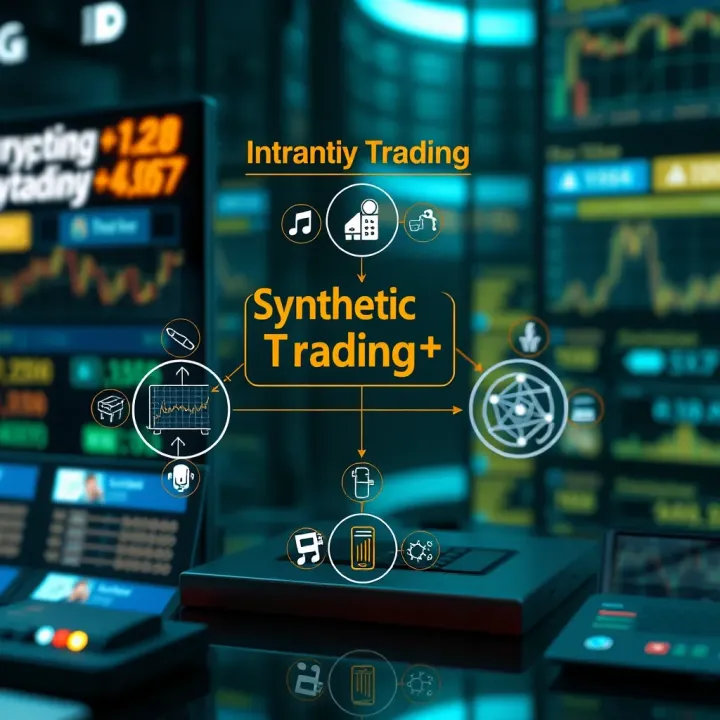
Explore synthetic trading concepts & applications 📈. Learn how Nigerian traders use synthetic positions to manage risks & maximize opportunities in markets.
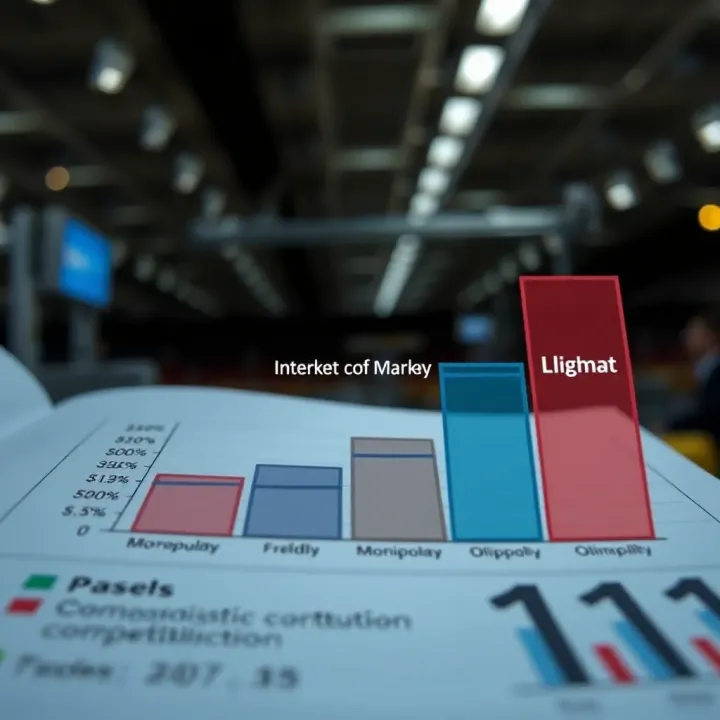
Explore market structures like perfect competition, monopoly, monopolistic competition & oligopoly in Nigeria 🇳🇬. Understand their impact on businesses and consumers 📊.
Based on 13 reviews