
Forex Trading in South Africa: Guide for Nigerian Traders
Explore South Africa's forex market, learn top trading platforms, strategies, and risks. Nigerian traders get practical tips for safe, profitable trading 🇿🇦💱🇳🇬
Edited By
Emily Davies
Trading signals are quick alerts letting traders know when to buy or sell assets. For Nigerian traders, understanding how to interpret these signals can mean the difference between making ₦50,000 profit or suffering losses. These signals can come from various sources like technical analysis, market news, or expert recommendations. However, not all signals carry the same weight or reliability.
In the bustling Nigerian markets, where volatility is often high, particularly for assets like stocks listed on the Nigerian Exchange (NGX) or cryptocurrencies, timely and accurate signals are valuable. For example, a sudden spike in the oil price due to OPEC decisions affects shares of Nigerian energy companies and forex rates, offering trading signals that savvy investors can act on.
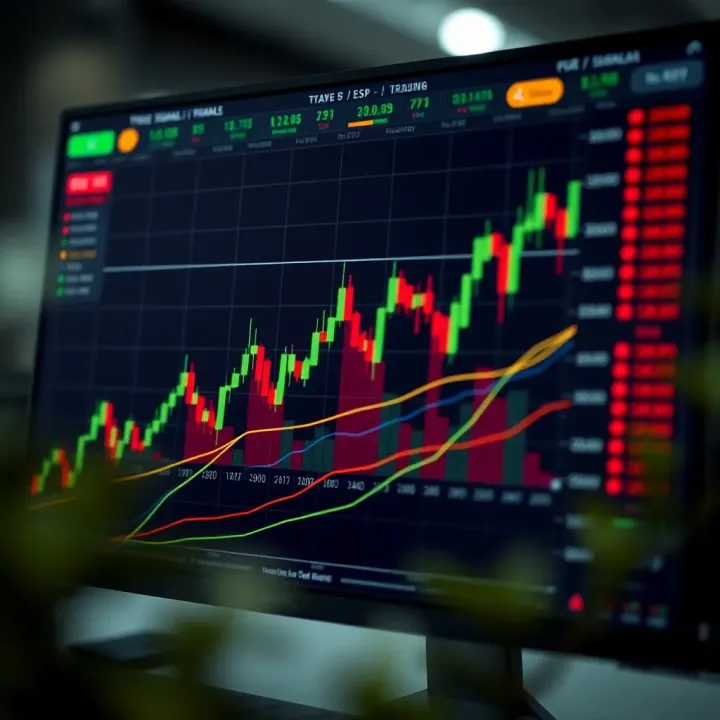
Traders should be aware of three common types of signals:
Technical signals: Indicators such as moving averages, Relative Strength Index (RSI), and Bollinger Bands that highlight price momentum or trend reversals.
Fundamental signals: Economic data releases, company earnings reports, or policy changes from bodies like the Central Bank of Nigeria (CBN) that influence asset values.
Sentiment signals: Market mood shown through volume shifts, social media trends, or news sentiment.
Not every signal should trigger immediate action. It's vital to cross-check signals and consider Nigeria's unique market factors like exchange rate fluctuations and frequent power supply interruptions that can temporarily affect market liquidity.
Practical application requires a blend of signal types. For instance, a trader using technical RSI signals might wait for confirmation from news about a policy change to enter a position. This layered approach helps reduce risks in volatile Nigerian markets.
Before making trades based on signals, Nigerian traders should also factor in transaction costs, such as higher spreads caused by naira volatility, and the cost of using USSD platforms for quick trades.
In the next sections, we'll break down how to identify reliable trading signals, interpret them correctly, and apply them while safeguarding your capital amid Nigeria's dynamic financial environment.
Trading signals serve as important guides for traders looking to make clear decisions in often volatile markets. In Nigeria, where market fluctuations can be influenced by local economic policies, currency variations, and global trends, understanding these signals helps traders know when to buy or sell assets, reducing guesswork.
These signals come from analysing market data and trends, offering practical clues that help investors time their moves better. For example, a strong buy signal could mean a particular stock on the Nigerian Stock Exchange (NSE) is about to appreciate, providing a profitable opportunity.
Trading signals are prompts generated from technical or fundamental analysis that suggest the right time to enter or exit a trade. They typically take the form of indicators, alerts, or recommendations based on market data patterns. Traders use these signals to make decisions rather than acting solely on gut feeling.
In practice, if the Relative Strength Index (RSI) shows a stock is oversold, a trading signal might recommend buying, expecting a rebound. For example, an investor in GTBank shares noticing this could act promptly to benefit.
Traders use signals primarily to improve timing and reduce emotional bias in trading activities. Instead of relying heavily on personal intuition, signals provide data-backed reasons to take action. This helps especially in Nigeria’s fast-moving markets, where delays can cost ₦ thousands or more.
There are two broad categories: manual and automated signals. Manual signals come from traders’ own interpretation of charts or news, requiring experience and quick analysis. Automated signals, on the other hand, are generated by software or algorithms filtering market data instantly, which suits traders who cannot monitor markets constantly.
For instance, a manual trader might notice a head-and-shoulder pattern on a stock chart and decide to sell. An automated system might send an SMS alert recommending the same, based on pre-set criteria, allowing faster decision-making.
Timing entries and exits is where trading signals shine. They point out ideal moments when buying or selling an asset could minimise losses or maximise gains. For Nigerian traders dealing with market unpredictability, signals act like traffic lights, guiding when to stop or go.
A signal might suggest entering a position just before a central bank policy announcement expected to impact the naira. Reacting early based on this signal could secure profits or avoid losses.
In addition to timing, trading signals serve as a tool to complement personal analysis. Traders often combine signals with their knowledge of specific sectors or local events. For example, if the NSE index shows bullish signals but there's unrest affecting a particular region's business, a trader might adjust their decision accordingly.
This blend helps avoid blind reliance on signals, making trading more adaptive to real conditions.
Risk management improves with signals as well. Clear exit points, such as stop-loss levels indicated by signals, protect capital from sudden market swings. For instance, if a signal identifies a support level at which to place a stop-loss order, traders can limit losses without watching the market all day.
Moreover, signals often come with recommended position sizes, helping traders avoid oversized bets that could drain funds quickly. Balancing capital exposure based on trading signals helps preserve resources over the long haul.
Effective use of trading signals doesn’t remove risk but focuses on managing it intelligently, which is especially valuable in Nigeria’s rapidly changing market environment.
Overall, understanding what trading signals are and how they impact your decisions forms the backbone for improving trading performance. They bring clarity and structure, reducing reliance on guesswork and emotional impulses.
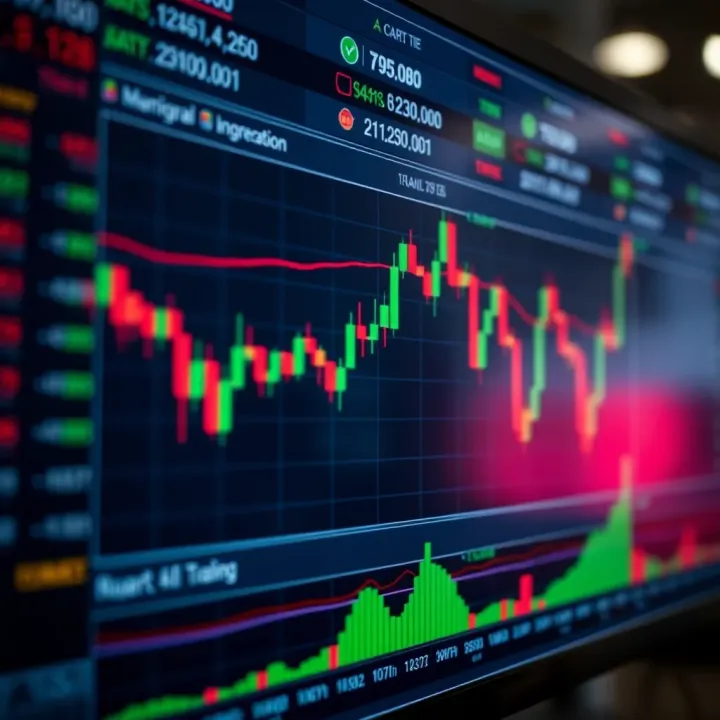
Understanding the sources and types of trading signals helps traders know where to look and what to expect. This clarity improves decision-making by allowing you to select signals that fit your strategy and market conditions. In Nigeria, where market volatility and macroeconomic factors like FX fluctuations are common, recognising the nature of different signals can guide you to better trading outcomes.
Technical analysis signals rely on price behaviour and historical data. Indicators such as Moving Averages, Relative Strength Index (RSI), and Moving Average Convergence Divergence (MACD) provide quantifiable momentum or trend information. For example, if the 50-day Moving Average crosses above the 200-day average, it might signal a bullish trend, suggesting that buying could be profitable. Similarly, RSI can show overbought or oversold conditions that hint at potential reversals.
Chart patterns and candlestick signals are also key. Patterns like head and shoulders or double tops can signal trend reversals or continuations. Candlestick formations such as doji or hammer give clues about market sentiment within a trading period. These visual signals help traders time entry and exit points more precisely, especially on platforms like MetaTrader or MT4 which many Nigerian traders use.
Economic data releases like Nigeria’s inflation rate or unemployment figures directly influence market sentiment, especially for Forex and equities. For instance, a sudden hike in Consumer Price Index (CPI) might hint at naira depreciation, affecting currency trading decisions.
Corporate earnings and news also matter. Strong quarterly results from listed companies like MTN Nigeria or Dangote Cement can trigger buying interest, as traders anticipate stock price appreciation. On the flip side, bad news or profit warnings may lead to quick sell-offs.
Central Bank policies play a big role. The Central Bank of Nigeria (CBN) adjusting interest rates or intervening in the FX market affects liquidity and currency values. Traders closely watch CBN monetary policy meetings because a change can alter market direction swiftly, especially in the volatile Nigerian environment.
Subscription services offer curated trading signals but their credibility varies widely. It’s vital to check track records and user reviews before trusting any service. Some signal providers specialise in Nigerian markets, offering context-relevant advice, while others focus on global assets with little local insight.
Signals come through SMS, dedicated apps, or email depending on provider and user preference. Tanzing real-time updates via apps like Aboki FX or platforms with push notifications helps traders act quickly, a crucial edge when market moves happen fast.
Popular platforms for Nigerian traders include MT4, and newer apps like Oanda or IQ Option. These offer built-in signals and social trading features, allowing users to learn from and copy experienced traders. Using platforms compatible with local payment systems like Paystack or Flutterwave streamlines deposits and withdrawals, making signal usage practical.
Choosing the right source and type of trading signal is not just about picking a tool; it involves matching signals to your trading style, the assets you handle, and the Nigerian market’s unique twists. Always combine signals with good judgment to avoid costly mistakes.
Applying trading signals effectively in the Nigerian market is not just about following tips blindly. It's about blending signals with a deep understanding of local market conditions, personal strategies, and available tools. Doing this well can improve your timing for buying and selling, reduce losses, and ultimately boost profitability.
Backtesting signals using historical data helps traders see how well a particular signal would have worked before they commit real money. For instance, you can test moving average crossover signals on Nigerian equities listed on the NGX over the past year to check their accuracy. Backtesting lets you identify which signals match your risk appetite and market style, so you’re not flying blind.
Adjusting signals to suit Nigerian market behaviour is equally important because local factors like inflation rates, currency fluctuations, and political events affect price movements uniquely. For example, signal patterns that work well in more stable markets might give false alarms during periods of naira volatility or fuel scarcity. A trader who understands these nuances can tweak signal thresholds or timing to avoid unnecessary losses.
Balancing trading signals with your own judgement means treating signals as helpful hints rather than gospel truth. If your gut or knowledge about an upcoming CBN policy shift conflicts with a signal, consider investigating further before acting. Combining signals with insights from Nigerian business media, such as reports on NGX trends or fiscal policy announcements, often results in smarter trades.
Popular trading platforms like MTN Trade, Trove, and Chaka offer integrated signal alerts and technical analysis tools tailored to Nigerian securities. These platforms provide real-time data, allowing you to act promptly on signals. Their user-friendly interfaces make it easy even for beginner traders to interpret signals effectively.
Mobile apps and USSD services are also vital for Nigerian traders who need signal updates on the go. Apps such as OPay and PalmPay sometimes offer financial market updates and notifications. Using USSD codes tied to brokerages can help quickly check market prices and alerts without relying on constant internet access.
Accessing trustworthy financial news from Nigerian sources like BusinessDay, Nairametrics, and The Guardian provides essential context to complement signals. Real-time news on economic outlook, CBN’s monetary policy, or company earnings can affect signal reliability. Staying informed helps you filter noise from genuine trading opportunities.
Effectively applying trading signals in Nigeria takes more than following recommendations. It demands context, adjustment, and wise use of local tools and information. This approach separates successful traders from those burning through capital.
Trading signals can serve as handy guides for Nigerian traders, but they come with risks that deserve close attention. Without being aware of these challenges, traders may fall into traps that lead to unnecessary losses. Understanding the pitfalls and how to manage capital carefully can significantly improve trading outcomes.
Many traders make the mistake of blindly following trading signals without grasping the reasoning behind them. For example, relying solely on a Moving Average Crossover signal without knowing its limitations can result in poor decisions during sideways market conditions common in Nigerian equities. A signal should not replace personal analysis; instead, it must complement it. Understanding why a signal triggers helps avoid rash moves and prepares traders to handle unexpected situations.
With numerous signal providers available, especially online, Nigerian traders must be cautious about the source's credibility. Some providers may offer flashy promises of quick profits but lack a track record or transparent methodology. For instance, subscribing to unverified WhatsApp signals without cross-checking can lead to falling prey to scams or false alerts. Always verify the history and reputation of a signal service before committing funds.
Markets in Nigeria and globally can experience rapid shifts, often triggered by political developments, CBN policy changes, or global commodity price swings. Signals generated before such sudden events rarely capture the new market reality. Traders ignoring this volatility may act late or incorrectly. It's vital to stay alert and weave recent market news into signal-based decisions to avoid losses from unexpected swings.
Stop-loss orders act as safety nets that limit losses when a trade moves against you. Nigerian traders face high market volatility and frequent price gaps, so using stop-loss helps preserve capital. For example, setting a stop-loss at a reasonable distance below a support level in the NSE shares trade can prevent ruinous losses during downturns. Stop-losses should never be ignored or set too far out, as that defeats their protective purpose.
Managing the size of each trade relative to total capital keeps risk in check. Good practice limits risk on any single trade to a small percentage—often between one to three per cent of your total trading capital. Oversized positions can wipe out gains achieved over months in a single bad trade, especially with volatile assets like oil stocks or Forex pairs popular among Nigerian traders. Using position sizing tools or built-in features in platforms like MT4 can make this task easier.
Putting all your funds into one asset or following every signal aggressively increases risk exposure. Diversifying across sectors like banking, telecommunications, and consumer goods on the NSE spreads risk. Moreover, overtrading—entering too many positions following every signal—can lead to eroding gains through transaction costs and emotional fatigue. Sticking to a well-thought-out trading plan that balances signal use and risk tolerance will produce steadier, sustainable results.
Protecting your capital should be your top priority when using trading signals. Sensible risk management coupled with critical evaluation of signals helps navigate Nigeria's dynamic market environment with confidence.
By recognising these risks and practising disciplined capital management, Nigerian traders can use trading signals effectively without falling prey to common traps and losses.
Trading signals can be powerful tools for traders, but their true value depends on how you use them. This section focuses on practical ways to enhance your trading outcomes by continuously learning, adapting signals to local conditions, and blending them with relevant Nigerian market information. These final tips can help you avoid common mistakes and refine your approach for consistent gains.
Keeping track of signal performance means monitoring how well signals have predicted market movements over time. You don’t want to blindly follow any tip without assessing its success rate. For instance, if a signal history shows that it misses key reversals during Nigeria Stock Exchange (NGX) earnings seasons, you need to adjust your response or avoid relying solely on that signal. Keeping a simple spreadsheet or journal of signals used, trade outcomes, and lessons learned sharpens your skills.
Adapting to changing market conditions is just as vital. Nigerian markets often react unpredictably to political developments, fuel subsidy changes, or currency volatility. A signal that worked well during stable times might falter when naira exchange rates shift dramatically. Smart traders update their methods regularly, combining signals with fresh insights about ongoing events. For example, during ember months when market activity intensifies, signal interpretation might require more caution.
Seeking mentoring or peer groups provides valuable feedback and fresh perspectives. Sharing your trading experiences and signal interpretations with experienced traders or joining communities focused on Nigerian markets can improve your understanding. These groups often discuss regulatory shifts or sector-specific trends impacting signals. Mentors can highlight blind spots you missed, reducing costly mistakes, especially in volatile sectors like oil and banking.
Considering Nigerian macroeconomic factors ensures signals aren’t used in isolation. For example, CBN monetary policy rate changes can influence banking stocks despite technical signals pointing otherwise. Tracking inflation rates, foreign portfolio flows, and election cycles gives context to signal-driven decisions. This holistic view can prevent you from entering or exiting trades based on signals that ignore broader economic realities.
Following regulatory updates from CBN and SEC helps you stay aware of rules affecting market operations. New policies or restrictions can abruptly shift market sentiment and invalidate certain signals. For instance, CBN’s foreign exchange controls or SEC’s trading suspensions are events no signal services might immediately reflect.
Using signals alongside news from Nigerian business media like BusinessDay or Nairametrics adds a practical layer of insight. Real-time news about company earnings, government projects, or fuel price changes can clarify or contradict what signals suggest. If a signal recommends buying a stock that just received a negative regulatory report, you’ll know to tread carefully.
Always remember: signals are tools, not crystal balls. Marrying them with local knowledge and constant evaluation gives Nigerian traders a sharper edge in unpredictable markets.
By following these tips, you can navigate Nigerian trading markets more confidently and avoid falling into the trap of relying on signals without context or ongoing review.
Explore South Africa's forex market, learn top trading platforms, strategies, and risks. Nigerian traders get practical tips for safe, profitable trading 🇿🇦💱🇳🇬

Explore OlympTrade's trading options, registration steps, payment methods, and risks. Perfect guide for Nigerian traders aiming to grow with smart investments 📈💰.
Explore Binary.com trading in Nigeria 🇳🇬: setup, security tips, and trading types. Get ready to trade smarter with practical advice and insights! 💼📊
📊 Compare TradingView and Deriv.com to find the best trading platform for Nigerian traders. Discover tools, features, and support for smarter trading decisions!
Based on 5 reviews