

Understanding Trading Brokers in Nigeria
Discover how trading brokers connect Nigerian traders to markets, their key services, account types, useful tips, and local regulations to trade smarter 💹📊
Edited By
Henry Shaw
Synthetic indices have quickly gained attention among trading enthusiasts in Nigeria and elsewhere, especially within proprietary trading firms (prop firms). These indices mimic real-world market indices but are generated by algorithms, allowing round-the-clock trading without dependence on actual market hours or economic events.
Prop firms specialise in offering traders access to synthetic indices with the firm providing capital, infrastructure, and risk management. Traders in Nigeria often find this attractive, as synthetic markets offer alternative opportunities beyond standard Forex or equities markets, allowing them to trade during off-hours or periods of market instability.
Continuous Market Access: Unlike traditional indices, synthetic ones run 24/7, letting traders catch moves anytime, even on weekends.
Predictable Volatility Patterns: These indices have programmed volatility cycles. For instance, a 'Volatility 25' index simulates price movements roughly equal to 25% annualised volatility.
No Exposure to Macro Risks: Since synthetic indices don't track real-world assets, they're insulated from geopolitical shocks or economic data surprises.
For Nigerian traders, synthetic indices provide a blend of excitement and relative predictability, but it’s vital to grasp their algorithm-driven nature to avoid unrealistic expectations.
Prop firms, by design, use risk controls and leverage to manage exposure on synthetic indices. This business model differs from brokers, as prop firms focus on shared profit schemes, often requiring traders to prove competence through evaluation programmes before scaling capital.
In context, a Nigerian trader working with a reputable prop firm might start trading synthetic indices with a modest deposit or no money at all, under the firm’s capital allocation. Success depends on disciplined execution, understanding index behaviour, and adapting to firm-specific rules.
Overall, synthetic indices present a compelling trading option within Nigeria’s growing prop trading scene. They open doors for traders ready to experiment with new markets and sharpen risk management skills, provided they invest time to learn the unique characteristics of these products and their trading environment.
Synthetic indices are gaining significant attention among traders, especially within proprietary trading firms. Understanding what these indices represent and why traders find them attractive is crucial for anyone looking to navigate this space effectively. Beyond just another trading product, synthetic indices offer unique characteristics that make them a practical alternative to traditional assets like stocks or forex.
Synthetic indices are simulated market instruments designed to mimic real market behaviours but presented in a controlled environment. They are generated using mathematical models and algorithms rather than based on actual company shares or currency pairs. This means traders engage with price movements that are artificially created but crafted to reflect volatility and trends akin to those in real markets.
For example, rather than dealing with the complexities of a fluctuating stock market influenced by corporate performance, synthetic indices provide a consistent and predictable volatility pattern. This makes them particularly appealing for traders who prefer a more structured market environment.
Compared to traditional assets such as stocks or forex, synthetic indices differ because they don’t rely on external economic or political events. While stock prices can nosedive overnight due to geopolitical tensions or central bank announcements, synthetic indices maintain steady volatility based on programmed parameters. This distinction gives traders a clearer understanding of risk and potential reward without the noise of unpredictable market shocks.
Key features of synthetic indices include distinct volatility profiles tailored to different risk appetites and, importantly, round-the-clock availability. Unlike stock exchanges that trade only during specific hours, synthetic indices are accessible 24/7. This is particularly convenient for Nigerian traders, who can trade outside regular market hours without worrying about exchange closures.
One major allure of synthetic indices is their accessibility at any hour. Traders in Nigeria can engage with markets late at night or early morning, times when traditional markets are usually closed. This flexibility fits the hectic schedules of many Nigerians who may juggle other jobs or commitments.
Additionally, synthetic indices offer leverage options combined with controlled volatility. Prop firms often design these indices to allow traders to amplify their positions while managing downside risks through set volatility levels. For instance, a trader can pick an index with moderate volatility, reducing sudden large swings that could wipe out capital quickly.
Another compelling reason is the reduced exposure to geopolitical and economic shocks common in traditional asset classes. Since synthetic indices are not tied to actual economic events or currency devaluations, traders avoid surprises like naira devaluation or unexpected policy changes impacting the market. This can be a significant advantage, especially given Nigeria's sometimes volatile economic environment.
Traders looking for consistent trading opportunities will find synthetic indices a practical option, combining predictability with flexibility unmatched by many other markets.
Overall, understanding synthetic indices and their appeal equips traders, especially within proprietary trading firms, to better assess where these instruments fit within their strategies. This knowledge also helps in managing expectations around risk, trading hours, and market behaviour unique to these simulated indices.
Proprietary trading firms (prop firms) that focus on synthetic indices operate with unique business models tailored to the specific features of these markets. Their setup provides traders—especially those in Nigeria—the opportunity to access leveraged capital while operating in a controlled risk environment. Understanding their operations helps traders navigate this space better and maximise potential returns.
Prop firms typically provide traders with capital to trade on their behalf, removing the need for large personal funds. This funding is not a donation but is allocated based on the trader’s skill during an evaluation phase. For example, a Nigerian trader might start with a virtual capital of ₦5 million or equivalent in dollars during a trial, and, upon success, gain access to live trading accounts funded with real capital, sometimes upwards of ₦20 million.
This model allows traders to access markets they couldn’t afford alone, spreading firm risk across many individuals. It also means traders trade with accountability since losses impact the firm’s capital.
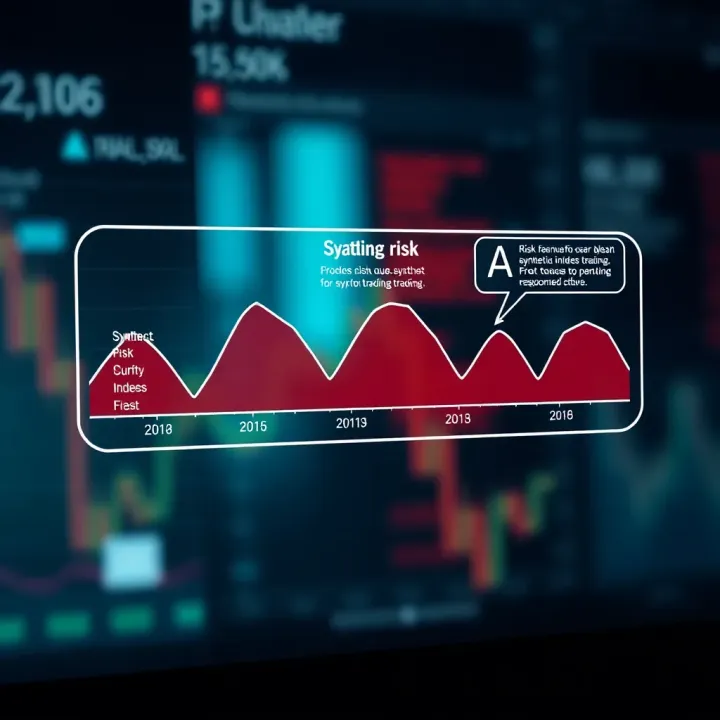
The arrangement between trader and prop firm revolves around profit sharing. Usually, the trader keeps a portion of the profits, commonly 50-70%, while the prop firm takes the rest as a return on their capital and infrastructure risk.
Fee structures differ but might include small monthly subscriptions or fees to access the platform or data feeds. This setup ensures the firm secures steady income beyond profit splits and encourages traders to perform well. For example, a trader making ₦1 million profit might take home ₦600,000 while the firm pockets ₦400,000, providing both parties with clear incentives.
Prop firms use strict evaluation metrics to assess trader performance during testing and live stages. Key measures include profit targets, maximum drawdowns, daily loss limits, and trading consistency.
Discipline is paramount because synthetic indices can be volatile and sometimes unpredictable. Firms often require traders to stick to predefined risk management rules, including mandatory stop-losses and position size controls. These measures protect the firm’s capital and ensure traders develop sustainable strategies rather than gambling recklessly.
Some prop firms develop proprietary trading platforms tailored for synthetic indices. These platforms integrate advanced risk controls, real-time analytics, and customised interfaces suited for fast, algorithm-driven markets.
Others use third-party platforms such as MetaTrader 5 or platforms provided by brokers like Deriv, which offer synthetic indices alongside forex and stocks. In-house platforms may offer better integration for risk management but third-party platforms provide flexibility and familiarity to traders used to mainstream tools.
Integration with brokers is key. Many prop firms collaborate with brokers like Deriv, a popular choice offering 24/7 synthetic indices trading. These connections help ensure traders get reliable price feeds, executions, and access to leverage.
Such integrations also help Nigerian traders navigate payment and withdrawal challenges, as brokers with local-friendly payment options ease fund flows, supporting smoother profit withdrawals and capital funding.
A prop firm’s technology backbone is critical, especially for traders in Nigeria who may face infrastructural challenges such as power outages or fluctuating internet quality.
Quality firms provide servers with minimal downtime, backup connectivity options, and mobile-friendly platforms to help traders stay connected during volatile sessions. For instance, cloud-based platforms ensure traders can monitor and manage trades even on mobile data during ember months when power supply is less reliable.
Proper technology and disciplined capital allocation define the operational backbone of prop firms leveraging synthetic indices. Understanding this framework equips traders to engage confidently and sustainably.
In essence, proprietary trading firms offer structured pathways for traders to access synthetic indices markets with allocated capital, realistic profit-sharing plans, and key performance metrics backed by reliable technology. Nigerian traders can benefit from these models, provided they embrace discipline, choose suitable platforms, and manage technology risks wisely.
Understanding the risks involved in trading synthetic indices is essential for any trader aiming to succeed within proprietary trading firms. Synthetic indices behave differently from traditional markets because their price movements are driven by algorithms rather than actual supply and demand. This creates unique challenges that require solid risk management and strict adherence to controls.
Algorithm-driven price movements shape the behaviour of synthetic indices. Unlike stocks or commodities influenced by real-world events, synthetic indices are generated by complex algorithms designed to simulate market conditions. This means price changes can be swift, precise, and sometimes counterintuitive, making it difficult to apply conventional trading strategies. For example, a sudden spike in volatility may occur without any triggering news, reflecting the algorithm’s programmed randomness rather than market sentiment.
Liquidity and slippage concerns also differ from traditional assets. Since synthetic indices are created on proprietary platforms, the level of liquidity depends on the firm’s infrastructure rather than a broad market. This can result in slippage—when an executed trade price differs from the expected price. During periods of high volatility, slippage can erode profits or deepen losses quickly. Traders must be ready to manage orders carefully and accept that execution prices may occasionally diverge from chart predictions.
The impact of leverage on potential losses is even more pronounced in synthetic indices trading. Leverage allows traders to control larger positions with smaller capital, but it amplifies losses as well. For instance, a 10x leverage means a 1% adverse move can wipe out 10% of the trading account balance. Prop firms often set leverage limits to balance potential gains and risks, reminding traders to apply caution and size positions according to their risk appetite.
To protect both the firm and traders, prop firms enforce mandatory stop-loss and position limits. Stop-loss orders automatically close trades at predefined loss points to prevent runaway losses. Position limits restrict the maximum size a trader can hold in any synthetic index, ensuring no single trade can cause disproportionate damage. These controls help maintain liquidity and keep trading within manageable risk thresholds.
Daily loss caps and drawdown monitoring serve as additional safety nets. Firms set daily maximum loss limits, and if a trader hits this cap, their trading is paused or reviewed. Continuous drawdown tracking guards against prolonged negative performance that could jeopardise allocated capital. These measures foster disciplined trading behaviour while preserving the sustainability of trader funding.
Finally, prop firms emphasise trader behaviour and compliance policies. Traders must follow firm rules closely, like avoiding excessive risk-taking or emotional decisions. Regular feedback and performance reviews encourage accountability and continuous improvement. For example, a trader repeatedly breaching position limits may face retraining or suspension until risk management improves. This discipline ensures firm capital and reputations are safeguarded, allowing traders to develop in a structured environment.
Effective risk management is not just a formality but a necessary framework for thriving in synthetic indices trading through prop firms. Knowing the market’s quirks and adhering to strict controls protects both capital and opportunities for long-term success.
Joining a proprietary trading (prop) firm that specialises in synthetic indices is not just about signing up and pressing buy or sell. It involves a structured process to ensure you’re ready to trade these unique instruments responsibly. Understanding these steps helps you get prepared, avoid common pitfalls, and make the most of the capital and opportunities prop firms offer.
Most prop firms start with a demo trading challenge. This is where you trade simulated synthetic indices on a demo account with set rules. The aim is to assess your discipline, strategy, and ability to manage risk under realistic conditions. For example, you might need to hit a profit target like 10% within 10 days without breaching maximum drawdowns. This filtering ensures only those with proper trading temperament move forward.
Qualification criteria often focus on risk management adherence and consistent profit-making. Firms look beyond just securing gains; they want traders who can stick to stop-loss levels and maintain stable performance. Passing this stage means you qualify for live funded accounts under the firm’s capital, but failing might mean repeating the process or improving certain skills first.
Evaluation timelines vary, but usually, initial challenges last between one to four weeks. Some prop firms offer flexible retakes, allowing traders to retry after a cooling-off period. This balances urgency with fairness, giving traders a chance to sharpen skills without long delays.
After meeting the testing requirements, the firm allocates initial trading capital, which could range from ₦500,000 to ₦10 million depending on the firm's policy and your performance. You don’t risk personal money, which is a huge advantage if you’re starting out or want to access larger positions than your personal savings allow.
Profit splits with the firm are typically around 70:30 or 80:20 in favour of the trader. Payments happen weekly or monthly, ensuring you regularly take home results of your efforts. This clear schedule keeps finances predictable and motivates consistent focus.
Successful traders often get scaling opportunities. This means the prop firm increases your trading capital gradually, sometimes doubling it if you maintain steady profits over time. It’s a pathway to growing your income without needing new capital injections.
Knowing the characteristics of synthetic indices is key. Unlike equities or forex, synthetic markets run 24/7 and reflect algorithmic price moves designed to mimic real market volatility. Understanding this helps tailor strategies effectively, avoiding pitfalls like overtrading during unpredictable spikes.
Solid risk management is critical. Techniques such as precise stop-loss placement, fixed daily loss limits, and position sizing matter a lot. Prop firms monitor these closely since they protect both the trader’s and firm’s capital.
Lastly, good technology skills matter. Proficiency in charting software, order execution platforms, and managing multiple screens can improve reaction time and decision-making precision. Many Nigerian traders benefit from platforms like MetaTrader alongside proprietary tech provided by their prop firms.
Joining a synthetic indices prop firm means committing to growth through structured assessment, managed risk, and clear capital partnership — offering traders an avenue to scale beyond personal limits with real professional support.
Synthetic indices trading offers Nigerian traders a unique opportunity to access global markets with relative ease. Still, local factors such as regulations, infrastructure, and payment systems shape how traders can effectively engage with prop firms. Understanding these elements ensures traders can navigate the market without running into avoidable issues or delays.
Nigeria’s regulatory framework does not explicitly address synthetic indices, largely because these instruments are relatively new and often structured outside traditional financial markets. Consequently, many Nigerian traders operate in a grey zone without clear protections. This means it’s essential to verify the regulatory status of a prop firm and the platforms they use. For example, some prop firms may be registered offshore, and Nigerian authorities like the Securities and Exchange Commission (SEC) may not have jurisdiction over their activities.
The SEC Nigeria provides guidelines primarily focused on local capital markets, but it is increasingly paying attention to digital trading platforms. Traders should keep updated on SEC releases, especially regarding cross-border trading and the legality of derivatives. Being cautious about firms with unclear regulatory backing protects traders from potential fraud or licence issues that could impede withdrawals or dispute resolution.
Tax implications also matter for Nigerian traders. Profits from synthetic indices trading, like any form of investment income, are subject to taxation under Nigerian law. The Federal Inland Revenue Service (FIRS) expects Nigerians to report earnings gained from trading activities. While this can seem complicated, keeping records of trades, profits, and withdrawals helps during tax filing. Ignoring these obligations can lead to penalties, especially if profits reach substantial amounts.
Infrastructure remains a significant hurdle. Frequent power outages and unstable internet connections can disrupt a trader’s ability to execute timely orders, leading to missed opportunities or losses. For example, a trader in Lagos might face up to six hours of power outage daily, forcing reliance on costly generators. Internet service providers also vary in quality, so it’s worth investing in a reliable fibre optic connection or a mobile broadband backup.
Accessing international payment solutions is another critical factor. Many Nigerian banks restrict or delay foreign currency transactions, complicating profit withdrawals from prop firms that pay in dollars, euros, or cryptocurrencies. Traders increasingly depend on fintech services like Paystack, Flutterwave, or crypto wallets that facilitate faster cross-border transfers. Still, verifying withdrawal options before committing is wise to avoid funds being frozen or delayed.
That said, Nigeria’s fintech scene and prop trading communities present exciting opportunities. Organisations such as the Nigerian Fintech Association and online prop trading groups provide valuable support networks. They offer training, mentorship, and information sharing that can fast-track a trader’s learning curve. Plus, growing local interest is making it easier to find reliable brokers and platforms aligned with Nigerian traders’ needs.
Nigerian traders seeking to succeed with synthetic indices must blend awareness of local constraints with tapping available technological and community resources. This mix aids better decision-making and smoother trading experiences.
In summary, while challenges persist, informed Nigerian traders who prepare well can navigate synthetic indices prop firms successfully — turning global opportunities into real profits.
Discover how trading brokers connect Nigerian traders to markets, their key services, account types, useful tips, and local regulations to trade smarter 💹📊
📈 Discover how the best trading platforms help Nigerian investors access stocks, forex, and commodities securely with local market insights and reliable features.

📈 Discover how synthetic indexes create fresh trading spots without real assets, their risks, and rising impact on Nigeria’s online markets and fintech scene.
Ready to trade online in Nigeria? 📈 Learn practical steps, popular platforms, risk tips, and legal must-know facts to trade confidently and grow your ₦ safely.
Based on 13 reviews