
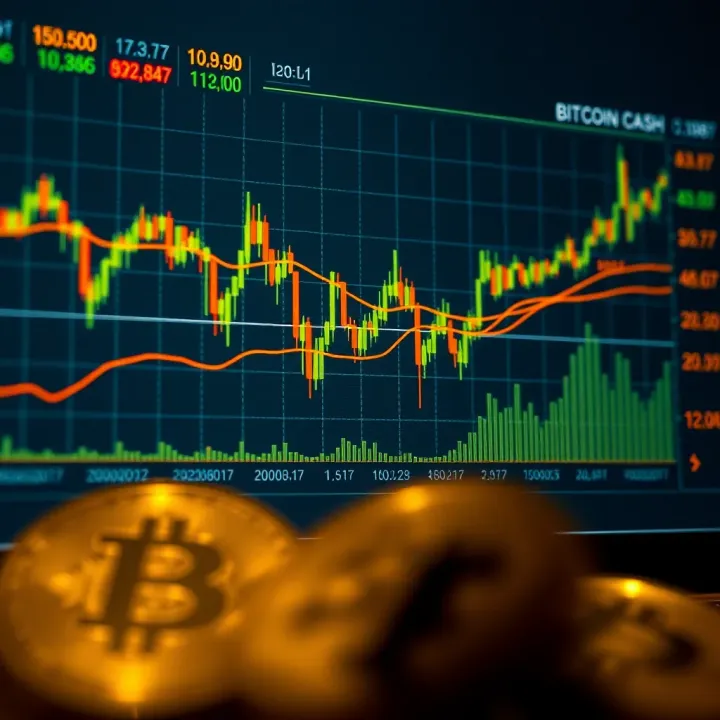
Bitcoin Cash Price Prediction and Market Trends
Explore Bitcoin Cash (BCH) price movements, key market drivers, expert predictions, and risks. A guide for Nigerian crypto investors 📈💰🇳🇬
Edited By
George Spencer
Bitcoin remains a hot topic in Nigeria’s financial scene, especially for investors and traders watching its price movements daily. Understanding today’s bitcoin price prediction involves looking beyond global headlines — Nigerians need to consider local factors like naira fluctuations, energy costs, and regulation shifts that affect cryptocurrency markets here.
Over the past weeks, Bitcoin’s price has exhibited volatility, swinging between $28,000 and $33,000, roughly ₦13 million to ₦15.5 million at parallel market rates. Such swings can trigger sudden decisions by Nigerian traders, especially those converting profits to naira or funding other ventures like trading tokunbo goods or supporting small businesses.

For Nigerian investors, grasping both global bitcoin trends and local economic indicators offers a clearer picture of short-term price directions.
Global crypto markets: Events like US Federal Reserve interest rate announcements or unexpected shifts in crypto regulations abroad ripple into Nigerian bitcoin prices almost immediately.
Naira exchange rate: With the persistent naira instability against the dollar, many Nigerians turn to bitcoin as both an investment and a store of value, pushing demand up or down depending on FX trends.
Energy costs: High generator fuel prices raise mining costs, which can limit local bitcoin supply, adding pressure on prices during peak demand.
CBN policies: The Central Bank of Nigeria’s stance on crypto exchanges and transaction monitoring influences investor confidence and market liquidity.
Monitor US dollar to naira exchange rates closely, as bitcoin prices in naira mirror this dynamic.
Keep an eye on global bitcoin technical indicators — price support and resistance levels often spill over into Nigerian markets.
Understand the local regulatory environment, especially recent SEC notices or CBN directives, which might impact trading platforms and liquidity.
Consider hedging strategies or dollar-denominated accounts to reduce exposure to naira volatility.
Nigerian bitcoin traders should combine these insights with reliable price tracking tools and local news sources. Doing so is key to navigating today’s bitcoin market with confidence and seizing profit opportunities amid uncertainty.
Understanding current bitcoin price trends is essential for anyone navigating Nigeria's dynamic crypto market. Recent price movements reflect investor sentiment, market liquidity, and broader economic influences. Tracking these developments helps traders and investors make informed decisions amid the often volatile landscape.
Last week saw bitcoin prices oscillate between ₦18 million and ₦19 million on major Nigerian exchanges such as Binance Nigeria and Luno. This swing responded largely to global uncertainty and shifting demand from local investors reacting to naira instability. Notably, a midday surge coincided with news of easing fuel scarcity, which boosted market confidence briefly before prices settled.
Global events continue to sway bitcoin’s value. For instance, tightening monetary policies in the US and Europe caused some nervousness, pushing prices down globally and by extension in Nigeria. Meanwhile, geopolitical tensions in Eastern Europe added extra weight, as investors often use bitcoin as a hedge during periods of economic unease. Such international factors can't be ignored in local price analysis.
Trading volume trends further illuminate market behaviour. There has been a gradual increase in bitcoin transaction volumes on Nigerian platforms over the past fortnight, signalling growing interest. This uptick reflects wider crypto adoption by retail traders looking for alternatives to unstable naira holdings. However, volume spikes often precede price corrections, so investors must stay alert.
Ethereum and various altcoins have shown more volatility recently compared to bitcoin. Ethereum’s price movements, influenced by network upgrades like the move to proof-of-stake, have drawn attention but remain less stable. Altcoins often experience sharper rallies and dips, making them riskier for cautious investors. Observing these trends helps Nigerian traders balance their portfolios according to risk appetite.
Despite competition, bitcoin still dominates the crypto market locally and globally. It accounts for over 60% of total market capitalisation on Nigerian exchanges and remains the go-to digital asset for many investors. This dominance underlines bitcoin’s role as a reference point for market confidence and price trends, guiding investment strategies across the crypto space.
Tracking the interplay between bitcoin, altcoins, and global events provides Nigerian investors with timely insights crucial for making savvy decisions in today's crypto market.
In summary, close observation of bitcoin's price trends and volumes, alongside a comparison with other cryptocurrencies, equips Nigerian market participants to navigate the crypto waters with confidence and foresight.
Understanding the factors influencing Bitcoin prices is key for anyone trading or investing in the Nigerian market. Bitcoin’s value rarely moves randomly; it responds to technical signals, fundamental developments, and wider economic forces. Being aware of these elements helps you anticipate trends and make more informed decisions.

Moving averages smooth out price data over a set period to reveal trends, helping traders spot momentum shifts. For example, when the 50-day moving average crosses above the 200-day, often called a “golden cross,” it signals potential upward momentum. On the other hand, the Relative Strength Index (RSI) measures if Bitcoin is overbought or oversold. An RSI above 70 suggests overbought conditions, hinting at a possible price drop, while below 30 suggests oversold, indicating potential buying opportunities.
For Nigerian traders, syncing these tools with local market events can be useful. For instance, when CBN announces monetary policy changes amid rising inflation, a combined RSI dip with moving average crossover might hint at a Bitcoin price rally as investors seek shelter.
Support levels mark price points where Bitcoin tends to stop falling and bounce back, while resistance levels indicate where prices stall on the way up. Recognising these zones helps you set entry and exit points. If Bitcoin approaches a strong support around ₦15 million but fails to hold below it, it presents a buying chance for traders anticipating a rebound.
In Nigeria’s volatile economic environment, support and resistance levels can shift quickly due to local factors like naira depreciation or forex availability. Traders should monitor these levels closely alongside news headlines.
Bitcoin’s price also reflects the mood of participants—whether optimistic or fearful. Sentiment analysis uses social media trends, news coverage, and trading volumes to gauge this. For example, increased chatter on Nigerian fintech forums about Bitcoin adoption or positive regulatory signals often improves market confidence, pushing prices up.
On the other side, fear over crypto restrictions or scams can dampen prices sharply. Sentiment tools help traders act timely, avoiding being caught unprepared.
Global economic policy shifts have ripple effects on Bitcoin. When major central banks like the US Federal Reserve adjust interest rates, it impacts investor appetite for risk assets. A rate hike may lead to sell-offs in cryptocurrencies, as seen in past months.
For Nigerian investors, this means watching foreign policy movements closely because crypto tends to react faster than traditional markets. Moreover, global inflation trends and geopolitical tensions also affect Bitcoin’s role as a hedge.
Technological upgrades or network issues directly influence Bitcoin’s appeal. For example, the Bitcoin Taproot upgrade introduced in November 2021 enhanced privacy and transaction efficiency, boosting confidence among users and investors.
Delays or security concerns, however, can cause sudden price drops. Nigerians using Bitcoin for remittances or trading should track such updates through reputable crypto news platforms to gauge potential price movements.
When large players like hedge funds, corporations, or asset managers invest in Bitcoin, it signals confidence and tends to inflate prices. For instance, corporate adoption announcements by companies like Tesla or funds managed by BlackRock have historically triggered price surges.
In Nigeria, where institutional crypto participation is emerging but still limited, any news of local banks or investment firms entering the space can significantly influence demand and price levels. Keeping an eye on this trend can provide trading or investment advantages.
Understanding these technical and fundamental factors empowers you to navigate Bitcoin’s unpredictable market better, especially amid Nigeria’s unique economic conditions. Combining data analysis with local insights makes your strategy relevant and effective.
Understanding local economic and regulatory factors is essential for anyone involved in Bitcoin trading or investment in Nigeria. These elements directly influence how Bitcoin is priced, adopted, and traded within the country. For Nigerian investors, shifts in the naira’s value or government policies can create both opportunities and risks that shape market decisions.
Naira depreciation tends to increase interest in Bitcoin as a store of value or hedge against local currency weakness. When the naira loses value, people look for alternatives to protect their savings from inflation and exchange rate instability. Bitcoin’s global nature and limited supply make it attractive in these periods. For example, during recent naira declines against the dollar, many Nigerians turned to Bitcoin to preserve wealth and facilitate cross-border transactions.
However, this demand surge comes with caution. Volatility in Bitcoin itself means that while it can guard against naira depreciation, it also exposes investors to crypto price swings. Traders need to watch how Central Bank of Nigeria (CBN) policies affect liquidity and currency stability because sudden monetary moves can ripple into crypto demand.
The CBN has been clear about its cautious approach to cryptocurrencies. Official policies often seek to limit crypto trading due to concerns over financial stability and illegal activities. For instance, the 2021 directive restricting banks from facilitating crypto transactions pushed many traders to peer-to-peer platforms. Though this policy curbed access through formal banking channels, it also led to a rise in informal trading and challenged regulation enforcement.
Recent government stances show a somewhat mixed view on crypto. While outright bans have not been declared, regulatory bodies stress caution and insist on compliance with existing financial laws. The government’s position influences investor confidence; unclear or restrictive policies can slow adoption, while clear frameworks can attract institutional interest.
Taxation is another key area. Nigerian investors should be aware that profits from cryptocurrency trading are subject to taxation by the Federal Inland Revenue Service (FIRS). Compliance means keeping detailed records of transactions and declaring gains during tax filings. Ignoring these obligations risks penalties, so professional advice is often necessary.
Restrictions on crypto exchanges have shaped the market environment too. After the CBN's banking ban on crypto payments, many exchanges moved offshore or worked through decentralized systems. This limits ease of access for everyday Nigerians but encourages the growth of fintech solutions and peer-to-peer marketplaces. Traders must choose platforms carefully, balancing convenience with security and regulatory compliance.
For Nigerian Bitcoin investors, keeping an eye on local currency trends and regulatory developments is as important as monitoring global market movements. Staying informed helps manage risks and spot opportunities in this evolving space.
Investing in bitcoin within Nigeria’s unique economic environment demands practical strategies tailored to local challenges. This section highlights essential tips that can help investors protect their capital and make informed decisions amid high volatility and evolving regulations. Nigerian investors, whether seasoned traders or newcomers, stand to benefit by understanding risk management and choosing trustworthy platforms.
Risk mitigation strategies are vital given bitcoin’s notorious price swings, especially in Nigeria where external factors like naira depreciation and inconsistent power supply add to uncertainties. Diversifying your portfolio beyond bitcoin, using stop-loss orders to limit potential losses, and avoiding investing funds needed for daily living are basic, yet crucial steps. For example, allocating only a portion of investment capital to bitcoin while placing the rest in fixed income or blue-chip stocks can cushion against sharp dips.
Moreover, keeping a close eye on market indicators and local news related to crypto regulations helps you act swiftly. Sometimes, unexpected regulatory announcements can trigger rapid price changes, so staying informed reduces risk exposure. Proper timing and gradual entry into the market prevent emotional decisions, which often lead to losses.
Setting realistic expectations for short-term trading is equally important. Bitcoin’s price can move sharply within hours or days, but predicting exact short-term directions is risky even for experts. Traders who expect quick profits without technical analysis or news awareness may suffer losses. Instead, understanding bitcoin’s volatility and setting achievable profit targets or maximum acceptable losses fosters discipline.
For instance, rather than aiming for 20% returns within days, targeting 3-5% gains and exiting positions accordingly helps manage frustrations and losses. This practical outlook safeguards your capital and builds experience over time. Remember, patient and well-planned trades often outperform impulsive moves.
Trusted Nigerian crypto exchanges like Binance Nigeria and Luno provide secure environments to buy and sell bitcoin. Their local presence facilitates easier fiat-to-crypto transactions in naira, often with better exchange rates and lower fees than foreign platforms. These exchanges implement Know Your Customer (KYC) regulations, enhancing security but also affecting user privacy to some extent.
Using reputable exchanges reduces exposure to scams or technical glitches that have plagued smaller platforms. For example, delays in withdrawal processing or sudden platform shutdowns can leave investors stranded. Verifying an exchange’s regulatory compliance and customer support quality before trading is crucial.
Using fintech platforms for bitcoin transactions is gaining popularity due to their seamless integration with banking services and mobile money wallets widely used across Nigeria. Platforms like Paystack and Flutterwave facilitate bitcoin payments indirectly via merchant adoption or wallet top-ups, making crypto more accessible.
These fintech options reduce technical barriers, helping everyday investors transact confidently without needing deep technical knowledge of blockchain wallets. However, investors must still ensure these platforms support direct bitcoin trading or convertibility to avoid being stuck with unusable tokens.
Navigating bitcoin in Nigeria demands both caution and practicality. By managing risks smartly and choosing the right platforms, investors can tap into bitcoin’s potential without falling prey to common pitfalls.
This approach will keep your investments sharp and less vulnerable to shocks, especially in Nigeria’s fast-moving crypto space.
Explore Bitcoin Cash (BCH) price movements, key market drivers, expert predictions, and risks. A guide for Nigerian crypto investors 📈💰🇳🇬
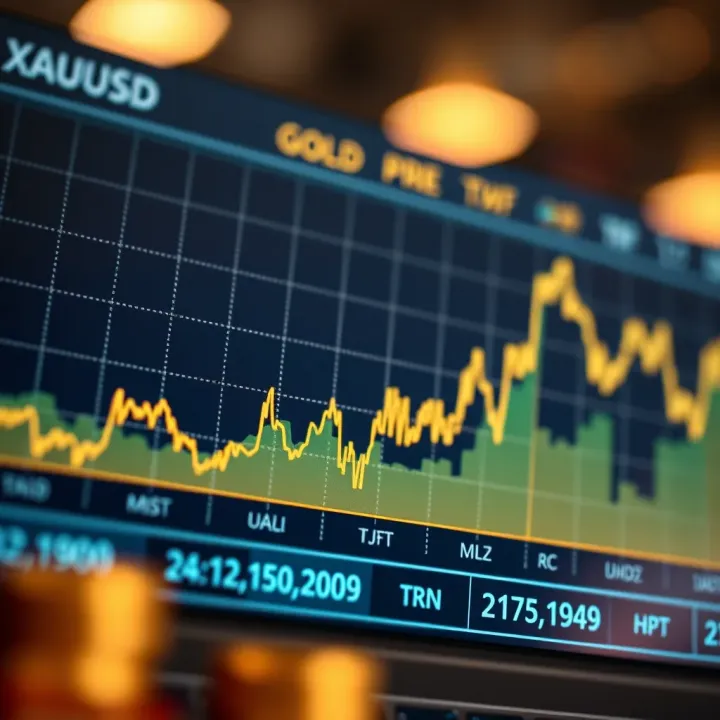
📈 Get today's XAUUSD prediction with expert insights on gold trends, economic signals, and world events—essential for informed trading in Nigeria’s market.

Explore detailed XRP coin price predictions with insights on market trends 📈, regulations ⚖️, and expert analysis, tailored for Nigerian investors 🇳🇬.
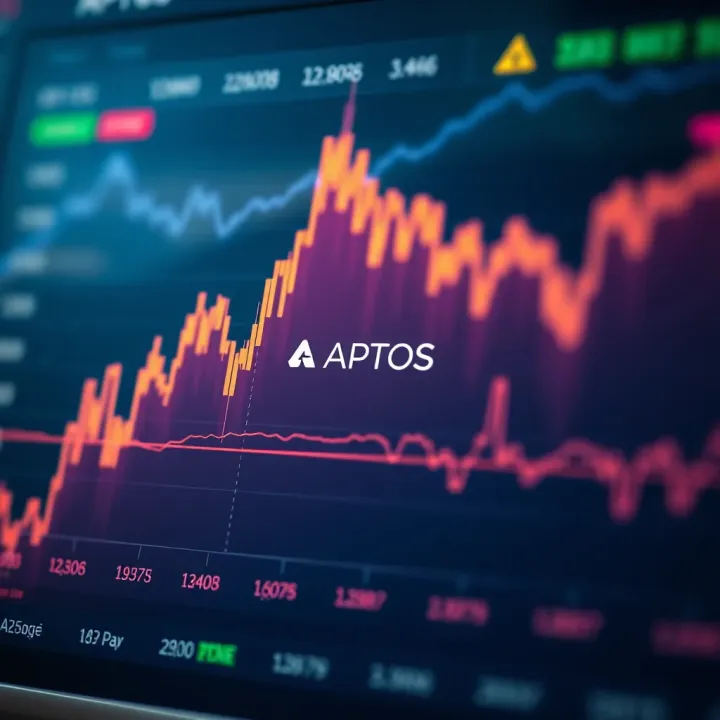
Explore Aptos price prediction 📈 for Nigeria with market trends, key factors, and expert insights that could shape its value soon. Stay informed!
Based on 8 reviews