
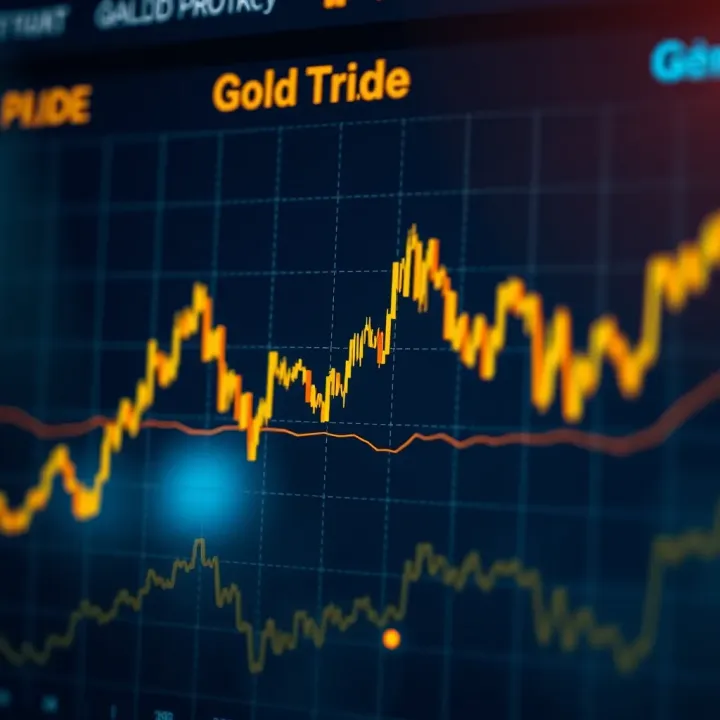
XAUUSD Forecast: Today's Gold Price Insights
🔍 Stay updated on XAUUSD today! Explore gold price trends influenced by economic data, geopolitics, and currency moves for smart trading decisions. 💰
Edited By
James Whitmore
Gold remains a vital asset for many Nigerians, serving both as a store of value and a hedge against naira volatility. Today’s gold price forecast hinges on several factors, including global economic shifts and local market dynamics. Given Nigeria’s unique economic landscape, understanding these forces is essential for investors, traders, and entrepreneurs aiming to make confident decisions.
At the global level, gold prices react strongly to dollar movement, inflation rates, and geopolitical tensions. For instance, when the US dollar weakens, gold often rises because it becomes cheaper for holders of other currencies like the naira. Meanwhile, rising inflation in the US and Europe typically pushes investors towards gold as a safe haven, boosting demand and prices.
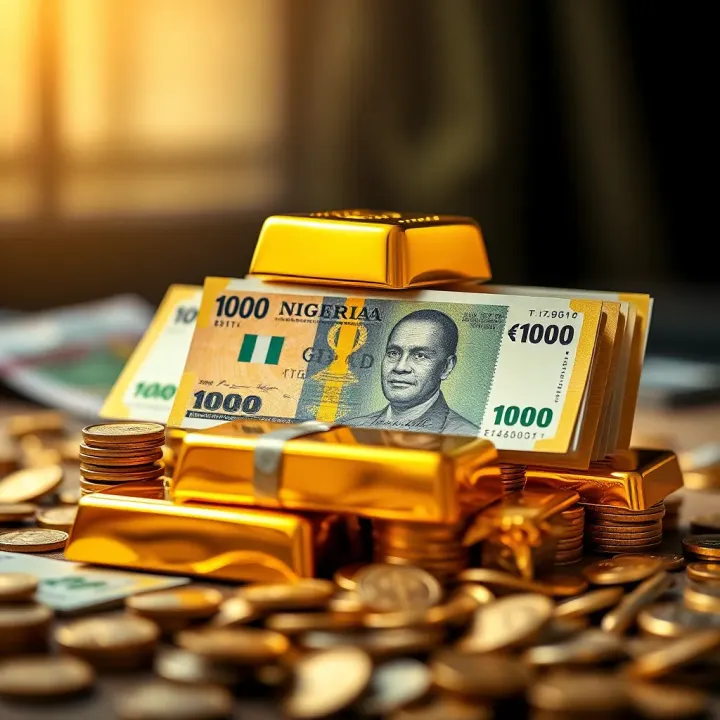
Locally, the naira’s frequent fluctuations affect how Nigerians price gold on the market. When naira weakens against the dollar, the local price of gold usually increases even if the international price stagnates. This mismatch sometimes causes confusion but presents opportunities for savvy investors. For traders in Lagos or Abuja markets, daily gold prices may shift sharply based on interbank exchange rates and import costs.
To track gold effectively in Nigeria, keep an eye on both international gold benchmarks like the London Bullion Market price and the current USD/NGN exchange rate.
Monitor Central Bank of Nigeria (CBN) announcements, as monetary policy impacts naira stability and import costs.
Compare prices from reputable local dealers and digital platforms like OPay or Paystack’s investment services.
Consider storage and security costs, as physical gold ownership carries risks especially with generator-dependent power supply in many areas.
In summary, today’s gold price forecast for Nigerians depends on a mix of global signals and local realities. By understanding how forex pressures and inflation shape prices, investors can position themselves well. Whether buying or selling gold, staying informed and using trusted sources helps navigate this often volatile market.
For entrepreneurs and analysts, recognising how these factors interplay offers an edge in business strategy and investment timing. Nigerian gold market watchers will find this balanced approach crucial in the current economic climate.
Understanding current trends affecting gold prices is essential for Nigerian investors aiming to make informed decisions. Gold prices rarely move randomly; they respond directly to global and local factors shaping demand and supply. Being aware of these elements helps traders and entrepreneurs time their transactions better and hedge risks properly.
Inflation is one major driver pushing gold prices up. When inflation rises, the purchasing power of fiat currencies declines, prompting investors to seek refuge in assets like gold that traditionally preserve value. For instance, rising inflation in the US or Europe often leads to a surge in global gold demand, which then reflects on the international market and, consequently, the Nigerian scene.
Currency fluctuations also play a pivotal role. The US dollar is the primary currency that gold is priced in globally. When the dollar weakens against other currencies, including the naira, gold becomes relatively cheaper in those currencies, increasing demand and pushing up local prices. Conversely, a strong dollar can put downward pressure on gold prices. Nigerian investors should watch US dollar movements closely as it impacts how affordable gold is locally.
Central banks, especially the Central Bank of Nigeria (CBN), influence gold prices through monetary policy decisions. When the CBN adjusts interest rates or intervenes in the foreign exchange market, it can affect the naira’s stability and investors’ confidence. For example, if the CBN raises rates to curb inflation, it might strengthen the naira temporarily, making imported gold less expensive.
On a global scale, policies by major central banks like the US Federal Reserve also sway gold prices. Tighter monetary policy in the US often strengthens the dollar, reducing gold appeal. Nigerian investors should therefore track both local CBN moves and global central bank signals, as these create ripple effects on gold pricing, demand, and investment attractiveness.
Geopolitical unrest—such as conflicts, trade wars, or sanctions—raises uncertainty in financial markets. Such instability usually lifts gold prices since investors seek safe-haven assets. Events like rising Middle East tensions or global trade disputes have in the past caused spikes in gold prices.
Market uncertainty can affect Nigerian investors directly. For example, internal political instability during key election periods or sudden changes in policy can push local investors towards gold as a store of value. Watching international and local political developments gives a clearer picture of when gold might see price jumps due to risk aversion.
The naira’s volatility heavily affects demand for gold in Nigeria. When the naira weakens sharply against the dollar, the cost of imported gold rises. This often leads to higher prices domestically and sometimes reduced buying power for ordinary investors.
At the same time, naira instability can push Nigerians to buy physical gold as a hedge, increasing local demand. For example, during past episodes of naira depreciation, more people turned to gold jewellery and bars to protect their savings. Traders and investors need to keep an eye on foreign exchange rates provided by the CBN and parallel markets since naive timing can lead to losses.
Local supply chain challenges including import restrictions, customs delays, and logistics impact gold availability and pricing. Any disruption can create scarcity, pushing prices upwards.
For instance, given Nigeria’s heavy dependence on imported gold and jewellery, delays at ports or higher import duties raise costs. Moreover, informal trading channels trade large volumes of gold without official documentation, which sometimes affects price transparency and liquidity in the market.
Seasonal factors, notably the ember months between September and December, influence gold demand sharply. This period coincides with several festivals, weddings, and social events where gold jewellery is in high demand.
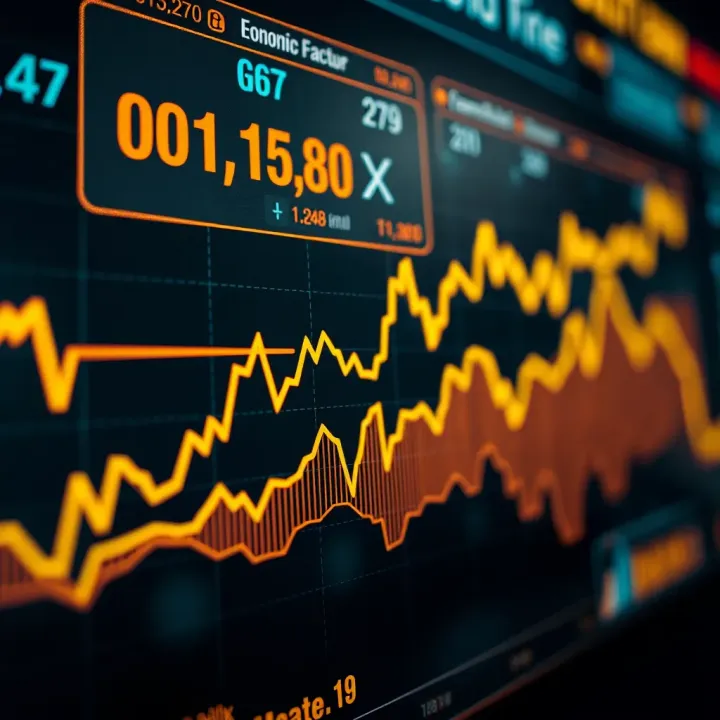
During ember months, traders typically see a surge in gold purchases for gifts, bridal trousseaus, and aso ebi celebrations. Prices often edge higher due to increased buying pressure. Investors and sellers need to consider this pattern for timing their buys or sales to optimise returns.
Monitoring current economic and political trends, both locally and globally, equips Nigerian investors with a practical edge. Understanding these forces helps navigate the complex gold market effectively, turning informed predictions into profitable decisions.
Staying updated with today's gold price forecast is essential for Nigerian investors who want to make informed decisions. Access to reliable tools and accurate sources helps traders, entrepreneurs, and brokers gauge market movement effectively. Without this, one risks buying or selling gold at unfavourable prices, especially in a market as sensitive as Nigeria's, where factors like naira fluctuations and import costs play big roles.
Nigerian financial websites like Nairametrics and BusinessDay offer timely gold price updates alongside market analysis. Apps like Kuda and Paystack have started providing commodity price insights, including gold, allowing users to track trends directly on their phones. Centralised information from these platforms helps investors make quick decisions amid the hustle of daily market changes. This way, you don't have to chase multiple sources or rely on hearsay from local sellers.
Using resources from the Nigerian Exchange Group (NGX) and the Central Bank of Nigeria (CBN) adds another layer of authenticity. NGX updates relevant market activities and commodity price indices that reflect gold's position within the broader investment landscape. CBN’s monetary policy announcements also indirectly influence gold prices, especially through their control of inflation and foreign exchange rates. Regularly checking NGX and CBN data gives you a clearer picture of macroeconomic conditions impacting gold.
Tracking gold prices locally against the global benchmark remains crucial. While international prices set the baseline, the local price often includes premiums for delivery, taxes, and naira exchange volatility. Reliable global sources include the London Bullion Market and Kitco, which you can compare with Nigerian platforms. Understanding this difference prevents surprises when making purchases or sales in Nigeria’s dynamic market.
Price charts reveal valuable information about short-term fluctuations and long-term trends. Recognising patterns like support and resistance levels, or noticing rising and falling momentum, equips you to anticipate possible price moves. For example, a steady uptrend over days suggests stronger demand, which might be a better time to sell than buy. Learning basic chart reading reinforces confidence beyond guesswork.
It's also important to distinguish between the spot price and retail price of gold. The spot price is the current market value per gram or ounce, mainly used by large traders, while retail prices include additional charges such as craftsmanship for jewellery or dealer markups in Nigeria. Many buyers get caught off guard expecting the spot price but encountering a significantly higher retail price at boutiques or market stalls.
Timing your purchases based on forecasts can improve financial outcomes. If forecasts predict a price dip due to currency stabilisation or reduced import duties, waiting to buy gold could save you thousands of naira. Conversely, anticipating a price surge—perhaps during the ember months when demand peaks—may advise selling early to lock in gains. Reliable forecasts combined with personal market awareness offer smart entry and exit points.
Being equipped with the right sources and understanding market signals makes all the difference in handling your gold investments securely and profitably in Nigeria's unique economic setting.
Understanding today’s gold price forecast is vital for Nigerian investors aiming to make smart decisions in a fluctuating market. Knowing current price trends helps investors identify opportunities for buying at lower costs or selling at higher valuations. This insight becomes especially valuable in Nigeria’s context, where currency swings and inflation can impact returns significantly.
Gold remains a favoured asset for many Nigerian investors when compared to stocks and real estate. Unlike the stock market, which can be volatile and sensitive to political shifts, gold provides a more stable store of value. Real estate, on the other hand, requires substantial capital and may take longer to liquidate, whereas gold investments offer better liquidity. For example, during last year's naira depreciation, gold prices held steady, offering investors a hedge when other assets floundered.
Gold’s strength lies in its role as a safeguard against inflation. In recent years, Nigeria has experienced rising inflation rates that erode the purchasing power of cash savings. Unlike naira deposited in bank accounts, gold tends to maintain or increase its value. So, an investor holding gold is less affected by inflationary pressures, making it a qualitative choice for wealth preservation, especially during periods when fuel prices and food costs soar.
Regarding investment strategies, Nigerians can consider both short-term and long-term approaches with gold. Short-term investors might capitalise on market dips or geopolitical tensions that cause price surges. Meanwhile, long-term investors view gold as an insurance policy, holding onto assets through economic cycles. For instance, some investors buy physical gold bars during ember months when prices soften, planning to sell later when demand rises around festive seasons.
Price volatility is a reality in gold trading, often driven by market speculation and global uncertainties. Sudden changes in currency rates or international tension can cause gold prices to spike or dip sharply. Such volatility means investors must keep abreast of market indicators and avoid panic selling, which can lead to losses.
Another serious risk is dealing with fake gold or unregulated sellers. Nigeria’s informal markets sometimes offer gold jewellery or bars that lack proper certification. Investors need to verify authenticity through reputable dealers or use testing methods like acid tests or electronic gold testers. Also, insisting on valid documentation and receipts protects against counterfeit transactions.
Since much of Nigeria’s gold is imported, currency exchange fluctuations pose another challenge. A sudden naira devaluation against the US dollar can increase the purchase cost of gold, eating into profits. Investors should monitor exchange rates closely and time their transactions to avoid buying during naira slumps. Using platforms that offer transparent pricing linked to real-time forex rates helps mitigate this risk.
Keeping these opportunities and risks in mind allows Nigerian investors to approach gold trading with a clear strategy and better confidence, which is crucial for protecting and growing wealth in a complex economic environment.
Navigating the gold market in Nigeria requires more than just knowing the latest prices. Practical advice on buying and selling gold helps investors safeguard their funds, avoid scams, and capitalise on market opportunities. Understanding trusted dealers, authentication methods, and timing can make a big difference, especially with fluctuating naira values and market volatility.
Identifying genuine gold dealers and shops is essential because the Nigerian gold market contains numerous unregulated sellers. Legitimate dealers typically have physical shops in commercial hubs like Lagos’s Idumota or Abuja’s Wuse market and often are members of recognised associations such as the Nigerian Gold Dealers Association (NGDA). Before making a purchase, check for valid business registration, ask for references, and read customer reviews where available. Going through a well-known jeweller or bank-backed vendor helps avoid counterfeit products.
How to authenticate gold jewellery and bars is equally crucial. Simple tests, like checking the hallmark stamps for purity marks (for example, 9CT, 14CT, 18CT), using magnets to ensure non-magnetic properties, or performing acid tests, provide initial checks. More sophisticated verification can involve portable X-ray fluorescence (XRF) devices used by some dealers or third-party assayers. Since fake gold can fool even experienced buyers, insist on authentication before closing any deal.
Using proper documentation and receipts provides legal protection. Every transaction should come with a detailed receipt showing weight, purity, price per gram, and serial numbers for bars or certification for jewellery. This paper trail helps in tracing the ownership history and is necessary if you plan to resell or insure the gold. Without such documents, buyers risk losing money or getting involved in disputes.
When to buy during price dips can maximise investment returns. Monitoring daily forecasts helps spot moments when gold prices fall below average market rates, often triggered by temporary events like naira strength against the dollar or global stock rallies. Buying during such dips means acquiring gold at a discount, which can yield profits when prices rebound. For instance, investors in Lagos sometimes delay purchases during short-term declines before the ember months’ usual price rises.
Considering market trends before selling helps avoid losses. Rather than rushing to sell when prices fluctuate, keeping an eye on mid-term trends—like inflation rates, geopolitical tensions, or adjustments in Central Bank of Nigeria (CBN) policies—can guide timing sales to periods with peak demand or higher naira value. Selling when both global gold and local currency prices are strong often leads to better returns.
Impact of currency fluctuations on sale price cannot be overstated, since gold trading in Nigeria is closely tied to the naira-dollar exchange rate. A weak naira means imported gold costs more, pushing retail prices up, but it can also mean reduced local demand. Conversely, a stronger naira can lower prices but improve resale value when converting back to foreign currency or trading internationally. Traders should factor in these swings when setting buying or selling prices.
Being well-informed about who you buy from, how to verify your gold, and when to make transactions can protect your investment and improve gains. Gold in Nigeria is not just a shiny asset; it’s a hedge against economic changes if handled wisely.
This practical advice equips Nigerian investors, traders, and entrepreneurs to make confident decisions in today's gold market environment.
Monitoring future events and developments that influence gold prices is essential for Nigerian investors aiming to make informed decisions. Anticipating these factors helps mitigate risks and capitalise on favourable market conditions. For instance, knowing when the Central Bank of Nigeria (CBN) is set to announce monetary policy changes can guide investors on timing their gold purchases or sales.
The CBN’s monetary policy decisions significantly affect gold prices locally due to their impact on naira stability and interest rates. For example, an increased monetary policy rate often strengthens the naira, potentially reducing local gold demand as imported gold becomes cheaper. Conversely, a rate cut may boost gold buying as investors seek safe havens.
On top of that, the Nigerian Exchange Group (NGX) plays a crucial role as its activities, like trading volumes and listed gold-related securities, influence market sentiment. Increased trading activity at NGX may signal rising investor confidence in gold, pushing prices upwards.
Gold supply chains are global, and disruptions in major producing countries like South Africa, Russia, or China directly impact availability and prices worldwide. For Nigerian investors, trade tensions or sanctions could mean limited supply, driving prices up.
For example, recent export restrictions or COVID-19 lockdowns in South Africa affected mining output, tightening global supply. Such events remind Nigerian traders to watch international freight conditions and trade policies that might raise gold premiums locally.
Political shifts and reforms at home can alter economic confidence and, subsequently, gold prices. Periods of uncertainty, such as election years or sudden policy changes, tend to increase demand for gold as a hedge against instability.
Additionally, reforms that encourage foreign investment or improve regulatory frameworks may strengthen the economy, stabilising the naira and affecting gold prices. For instance, a well-implemented economic reform could reduce inflation expectations, usually weighing down gold demand.
New fintech solutions in Nigeria are making gold investment accessible to more people. Platforms like Bamboo and Chaka now allow users to buy fractional gold units digitally, reducing barriers such as high upfront capital or security concerns.
This trend broadens the investor base and adds liquidity to the gold market, sometimes influencing price trends through increased demand. For traders, awareness of these platforms means more options for portfolio diversification.
Digital gold trading lets investors buy, sell, and store gold online without physical delivery. This convenience can boost trading volumes and speed up transactions, factors that could increase price volatility.
For example, during global market shocks, digital platforms allow fast repositioning away from or into gold, which can cause sharper price moves. Nigerian investors should watch these dynamics, especially as the local market adopts such technology.
Heightened regulatory oversight by bodies like the Securities and Exchange Commission (SEC) Nigeria aims to protect investors from fraud and market manipulation. Stricter rules for gold dealers and digital platforms improve transparency and trust in the sector.
Stronger regulation encourages participation from serious investors, potentially stabilising prices. However, regulatory changes can also cause short-term uncertainty as the market adjusts, so keeping up with policy updates is vital for Nigerian traders.
Staying informed about these upcoming factors empowers Nigerian investors to anticipate price changes and make strategic decisions in the gold market.
🔍 Stay updated on XAUUSD today! Explore gold price trends influenced by economic data, geopolitics, and currency moves for smart trading decisions. 💰
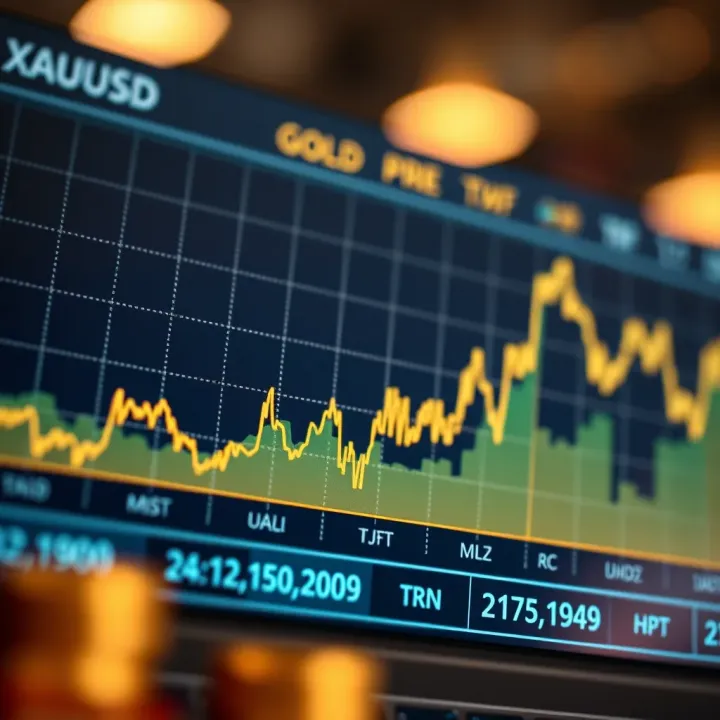
📈 Get today's XAUUSD prediction with expert insights on gold trends, economic signals, and world events—essential for informed trading in Nigeria’s market.

📊 Explore Baby Doge Coin price trends and factors shaping its value. Get insights on market behavior, technical details, and future outlook for Nigerians interested in crypto.
💰 Explore XAU/USD forecast with key gold price drivers: economic data, geopolitics, and market trends. Stay ahead in Nigeria’s gold market today!
Based on 15 reviews