
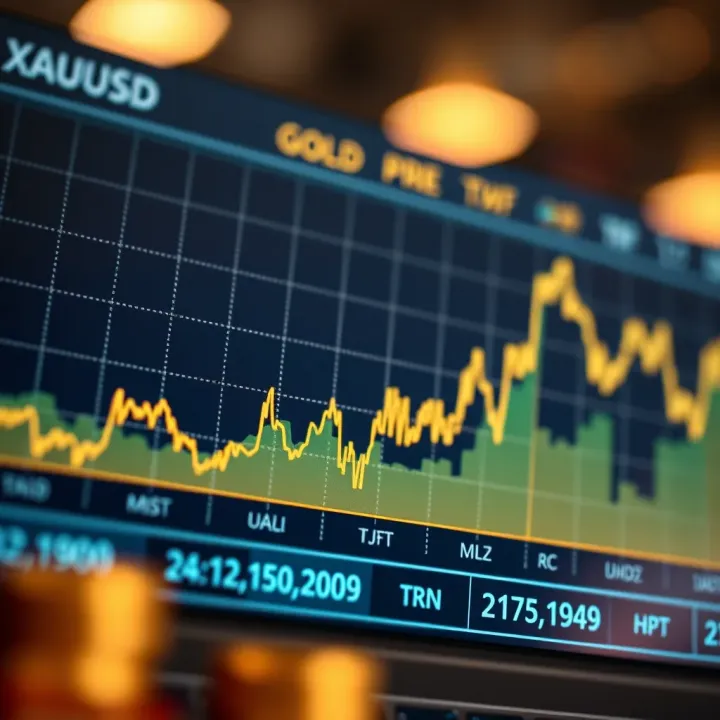
XAUUSD Gold Price Prediction Today for Nigerian Traders
📈 Get today's XAUUSD prediction with expert insights on gold trends, economic signals, and world events—essential for informed trading in Nigeria’s market.
Edited By
Harry Collins
Gold remains a favoured asset in Nigeria, especially for investors seeking to hedge against naira volatility and inflation pressures. Today, the Nigerian market is closely watching gold prices as multiple factors collide to shape possible price movements. Understanding these elements helps traders and investors make timely decisions when buying or selling gold.
Naira exchange rate fluctuations: The naira’s strength against the US dollar directly impacts gold pricing locally. A weaker naira pushes gold prices higher due to import costs.
Global gold trends: International gold prices, largely determined by the US dollar and geopolitical events, set a baseline. For instance, rising tensions or economic uncertainty tend to boost gold as a safe haven.
Central Bank policies: The Central Bank of Nigeria (CBN) interest rates and foreign exchange interventions influence investor sentiment and liquidity, shaping gold demand.
Local demand and supply dynamics: Jewellery makers, investors, and traders in markets like Lagos and Ibadan drive day-to-day price adjustments depending on buying appetite and supply availability.
Investors should closely monitor real-time naira-dollar rates alongside global gold benchmarks such as those from the London Bullion Market Association (LBMA). This dual approach provides clarity on the immediate price direction.
Additionally, traders must consider logistics costs, including transport and security in Nigeria, which sometimes add premium costs beyond the base metal price. Seasonal trends, such as increased demand during festive periods like Sallah and Christmas, also subtly influence price action.
In practice, a trader watching for profit opportunities today might track the US dollar's performance, check CBN exchange rate announcements, and assess local market news about supply constraints or heightened buying interest. Using platforms popular in Nigeria, like OPay or Flutterwave, for quick transactions can capitalise on momentary price differences.
Ultimately, today's gold price prediction hinges on a mix of external global cues and internal Nigerian market factors. Savvy investors stay alert to these intertwined elements, balancing quick reactions with informed judgement.
Understanding the current state of gold prices in Nigeria is essential for traders, investors, and market analysts. This overview sheds light on price trends, demand-supply dynamics, and regulatory factors that directly influence market movements. Being aware of these elements helps stakeholders make informed decisions that can improve profitability and reduce risks.
Market opening prices set the tone for the day's trading. These prices reflect overnight developments in global markets and early Nigerian trading sessions, establishing a baseline for buyers and sellers. For instance, if gold opened at ₦26,500 per gram at the Lagos bullion market this morning, traders would calibrate their bids around this level.
Recent price movements throughout the day reveal how responsive gold is to unfolding local and international news. Prices may fluctuate due to factors like global economic data or changes in the naira exchange rate. For example, a sudden naira depreciation can push prices up, signalling urgency among buyers to secure value before further currency losses.
Comparison with yesterday’s rates offers critical insight into short-term trends. A rise or drop in prices compared to the previous day highlights market sentiment. If gold prices increased by ₦300 per gram from yesterday, investors might view it as a bullish sign, prompting more buying activity.
Demand from jewellery and industry undeniably drives domestic gold prices. With Nigeria's growing middle class and vibrant events sector, jewellery demand spikes around festive periods like Sallah or Christmas. Industrial demand, though less visible, influences prices as manufacturers require gold for electronics and other goods. During ember months, for instance, increased okada rider accessories and event-related jewellery orders push demand higher.
Supply chain considerations in Nigeria play a role often overlooked by outsiders. Gold supply depends on local miners, importers, and dealers, whose operations face challenges like transport costs, security concerns, and customs delays. For instance, recent fuel scarcity driving up generator costs can indirectly raise supply costs, nudging prices upward.
Impact of government policies remains a major factor affecting gold prices. The Central Bank of Nigeria's (CBN) foreign exchange policies, import restrictions, and taxation influence availability and cost. When the CBN tightens naira liquidity or imposes forex controls, gold dealers may struggle to import bullion efficiently, reducing supply and increasing prices.
Staying on top of these current price and local factors is vital for anyone dealing with gold in Nigeria. Accurate awareness translates to timely action and better trading outcomes. Investing without knowledge of today’s trends and market movers risks losses.
Global factors shape gold prices in Nigeria heavily. As much as local demand matters, international markets and currency fluctuations often dictate the immediate movement traders see on the ground. Understanding these global influences helps investors and brokers anticipate price shifts more accurately.
Gold prices traded in London and New York set the tone for prices worldwide, Nigeria included. London Bullion Market and COMEX in New York are the primary centres where large-scale gold trading occurs daily. Movements in these markets, happening even overnight due to different time zones, directly affect Nigerian gold prices. For example, when gold spikes in New York because of geopolitical tensions, Nigerian traders usually see a parallel change within hours or the next business day.

Global economic events like inflation rates, central bank decisions, and geopolitical risks also colour gold prices. During uncertain times — say a trade war or a global supply chain disruption — gold often becomes a safe haven. Investors worldwide pile in, pushing prices up. Such events trickle down to Nigerian markets, where demand for gold picks up quickly as investors try to hedge against local currency volatility and inflation.
Gold’s price is also tied to other key commodities, particularly oil. Nigeria’s economy is oil-dependent, so shifts in oil prices impact investor confidence and foreign exchange earnings. When oil prices fall sharply, the naira tends to weaken, pushing Nigerian gold prices higher since import costs rise. Conversely, steady oil prices usually stabilise both the naira and local gold prices. Traders should watch oil market trends alongside gold because the two often move in opposite directions.
Gold and the US dollar share an inverse relationship. When the dollar strengthens globally, gold prices typically drop because gold becomes more expensive in other currencies. Since gold is priced in dollars on international markets, a strong dollar means Nigerian investors need more naira to buy the same quantity of gold. This dynamic often causes short-term price fluctuations in the Nigerian market.
The naira's volatility plays a very practical role too. Rapid changes in currency exchange rates affect the cost of importing gold and impact traders’ profit margins. When the naira depreciates against the dollar, gold prices in Nigeria tend to rise as dealers pass on increased costs to buyers. This effect became evident during fuel subsidy removals and foreign reserve pressures, where quick spikes in the exchange rate pushed gold prices up.
The Central Bank of Nigeria (CBN) influences this scenario through its policies on foreign exchange management and monetary regulation. Interventions in the FX market or adjustments to interest rates affect the naira-dollar rate and, by extension, gold prices. For instance, CBN’s efforts to stabilise the naira through restricted access to forex or increased liquidity impact how freely gold traders can operate. Knowing these moves can help investors time their transactions better.
Watching global markets, the US dollar’s strength, and the naira exchange rate are all essential for predicting today's gold price in Nigeria. These factors interplay constantly and knowing their latest trends gives traders an edge.
London and New York markets dictate international gold pricing.
Global economic events, like inflation or conflicts, lift gold as a safe asset.
Oil price swings directly impact Nigeria’s currency and gold costs.
A stronger US dollar usually pushes gold prices down locally.
Naira instability raises local gold prices because of import costs.
CBN’s currency management policies affect gold market liquidity and pricing.
Understanding these global influences alongside local conditions equips traders, investors, and analysts with a sharper view of what to expect in Nigeria's gold market today.
Economic indicators play a crucial role in shaping the direction of gold prices in Nigeria. For traders and investors, understanding these indicators offers practical insight into when to buy or sell. Indicators like inflation rates, interest rates, political stability, and security challenges directly influence market sentiment and demand for gold.
Inflation tends to push up demand for gold because it erodes the value of the naira and other fiat currencies. When prices of everyday goods rise, investors often see gold as a safe haven to preserve wealth. For example, during periods of high inflation in Nigeria, such as the recent ember months when food and fuel prices spike, many Nigerians turn to gold as a store of value.
The Central Bank of Nigeria’s (CBN) monetary policy, particularly interest rate decisions, affects gold prices too. When the CBN raises interest rates, it usually strengthens the naira and makes fixed-income investments more attractive, which can reduce gold demand temporarily. Conversely, easing monetary policy can weaken the currency and drive investors toward gold as a hedge. For instance, if the Monetary Policy Rate (MPR) is cut due to slowing economic growth, investors may flock to gold expecting the naira to lose buying power.
The political environment in Nigeria impacts gold prices significantly. Upcoming elections, policy shifts, or government announcements on mining and export regulations often create uncertainty that pushes gold prices upward. For example, before general elections, market participants tend to be cautious, and demand for gold rises as a precaution against possible economic disruption.
Regional security concerns and sudden policy changes also sway investor confidence. Issues like insurgency in the Northeast or unrest in key mining regions can disrupt supply chains, causing local gold prices to go up due to scarcity. Similarly, unexpected moves such as adjustments in import duties or export incentives affect the cost and availability of gold in Nigeria, influencing market behaviour. Investors need to monitor these dynamics to navigate risks and capitalise on opportunities effectively.
Understanding these economic indicators helps you anticipate how gold prices may move today and position your investments accordingly. Keeping an eye on inflation rates, interest changes, political developments, and security status is key to informed gold trading in Nigeria.
Expert analysis and forecasts form the backbone of any meaningful conversation about gold price movements today. These insights help investors, traders, and entrepreneurs make informed decisions amid fluctuating market conditions in Nigeria. With gold prices influenced by a mix of local realities and global trends, expert commentary shines a light on emerging patterns and credible predictions, offering practical guidance in an often unpredictable market.
Consensus from market experts usually gives a snapshot of where gold prices seem headed in the short term. For instance, several Nigerian commodity analysts recently suggest that gold prices could edge higher today due to increased demand from jewellers ahead of festive seasons and ongoing naira pressure. This consensus matters because it reflects the shared understanding among specialists who track both global indicators and local market behaviour. Traders and investors can use these aligned views to validate or adjust their strategies.
Short-term forecasts based on recent data help capture the market’s pulse by analysing events such as recent shifts in the naira exchange rate, monetary policy changes by the Central Bank of Nigeria (CBN), and fluctuating global gold rates in London and New York. For example, if the naira weakens slightly against the dollar, it tends to push local gold prices up as imports become costlier. Such short-term outlooks offer immediate, actionable insights allowing traders to time their entries or exits more effectively.
Potential market volatility is a significant risk that gold investors face daily. Factors like sudden changes in CBN monetary policy, unexpected moves in the US dollar, or political developments in Nigeria can cause gold prices to swing without much warning. Understanding this volatility enables investors to avoid panic selling or rushed buying, which often leads to losses. Instead, it encourages measured responses and the use of tools such as stop-loss orders and diversified portfolios.
Investment strategies for today focus on balancing risk with opportunity. One practical approach is to consider dollar-cost averaging, where an investor buys smaller amounts of gold regularly instead of a lump sum, reducing exposure to sudden price swings. Also, using trusted digital platforms like OPay or Paystack for smaller transactions can offer flexibility and security. Meanwhile, seasoned investors might keep an eye on geopolitical factors or CBN policy announcements, ready to capitalise on sharp price moves. These strategies help investors adapt to the fast-changing Nigerian gold market with greater confidence.
Expert forecasts do not guarantee outcomes but serve as vital tools to sharpen your decision-making. Staying updated on these analyses can make a genuine difference in today's dynamic market.
In summary, expert analysis and forecasts equip you with both a broad view and fine details of likely price movements. For anyone engaging in today's Nigerian gold market, leveraging these insights can translate into smarter trades and more profitable investments.
Trading gold in Nigeria comes with its own set of challenges and opportunities. Practical advice is key for investors and traders to make informed decisions that guard their capital, especially given the country's unique market dynamics. Knowing where to buy or sell, when to act, and how to avoid common mistakes can sharpen your edge considerably.
Buying gold from local dealers remains popular among many Nigerians due to direct access and the ability to inspect the gold physically before purchase. In cities like Lagos and Abuja, established markets like the Idumota Market or Wuse Market provide several reputable dealers who specialise in gold bars, coins, and jewellery. However, it is essential to verify the dealer's credibility, as counterfeit gold and unfair pricing can be issues.
For instance, dealing with certified jewellers or licensed bullion sellers ensures the purity and authenticity of gold. Local gold markets also allow quicker transactions without the delays digital platforms may sometimes experience. Still, buyers should negotiate price based on the day's prevailing rates and watch out for hidden fees.
On the other hand, digital platforms have grown rapidly in Nigeria, offering convenient and secure ways to trade gold online. Platforms like OPay, PalmPay, and Kuda Bank now provide gold trading services where users can buy fractional shares of gold at market prices without dealing with physical gold. These fintechs eliminate the need to visit physical markets and reduce the risks of handling cash or fake products.
Digital gold trading offers transparency through real-time pricing and secure payment systems. It also allows small-scale investors to enter the gold market with minimal capital — often from as low as ₦500. However, traders must ensure they understand platform terms, withdrawal conditions, and storage fees, if any.
Trading gold at the right time can greatly influence profitability. Given Nigeria’s currency fluctuations and dependence on global markets, the best moments usually align with international market openings, especially when London and New York exchanges are active. Prices tend to be more volatile and offer better trade opportunities around these periods.
Locally, early mornings and late afternoons are ideal for visiting physical markets to catch the freshest price quotes before dealers adjust to overnight global developments. Being aware of CBN policy announcements or geopolitical news that could affect the naira exchange rate also helps to time your trades well.
Many traders fall into traps such as buying gold when prices are peaking or dealing with unverified sellers. Always cross-check prices across multiple trusted sources before committing. Also, avoid rushing transactions; asking for official receipts and certificates can prevent fraud.
Another common mistake is ignoring currency risks. Since gold prices in Nigeria are heavily influenced by naira-dollar exchange rates, sudden naira depreciation can eat into your gains. Hedging against currency risks or using stable digital platforms can reduce this.
Trading gold successfully in Nigeria requires combining market savvy with practical checks. Use reputable dealers or fintech services, trade at strategic times, and always prioritise due diligence to protect your investment.
📈 Get today's XAUUSD prediction with expert insights on gold trends, economic signals, and world events—essential for informed trading in Nigeria’s market.

Explore detailed XRP coin price predictions with insights on market trends 📈, regulations ⚖️, and expert analysis, tailored for Nigerian investors 🇳🇬.
Explore Bitcoin Cash (BCH) price movements, key market drivers, expert predictions, and risks. A guide for Nigerian crypto investors 📈💰🇳🇬
🔍 Stay updated on XAUUSD today! Explore gold price trends influenced by economic data, geopolitics, and currency moves for smart trading decisions. 💰
Based on 9 reviews