

Understanding the Fusion Market: Opportunities and Challenges
Explore fusion energy's huge potential in Nigeria and beyond ⚡️, from top innovators to economic prospects and the hurdles this clean power faces worldwide.
Edited By
Isabella Gray
The trade sector in Nigeria is a major pillar of the economy, employing millions and driving significant commercial activity across urban and rural areas. From the bustling markets in Lagos and Kano to the roadside mama put stalls scattered throughout the country, this sector encompasses a wide range of trades that foster livelihood and business growth.
At its core, Nigerian trade thrives on diversity. The ten trade sectors include retail, agriculture produce trading, manufacturing distribution, import-export, artisanal crafts, food vending, electronics and ICT, logistics services, construction materials, and second-hand goods markets like the popular tokunbo trade. Each of these contributes uniquely to economic output and offers distinct opportunities for entrepreneurs.
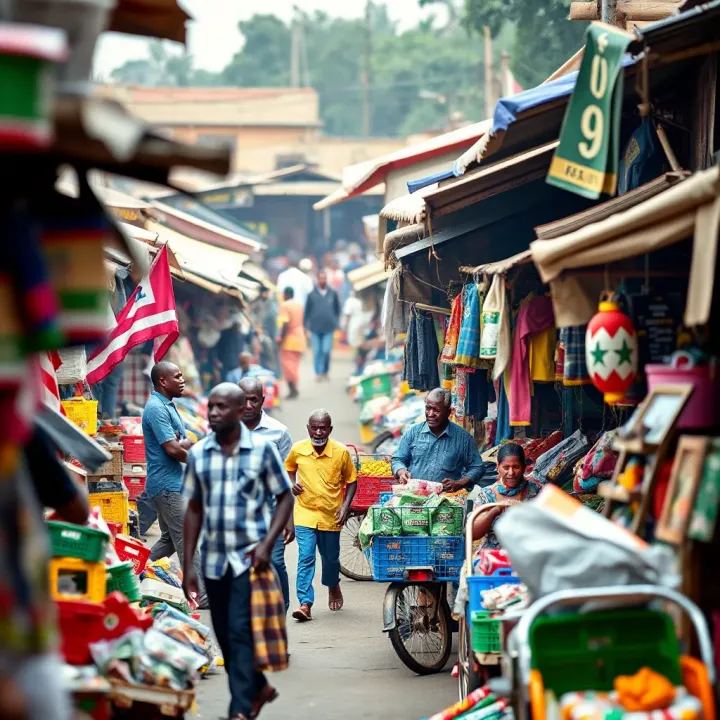
Understanding these sectors reveals how trade shapes everyday life and the broader economy. Retail trade, for example, ranges from supermarket chains to small-scale traders selling everyday essentials in local markets. Agriculture produce trading involves farmers selling items like yams, cassava, and vegetables to middlemen or directly to consumers, sustaining rural economies. Tokunbo markets provide affordable imported products, offering Nigerians access to foreign goods at competitive prices.
Besides the economic benefits, trade also supports social networks and community resilience. Many traders operate family-run businesses, passing down knowledge from one generation to another, ensuring continuity.
Successful trading businesses in Nigeria navigate market fluctuations, supply chain gaps, and changing consumer tastes. Knowledge of how these ten sectors interact helps entrepreneurs spot gaps, manage risks, and grow sustainably.
That said, challenges such as poor infrastructure, unstable power supply, currency volatility, and regulatory hurdles affect traders widely. These obstacles mean success demands adaptability, good market intelligence, and sometimes innovation, including embracing digital platforms such as OPay and Paystack for payments.
This article explores each sector in detail, highlighting practical opportunities, prevalent challenges, and actionable tips for thriving in Nigeria’s trade environment. It aims at traders, investors, analysts, brokers, and entrepreneurs looking to deepen their understanding of the dynamics shaping trade in Nigeria today.
Nigeria's ten trade sector forms a significant backbone of the country's economy, especially in the informal realm where many Nigerians earn their daily bread. Understanding this sector helps entrepreneurs, investors, and analysts grasp not just the diversity of trades but also the opportunities and challenges faced by those involved. The sector spans various small-scale businesses, from roadside mama put stalls to tokunbo markets selling imported goods, influencing livelihoods and local commerce.
The ten trade refers to a collection of common, often informal, trades where small-scale traders deal in specific categories of goods or services. These trades are typically diverse yet intertwined, covering everything from foodstuff vending, textile sales, electronics, to vehicle parts trading. This makes the sector highly dynamic and responsive to consumer needs across urban and rural settings.
Among the goods frequently traded are agricultural produce such as yams, garri, and fresh vegetables, while textiles and clothing like aso ebi fabrics enjoy widespread local demand. Additionally, sales of second-hand electronics and tokunbo auto parts form a large chunk of trade activities. These goods reflect consumer behaviour and urbanisation trends, with many traders adapting goods and services based on location and clientele.
The ten trade sector plays a central role in Nigeria's informal economy, which absorbs a huge percentage of the country's workforce. It sustains millions by providing income without the rigidities of formal employment. Loads of traders work daily in open markets or on roadside spots, offering essential goods in communities where supermarket chains or organised retail are less visible. Understanding this role is vital to appreciating how informal trade supports overall economic resilience.
Traditional trades in Nigeria have roots that trace back centuries, evolving with market days, local fairs, and community bartering systems. Over time, these trades adapted from small family-run stalls to more sophisticated forms, with many now operating across multiple states. This evolution shows how deeply embedded trading is in Nigerian culture and livelihoods.
Rapid urban growth, especially in cities like Lagos, Kano, and Ibadan, has reshaped the ten trade sector. Urbanisation brought increased demand for diverse goods, pushing traders to expand inventory and services. The rise of danfos and okadas made transportation of perishable and small goods more accessible, connecting rural suppliers to city markets. Commerce now thrives on networks that stretch from farm to shop.
The sector significantly affects local communities by creating jobs and encouraging entrepreneurship, especially among women and youths. Mama put stalls selling cooked meals provide affordable nutrition while supporting family income. Local markets become hubs of social interaction and economic exchange, fostering community bonds. However, challenges remain, including infrastructure strains and regulatory pressures.
The ten trade sector remains a lifeline for many Nigerians, bridging gaps in formal employment and driving grassroots economic activity.
This overview sets the stage for exploring specific trades, challenges, and technological shifts shaping the ten trade sector in Nigeria today.

Popular trades form the backbone of Nigeria's ten trade sector, serving as primary sources of income and employment for millions across urban and rural areas. These trades are important because they reflect everyday consumer needs and drive local economies, especially within informal markets. Understanding their specific characteristics helps traders and investors identify viable opportunities and adapt to market demands.
Trading in food items and perishables holds a significant place in Nigeria's markets. From fresh vegetables and fruits to meats and spices, this trade meets the daily nutritional needs of households. Open-air markets and roadside stalls run by "mama put" operators illustrate how vital this sector is, despite its challenges with storage and spoilage. Traders here must juggle fluctuating prices and sometimes limited access to refrigeration, yet demand remains consistently high.
Retailing of textiles and clothing continues to be a thriving trade within Nigerian states. Local markets in Lagos, Kano, and Aba showcase colourful fabrics, ready-to-wear garments, and traditional attires like Ankara and Aso Oke. This trade appeals to both urban fashion enthusiasts and rural customers seeking affordable clothing. Traders benefit from seasonal spikes around festivals like Sallah and Christmas, where aso ebi sales boom. However, counterfeit products and shifting consumer preferences require vigilance.
Sales of electronics and small appliances cover items such as phone chargers, household fans, and LED bulbs. The ubiquity of mobile phones and power challenges in Nigeria have boosted demand for such goods. Retailers often source from Lagos' Computer Village or import from China, catering to middle-class and lower-income buyers alike. Keeping up with new tech models and ensuring after-sales support are key factors for success here.
Auto parts and vehicle accessories trade thrives due to Nigeria's large fleet of vehicles and frequent need for repairs. Traders focus on genuine and tokunbo (second-hand imported) spare parts like batteries, tyres, and engine components. The rise of napep (tricycles) and okada businesses also fuels demand for accessories such as helmets and lubricants. Proximity to transport hubs often determines profitability in this trade.
Mobile phone and tech accessories sales have surged with increasing smartphone penetration across Nigeria. Items like earphones, screen protectors, and power banks sell briskly not just in physical shops but increasingly online. Traders tapping into this market benefit from partnerships with fintech platforms and e-commerce sites that widen their reach beyond local streets.
Beauty and personal care products form a growing slice of the trade sector, driven by Nigeria's youthful population and the rising interest in skincare and grooming. From hair extensions and cosmetics to natural oils and soaps, this trade caters especially to women and urban youth. Entrepreneurs here often combine traditional marketing with social media to build loyal customer bases.
Second-hand goods (tokunbo) market remains a massive part of Nigeria's trading fabric, especially for goods like electronics, clothing, and furniture. Buyers are attracted by affordable prices and availability. However, traders must navigate import regulations, quality concerns, and competition from new products. This trade also supports the circular economy by extending product lifespan.
Online retailing opportunities are transforming the ten trade sector by enabling wider access to goods and services. Platforms such as Jumia and Konga provide traders with digital storefronts and delivery logistics. Even small-scale traders now leverage WhatsApp and Instagram shops to connect with customers and accept digital payments. Challenges like delivery costs and internet access persist, but online retailing is rapidly expanding.
Popular trades in Nigeria’s ten trade sector are dynamic, diverse, and deeply connected to local lifestyles. By understanding their unique characteristics, traders and investors can better navigate challenges and tap into growth potentials tailored to Nigerian realities.
Understanding the challenges in Nigeria's ten trade sector is essential for traders, investors, and entrepreneurs who want to thrive in this vibrant yet complex market. These obstacles often slow down business growth, increase costs, and reduce profitability. Navigating these difficulties offers not only survival but also a chance to strengthen businesses against future shocks.
Lack of access to formal credit and loans often hinders many traders in the ten trade sector from expanding their businesses. Most informal traders do not meet the rigid requirements set by banks or financial institutions, like collateral or a formal business plan. For example, a mama put operator in Lagos might struggle to secure a loan to increase stock or upgrade equipment because her business lacks formal records. This forces many to rely on informal lenders, who charge exorbitant interest rates, thereby squeezing their already thin profit margins.
High costs of goods and transportation also weigh heavily on traders. Nigeria’s poor road networks and erratic fuel supply mean goods often get delayed or arrive damaged. A trader sourcing textiles from Kano to sell in Lagos might face high transport fees on top of rising fuel prices, pushing up the final cost of goods. These added expenses make it hard to compete on price, especially against goods brought in by established importers or cheaper alternatives from neighbouring countries.
Impact of inflation and currency fluctuations cannot be overlooked. Inflation drives up the prices of raw materials and finished goods, directly increasing the trader’s expenses. Since many goods in Nigeria are imported, a weakening naira means higher costs when purchased in foreign currencies. An electronics trader, for instance, may find the same stock costing significantly more within months due to naira depreciation against the dollar. This unpredictability makes pricing and profit forecasting very challenging.
Challenges with licensing and permits pose another headache. Traders in informal markets often avoid proper licensing due to the high fees and bureaucratic bottlenecks involved. This avoidance means they risk fines or shutdowns during market inspections. For a mobile phone accessories seller in a bustling market, failing to secure a trade licence could result in losing stall space or goods during enforcement raids by local authorities.
Tax compliance and interactions with FIRS present further difficulties. Many small-scale traders are unaware or wary of the tax system, leading to under-declaration of income or failure to register for tax identification numbers. The Federal Inland Revenue Service (FIRS) has ramped up efforts to broaden the tax base, but the distrust between traders and tax officials remains high. This friction often results in penalties or harassment, making many traders apprehensive about formalising their operations.
Competition from imported products challenges local traders’ profitability. Imported goods, even second-hand or tokunbo items, frequently flood the market at lower prices due to scale advantages or subsidies in other countries. Local traders have to compete with these imports often priced cheaper than similar Nigerian-made products. For example, imported textiles or electronics from China and Turkey dominate many open markets, squeezing local manufacturers and traders out of business.
Traders who understand these challenges and actively seek ways to manage them stand a better chance of building resilient and profitable businesses.
By recognising and addressing these financial, operational, and regulatory barriers, stakeholders can make more informed decisions and position themselves for growth in Nigeria’s ten trade sector.
Success in Nigeria's ten trade sector depends heavily on solid business strategies that help traders navigate finance, competition, and customer engagement. The sector’s informal nature and market fluctuations mean that practical, locally adapted approaches can make the difference between profit and loss.
Keeping accurate records is fundamental for traders to understand their financial health. Many traders lose track of daily sales and expenses, relying solely on memory, which leads to poor decision-making. A simple ledger noting sales, costs, and profit margins helps monitor cash flow and informs budgeting. For example, a trader selling tokunbo electronics in Alaba market can track which items move faster and allocate capital accordingly.
Formal bank loans often remain out of reach for many in the ten trade sector due to collateral demands and lengthy procedures. Fortunately, microfinance institutions (MFIs) and fintech platforms like Kuda and PalmPay have stepped in to bridge this gap. Traders can now apply for small loans or use savings apps to manage their funds more efficiently. With fintech, access to credit can be quicker, helping traders stock up before busy periods, such as ember months.
Reliable suppliers ensure steady stock and sometimes better prices or credit terms. Traders cultivating trust with their suppliers can negotiate bulk purchases or delayed payments, easing cash flow pressures. For instance, a textile seller in Oshodi might agree on weekly deliveries with a supplier, allowing flexible payment after sales. These relationships often provide a competitive edge in pricing and stock availability.
Social media platforms like Instagram, Facebook, and WhatsApp are invaluable tools for reaching customers beyond the physical market. Many traders now showcase their products directly to consumers, reducing the dependence on local foot traffic. A mama put stall owner could post daily menus or special offers on WhatsApp groups, attracting more customers and building loyalty.
In the competitive trade environment, quality and trust matter. Traders known for genuine products and good customer care find repeat clients easily. For example, a trader selling phone accessories who offers warranties or immediate replacements builds a reputation that encourages referrals, reducing the need for expensive advertising.
Consumer preferences within Nigeria change rapidly, influenced by urbanisation, youth culture, and economic shifts. Successful traders observe these trends closely, stocking popular items like wireless earphones or natural skincare products as demand rises. Staying flexible and responsive helps traders avoid stagnation and maintain steady income.
Persistent focus on managing finances carefully and engaging customers effectively often decides who thrives in Nigeria’s ten trade sector. Practical, everyday strategies matter more than just ambition.
These strategic elements form a solid foundation for traders aiming to grow within Nigeria’s diverse and dynamic market landscape.
Technology is reshaping how the ten trade sector operates in Nigeria, offering practical solutions that make business easier and more efficient. Thanks to digital tools, traders can now reach customers beyond their local markets, manage payments with ease, and handle inventory without traditional hurdles. This change is particularly significant for small-scale traders who often face barriers like limited access to capital or logistical challenges.
Mobile money platforms like OPay and PalmPay have become game-changers for traders in Nigeria. These apps enable instant transfers, bill payments, and even loans directly from a mobile phone, reducing reliance on cash, which can be risky and cumbersome. For example, a mama put selling snacks in Lagos can receive payments from customers without handling physical cash, thus limiting theft risk and delaying bank trips.
Cashless transactions bring several benefits to the table. They lower transaction costs, speed up payments, and provide better record-keeping for traders. This means that small retailers can keep track of their daily sales accurately and access financial services like loans or savings plans more easily. With inflation and naira volatility affecting purchasing power, fast and transparent payments help traders stay afloat and even plan for growth.
Security and convenience are vital concerns for anyone handling money. Digital payments secure traders against common scams associated with physical cash handling. Also, platforms like PalmPay often include two-factor authentication, which adds a layer of protection for users. The convenience of making transactions at any time and anywhere also saves traders time otherwise spent queuing at banks or dealing with transport issues.
Platforms such as Jumia and Konga provide avenues for traders to showcase their goods to a much wider audience. By listing products on these marketplaces, sellers tap into Nigeria’s growing online shopper base. A textile trader in Aba can reach buyers in Kano or Abuja without needing a physical store in those locations, expanding both sales and brand recognition.
Setting up online shops serves as another avenue to increase reach and reduce overhead costs. Many traders now build their presence on social media or dedicated e-commerce sites, combining marketing with direct sales. This method opens doors for those selling beauty products, auto parts, or second-hand goods to scale their trades beyond local foot traffic.
However, logistics and delivery remain a sticking point. Nigeria's road conditions, especially outside major cities, affect timely delivery. Traders often face added costs handling last-mile delivery or dealing with lost and damaged goods. Despite these challenges, partnerships with courier services and platforms like Gokada or Max.ng are gradually improving last-mile delivery, making e-commerce more viable for many.
Technology isn't just a buzzword for traders anymore; it’s a real tool helping to grow businesses, reduce risks, and open up new markets in Nigeria’s dynamic ten trade sector.
Using technology, Nigerian traders can better juggle between the informal and formal economy, tapping into fintech and e-commerce to boost their earnings and sustainability.
Explore fusion energy's huge potential in Nigeria and beyond ⚡️, from top innovators to economic prospects and the hurdles this clean power faces worldwide.

Explore how trade accounts help Nigerian businesses manage purchases, credit terms, and supplier ties effectively. Learn types, benefits, and tips to keep your trade credit solid 📊📦

Discover the best time to trade forex in Nigeria ⏰, balancing global market hours with local challenges like power cuts and internet speed to maximise profits 💹.

📈 Understand trade charts and master key indicators for stocks, forex & commodities. Practical tips tailored for Nigerian traders navigating the ₦-based market.
Based on 7 reviews