

Best Forex Brokers for Nigerian Traders
Discover how to pick the best forex broker in Nigeria 🇳🇬 with tips on regulation, platforms, fees, support, and avoiding common mistakes 📈💡
Edited By
Thomas Cole
Fusion energy is fast becoming one of the most talked-about solutions in the global quest for clean, sustainable power. Unlike traditional sources like oil or coal, fusion promises vast energy output with minimal environmental harm. However, the fusion market still stands at the edge of turning experimental science into commercial reality.
Currently, fusion technology is progressing through intense research and pilot projects led by both governments and private companies around the world. For example, firms like Commonwealth Fusion Systems and Tokamak Energy are pioneering compact fusion reactors, while major initiatives like the ITER project in France gather global resources to build the first fusion power plants.
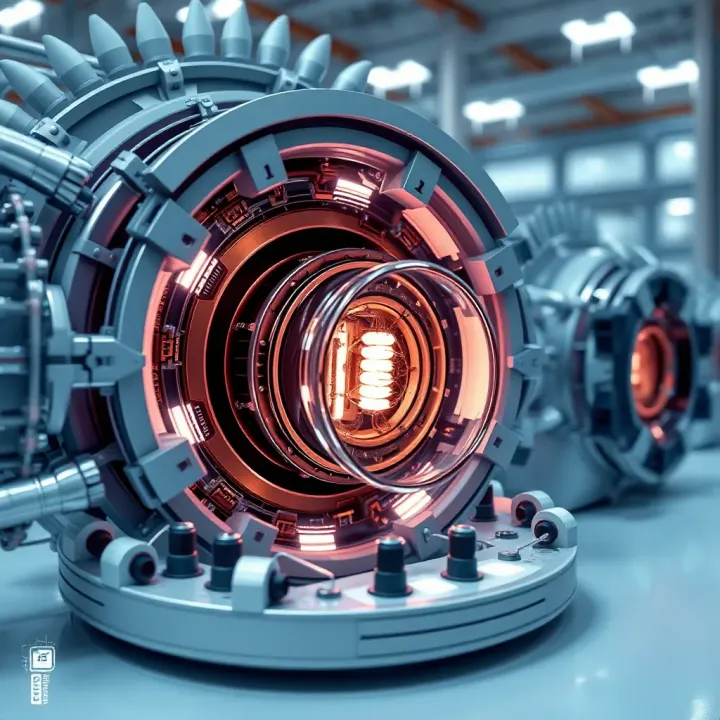
The economic prospects of fusion extend beyond power production. Fusion promises to reshape industries dependent on large-scale energy, from manufacturing to transportation. In Nigeria, where energy supply is erratic with frequent power outages and reliance on costly diesel generators, fusion could transform the landscape by offering a stable and cleaner alternative.
That said, the challenges are serious and cannot be swept under the carpet. Developing commercially viable fusion reactors involves steep technological hurdles, high upfront capital, and complex regulation. The Nigerian energy sector's policy environment and infrastructure readiness also remain key variables in unlocking fusion’s potential locally.
Fusion energy represents a frontier where innovation meets investment risk, making it essential for traders, investors, and entrepreneurs to weigh opportunities carefully.
To navigate this evolving space, stakeholders need a clear understanding of the fusion market dynamics—who the main players are, what technological milestones have been reached, the expected timeframe for commercialisation, and how government policies influence the path forward.
This article aims to provide a grounded and practical overview, helping Nigerian investors and market analysts identify how fusion fits into the energy mosaic and what the rise of this technology means for business ventures and the broader power economy.
Understanding fusion energy and its market potential is a key starting point for anyone looking to grasp the opportunities and challenges this sector offers. Fusion promises a near-limitless source of clean energy, which could reshape Nigeria's and the world’s energy outlook. For investors and entrepreneurs, this means potential early-stage involvement in technologies that might soon disrupt fossil fuels and renewables alike.
Fusion and fission are nuclear processes but operate quite differently. Fusion involves combining light atomic nuclei—usually isotopes of hydrogen like deuterium and tritium—under extremely high temperatures and pressures to form heavier nuclei, releasing vast amounts of energy. In contrast, fission splits heavy atoms like uranium or plutonium into smaller fragments, also releasing energy but accompanied by long-lived radioactive waste.
This difference is crucial because fusion's waste is far less hazardous and shorter-lived than that of fission, offering cleaner energy with fewer disposal problems. Moreover, fusion fuel—hydrogen isotopes—can be sourced from seawater or lithium, making it abundantly available compared to uranium, which is finite and geopolitically sensitive.
Two main methods dominate fusion research today: magnetic confinement and inertial confinement. Magnetic confinement uses powerful magnetic fields to trap and control hot plasma in doughnut-shaped devices called tokamaks or stellarators. For example, the International Thermonuclear Experimental Reactor (ITER) in France utilizes a tokamak and aims to prove net energy gain.
The inertial confinement approach, by contrast, uses high-energy lasers or particle beams to compress tiny fuel pellets rapidly, inducing fusion before the fuel disassembles. The National Ignition Facility (NIF) in the US is a leading project employing this method. Both approaches are expensive and technically complex but represent the best hope for controlled, sustained fusion in the near future.
Fusion's appeal lies in its potential to deliver vast amounts of low-carbon energy without the intermittency seen in solar or wind power. Unlike fossil fuels, it emits no greenhouse gases during operation, positioning it as a vital addition to the clean energy mix. Its by-products are mainly helium, a harmless gas with commercial value.
In a country like Nigeria where power supply remains unstable and demand continues to climb, fusion could eventually provide a reliable, large-scale alternative to diesel generators that currently cost billions of naira annually in fuel consumption.
Aside from ITER and NIF, private enterprises also drive fusion progress. Companies like Commonwealth Fusion Systems and Tokamak Energy have raised multi-million-dollar funding to develop compact, cost-efficient fusion reactors. These projects shorten timelines compared to government programmes and increase innovation risks and rewards.
International collaborations also foster knowledge exchange, helping countries like Nigeria prepare for future fusion integration. These global efforts underline how fusion development is no longer limited to advanced economies but beckons emerging markets to participate and benefit.
Fusion energy remains at a critical stage where scientific hopes meet market realities, demanding informed investment and policy decisions today to harness tomorrow's clean energy boom.
This overview sets the stage for understanding how fusion's technical feasibility and growing global momentum present opportunities—alongside challenges—that must be navigated carefully by stakeholders looking to make a mark in the fusion market.
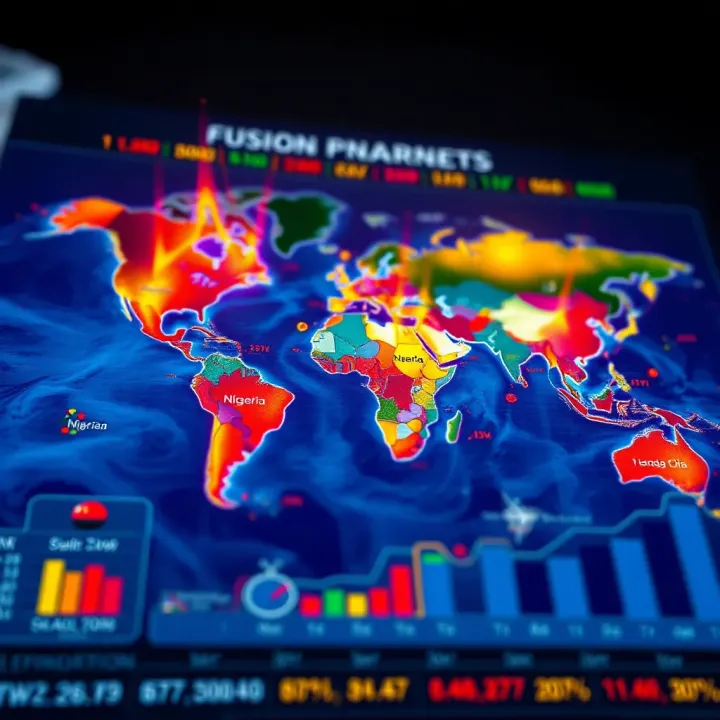
Understanding who shapes the fusion market and the technologies they develop is essential for investors and analysts tracking this sector’s progress. The mix of private innovators and government-backed programmes creates a dynamic landscape where breakthroughs can happen fast, affecting market opportunities and risks.
Private sector innovators in fusion play a significant role in pushing fusion technology from theory to application. Companies like Commonwealth Fusion Systems and TAE Technologies are pioneering new approaches to reduce size and cost, targeting commercial fusion within this decade. Commonwealth Fusion, for example, focuses on compact, high-field magnets which promise more efficient reactors. These private firms attract billions in venture capital because they can move quicker than public projects and often explore alternative, riskier ideas. For traders and entrepreneurs, spotting these innovators early can be rewarding as they shape future energy markets.
Government-led fusion programmes also remain major drivers, stabilising long-term research with substantial public funds. The International Thermonuclear Experimental Reactor (ITER) project in France, backed by several countries, exemplifies this. ITER aims to build the world’s largest tokamak reactor and demonstrate sustained fusion power. Governments ensure steady progress on foundational technologies and regulatory frameworks, which private firms later adopt and commercialise. For Nigerian policymakers and investors, understanding how government projects integrate with private efforts worldwide can guide collaboration and investment decisions.
Magnetic confinement fusion (MCF) uses strong magnetic fields to contain the hot plasma where fusion occurs. The tokamak design is the most known form, with projects like ITER and the UK’s STEP programme pushing this technology forward. MCF’s advantage lies in its scalability and potential for continuous power output. Investors see MCF as a promising pathway to large-scale, reliable fusion plants, though commercial readiness may take years.
Inertial confinement fusion (ICF) compresses fuel pellets rapidly with lasers or particle beams to trigger fusion. The National Ignition Facility (NIF) in the US is a leading ICF project. While ICF currently serves research and military interests more, recent progress hints at future power generation possibilities. Its relevance to the market is growing as funding increases, but practical energy production still faces technical and economic hurdles.
Alternative fusion methods explore less conventional ideas like magnetised target fusion, aneutronic fusion, and fusion using dense plasma focus. Companies such as Helion Energy and LPP Fusion experiment with these methods to achieve cheaper and simpler reactors. These approaches are attractive because they could sidestep heavy infrastructure and reduce radioactive waste. For investors and innovators, alternative fusion presents speculative but potentially high-reward opportunities, ideal for diverse portfolios seeking to tap early-stage breakthroughs.
Fusion technology is not one-size-fits-all; appreciating the diversity of players and methods helps stakeholders navigate where value and risk lie.
As the fusion market develops, these players and technologies will increasingly influence energy policy, investment flows, and industrial growth globally, with particular implications for countries like Nigeria looking to secure energy independence and foster tech-driven industries.
Investment plays a defining role in realising the potential of fusion energy. With huge upfront costs and extended development periods, robust financial backing is non-negotiable. For investors and entrepreneurs, understanding the evolving market size and growth projections offers insight into when fusion technologies might start yielding returns. Meanwhile, economic opportunities extend beyond energy supply; they include industrial development and job creation, especially relevant for emerging economies like Nigeria and wider Africa.
Global investments in fusion have surged notably since the early 2020s. Private companies like Commonwealth Fusion Systems and TAE Technologies have attracted hundreds of millions of dollars, signalling strong market confidence. Governments continue to pour funds into flagship projects such as ITER, the international fusion experiment in France, with over €20 billion committed collectively. This inflow points to fusion as an increasingly viable commercial market rather than just academic pursuit.
The growing pool of venture capital and state funding reflects broad belief that fusion technology's commercial edge is near – not decades away.
Projected timelines for commercial fusion keep shifting, but many experts now expect fusion power plants could be operational at scale by the 2040s. This marks a more optimistic stance compared to earlier views estimating 50 or more years. Early pilot plants and demonstration reactors, due within the next 10 to 15 years, will pave the way to full commercial services. These timelines influence strategies for investors looking to participate in what may become a multi-trillion-naira industry.
Fusion energy could transform Nigeria’s energy landscape by providing a consistent, clean, and abundant power supply. This would reduce reliance on diesel generators and fossil fuels, helping stabilise the grid and cut fuel import bills. With Africa’s growing energy demand, fusion offers a long-term solution to power shortages slowing economic growth. Government and private sector collaboration would be vital to integrate fusion power with local infrastructure.
Investment in fusion may also spur job creation and boost industrial expansion in Nigeria. The need for manufacturing specialised components, maintaining complex systems, and running research centres will generate skilled and semi-skilled employment. Beyond energy generation, the fusion ecosystem can stimulate adjacent sectors such as engineering services, data analytics, and education. By positioning itself early, Nigeria could build competitive advantage rather than becoming a mere consumer of imported energy technologies.
In summary, fusion market investment reflects not just an energy innovation but a path to economic resilience and sustainable development for Nigeria and Africa at large.
Understanding the regulatory and policy environment is vital for the fusion market's growth. Regulations help ensure safety, protect the environment, and establish clear rules for technology use and investment. For investors, traders, and entrepreneurs, a transparent policy framework reduces uncertainty and encourages sustainable development. This section highlights key regulatory aspects globally and the specific challenges Nigerian policymakers face in fostering a fusion energy ecosystem.
Fusion energy promises cleaner power, but it still requires strict safety regulations due to high-energy processes and radioactive materials involved in fusion reactors. Globally, regulators have developed frameworks focusing on containment protocols, radiation protection, and waste management to avert accidental releases and environmental harm. For instance, the International Atomic Energy Agency (IAEA) offers guidelines that fusion projects follow to ensure nuclear materials are securely handled.
These standards are not just technical details; they’re practical safeguards that protect communities and ecosystems. Investors look closely at a country’s safety regime because strong controls reduce operational risks and potential liabilities. Without these safeguards, fusion projects could face delays or costly modifications, undermining their commercial viability.
Fusion is a frontier technology, often requiring collaboration across borders. Intellectual property (IP) rules govern how innovations are protected and shared among companies, universities, and governments. A balanced approach is needed so inventors can secure rights and returns, while the broader fusion community benefits from shared knowledge to advance the technology faster.
International projects like ITER (International Thermonuclear Experimental Reactor) exemplify cooperation, involving multiple countries sharing technology under agreed terms. Investors and policymakers must understand IP frameworks to navigate licensing and joint ventures effectively. For Nigeria, engaging in global fusion research means ensuring IP laws encourage innovation without discouraging foreign partnerships.
Nigeria faces the task of crafting regulations that match fusion’s unique demands while fitting local realities. Given the novelty and complexity of fusion, creating clear, consistent policies will require expertise and stakeholder consultation. This involves setting safety standards, licensing procedures, and environmental guidelines tailored to Nigeria’s context.
A supportive framework also means integrating fusion into national energy policies and creating incentives for research and development. Without this, Nigeria risks missing out on early participation in the fusion market or facing regulatory bottlenecks that scare away investors.
Investment is critical for fusion projects, which are capital-intensive and long-term. Nigerian policymakers must design policies that offer stability and clear returns to attract both local investors and foreign companies. This includes tax incentives, streamlined approval processes, and guarantees against abrupt regulatory changes.
Since Nigeria is competing with other countries for fusion investment, demonstrating commitment through robust policy frameworks is key. This also means protecting investors’ rights around technology transfer and profit repatriation. If done well, Nigeria could position itself as an attractive hub for fusion research and commercialisation in Africa.
The right regulatory environment not only safeguards communities but unlocks investor confidence, making fusion energy a feasible reality in Nigeria and beyond.
By focusing on safety, intellectual property, and creating investor-friendly policies, Nigeria can tap into fusion’s promise while addressing its challenges head-on.
Understanding the challenges facing the fusion market is key for investors and entrepreneurs looking to navigate this emerging space. While fusion promises a clean, virtually limitless energy future, the road ahead is littered with technical and financial obstacles. Realising commercial fusion will require patience, innovation, and sustained funding. Examining these hurdles alongside the market’s future prospects helps stakeholders assess risks and opportunities in this sector.
High costs and long development cycles pose a significant challenge for fusion projects. Building fusion reactors demands massive capital investment, often running into hundreds of millions or even billions of dollars, with no guaranteed return in the short term. For example, ITER, the international fusion experiment under construction in France, has seen costs balloon to an estimated €20 billion over decades. These long timelines, sometimes spanning 20 to 30 years, test the patience of investors who demand clearer pathways to profitability.
Such extended development periods also mean fusion ventures can struggle to attract continuous funding. Investors, especially in Nigeria and Africa where capital markets are still evolving, may hesitate to commit to projects whose payoffs lie beyond a typical investment horizon. This underlines the need for government support and public-private partnerships to mitigate financial risks and keep fusion R&D alive.
Technical hurdles slowing progress remain a concern despite gains in fusion science. Containing plasma at temperatures over 100 million degrees Celsius without damage to reactor walls is an ongoing engineering puzzle. Magnetic confinement devices like tokamaks need to sustain stable plasma for longer durations, while inertial methods face challenges in laser precision and fuel pellet delivery.
Moreover, materials that can endure extreme neutron irradiation inside fusion reactors are still under development. These issues constrain commercial viability since reactors must operate reliably and safely over many years. Addressing technical bottlenecks requires advances in superconducting magnets, diagnostics, and materials science, fields that need cross-sector collaboration and consistent funding.
Potential timeline for fusion power plants remains a debated yet evolving topic. Currently, many experts expect the first electricity-generating fusion plants to emerge between 2035 and 2050. Start-ups such as Commonwealth Fusion Systems and TAE Technologies are accelerating innovation, suggesting commercial fusion could arrive sooner than previously imagined, if breakthroughs continue. For Nigeria and Africa, this timeline means fusion won't immediately replace existing power sources but holds promise for long-term energy planning.
While fusion power plants are years away, they could transform energy security by providing clean baseload power without the supply volatility faced in many African grids today.
Innovation trends improving feasibility focus on reducing size, cost, and complexity of fusion reactors. Compact tokamaks with high-temperature superconductors, AI-driven plasma control, and novel fuel cycles like aneutronic fusion are gaining traction. These advances lower barriers for smaller companies and homegrown innovation hubs, which could drive more affordable fusion technologies.
In Nigeria, local research institutions partnering with international bodies may tap into these trends to customise fusion approaches suitable for African contexts. The gradual drop in hardware costs combined with improved computational modelling positions fusion technology on a more practical commercial footing.
In summary, fusion’s future hinges on overcoming steep financial and technical challenges. However, ongoing innovation and sustained commitment suggest a progressively doable path towards commercial energy generation. For investors and businesses, keeping an eye on these developments and policy shifts will prove invaluable in navigating the fusion market's evolving landscape.
Discover how to pick the best forex broker in Nigeria 🇳🇬 with tips on regulation, platforms, fees, support, and avoiding common mistakes 📈💡

Discover how trading brokers connect Nigerian traders to markets, their key services, account types, useful tips, and local regulations to trade smarter 💹📊

Explore Squared Financial's unique trading and investment services in Nigeria's market 📊. Learn about its products, regulation, and practical platform tips 💡.

📈 Discover how the best trading platforms help Nigerian investors access stocks, forex, and commodities securely with local market insights and reliable features.
Based on 8 reviews