
XM Minimum Deposit Guide for Nigerian Traders
Discover how to meet XM's minimum deposit and start trading smart in Nigeria 🇳🇬. Learn funding options, tips, and key facts to kickstart your trading journey!
Edited By
George Davies
Starting to trade with HFM means understanding their minimum deposit rules well. For Nigerian traders, knowing the exact amount to fund your account can save you from wasting ₦ on unnecessary fees or failed transactions. HFM sets different minimum deposits depending on account types, and this affects how soon you can begin trading and which markets are open to you.
The standard minimum deposit for an HFM micro account is typically $5 (around ₦2,500), making it accessible for beginners or traders wanting to test strategies with limited risk. However, higher-tier accounts like the Premium or Zero Spread require larger deposits, usually around $100 to $200, providing access to better spreads and advanced trading tools.
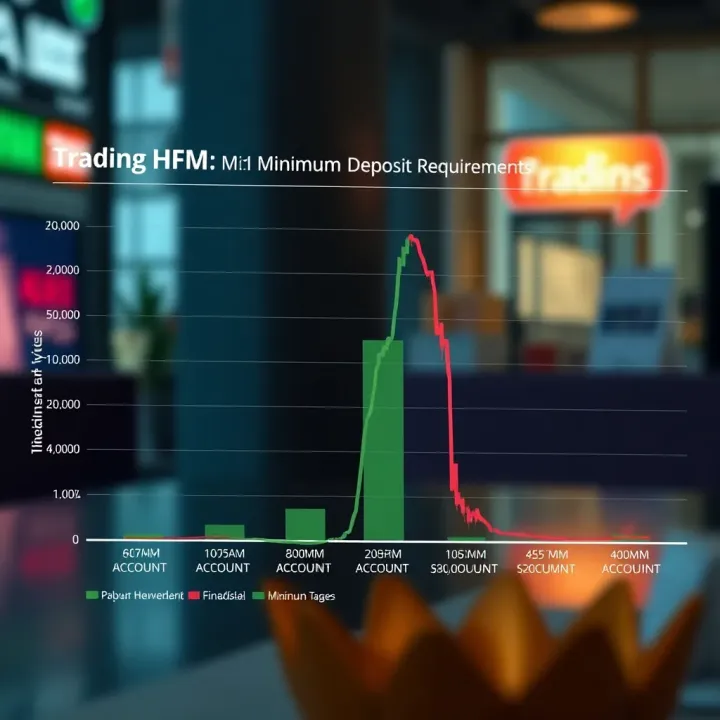
Remember, choosing the right account type depends on your trading goals and available capital. Depositing more than needed doesn’t always mean better results, so plan carefully.
Nigerian traders benefit from various payment options when depositing with HFM. Local bank transfers via popular Nigerian banks (GTBank, Access Bank, Zenith Bank) are supported, alongside international methods such as Visa/Mastercard cards, and e-wallets like Skrill or Neteller. This variety helps you pick a method that balances convenience and cost. For example, using a local bank transfer can avoid foreign exchange fees from third-party platforms, while cards offer quick funding but sometimes higher charges.
In practical terms, if you have ₦20,000 available, opening a micro account with a small deposit lets you start trading immediately and practice money management without risking too much. Plus, it allows you to familiarise yourself with HFM’s platform before committing larger funds.
Set yourself up for success by ensuring your initial deposit covers both the minimum requirement and enough margin for trades. Watch out for hidden charges in some payment methods; always check the total amount debited, not just what you send. Using a payment option accepted locally can reduce delays and complications—vital for Nigerian traders amid fluctuating exchange rates and bank policies.
Understanding these deposit rules is your first step towards smooth trading with HFM. It helps you avoid unwanted surprises and positions you strategically to grow your investment steadily.
Before jumping into the nitty-gritty of minimum deposit requirements, it’s crucial to understand HFM (formerly HotForex) and the trading accounts it offers. This background helps Nigerian traders see how different account types fit their trading goals and budget, especially when considering the initial amount to fund their account.
HFM is a well-known online broker that has served global markets for over a decade. It offers access to Forex, commodities, indices, and cryptocurrencies through its platform. For Nigerian traders, HFM’s appeal lies in its accessible trading conditions, regulation status, and a range of accounts tailored to various experience levels. Understanding HFM’s core strengths allows traders to pick the right account upfront and avoid surprises when it comes to deposits and withdrawals.
The Micro Account is ideal for beginners or those wanting to trade with limited capital. It requires a low minimum deposit, making it friendly for Nigerian traders still testing the waters. With micro lot sizes, this account lets users trade small amounts, which means less exposure to risk. For example, a trader can open a position worth just a few hundred naira, depending on leverage, making it easy to learn without big losses.
The Standard Account suits traders with more experience or larger capital ready to invest. It offers tighter spreads and more flexible leverage options compared to the Micro Account. Nigerian traders using this account get access to broader market instruments and faster execution speeds, which are essential for active trading styles like day trading or scalping. The minimum deposit here is higher than the Micro Account but still reasonable enough for many retail traders.
The Zero Spread Account appeals to traders who want ultra-competitive spreads with little to no mark-up. This account type charges a fixed commission on trades instead. It is particularly useful for scalpers and high-frequency traders who need precise price entries without worrying about fluctuating spreads. Since costs are transparent, Nigerian traders who understand commission structures can better calculate their cost of trading. The minimum deposit is usually higher but offers quality suited to experienced traders aiming for tight control over trading expenses.
Choosing the right HFM account type is a practical step in managing your trading capital wisely, especially as minimum deposits vary. Knowing what each account offers helps you match your strategy, budget, and risk appetite.
Understanding these account types helps you decide the best starting point and anticipate the size of your minimum deposit. Also, it lays the foundation for exploring the payment methods and risk considerations that follow in HFM’s trading ecosystem.
Understanding the minimum deposit requirements for HFM trading accounts is key for Nigerian traders. This amount sets the entry point to start interacting with the market and can significantly influence the trading strategy you choose. In practical terms, knowing the minimum deposit helps you plan your investment without stretching your finances or exposing yourself to unnecessary risks.
For instance, if you have ₦50,000 saved for trading, selecting an account with a lower deposit requirement enables you to enter the market and learn the ropes before scaling up. On the other hand, larger deposits open up access to accounts offering advanced features, which are more suited for seasoned traders.
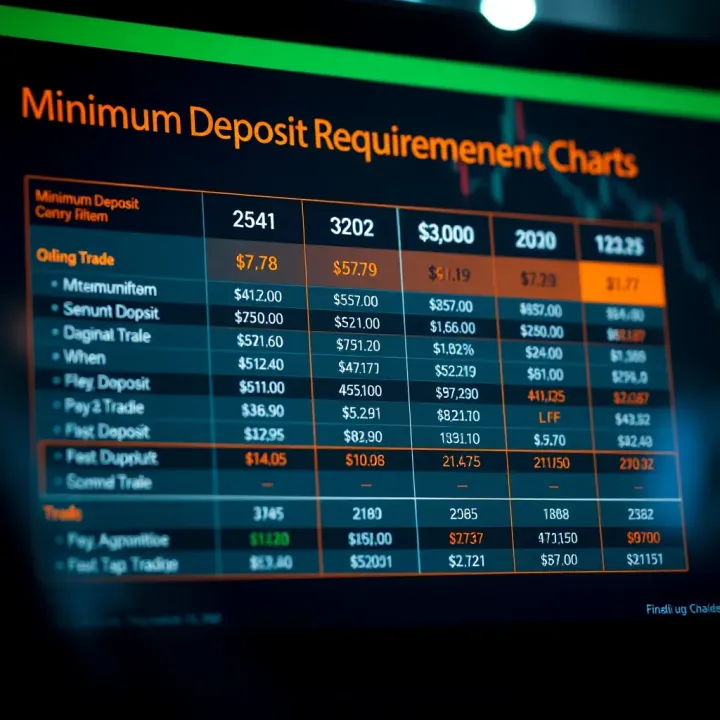
HFM offers several account types, each tailored to distinct trading styles and capital. The Micro Account requires the lowest minimum deposit, usually around $5 (about ₦2,500), which makes it ideal for beginners or traders testing the waters. The Standard Account raises the bar, often demanding $100 (approximately ₦50,000). This suits traders preparing to take more significant positions with access to competitive spreads.
Lastly, the Zero Spread Account can require a minimum deposit of $200 (around ₦100,000). While pricier, it caters to professional traders who prioritize tight spreads over commission fees. Selecting the right account depends largely on your available capital and trading objectives.
The initial deposit doesn't just unlock the account; it shapes the scope of your trading activities. Higher deposits typically grant access to better leverage, wider trading instruments, and faster execution speeds. For example, with ₦100,000 in a Zero Spread Account, you might trade forex pairs with spreads near zero, reducing cost per trade.
In contrast, a micro deposit restricts you to smaller lot sizes and possibly fewer instrument options. This limitation can act as both a safeguard and a learning platform, preventing large losses while you build experience.
Choosing your minimum deposit wisely encourages sensible money management and improves your chances for success. Avoid rushing to deposit more than you can afford just to access premium features.
To sum up, understanding HFM's minimum deposit rules helps you align your trading start with your budget and goals. Start with what you can comfortably afford; it’s better to grow steadily than to burn out fast. Numerous Nigerian traders have built their footing beginning with micro accounts before upgrading their funds and strategies.
Choosing the right payment methods and deposit options is key for Nigerian traders dealing with HFM. These choices affect how fast you can start trading, how much extra you pay in fees, and how secure your funds remain. Being well-informed about local deposit channels ensures you avoid unnecessary delays and charges.
Bank transfers remain a favourite among Nigerian traders because they are widely accessible and trusted. Most major banks like GTBank, Access Bank, and Zenith Bank support transfers to HFM’s corporate accounts. This method works well for traders who prefer a straightforward, direct deposit from their account to the broker. However, it sometimes takes longer during weekends or public holidays, so factor in potential delays when planning your trading.
For example, if you initiate a transfer on a Friday afternoon, the funds might only reflect on Monday morning. Also, bank transfers might attract charges from both sending and receiving banks, so confirm fees with your bank upfront to avoid surprises.
Online payment gateways like Paystack and Flutterwave have revolutionised deposits for Nigerian traders due to their speed and convenience. These platforms accept payments from various Nigerian bank cards and mobile money wallets, processing deposits almost instantly.
Many traders appreciate this option because it removes the need to visit a physical bank and makes it easy to fund accounts from anywhere. For instance, a trader can use Flutterwave to pay from an Access Bank debit card and see the deposit cleared within minutes, allowing quicker entry into the market.
Using e-wallets and cryptocurrency is gaining popularity among Nigerian traders who need flexibility and less dependence on traditional banks. E-wallets supported by HFM, such as Skrill and Neteller, are handy for those who frequently trade and want an extra layer between their bank and broker.
Cryptocurrency deposits, like Bitcoin or USDT, are also accepted, which opens doors for traders comfortable with digital currencies. This option bypasses local banking issues like limited forex availability or transaction caps. However, since crypto markets can be volatile, it's wise to convert funds promptly to avoid value shifts affecting your trading capital.
Processing times and fees vary based on the deposit method. Bank transfers might take 1–3 working days depending on interbank clearing processes. Online platforms like Paystack and Flutterwave usually process deposits within a few minutes, making them suitable for urgent trades.
Traders should expect service fees especially on online platforms and e-wallets. Fees often range from 1% to 3% of the deposit amount, though some platforms waive charges for higher amounts or promotional offers. Using bank transfers sometimes reduces fees but at the cost of slower processing. Always check for hidden charges to avoid losing part of your trading funds to excessive fees.
Quick and fee-friendly deposits keep you in the game. Pick the deposit option that fits your trading style and urgency to avoid missing timely market moves.
When trading with HFM, managing risks and making the most of your deposit are essential to protect your funds and increase your chances of success. Deposits serve as your trading capital, so understanding how to use this money wisely is key for Nigerian traders who often deal with limited resources and market volatility.
Leverage allows you to control a larger position than your actual deposit by borrowing funds from the broker. For example, if HFM offers leverage of 1:100, a ₦10,000 deposit can let you trade assets worth ₦1,000,000. While this can amplify profits, it also increases potential losses. That’s why you must know how margin works — your deposit acts as a buffer or security for open trades. When the market moves against you, and your margin level drops below a threshold, HFM may close positions automatically to prevent your account from going negative.
This mechanism, called a margin call, means traders have to monitor their positions carefully. Nigerian traders can avoid liquidation by using stop-loss orders and not overextending leverage beyond their risk tolerance.
Scams and Fraud Warnings: Sadly, Nigeria’s trading ecosystem sometimes faces fraudulent schemes targeting inexperienced traders. Fake brokers or fraudsters often promise unrealistic returns to lure investors into depositing funds. Traders must be alert for red flags such as unsolicited calls, requests for payment via unverifiable methods, or websites lacking proper regulatory information. Always verify that the broker is authorised by recognised bodies before depositing large sums.
Importance of Using Verified Payment Methods: Depositing funds through official channels like bank transfers, Paystack, or Flutterwave reduces fraud risk and ensures smooth processing. HFM supports several verified payment options that protect your money and personal data. Avoid sending payments through unknown wallets or informal methods often promoted on social media. These unverified channels expose you to scams and complicate fund recovery if something goes wrong. Reliable payment platforms also offer faster deposit crediting times, making your trading quicker to start.
Starting small with your initial deposit helps you learn without risking too much. For instance, begin trading with the minimum deposit of $5 (about ₦2,500) in a micro account, then gradually increase as you become confident. Using practice accounts or demo trading lets you test strategies without real money.
To grow your capital, consistently reinvest profits rather than withdrawing immediately. Keep track of your trades and avoid emotional decisions during market swings. Managing your deposit with discipline creates a foundation for steady growth, which is especially vital in a market environment like Nigeria’s where external factors such as currency fluctuations and power supply can affect trading conditions.
Wise deposit management pairs understanding of leverage with cautious funding and withdrawal habits to safeguard your trading journey with HFM.
By focusing on risk management and practical deposit use, Nigerian traders can make more informed decisions, protect their funds from scams, and build capital steadily for long-term success.
The FAQ section is vital in clearing up common concerns Nigerian traders have about HFM’s minimum deposit. It provides straightforward answers, so you avoid wasting time or falling into common mistakes. For instance, understanding how quickly you can trade after deposit helps you plan when to enter the market without delay. Similarly, knowing your ability to add or withdraw funds anytime allows you to manage risk better and respond to changing market conditions.
This section tackles practical matters like what to do if your deposit encounters delays — a common hiccup Nigerian traders face due to banking or payment service issues. It shines a light on deposit processing, making sure you don’t start trading blind or miss out on good opportunities.
Once you complete your deposit with HFM, trading can often start in a matter of minutes if you’ve used instant payment methods like Paystack or Flutterwave. Bank transfers might take several hours or up to a business day, depending on the Nigerian banking system’s working hours and any public holidays. After the deposit clears, HFM usually activates your trading account immediately.
This speed is crucial during volatile market periods—for example, if there's a sudden change in the forex market, you wouldn’t want your funds lingering in limbo. However, always double-check your trading platform for confirmation before attempting to trade to avoid errors caused by pending deposits.
Yes, HFM allows traders to top up or withdraw funds from their accounts whenever they want, subject to the platform’s withdrawal policies. Increasing your deposit might be necessary when you spot a promising trading opportunity or want to adjust your trading strategy.
Withdrawals usually take longer, mostly because of security checks and banking procedures. For Nigerian traders, expect between 24 and 72 hours for funds to reflect in your local bank account, considering weekends and bank working hours. Keep in mind that withdrawal methods must usually match your deposit method to comply with anti-money laundering rules.
Delays in deposit processing can result from bank network issues, payment gateway setbacks, or incorrect deposit details. If this happens, you should immediately contact HFM’s support team and your bank or payment provider to identify the problem.
Meanwhile, avoid trying repeated deposits, as this could trigger fraud alerts or cause multiple deductions from your account. Nigerian traders especially need patience because internet connectivity or banking system inefficiencies sometimes slow down transactions.
Always keep transaction receipts or screenshots handy as proof when raising complaints about delayed deposits.
In rare cases, if a deposit is significantly delayed, you might miss specific trading window opportunities. To mitigate this, prepare ahead by funding your account in advance during less volatile periods or when Nigerian banks are fully operational.
By understanding these FAQs, Nigerian traders can confidently handle their HFM minimum deposits, ensuring smoother and more secure trading experiences.
Discover how to meet XM's minimum deposit and start trading smart in Nigeria 🇳🇬. Learn funding options, tips, and key facts to kickstart your trading journey!
Explore Olymp Trade's low minimum deposit of just ₦1,000 🤑, compare with other platforms, and learn smart payment and risk strategies for Nigerian traders 🇳🇬.
🔥 Learn about Pocket Option minimum deposit for Nigerian traders, including payment methods, security tips, and how to maximise your ₦ investment wisely. 📈
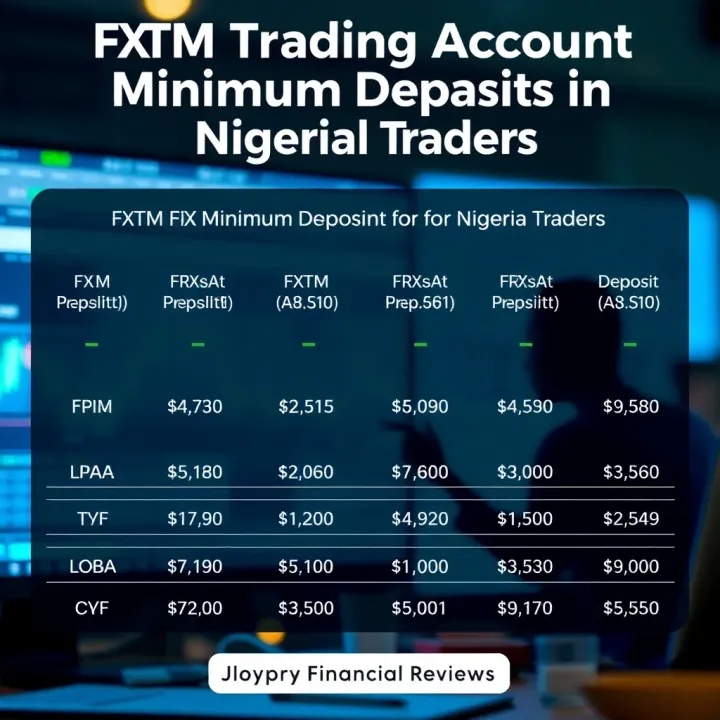
Learn FXTM minimum deposit requirements for Nigerian traders ₦. Discover payment options, benefits, and tips before investing in FX trading 📈💰 Start smart with FXTM today!
Based on 10 reviews