
XM Minimum Deposit Guide for Nigerian Traders
Discover how to meet XM's minimum deposit and start trading smart in Nigeria 🇳🇬. Learn funding options, tips, and key facts to kickstart your trading journey!
Edited By
Isabella Gray
Starting your trading journey with FXTM (ForexTime) means understanding the minimum deposit requirements attached to different account types. These deposit thresholds dictate how much you need upfront to open an account and begin trading. For Nigerian traders, this is particularly important because it shapes your initial investment and risk exposure.
FXTM offers various accounts tailored for beginners, intermediates, and advanced traders. Each account comes with its own minimum deposit, typically ranging from as low as $10 (roughly ₦5,000) to several hundred dollars. For example, the Micro Account requires a minimum deposit of $10, making it accessible if you're testing the waters or working with limited capital. On the other hand, the ECN Account, created for professional traders looking for tighter spreads and direct market access, needs around $200 or more.
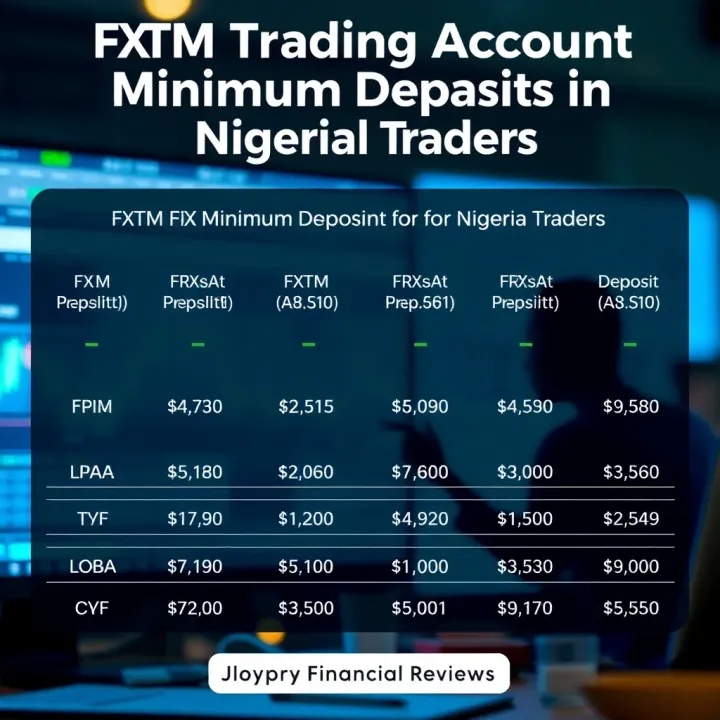
Understanding these minimum deposits helps you pick an account that aligns with your trading skills and budget. Keep in mind that choosing an account with a low minimum deposit doesn’t mean you should trade recklessly; rather, it means you can start small and build your portfolio steadily.
Nigerian traders should also consider the impact of currency exchange rates and transfer fees when funding their FXTM accounts. Depositing in USD or EUR via local banks or payment platforms like Paystack or Flutterwave may result in extra charges or delays.
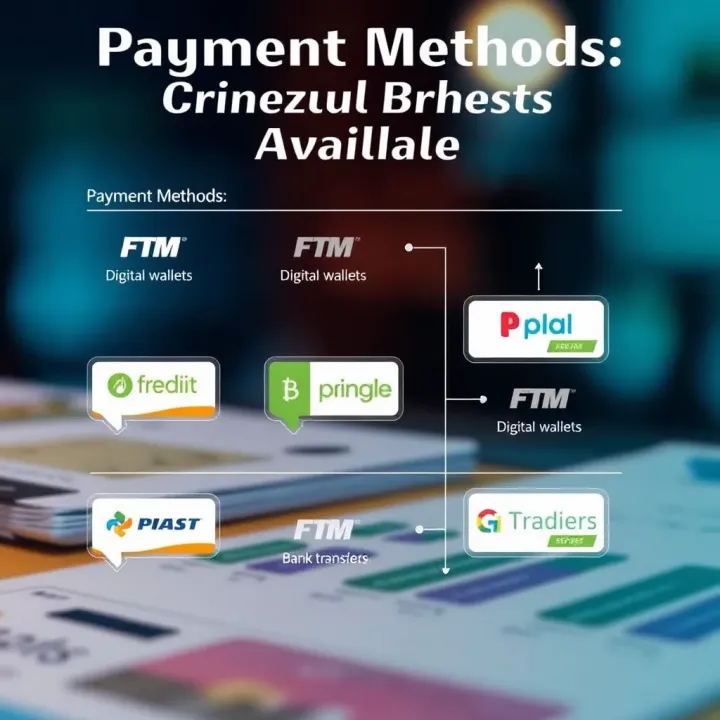
Moreover, FXTM supports several payment methods for Nigerians, including bank transfers, debit/credit cards, and popular e-wallets like Skrill and Neteller. This variety offers flexibility but also affects how quickly your deposit reflects in your trading account and whether additional charges apply.
When you plan your initial deposit, aim to cover both the minimum requirement and any transaction cost from your bank or payment provider. For instance, while the minimum deposit might be $10, transfer fees could require you to budget a bit more, say ₦7,000 to ₦8,000, depending on your payment channel.
By knowing FXTM's minimum deposit requirements and payment options, Nigerian traders can start trading confidently, avoid unexpected expenses, and focus on building their strategies rather than struggling with funding issues.
Getting a good grasp of FXTM as a broker and the trading accounts it offers is key before thinking of making any deposit or starting to trade. Nigerian traders benefit when they understand what each account brings to the table, including deposit thresholds, trade conditions, and suitability for different trading styles.
FXTM, or ForexTime, has grown steadily into one of the widely recognised brokers in Africa, especially popular among Nigerian traders looking to enter forex and CFDs markets. Renowned for its regulatory compliance across several jurisdictions, FXTM provides a relatively secure trading environment. The broker offers user-friendly platforms and ample educational resources which support both beginners and experienced traders. Understanding FXTM's background gives Nigerian investors confidence about where they put their money and how their trades will be handled.
FXTM presents a variety of account types to suit traders with different budgets and goals. Selecting the right account affects the minimum deposit requirement and the overall trading experience.
This is FXTM's entry-level account designed for individuals who want to trade with a moderate deposit. It offers access to currency pairs, spot metals, and commodities with competitive spreads. Nigerian traders who have about ₦50,000 to ₦100,000 can comfortably start with the Standard Account. It’s useful for those prepared to commit some funds but not enough to jump straight into more demanding accounts. The spreads here are fixed or variable depending on market conditions, which matters when planning trade costs.
If you’re a newcomer or wish to experiment without risking large amounts, the Cent Account is valuable. This account uses cents rather than full units, so you trade micro-lots with very low minimum deposits (often below ₦10,000). The Cent Account is practical for getting a feel of live trading, testing strategies, or just practising risk management with limited funds. For instance, if a standard lot equals 100,000 units, a micro-lot under this account is just 1,000 units, making the exposure small and manageable.
The Electronic Communication Network (ECN) Account suits serious and more experienced traders focused on tighter spreads and faster execution. This account often requires a higher minimum deposit, typically starting at ₦250,000 or more, which might be a stretch for some Nigerians but worthwhile for those targeting professional-level trading. ECN accounts link traders directly to liquidity providers, cutting out the dealing desk, so spreads are raw and slim, although there may be commission fees on trades. For day traders or scalpers, ECN offers the precision and speed needed to capitalise on subtle market moves.
For Nigerians interested in stock trading instead of just forex, FXTM's Shares Account opens up access to global and regional shares without needing to buy entire stocks. This account type is good for diversifying investment portfolios beyond currency trading. Minimum deposits vary but start moderately, allowing you to invest in fractional shares or CFDs on shares. This flexibility helps build wealth steadily, rather than trying risky forex plays exclusively.
Choosing the right FXTM account type shapes your initial deposit size, trading costs, and overall flexibility. It’s wise to match your capital, trading experience, and goals before funding your account.
Each account has clear advantages and targets different user needs. Knowing these options helps Nigerian traders avoid surprises when they commit their hard-earned naira and navigate FXTM's platform more confidently.
For Nigerian traders looking to start with FXTM, understanding the minimum deposit requirement is key. It sets the lowest amount you must fund your account with before you can begin trading. This figure is more than just a number—it defines your access level, trading style options, and risk tolerance range.
The minimum deposit acts as a financial gateway; too high, and it might deter new or small-scale traders; too low, and you might miss out on account features that suit serious trading.
The minimum deposit is the least amount of money required to open and maintain a valid trading account with FXTM. It matters because it directly affects how soon and how comfortably you can start trading. For example, if you want to test forex trading without risking much, a lower deposit lets you enter the market without breaking the bank.
Besides entry, this minimum also influences your trading leverage and position size. With a shallow deposit, you can place smaller trades suitable for learning or cautious investment. A larger deposit often unlocks advanced charting tools, narrower spreads, and better execution speeds.
The Cent Account is designed for beginners who want to trade in small quantities, using cents instead of dollars. FXTM requires a minimum deposit of just $10 (roughly ₦5,500) for this account, making it accessible for novices or those testing strategies with little risk involved. This allows traders to experience real market conditions without the stress of significant capital.
This account caters to traders with moderate experience who seek a balance between cost and features. The minimum deposit here is $100 (about ₦55,000). It provides tighter spreads and more trading instruments. For Nigerian traders, this means you can manage risk better while having access to professional tools that can help improve your strategy.
The ECN (Electronic Communication Network) Account is for advanced traders who want direct market access and raw spreads. FXTM sets a higher minimum deposit of $200 (around ₦110,000). This account is suitable for those planning serious trading, where speed and execution quality are priorities. Given the volatility of naira, ensuring you have this level of capital helps manage margin calls effectively.
Unlike other accounts focused purely on forex, the Shares Account allows trading of stocks directly. FXTM demands a minimum deposit of $500 (about ₦275,000) here, reflecting the higher capital needed in equity markets. This account suits investors targeting diversification beyond currency, ready to commit larger funds for potential stock market gains.
Your trading style largely depends on how much you can deposit. Starting with a low minimum deposit like that of the Cent Account means smaller trade sizes and a conservative approach, suitable for practising and learning. You may use tight stop-loss orders and avoid high leverage.
Conversely, a higher minimum like on the ECN Account allows you to trade larger volumes and use strategies based on scalping or day trading. It also means you can bear more considerable risk but should be ready for swift market changes. Effectively, your deposit level guides your approach to risk management, capital allocation, and even trading hours.
Funding your FXTM account efficiently is a key step for Nigerian traders looking to enter the forex market. The ease of depositing funds impacts how quickly you can start trading and take advantage of market opportunities. Given Nigeria’s diverse financial ecosystem, understanding which deposit methods are available and their unique features helps you avoid delays or unnecessary costs.
Bank transfers remain a traditional and trusted way to fund your FXTM account. Major Nigerian banks like GTBank, Access Bank, and Zenith Bank support interbank transfers to FXTM’s designated accounts. While this method is secure, processing times can vary — some transfers clear within a few hours, others take up to a day. Nigerian banks often impose varying fees for transfers, so it’s crucial to confirm these charges beforehand to avoid surprises.
For example, if you’re transferring ₦50,000 from a GTBank account, the fee might range between ₦50 and ₦150, depending on the bank’s policy. The straightforwardness of bank transfers makes it a preferred option, especially for those who want direct movement between their main bank accounts and FXTM.
Using debit or credit cards offers a fast and convenient way to fund your trading account. Most Nigerians use cards issued by local banks or international providers like Visa and Mastercard. Deposits via cards typically process instantly or within a few minutes, letting you start trading without delays.
However, consider that some banks may restrict forex-related transactions, or flag them for additional verification, especially for international payments. Also, card deposits may come with processing fees ranging from 1% to 3% of the amount, so factor this into your cost calculations.
Digital payment gateways like Paystack and Flutterwave have transformed deposits in Nigeria by offering smooth, user-friendly platforms for transferring funds online. These services connect to bank accounts, cards, and mobile money, making it easier for traders without direct foreign currency accounts to fund their FXTM wallets.
These platforms enable near-instant transfers with minimal fees, often far less than traditional banks charge. For instance, using Flutterwave to fund your account from a local bank account might cost as little as ₦100 for transactions up to ₦100,000. Besides cost-effectiveness, the convenience of transacting on mobile apps is a significant advantage in Nigeria’s fast-moving market.
USSD codes remain widely popular in Nigeria for their accessibility, especially in areas with limited internet access. Banks like First Bank, UBA, and Zenith provide USSD services that allow you to transfer funds to FXTM without smartphone apps.
While USSD transfers may not be instant compared to card or digital wallets, they are reliable and useful for quick deposits without needing internet data. Also, banks charge relatively low fees for USSD transactions, which helps traders manage costs, especially when funding smaller amounts.
Deposit timing and costs vary depending on your chosen method. Card and online payments generally offer faster processing, typically within minutes or a few hours. Bank transfers and USSD might take longer — between several hours to 24 hours.
Fees typically range:
Bank transfers: ₦50–₦200 depending on the bank
Cards: 1–3% of the deposit value
Online platforms: Flat fees around ₦50–₦150
USSD: Low flat fees usually below ₦100
Nigerian traders should weigh deposit speed against costs, especially during active market hours. Quick funding methods like cards and online platforms help seize time-sensitive opportunities, while bank transfers and USSD are good for planned deposits.
Careful planning and choosing deposits methods that fit your trading rhythm will help you manage your FXTM account efficiently and avoid losing out on potential trades due to delays.
Choosing to trade with FXTM offers Nigerian traders particular benefits and considerations, especially regarding minimum deposit requirements. Understanding these can help you decide how best to approach the platform for trading forex and other assets.
Starting with a low minimum deposit makes FXTM accessible for most Nigerian traders. For example, FXTM's Cent Account requires as little as $10 (about ₦5,500), allowing beginners or those with limited funds to enter the market without risking large amounts. This lowers the barrier to entry, letting you test strategies and familiarise yourself with trading patterns before committing bigger funds. It also helps those who trade casually or supplement their income without a full-time investment.
Low deposits provide flexibility. You can closely manage your risks and scale up gradually as your confidence and capital grow, rather than locking in large sums upfront. This approach is particularly handy in Nigeria’s sometimes volatile financial environment, where naira fluctuations and liquidity constraints may affect how much you want to tie down in forex.
However, lower minimum deposits carry risks too. Smaller deposits mean limited margin, which restricts how much you can leverage your trades. For example, with a ₦50,000 deposit, your trade positions will naturally be smaller, and you might miss some opportunities available to larger accounts.
Moreover, cheap account options like the Cent Account often come with wider spreads or higher commissions, which can eat into profits if you trade frequently. Choosing an account type should match your trading goals and style. A Standard or ECN account might require a higher deposit but offer tighter spreads and better trade execution.
Traders must also consider volatility in the forex market and how a small deposit account might amplify risks of rapid losses. Without a disciplined strategy, trading with minimum funds can lead to quick depletion of capital.
The naira’s exchange rate directly affects how much value your deposit holds in foreign currency terms. Since FXTM's accounts deposit mainly use USD, changes in the naira-dollar rate can alter how much naira you need to fund the minimum deposit.
For instance, if the naira weakens significantly against the dollar, a ₦5,500 deposit today might become ₦7,000 next month for the same $10 minimum. This impacts your budget and overall trading costs.
Nigerian traders should monitor the Central Bank of Nigeria (CBN) rates and be mindful of this when planning deposits. Using stable payment methods and timing deposits during less volatile periods can help manage this exchange risk.
Understanding both the benefits and risks of FXTM’s minimum deposit options will help you trade smarter. Choose the account type that fits your budget, strategy, and risk tolerance, while keeping the naira exchange rate in mind for your deposits.
By balancing these factors, Nigerian traders can make the most of FXTM’s platform and start their trading journey with confidence and clarity.
Starting your journey with FXTM as a Nigerian trader means understanding the practical steps to open an account without stress and ensure your funds are well positioned. Knowing the right process helps you avoid common pitfalls like delays or documentation problems, which many new traders face. Below, you’ll find clear guidance on how to register, verify your identity, fund your account, and get down to trading.
The first step is to complete your registration on the FXTM website or mobile app. Nigerian traders will need to provide a valid email address and phone number during sign-up. After this, choose the type of account that fits your trading needs and minimum deposit budget — for example, the Cent account suits beginners with low capital.
Make sure you pick the right account currency; since Nigerian traders deal primarily in naira, selecting USD or EUR requires considering the naira exchange rate impact on deposits. Also, choose your platform carefully, whether MT4 or MT5, depending on the instruments you want.
FXTM enforces regulatory compliance, so verification is mandatory before you can start trading. Nigerian traders must upload a government-issued ID, such as a National Identification Number (NIN) card, international passport, or driver’s licence. Additionally, a recent utility bill or bank statement (not older than six months) confirms your address.
Submit clear, legible copies to prevent unnecessary delays. FXTM typically processes verification within 24-72 hours, but having proper documents ready can speed this up. Verification ensures your funds stay safe and reduces the risk of fraud.
Once your account is verified, head to the FXTM deposit section to fund your trading wallet. Nigerian traders have access to local payment options like bank transfers, Paystack, Flutterwave, and USSD codes, which simplify deposits and reduce forex conversion hassles.
For example, you can use your GTBank or Access Bank details to transfer ₦20,000 (the minimum for a Standard account) directly. Keep in mind, deposits may attract small fees depending on the method, so check with your bank or payment provider.
After funding, log into your preferred trading platform and perform a demo trade to test the environment. When confident, start live trading but manage risks carefully, especially when trading with the minimum deposit amount.
Opening an account with FXTM doesn’t have to be complicated. Focus on registering correctly, submitting authentic documents, and picking easy payment methods to start trading confidently from as low as ₦20,000.
Following these steps closely lets Nigerian traders move from beginner to active investor with less stress and smarter control over funds.
Discover how to meet XM's minimum deposit and start trading smart in Nigeria 🇳🇬. Learn funding options, tips, and key facts to kickstart your trading journey!

Discover top forex brokers in Nigeria with low minimum deposits 💰. Learn about regulation, fees, platforms, account types, and support to trade smarter.

Discover how to pick the best forex broker in Nigeria 🇳🇬 with tips on regulation, platforms, fees, support, and avoiding common mistakes 📈💡
📊 Learn how binary options work, spot risks, explore strategies, and understand Nigeria's trading rules in this practical, clear guide for traders.
Based on 14 reviews