
XM Minimum Deposit Guide for Nigerian Traders
Discover how to meet XM's minimum deposit and start trading smart in Nigeria 🇳🇬. Learn funding options, tips, and key facts to kickstart your trading journey!
Edited By
Hannah Mitchell
Starting to trade with Deriv in Nigeria involves understanding the minimum deposit requirements. Unlike some brokers that demand a hefty initial payment, Deriv offers a relatively accessible starting point for Nigerian traders. This minimum deposit is the smallest amount of money you need to put in your trading account to begin trading.
For Deriv, the minimum deposit depends on the chosen payment method. Typically, Nigerian traders can start with as low as ₦2,000 when funding through local payment channels such as Quickteller or bank transfers. E-wallet services like Skrill or Neteller might have different minimums, often higher but still within a reasonable range for most traders. This flexibility makes Deriv appealing, especially for those just testing the waters in online trading.
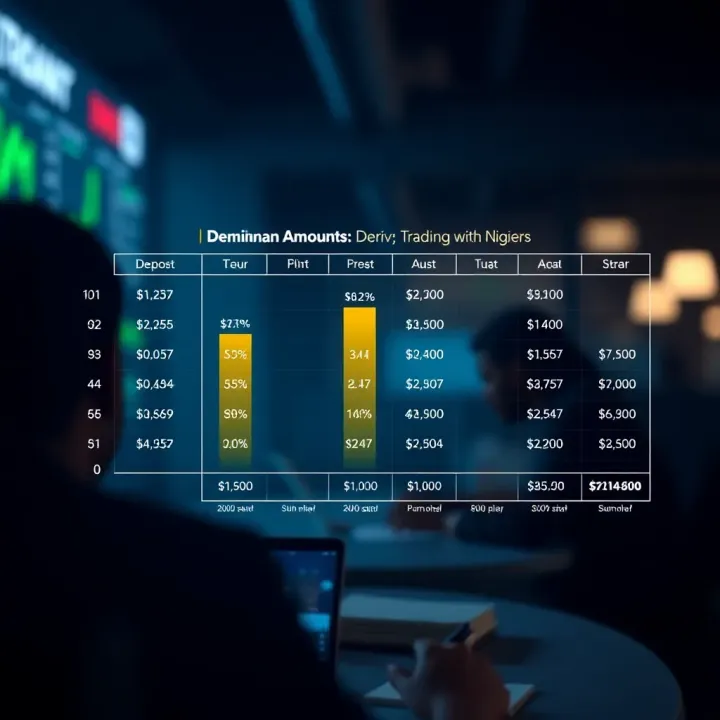
The minimum deposit amount isn’t just a number—it shapes your trading experience, enabling you to manage risk and capital efficiently from the start.
Several factors influence this minimum requirement:
Payment options: Bank transfers, e-wallets, and local payment providers have varied minimums.
Account type: Certain account types on Deriv may require higher minimum deposits due to added features or leverage.
Regulatory policies: Compliance with Nigerian financial regulations and Deriv’s internal policies can affect deposit limits.
To put it in perspective, some other brokers operating in Nigeria request minimum deposits between ₦10,000 and ₦50,000, making Deriv’s lower entry point quite attractive. This is especially practical for new traders managing limited funds or those who want to try trading without heavy upfront commitments.
When managing your deposit, remember:
Always start with an amount you can afford to lose without disrupting your finances.
Use payment methods that charge the least fees to maximise trading capital.
Keep your trading goals realistic and align your deposit size accordingly.
As you get comfortable, you can always add more funds to your Deriv account easily, thanks to their range of supported deposit channels tailored for Nigerian users.
Understanding these minimum deposit details will help you navigate the platform with confidence, preventing surprises and enabling smoother trading operations on Deriv.
Knowing the minimum deposit for Deriv Broker helps Nigerian traders plan their entry into online trading without surprises. This is the lowest amount you need to fund your trading account before you can start placing trades. It shapes your initial capital outlay and risk exposure, so understanding this detail will save you from unwanted delays or disappointments.
For example, a trader in Lagos looking to open a Deriv account needs to budget accordingly, considering their deposit matches or exceeds this threshold. Since Deriv caters to various account types, the minimum deposit can differ, affecting your choice based on your initial capital and trading style. This section breaks down these deposit requirements and highlights key distinctions.
Deriv usually sets a minimum deposit of around $5 (approximately ₦4,500 depending on exchange rates) for its simplest accounts. This relatively low entry point suits beginners who want to test the waters with less initial risk.
However, some accounts like the Synthetic Indices trading might require a slightly higher deposit, often starting at $10 or more. This difference reflects the nature and complexity of the markets accessed. These figures ensure Nigerian traders can participate without locking in too much capital upfront, especially amid naira volatility.
Consider how this compares with other platforms where minimum deposits might start at $50 or $100, making Deriv attractive to those with limited funds but willing to trade seriously.
Deriv offers several account types, including DMT5 and Deriv MT5, each with unique features and deposit requirements. The DMT5 account, popular for forex and CFDs, typically demands a higher minimum deposit than the DTrader account, which caters to binary options and simpler products.
Account types influence not just the deposit amount but also trading leverage, spreads, and available instruments. For instance, traders wanting to explore cryptocurrencies or commodities might find themselves needing to deposit more to access these markets.
It is wise for Nigerian traders to assess their financial comfort and trading objectives before picking an account type. Starting with a lower deposit account allows beginners to learn without overcommitting, whereas more experienced traders might prefer accounts offering advanced tools despite requiring bigger deposits.
Before deciding your deposit amount, consider your risk tolerance, trading goals, and the specific Deriv account type. Your minimum deposit is your first stepping stone, so it needs careful thought to balance opportunity and protection.

In summary, understanding Deriv's minimum deposit helps you start trading with confidence. Whether you choose to begin with the most affordable option or select a more advanced account, knowing these deposit thresholds enables you to prepare financially and avoid surprises during registration and funding.
Several factors influence the minimum deposit requirements set by Deriv broker. Understanding these elements helps Nigerian traders prepare effectively and avoid surprises when starting their trading journey.
Deriv offers various trading account types, each with different minimum deposit thresholds. For instance, a basic demo account usually requires no deposit, allowing beginners to practice risk-free. However, live accounts like the Deriv Standard or Deriv Synthetic Indices accounts may demand a minimum deposit ranging from ₦1,000 to ₦10,000 depending on the market and asset classes involved. Higher-tier accounts, meant for more experienced traders, often require larger deposits but offer advanced features such as lower spreads or leverage options. Choosing the right account based on your capital and trading goals directly impacts how much you need to start.
The method you use to fund your Deriv account also plays a role in deposit amounts and processing times. Popular Nigerian payment platforms like Paystack and Flutterwave integrate smoothly with Deriv, allowing deposits in naira without excessive extra fees. Meanwhile, international options like Skrill or Neteller might have higher minimum deposits due to currency conversion and transfer costs. For example, funding via bank transfer or USSD might necessitate larger minimum sums to cover banking charges. Additionally, some payment options may impose minimum transaction limits, so it’s wise to check these before deciding how to move funds.
Deriv operates under international regulations, which affects how it handles deposits from Nigerian users. To adhere to anti-money laundering (AML) and know-your-customer (KYC) policies, traders must usually complete verification before making larger deposits. This process protects both the broker and the trader, but may delay funding for beginners without verified accounts. Also, regulatory requirements can influence the broker’s strategy around minimum deposits to manage risk, ensuring clients start with enough capital to trade responsibly. For instance, traders depositing very small amounts risk exhausting their funds quickly, so Deriv encourages deposits that support sustainable trading.
Understanding these factors aides Nigerian traders in choosing the account type, payment method, and deposit size that align with their trading plans and local financial realities.
By considering your account choice, selecting the best payment platform, and meeting regulatory requirements, you can start trading on Deriv with confidence and avoid unnecessary hurdles.
Comparing minimum deposit requirements among brokers is vital for Nigerian traders looking to start or expand their trading activities. It shapes your initial budget and influences which broker offers the best value based on your capital. Understanding this helps avoid surprises and make informed choices that align with your trading goals.
Local brokers operating within Nigeria often cater to retail traders by setting minimum deposits that reflect the average trading capital available in the country. For example, some top Nigerian brokerage firms require minimum deposits ranging from ₦50,000 to ₦200,000. This is practical since it matches many Nigerian traders' financial capabilities and reduces the barrier to entry.
A notable local player might set the minimum deposit at around ₦100,000, making it accessible for beginners but still substantial enough to support meaningful trading activities. Local brokers also tend to offer deposit options via popular payment channels such as bank transfers, USSD codes, and mobile wallets like OPay or PalmPay, making funding smoother.
International brokers favoured by Nigerian traders usually have slightly different minimum deposit expectations. With Deriv, for instance, the minimum deposit can be as low as $5 (around ₦2,300), which is considerably affordable. Other international names like XM and HotForex generally set their minimum deposits at $5 to $10, but some premium account types may require higher amounts.
These brokers often support multiple currency options and international payment gateways such as Paystack integration or direct card payments, which Nigerian traders find convenient despite the challenges posed by foreign exchange rates and naira volatility.
While local brokers tend to align more closely with Nigerian traders' financial realities, international brokers often provide wider asset selections and global market access, albeit sometimes with higher or more complex deposit rules.
In sum, your choice between Deriv and other brokers depends heavily on how their deposit amounts fit your budget and trading style. Local brokers offer familiarity with Nigerian payment methods and regulations, while international firms like Deriv provide flexibility with lower minimum deposits and diverse markets. Deciding requires balancing your capital, desired markets, and ease of funding your trading account.
Managing your initial deposit wisely sets a strong foundation for sustained trading success. Your deposit isn’t just money put aside; it’s the capital powering every trade and decision. With Deriv, and trading in general, a well-planned deposit approach can help reduce the risk of losses common among new traders in Nigeria, especially with factors like naira volatility and fluctuating exchange rates at play.
Start by deciding how much of your disposable income you can allocate without affecting your daily needs. For instance, if your monthly income is ₦150,000, setting aside ₦15,000 to ₦30,000 for trading might be practical instead of injecting a lump sum. This phased approach helps you learn and adapt without risking too much at once.
Keep in mind that naira’s fluctuating value against the dollar can affect the effective size of your deposit if you’re funding in foreign currency. Regularly reviewing your budget for trading will help you maintain discipline, especially during periods of high inflation or economic uncertainty in Nigeria.
Platforms like Paystack and Flutterwave make depositing easier and safer in Nigeria. They support multiple payment options including bank cards, bank transfers, and mobile money wallets, which can speed up funding your Deriv account without the usual delay of international bank transfers.
For example, using Paystack allows you to fund your trading account directly from your GTBank or Access Bank account, often with immediate confirmation. These platforms also add a layer of security by managing sensitive financial information and helping avoid scams—something every Nigerian trader should prioritise.
Several pitfalls can trip up Nigerian traders when depositing funds. One is using unreliable or unofficial agents to fund an account, which increases the risk of fraud. Always stick to official payment channels approved by Deriv and those with solid reputations in Nigeria’s fintech space.
Another common issue is not double-checking currency conversion fees. A ₦5,000 deposit could shrink significantly if conversion costs and hidden charges aren’t considered. Always check the exchange rates on platforms like Flutterwave before confirming transactions.
Finally, be wary of providing personal details on unsecured websites. Always use encrypted, HTTPS-enabled sites and activate two-factor authentication where available, especially as financial fraud remains a concern in the digital space in Nigeria.
Managing your deposit carefully protects your capital and builds good trading habits that keep you in the game longer. Take your time, use trusted payment methods, and budget realistically.
By prioritising these steps, Nigerian traders can maximise the effectiveness of their initial deposits on Deriv and avoid unnecessary setbacks often seen among newcomers.
Before you fund your Deriv trading account, understanding the challenges linked to currency exchange and the security procedures involved will save you time and money. Nigerian traders must navigate naira volatility and verification steps carefully to avoid delays and unexpected costs.
Naira’s value against the US dollar and other major currencies fluctuates often, which affects how much you actually deposit when converting ₦ to the broker’s base currency, usually USD or EUR. For example, if you plan to deposit ₦50,000 and the exchange rate suddenly shifts unfavourably by 5%, your trading power reduces significantly.
The Central Bank of Nigeria (CBN) regulates foreign currency access, often leading to restrictions or premiums for online forex transactions. Many Nigerian traders rely on platforms like Flutterwave, Paystack, or local bureaux de change to convert naira into dollars. However, these providers might charge different fees or use varying exchange rates, so comparing rates before transferring funds saves you needless losses.
Always check live rates and platform fees before depositing. This knowledge helps you plan your trading budget better.
Naira’s volatility can also impact withdrawals, meaning returns from your trading account may receive a lower naira equivalent at the time of conversion. Being mindful of these fluctuations ensures you avoid surprises during profit repatriation.
Deriv requires a robust verification process to comply with anti-money laundering (AML) and know-your-customer (KYC) regulations. Nigerian traders need to submit valid identification documents such as a National Identity Number (NIN), BVN, passport, or driver’s licence. Often, a utility bill or recent bank statement is necessary to confirm address.
Mistakes like uploading unclear photos or expired IDs can delay account approval, affecting how soon you can trade. Always ensure your documents meet Deriv’s requirements, and your personal information matches exactly with what is on your ID.
Deposit transactions may also attract verification checks. For instance, if using a bank transfer or payment app, the name on the account or wallet should match your Deriv account details to avoid fund rejection or blocking.
Security doesn’t end at verification; maintain strong passwords and enable two-factor authentication (2FA) to protect your account. Cybersecurity threats targeting online traders are real, so these extra layers protect both your personal data and deposited funds.
In summary, Nigerian traders who understand currency exchange risks and complete the necessary security verifications thoroughly will experience smoother deposits and fewer hurdles when starting their trading activities on Deriv.
Discover how to meet XM's minimum deposit and start trading smart in Nigeria 🇳🇬. Learn funding options, tips, and key facts to kickstart your trading journey!

Discover top forex brokers in Nigeria with low minimum deposits 💰. Learn about regulation, fees, platforms, account types, and support to trade smarter.
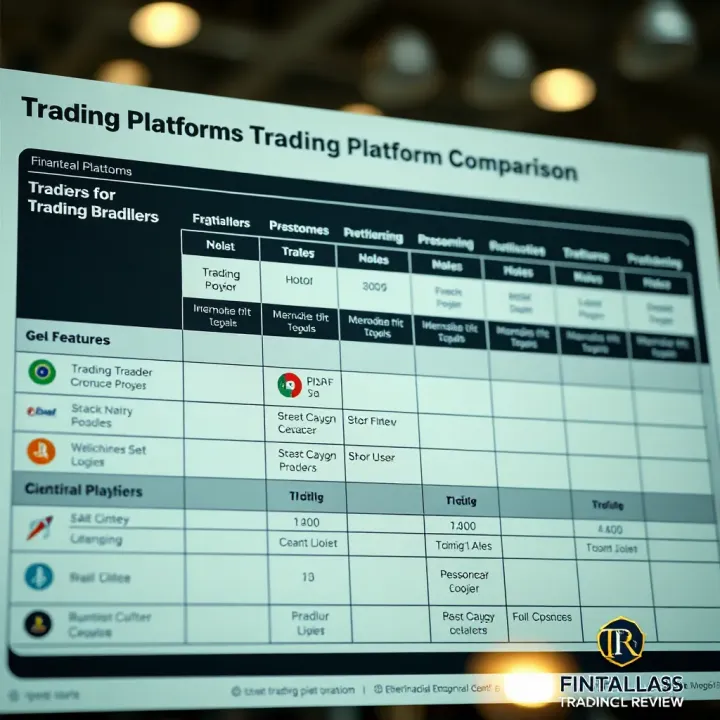
📊 Discover how to choose the best trading broker in Nigeria by comparing regulations, platforms, fees, assets, and support to fit your trading style. 🇳🇬

Find the best broker in Nigeria 🇳🇬 with this practical guide! Learn how to pick reliable brokers, understand fees, platforms, regulations, & avoid pitfalls.
Based on 15 reviews