

Is Olymp Trade Legit? Honest Review for Nigerian Traders
Is Olymp Trade legit? 🔍 Discover its regulatory status, security, and user reviews to decide if it's safe for Nigerian traders before investing your ₦.📈
Edited By
Sophie Clark
Ella Fund has been steadily gaining attention among Nigerian entrepreneurs looking for quick access to microloans and financial support. Specially designed for women and small businesses, this fintech platform promises an easy solution to the recurring challenge of capital shortage in the local business scene.
At first glance, Ella Fund seems quite appealing due to its straightforward application process and quick loan disbursement. Nigerian entrepreneurs, especially those operating 'mama put' stalls, Tokunbo vehicle traders, and small-scale agropreneurs, find such services extremely useful, given the difficulties in accessing credit from traditional banks.
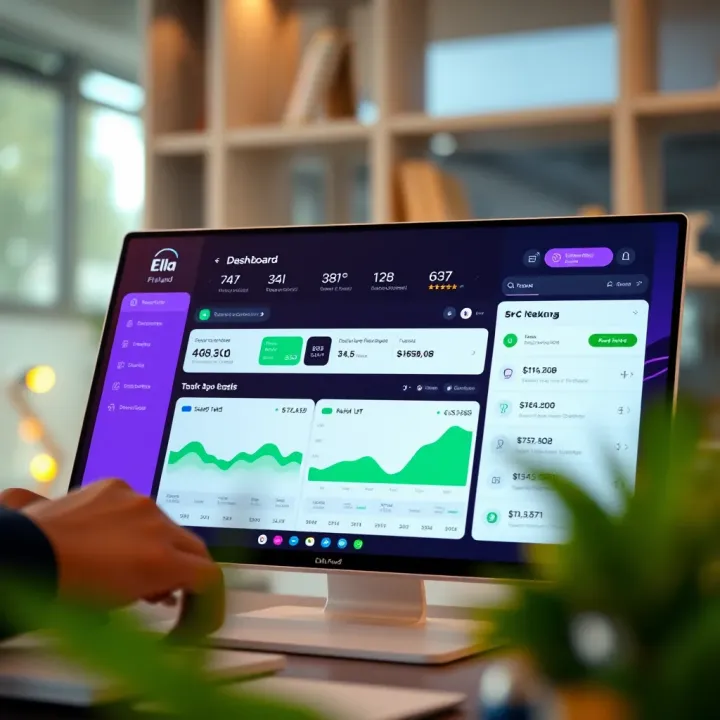
What sets Ella Fund apart is its focus on providing short-term, small-value loans—usually ranging from ₦10,000 to ₦100,000. This range fits well with many startups and micro-businesses that need just a little boost rather than large capital infusions. The platform's digital-first approach means you can apply via a mobile phone, without needing bulky paperwork or visits to a physical branch.
User experience reports highlight quick response times, often within 24 to 48 hours, which adds to its credibility among small business operators who can't afford lengthy waits.
However, sceptics ask whether Ella Fund is genuinely reliable or just another fintech brand riding on the wave of digital lending hype. To answer this, we consider several factors:
Regulatory compliance: Ella Fund operates under the oversight of Nigerian financial regulators, which is crucial for legitimacy.
Transparency of terms: Interest rates and repayment schedules are clearly stated before acceptance.
User reviews: Real testimonials often show timely disbursements but include occasional complaints about repayment follow-ups.
Comparing Ella Fund with other notable Nigerian fintech players like Paylater (now Carbon) or Renmoney, it offers smaller loans tailored for a specific niche of entrepreneurs. While the loan amounts are modest, the platform fills a gap for those who can't meet the high collateral demands of commercial banks.
This review aims to equip Nigerian entrepreneurs with enough information to weigh Ella Fund as a viable financial partner in their business journey.
Understanding Ella Fund’s services is key for Nigerian entrepreneurs assessing financing options. This section highlights the platform’s origins, loan types, and who exactly can benefit from it. Knowing these aspects helps you decide if Ella Fund suits your business needs.
Ella Fund emerged as a fintech solution aimed primarily at addressing funding gaps faced by women and small business owners in Nigeria. Founded to support entrepreneurship, it focuses on providing quick access to microloans without the long waits and complex procedures typical of traditional banks. For example, if you run a small bukateria or an okada business and need capital to expand or buy supplies, Ella Fund offers a digital avenue that speeds up loan approval.
Ella Fund mainly provides microloans tailored to small and medium enterprises (SMEs). These loans usually range from ₦20,000 to ₦500,000, suitable for working capital or quick business needs. Besides standard loans, the platform occasionally offers group loans and business coaching services to help entrepreneurs maximise impact. The repayment terms tend to be between one and six months, with interest rates that vary but aim to balance affordability and risk.
The platform targets Nigerian entrepreneurs who may struggle to access funds through banks or larger financial institutions. Women-owned businesses, startups, and informal sector operators like keke napep drivers or mama puts form a significant part of its clientele. Eligibility typically requires:
Proof of business activity (like sales receipts or stock inventory)
Valid means of identification (such as a National Identification Number or driver’s licence)
A functional mobile phone for USSD or app-based transactions
Ella Fund’s approach acknowledges challenges faced by many Nigerian SMEs, including lack of collateral and cumbersome paperwork. This makes it practical for non-bank customers seeking fast, reliable financial support.
For entrepreneurs wanting quick access to small loans with fewer hurdles, Ella Fund represents an accessible option focused on practical business growth.
By giving Nigerian entrepreneurs microloans and related support, Ella Fund adds to the diversity of financing choices. Assessing its background, product range, and client profile helps you see if your business fits within its scope.

Understanding the application process and requirements of Ella Fund is essential for Nigerian entrepreneurs aiming to access quick and reliable business financing. The process is designed to be straightforward, reflecting the fintech's goal of supporting small businesses with minimal hassle. Being clear about each step helps applicants avoid delays or rejection, ensuring an efficient financial boost when it matters most.
Applying for a loan through Ella Fund typically involves a few simple stages, most of which can be completed online. Entrepreneurs start by creating an account on the official platform or mobile app, providing basic personal and business information. For example, a small-scale trader running a bukateria can input their business details to begin.
After registration, applicants select the loan product that fits their needs, whether it's a microloan for working capital or a short-term loan for equipment purchase. The interface guides users step-by-step, making the process user-friendly even for those new to digital finance. The convenience of applying from a smartphone is a big plus, especially for those in Lagos or Abuja where internet access is widespread but time is tight.
Ella Fund requires a clear set of documents to verify the identity and credibility of applicants. Typical documentation includes a valid National Identification Number (NIN), Bank Verification Number (BVN), and proof of business operation such as a business registration certificate or utility bill.
Verification also involves cross-checking BVN details with the banks to confirm financial history and repayment ability. For instance, a keke rider seeking a loan must provide these documents to prove they can handle repayments responsibly. The fintech uses automated systems to speed up verification, but sometimes manual checks help catch issues that automation might miss.
Once the application and documents are submitted, Ella Fund usually takes between one to three working days to review and approve the loan. The quick turnaround contrasts with traditional banks, where approval can take weeks. This speed suits entrepreneurs who need funds urgently to restock goods or pay staff.
After approval, the funds are disbursed directly into the borrower's verified bank account. For example, a mama put in Port Harcourt might get the money within 24 hours, allowing her to purchase fresh supplies without delay. Clear communication during the approval phase helps manage applicants' expectations and reduces uncertainty.
The simplicity and speed of Ella Fund's application process make it an attractive option for Nigerian entrepreneurs needing swift access to capital, though meeting all documentation requirements is crucial to avoid hiccups.
In summary, Ella Fund offers a practical funding pathway with a clear application route, focused eligibility checks, and prompt fund delivery, catering well to the Nigerian business environment.
Checking the authenticity of Ella Fund matters a great deal for Nigerian entrepreneurs seeking reliable microfinancing. Fraudulent lending platforms have become common in Nigeria, leading many to lose hard-earned money. Therefore, examining Ella Fund’s legitimacy helps entrepreneurs avoid potential scams and make well-informed decisions about their business capital needs. Beyond trust, knowing the credibility of Ella Fund sheds light on how secure your personal and financial information will be and whether it complies with Nigerian regulations.
Ella Fund operates within Nigeria’s financial services sector, which is tightly regulated by institutions like the Central Bank of Nigeria (CBN) and the Securities and Exchange Commission (SEC). Confirming that Ella Fund holds valid licences means it meets minimum legal and operational standards, reducing risks for users. From available information, Ella Fund complies with CBN guidelines on digital lending platforms. This includes registration with relevant regulators, adherence to consumer protection frameworks, and transparent disclosure of loan terms. Many operators without licences have disappeared after collecting application fees or personal data, a concern users don’t face when choosing licensed lenders. For instance, Ella Fund openly publishes its licensing information and complies with Nigeria’s data protection laws.
User experiences provide practical insight into how Ella Fund operates day-to-day. Several Nigerian entrepreneurs, especially women-owned businesses, have shared positive feedback about the ease of application, quick disbursement, and friendly customer support. For example, a Lagos-based fashion designer noted she accessed ₦150,000 within 48 hours, helping to restock her boutique in time for the ember months sales. Others appreciated the minimal paperwork and clear communication.
That said, some users mention challenges like occasional delays during peak periods or difficulty reaching customer support. Such feedback highlights areas Ella Fund needs to improve but does not necessarily harm its credibility. In general, the balance of genuine testimonials and social proof on platforms like Twitter and business forums suggest Ella Fund's services are real and functional.
Like any financial service, Ella Fund is not without its critics. Common complaints include:
Loan approval delays beyond stated timeframes
Difficulties with loan repayment schedules
Occasional technical glitches on the app or website
Ella Fund generally responds by offering customer support through chat or phone, explaining reasons for delays, and providing revised repayment plans where needed. Their willingness to engage with complaints and resolve issues reflects a level of accountability uncommon among some loan providers.
While no service is perfect, Ella Fund’s open communication and response to concerns build confidence in its legitimacy and commitment to client welfare.
In summary, assessing Ella Fund’s regulatory compliance, user feedback, and complaint handling points to a credible fintech platform that Nigerian entrepreneurs can consider seriously for their microloan needs.
Choosing the right loan platform can make or break a small business, so comparing Ella Fund to other Nigerian options is a must. Entrepreneurs need to understand how Ella Fund measures up in terms of reliability, ease of access, cost, and suitability for their specific needs before deciding where to seek funding. This section looks closely at Ella Fund alongside banks, microfinance institutions, and fintech players, highlighting practical differences that matter for everyday business owners.
Ella Fund offers a more accessible experience than traditional banks, which often require extensive paperwork, collateral, and lengthy approval times. For example, a bank might demand proof of steady income or sizeable assets before granting a loan, while Ella Fund targets entrepreneurial groups, especially women, with simpler criteria. Microfinance banks, though a middle ground, still sometimes expect physical branch visits and may have limited digital features. In contrast, Ella Fund operates primarily through a digital platform, making the process faster and less bureaucratic for busy entrepreneurs. Still, banks often provide larger loan amounts and longer repayment periods, which might suit businesses planning bigger expansions.
In Nigeria’s booming fintech space, Ella Fund competes with platforms like Renmoney, Carbon, and FairMoney. Unlike many fintech lenders focusing on individual quick loans, Ella Fund creates loan pools and encourages group lending, which builds community trust and repayment accountability. While Carbon offers instant loans with flexible terms via mobile apps, Ella Fund's community-based approach can foster better financial discipline for small businesses. However, fintech firms like Renmoney may provide higher credit limits and additional services like investment opportunities, which Ella Fund does not offer. Ella Fund’s niche lies in supporting niche entrepreneurial women and SMEs who might find mainstream fintech too impersonal or expensive.
Cost is a decisive factor for Nigerian entrepreneurs juggling tight cash flows. Banks typically charge lower interest rates—around 15–25% annually—but hidden fees and deposit requirements can offset this advantage. Microfinance institutions often have rates between 20–30%, reflecting the risk and operational costs of serving smaller clients. Ella Fund's interest rates vary but generally fall into the mid-range, roughly 20–30%, aligning with other fintech lenders. Repayment terms at Ella Fund tend to be shorter, often 3 to 6 months, demanding quicker cash flow management. Meanwhile, some banks and microfinance lenders offer repayment periods up to 12 months or longer, albeit with more rigid conditions.
When comparing platforms, consider not just the headline rates but the full cost of borrowing, accessibility, and how well the terms fit your business cycle.
Understanding these differences empowers entrepreneurs to pick a loan suited for their business model, cash flow realities, and growth ambitions. Ella Fund’s model works best for those needing fair-speed funds without collateral and who value community support, while banks and fintech services target different slices of Nigeria’s diverse business landscape.
Navigating fintech loan platforms like Ella Fund demands caution and informed decisions. Entrepreneurs relying on such services must safeguard their personal and financial information while managing repayment responsibly. This section offers practical advice to help Nigerian business owners avoid pitfalls and make the most of available funding.
Fintech scams remain a serious concern, so entrepreneurs should verify the platform’s legitimacy before sharing sensitive details. Ella Fund is licensed and regulated, but cybercriminals often create fake sites mimicking popular services. Always confirm URLs and avoid clicking links sent via unsolicited SMS or WhatsApp messages. When applying, provide only required documents like your National Identification Number (NIN) or Bank Verification Number (BVN), but never share passwords or PINs. Use secure internet connections, avoid public Wi-Fi for transactions, and regularly update passwords.
Protecting your data is not just about security but also about preserving your creditworthiness and business reputation.
Repayment discipline is key to maintaining good standing and accessing future funds. Before taking a loan, plan how you will repay, factoring in your business’s cash flow and operating costs. Ella Fund’s repayment terms are flexible but missing deadlines may attract penalties and impact your credit score. Set reminders for due dates and prioritise loan repayments over discretionary expenses. It also helps to maintain a simple budget highlighting profits, expenses, and repayment obligations to avoid strain during ember months or seasonal slowdowns.
Though Ella Fund suits many small businesses, exploring other options can be beneficial. Traditional banks like GTBank and Zenith offer SME loans with competitive rates but often require more documentation. Microfinance banks provide smaller loans at accessible terms, good for startups or traders needing a quick boost. Fintech platforms such as Paylater, Carbon, and Renmoney also compete, each with unique features on interest rates and repayment flexibility. For non-debt financing, you might consider crowdfunding using Nigerian platforms or looking into government grant programmes designed for agribusiness or female entrepreneurs.
Using Ella Fund wisely means understanding the risks and alternatives. Entrepreneurs who combine careful personal data protection, sound repayment strategies, and awareness of other funding sources stand better chances of scaling their businesses without falling into financial traps.
Is Olymp Trade legit? 🔍 Discover its regulatory status, security, and user reviews to decide if it's safe for Nigerian traders before investing your ₦.📈

Wondering if Olymp Trade is a legit platform for Nigerian traders? 📈 We assess its background, regulation, user feedback and risks so you can trade wisely with your ₦.

Explore BTCDana, a Nigerian cryptocurrency platform offering Bitcoin and altcoins trading with secure deposits, fair fees, local support, and compliance insights 🇳🇬🔒💱

🤔 Wondering if Pocket Option is safe for Nigerian traders? Discover its legitimacy, security features, user reviews, trading risks, and local alternatives here 🇳🇬💼
Based on 12 reviews