
Is Pocket Option Legit for Nigerian Traders?
🤔 Wondering if Pocket Option is safe for Nigerian traders? Discover its legitimacy, security features, user reviews, trading risks, and local alternatives here 🇳🇬💼
Edited By
Sophie Miller
Olymp Trade has gained traction among Nigerian traders looking to tap into online financial markets. Yet, with a flood of online platforms promising quick money, many Nigerians are understandably cautious about whether Olymp Trade is real or fake. This section explains the key facts to help you decide if joining Olymp Trade is worth your hard-earned ₦.
Olymp Trade operates as an online trading platform offering access to assets like forex, stocks, and commodities. It lets users speculate on price movements through options or classic trading. The platform launched in 2014 and quickly spread worldwide, including Nigeria, due to its user-friendly interface and low entry barriers.
What sets Olymp Trade apart is that it holds regulatory licences from bodies such as the International Financial Commission (FinaCom), which provides some protection through compensation schemes if disputes arise. This regulatory oversight suggests Olymp Trade meets minimum standards in transparency and fairness — unlike many rogue operators who run scam schemes with no accountability.
That said, regulation alone doesn’t eliminate risk. Trading itself involves uncertain outcomes, and there are reports of users losing funds due to market volatility or poor strategies. This shows no platform can guarantee profits or exempt users from losses; understanding this reality is crucial before committing your naira.
User experience in Nigeria is mixed. While many appreciate Olymp Trade’s mobile-friendly app and local customer support, others mention slow withdrawals delays or difficulty reaching support during peak demand. These aren't unique to Olymp Trade but remain relevant for Nigerian traders managing limited resources and hoping for quick access to their money.
Don't mistake a platform’s existence for a money-making guarantee; even reliable trading sites require savvy and due diligence.
To sum up, Olymp Trade is a legitimate platform registered and regulated outside Nigeria, offering Nigerians a way to trade global markets through digital means. However, the risks and challenges common to trading apply here, including capital loss and occasional service hitches.
Next, we'll look deeper into Olymp Trade's regulatory standing, user feedback, and tips for Nigerian traders to avoid common pitfalls. This way, you’ll have a clear grasp of whether Olymp Trade fits your trading goals and risk appetite.
Understanding the background and core offerings of Olymp Trade is essential for Nigerian traders who want to make informed decisions. This section breaks down what the platform provides, how Nigerians access it, and why its popularity has surged. Knowing this helps you weigh its practical benefits against any risks.
Olymp Trade provides a range of assets including currencies (forex pairs), commodities like gold and oil, stock indices, and popular company stocks. The inclusion of diverse asset classes allows Nigerian traders to choose instruments that match their trading style and risk tolerance. For instance, a trader interested in the oil sector, which is vital to Nigeria’s economy, can easily engage with crude oil futures on the platform.
The platform offers features like real-time charts, technical indicators, and a demo account for practice. Tools such as moving averages, RSI (Relative Strength Index), and Fibonacci retracement help users analyse market movements effectively. For Nigerian traders, these tools provide a competitive edge in timing trades, especially in a fast-moving market.
Olymp Trade offers several account types, typically Standard and VIP. The minimum deposit is usually low, around $10 (about ₦4,500), making it accessible to many Nigerians. VIP accounts, requiring higher deposits, come with added benefits like personal account managers and exclusive training. This tiered structure caters to beginners and experienced traders alike.
Nigerians primarily access Olymp Trade through the website or mobile apps available on Android and iOS. The platform supports local payment methods such as bank transfers using Nigerian banks, card payments, and e-wallets like Paystack and Flutterwave, which simplifies funding for many users. Because many Nigerians use smartphones for financial services, Olymp Trade’s mobile-friendly design plays a big role in its local adoption.
The platform’s appeal lies in its ease of use, low entry cost, and clear interface. It also offers educational materials tailored for beginners, an essential factor for Nigerian traders who may be new to online investing. Plus, the ability to trade small amounts reduces barrier to entry in a market where disposable income can be limited.
Compared to Nigerian-focused platforms, Olymp Trade offers a more global range of assets and instruments. While local platforms might focus more on Nigerian stocks or forex trading alone, Olymp Trade blends multiple asset classes with advanced features. However, this international approach also means the platform operates with different regulatory oversight, which may concern some users. Traders need to consider these differences carefully.
Understanding both what Olymp Trade offers and how it fits into the Nigerian trading ecosystem helps traders decide whether it suits their investment goals and risk appetite. Always prioritise platforms that match your financial capacity and trading knowledge.
Understanding the regulatory status and safety measures of Olymp Trade is essential for Nigerian traders who want to protect their investments and trade confidently. These elements indicate whether the platform operates transparently and adheres to industry standards. Without strict oversight or robust security, traders risk falling victim to scams or losing their funds through mismanagement.
Olymp Trade is registered and licensed by the International Financial Commission (IFC), an independent organisation that offers some form of dispute resolution to traders. While this licence may provide reassurance about the platform's operations, it is not equivalent to regulation by a major financial authority such as the Central Bank of Nigeria (CBN) or the Securities and Exchange Commission (SEC Nigeria). The IFC's role mainly covers mediation rather than enforcing strict compliance with financial regulations.
For Nigerian users, this distinction matters. Since Olymp Trade lacks direct regulation from Nigerian authorities, traders should approach with caution. Unlike platforms regulated by the CBN, there is no local legal framework safeguarding Nigerian clients' funds or guaranteeing compensation. This gap means receiving protection similar to what you get from banks or authorised brokers is unlikely. Hence, users must rely on the platform’s internal controls and reputation rather than external regulatory backing.
Data protection is a key consideration before depositing money or sharing personal details on any trading app. Olymp Trade uses SSL encryption technology to secure the transfer of user information, which helps prevent hackers from intercepting sensitive data like passwords and financial details. In practice, this means when you log in or make transactions, your data is scrambled so unauthorised parties cannot easily access it.
Deposit and withdrawal safeguards are equally crucial. Olymp Trade supports multiple payment options popular in Nigeria, including bank cards and e-wallets. The platform claims to process withdrawals within 24 hours, while deposits often reflect instantly. These measures aim to protect users from delays and ensure they have access to their funds when needed, though individual experiences may vary.
A proper account verification process is part of Olymp Trade’s security setup. New users must provide identification documents such as a government-issued ID, and sometimes proof of address, to comply with anti-money laundering (AML) rules. For Nigerian traders, this adds a layer of safety by reducing the risk of fraudulent accounts and protecting against identity theft. It also means that when withdrawing funds, verification steps help ensure payments go to the rightful owner.
Proper regulation and strong security are the foundation for safe trading, especially when dealing with real money. Nigerian traders must weigh these factors carefully before committing funds to Olymp Trade or any other online platform.
In summary, Olymp Trade holds an IFC licence but lacks direct Nigerian regulatory oversight, which might influence your level of confidence. The platform uses standard encryption and verification methods to secure user data and transactions, yet Nigerian traders should remain cautious and prioritise safety by confirming details and monitoring their accounts.
Assessing user experiences and complaints offers critical insight into how a platform like Olymp Trade performs in real trading conditions. This section sheds light on practical aspects Nigerian traders face daily, helping you weigh the platform’s reliability beyond promises and marketing. Listening to actual traders reveals if the platform delivers what it advertises or if there are hidden pitfalls to watch out for.
Olymp Trade's platform is frequently praised for its straightforward design, which appeals especially to beginners. Nigerian traders appreciate the simple dashboard that doesn’t bury essential tools under complex menus. For many, especially those trading from mobile phones amid erratic network conditions common in Lagos or Abuja, this accessibility means they can execute trades without fuss.
Also, the availability of the platform's app on Android, commonly used in Nigeria, allows users to trade from anywhere—whether waiting in danfo traffic or during breaks at the barbing salon. The platform supports quick deposits and withdrawals through popular local payment methods, which adds to its appeal.
Feedback often highlights that Olymp Trade offers timely customer service, with support agents responding swiftly through live chat or email. This responsiveness matters because trading involves real money, and swift problem resolution helps users avoid costly errors. Nigerian traders have reported that, during transaction hiccups or verification queries, the platform's support team provided clear guidance within hours.
Such support helps build trader confidence, especially for those new to online trading platforms. It also indicates that Olymp Trade is geared towards maintaining user trust, which is crucial in a market wary of scams.
Many Nigerian traders share positive stories about making consistent profits on Olymp Trade. Some report daily earnings sufficient to offset other income sources, while others use it as a side hustle to boost savings. Stories often mention using technical analysis tools on the platform to identify good opportunities, showing that experienced traders find value beyond simple speculation.
These success stories, while not universal, highlight the platform’s capacity to enable profitable trading without requiring prohibitively large initial capital. It encourages new traders to explore with caution but optimism.
Not all experiences are positive. Several Nigerian traders complain about delays in withdrawing funds, sometimes waiting several days beyond expected timelines. This can be frustrating, especially for those relying on timely access to their earnings amid Nigeria's high inflation and living costs.
Such delays can stem from verification processes or bank network problems, but complaints persist even after clearing these checks. For traders, this signals a potential risk in cashing out profits that should be treated cautiously.
Some users report sudden account restrictions or suspensions without clear explanations. These issues usually arise when the platform suspects unusual trading patterns or breaches of terms, but traders say communication during such events is often vague.
This lack of transparent dialogue leaves users unsure about how to resolve issues, which can be a setback for trust and usability. Nigerian traders need to be aware that Olymp Trade may enforce strict rules that could impact their access unexpectedly.
While the majority of users consider Olymp Trade legitimate, there are isolated reports accusing it of scams or questionable practices. These often involve misleading advertising, fake bonus offers to lure deposits, or difficulties retrieving funds after supposed wins.
These claims underline the need for vigilance. Traders should avoid falling for unrealistic promises and always verify any bonus or promotion through official channels.
User feedback acts as a reality check. Positive experiences demonstrate what’s possible, but negative reports signal where caution is necessary. Nigerian traders must balance these insights carefully when deciding to use Olymp Trade.
For Nigerian traders, recognising scams and protecting oneself is not just important but necessary in today’s online trading environment. Platforms like Olymp Trade may offer genuine services, but the internet is also cluttered with dishonest operations aiming to swindle unsuspecting users. Understanding common scam tactics and knowing how to shield yourself helps preserve your hard-earned naira and safeguard your financial future.
Fake bonuses and unrealistic promises often lure traders into signing up or funding accounts quickly. Scammers throw around offers like "double your deposit" or "risk-free trades" to bait users. But these promises rarely hold up. For example, a trader might receive a big bonus only to find withdrawal impossible without meeting complex conditions. Keeping in mind that legitimate platforms won’t guarantee profit or pressure you with bonus terms ensures you avoid falling into this trap.
Pressure to deposit more funds is another red flag. Some sites or agents aggressively push traders to add money quickly, often citing limited-time offers or exclusive deals. Such pressure tactics can lead you to invest beyond your budget, increasing the risk of loss. Real platforms give you time to decide and avoid hasty moves. Nigerian traders must recognise high-pressure sales tactics and take a step back before adding more naira.
Phishing and fake links pose a constant threat, especially on platforms like Olymp Trade, where phishing attacks mimic official communications. You might receive emails or messages asking for login details or claiming urgent account issues. Clicking on fake links can steal your information or lead to malware downloads. Always verify email addresses, avoid clicking on suspicious URLs, and access the trading site directly through known safe websites or apps.
Verifying platform authenticity is pivotal before trading. Check Olymp Trade’s official website, confirm licences from recognised regulators, and look for user reviews from credible Nigerian sources. This verification cuts out clone sites set up to scam. For instance, if a website address or interface differs slightly from the official one, avoid it. Always download the Olymp Trade app from trusted platforms like Google Play or Apple Store to reduce risk.
Using official communication channels helps avoid misinformation and fraud. Olymp Trade provides customer support through their verified app or website. Nigerian traders should avoid answering calls or messages from unofficial numbers claiming to represent the platform. Rely on verified emails and the platform’s help centre for any account or trade-related questions to stay protected.
Managing risk and limiting exposure is a smart defence against scams and losses. Start with small deposits, use the platform’s demo accounts to practice, and never risk more than you can afford to lose. Tools like stop-loss orders and setting personal limits can also reduce exposure. Trading with caution ensures you do not fall prey to scams promising quick and large returns but leading to ₦ loss instead.
Always remember, no legitimate trading platform guarantees overnight riches. Staying cautious with offers, verifying sources, and protecting your details are the best ways to keep your trading experience safe and profitable.
This conclusion sums up the core questions Nigerian traders face regarding Olymp Trade’s trustworthiness and practicality. After exploring the platform’s features, regulatory standing, user experiences, and safety concerns, it’s essential to help you weigh the benefits against the risks before committing your hard-earned ₦.
Olymp Trade offers a user-friendly trading experience with various assets and tools suitable for both beginners and more seasoned traders. Its low minimum deposit makes it accessible for many Nigerians starting out. However, some risks are evident, especially around regulatory oversight and occasional reports of withdrawal delays. You must balance the ease of access and engaging interface with the caution needed when dealing with platforms that do not have direct regulation by Nigerian financial authorities.
The platform’s straightforward deposit and withdrawal process is appealing, but traders should avoid investing more than what they can afford to lose. For example, a new trader in Lagos might start with ₦10,000 to test the waters while closely monitoring account activities. Understanding these trade-offs ensures that users don't get swept away by the platform’s positive aspects and ignore potential pitfalls.
Internationally, Olymp Trade is licensed by the International Financial Commission, but it lacks direct licensing from Nigeria’s Securities and Exchange Commission (SEC). This gap means Nigerian traders do not have the same level of protection and recourse compared to regulated platforms within Nigeria. The absence of SEC regulation is a critical factor to consider when trust and fund safety are priorities.
User feedback is mixed. While many Nigerians share positive experiences about customer support and profitability, some have reported challenges with delayed withdrawals and account holds. Recognising these differing views helps Nigerian traders adopt a cautious yet pragmatic approach—validating the platform’s legitimacy but remaining guarded.
If you are an experienced trader comfortable with some level of risk and have done your due diligence, Olymp Trade could be a viable choice to diversify your trading portfolio. Its interface suits those looking for straightforward access to Forex, stocks, and commodities without hefty entry costs. However, only use funds you can afford to lose, and avoid chasing unrealistic profits.
Before trading, confirm you’re using the official platform and stay alert to phishing attempts. For instance, always verify emails and communication channels to avoid falling into scams pretending to be Olymp Trade.
For traders preferring platforms regulated by Nigerian authorities, consider local brokers listed with the SEC or popular regional apps like FXTM or IG Markets that operate within regulatory frameworks applicable to Nigerians. These alternatives might have higher barrier entries but can offer stronger investor protections.
Also, Nigerian fintech platforms like Kuda and Paystack do not offer direct trading but provide secure financial environments worth exploring alongside regulated exchanges for investment activities. Exploring options prevents overreliance on a single platform and spreads risk.
Nigerian traders must balance ambition with caution. Olymp Trade holds promise but demands responsible use, proper verification, and risk management to avoid pitfalls prevalent in unregulated trading environments.
🤔 Wondering if Pocket Option is safe for Nigerian traders? Discover its legitimacy, security features, user reviews, trading risks, and local alternatives here 🇳🇬💼
Wondering if Olymp Trade is legit in Nigeria? 🇳🇬 This guide reviews its regulation, platform features, user feedback, risks, plus tips to trade safely with ₦.
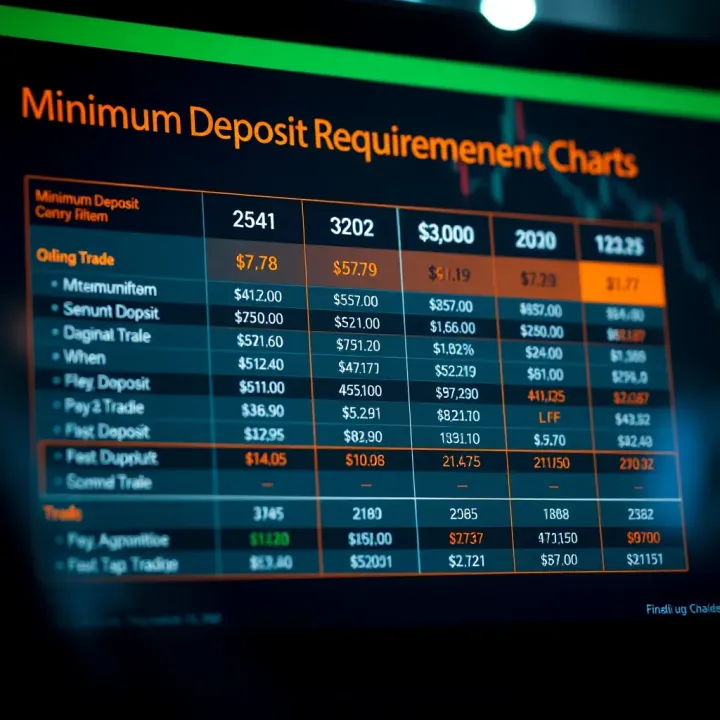
Explore Olymp Trade's low minimum deposit of just ₦1,000 🤑, compare with other platforms, and learn smart payment and risk strategies for Nigerian traders 🇳🇬.
Explore Binary.com trading in Nigeria 🇳🇬: setup, security tips, and trading types. Get ready to trade smarter with practical advice and insights! 💼📊
Based on 9 reviews