
Is Olymp Trade Legit in Nigeria? A Clear Review
Wondering if Olymp Trade is legit in Nigeria? 🇳🇬 This guide reviews its regulation, platform features, user feedback, risks, plus tips to trade safely with ₦.
Edited By
Emily Carter
When it comes to online trading platforms, one question Nigerian traders often ask is whether Olymp Trade is truly trustworthy. This matters because putting your hard-earned ₦ into a platform without solid evidence of legitimacy can lead to major losses. Olymp Trade operates globally, including in Nigeria, but understanding its background, regulation, and user experiences helps investors decide if it’s safe.
Olymp Trade presents itself as a straightforward platform for trading currencies, commodities, and stocks through contracts rather than owning the assets directly. This structure can appeal to traders looking for accessible ways to enter financial markets, even with modest capital.
One key aspect to consider is the platform’s regulatory status. Olymp Trade is registered and regulated by the International Financial Commission (FinaCom), which provides a degree of protection to clients, including a compensation fund up to €20,000 in certain cases. However, it does not have a licence from Nigerian authorities like the Securities and Exchange Commission (SEC), so Nigerian traders rely on international regulations.
Security measures are also vital. Olymp Trade uses SSL encryption and implements account segregation to keep user funds separate from company money. These steps align with industry standards and indicate serious intent to protect traders’ interests.
While some users report smooth withdrawals and decent customer support, others mention delays and account restrictions. These mixed experiences reflect the importance of approaching trading carefully, using only disposable funds. Nigerian traders should also consider FX rates and withdrawal methods available locally, as those affect actual returns.
Trading with platforms like Olymp Trade requires understanding both opportunities and risks; its legitimacy is supported by regulation and security but depends on responsible user behaviour.
In summary, Olymp Trade shows signs of being a legitimate trading platform. Yet, its international status means Nigerians must stay alert to risks and evaluate if it fits their trading goals and risk tolerance before investing any ₦.
Grasping what Olymp Trade offers is key for anyone thinking of trading on the platform, especially Nigerian traders. The platform’s services directly affect how well you can navigate trades, manage risks, and ultimately grow your investment. Understanding these features helps you make informed choices and avoid surprises down the road.
Olymp Trade mainly focuses on two types of trading: fixed-time trades and forex trading. Fixed-time trades let you predict price movements of assets within set periods, such as 1 minute, 5 minutes, or longer. For instance, if you think the price of crude oil will rise within 15 minutes, you place a trade accordingly. This suits traders who prefer short-term decisions and can tolerate higher risk for quicker returns.
Forex trading on Olymp Trade, on the other hand, enables trading currency pairs like USD/NGN or EUR/USD. This is valuable for Nigerians dealing with foreign exchange, as it allows leveraging market movements over longer periods. Both types of trading have practical uses depending on your risk appetite and goals.
Olymp Trade offers two main account types: a demo account and a live account. The demo account uses virtual funds, making it a practical tool to practice strategies without risking real money. This is particularly useful for newcomers who want to get familiar with trading dynamics before committing ₦.
The live account requires a minimum deposit, often starting around ₦15,000, which is affordable for many Nigerian traders. Besides standard trading features, Olymp Trade live accounts offer tools like stop loss and take profit orders to help manage risks effectively. Having options suited to beginners and experienced traders enhances accessibility and control.
Olymp Trade’s platform is web-based, working well on desktop browsers, and offers a dedicated mobile app for Android and iOS. This is important for Nigerian traders who rely on smartphones due to connectivity and power supply challenges. The mobile app is designed for smooth functionality even on average internet speeds, allowing trades on-the-go without needing a stable office setup.
The platform interface is user-friendly with real-time charts, technical indicators, and news feeds. These features equip traders with the tools needed for quick decisions. Reliable mobile access helps traders stay connected in fluctuating market conditions typical in Nigeria.
For Nigerians, payment options matter a lot due to local banking systems and challenges around foreign currency transactions. Olymp Trade supports multiple payment methods popular in Nigeria, including bank cards (Visa, MasterCard), e-wallets like Neteller and Skrill, and more recently, local payment services integrated through third parties.
This range eases depositing and withdrawing funds without requiring foreign accounts, which can be tricky to maintain. For example, many traders use GTBank or Zenith Bank cards directly, avoiding the hassle of currency conversion from USD or EUR to NGN.
Olymp Trade supports trading in several currencies, including the Nigerian Naira (₦). This is useful for local traders who want to avoid exchange rate losses or delays. Using ₦ directly reduces the cost of converting funds back and forth, especially given the naira's volatility.
Additionally, Olymp Trade’s customer support includes Nigerian time zone assistance, which helps in handling local queries swiftly. The platform’s consideration of Nigeria’s economic context shows it is structured to suit local realities, such as irregular power supply and internet variability, which impact how Nigerians trade online.
Understanding Olymp Trade’s specific services tailored for Nigerian traders gives you a practical edge. Knowing what to expect eliminates guesswork and helps manage your investments with more confidence.
When evaluating an online trading platform like Olymp Trade, checking its legitimacy and regulatory standing is key. Traders must confirm if the platform operates under approved licences and if it’s supervised by recognised authorities. This helps avoid unregulated schemes where funds might be at risk or trading conditions unfair.
Olymp Trade holds licenses granted by organisations such as the International Financial Commission (FinaCom PLC). While not a direct regulator like the SEC Nigeria for local capital markets, FinaCom provides an extra layer of protection by mediating disputes between traders and the platform. This is beneficial for Nigerian traders since it offers recourse if issues arise.
Also, unlike traditional brokers registered with regulators like the Nigerian Securities and Exchange Commission (SEC), platforms like Olymp Trade operate under jurisdictions offshore, commonly in Seychelles or Saint Vincent and the Grenadines. This means their regulatory framework differs from what Nigerian traders are used to, so understanding these distinctions is critical.
A regulated platform typically follows specific rules around capital adequacy, risk disclosure, and client fund segregation. For example, segregating customer funds in separate accounts reduces the risk of losing money if the platform faces financial troubles. Traders benefit from knowing the platform is required to show transparency in operations.
However, regulation outside Nigeria might mean certain protections, such as deposit insurance, do not apply. Nigerian traders should always check if a platform’s regulatory body is recognised internationally or at least offers dispute resolution mechanisms.
Olymp Trade was launched in 2014, and it has steadily grown to serve over 25 million users worldwide. Its expansion into different countries, including Nigeria, shows some level of trust and market acceptance. The platform's reputation is mixed; many traders report positive experiences, but some also complain about withdrawal delays, which are common risks in trading.
Understanding the company’s track record helps traders weigh if Olymp Trade matches their reliability standards. For instance, platforms with long-standing presence backed by clear operational history tend to inspire higher confidence.
The corporate ownership of Olymp Trade is registered under Smartex International Ltd, a company incorporated in Saint Vincent and the Grenadines. This offshore status is common for many online traders, as it offers regulatory flexibility but can also limit oversight.
Knowing the operational jurisdiction matters because it dictates which laws govern the platform and how disputes are resolved. Traders in Nigeria should be aware that offshore registration may involve different consumer protection standards compared to local brokers. It’s wise to confirm these details before committing funds.
Understanding Olymp Trade's regulatory framework and company background empowers Nigerian traders to make informed decisions and manage risks better in their online trading journey.
Security and user protection form the backbone of any reliable online trading platform. For Nigerian traders eyeing Olymp Trade, understanding these measures is vital to ensure your funds and personal data stay safe while trading. The platform's efforts in data security and risk management tools directly impact your trading experience and confidence.
Olymp Trade employs encryption technology to secure communication between your device and their servers. This means all data sent during transactions, like deposits or withdrawals, gets scrambled, making it hard for hackers to intercept or misuse. For instance, when you fund your account with ₦50,000 via card or e-wallet, encryption helps safeguard your card details and banking information from cybercriminals.
This approach reflects common banking security standards, reassuring Nigerian traders who often worry about online scams. Encryption is especially crucial given Nigeria's growing, but still vulnerable, internet infrastructure, where weak Wi-Fi connections and public networks might expose users to risks.
Olymp Trade collects personal data for verification and transaction purposes but commits to protecting this information from unauthorized access. They implement secure storage protocols and limit data visibility within their organisation to trusted personnel only.
For example, your Bank Verification Number (BVN) or National Identification Number (NIN) you provide during account verification is handled with care, reducing the chances of identity theft or fraud. Nigerian traders should still be cautious, ensuring they don't share login credentials or passwords elsewhere, as platform security does not cover user-end negligence.
One practical way Olymp Trade helps manage risk is through the stop loss and take profit tools. Stop loss lets you set a predetermined limit to cut losses if a trade moves against you, while take profit locks in your gains at a target price.
For instance, if you invest ₦20,000 in a forex trade, setting a stop loss at ₦18,000 limits potential loss to ₦2,000. This prevents emotional decisions during market swings, especially in volatile assets common in Nigeria’s trading scene.
Olymp Trade offers a demo account that mirrors real trading conditions without risking actual money. Nigerian traders can use this tool to understand market behaviour, test strategies, and gain confidence before committing naira.
This feature is invaluable, particularly for beginners unfamiliar with financial markets or those exploring new trading options. Practising on a demo account helps avoid costly errors when starting with real funds, making it a smart move for anyone serious about safe trading.
Good security and risk management tools are not just technical features but essential safeguards allowing you to trade confidently and reduce unnecessary losses on platforms like Olymp Trade.
Looking at the experiences of Nigerian traders on Olymp Trade gives us a clear peek into how the platform performs in real-life scenarios. What traders say matters because these firsthand accounts reveal the practical ups and downs beyond what official statements offer. For Nigerians, factors like payment ease, withdrawal reliability, and customer support quality are especially important, considering local banking nuances and network challenges.
Many Nigerian traders speak highly of Olymp Trade’s accessible platform, particularly its user-friendly mobile app. For instance, Lagos-based trader Ngozi shared how she started with the demo account to learn without risk and later moved to real trading, turning a ₦50,000 investment into ₦120,000 within a few months. Success stories often praise the educational resources Olymp Trade provides, such as webinars and trading signals, which help beginners grasp market movements quickly.
Others commend the range of trading options that fit different risk levels — from forex pairs to commodities. The platform’s responsiveness, especially during volatile markets, also earns positive remarks. Plus, many appreciate the transparency in fees, which contrasts with some underground or unregulated platforms where hidden costs can drain funds quickly.
A good number of Nigerian users report occasional delays when withdrawing funds. This can be frustrating, especially when traders need quick access to profits for other financial obligations. In some cases, delays stem from required verification processes to comply with anti-fraud rules, but the lack of timely communication during such holds often frustrates users.
For example, a trader in Abuja noted waiting up to five working days for funds to clear into his bank account, despite verification documents being submitted promptly. While the delays are not universal, they highlight the need for clearer timelines and better real-time updates from Olymp Trade’s side.
Customer service is another area where opinions vary sharply. Some users praise fast and helpful responses, particularly via live chat, which covers basic technical issues and account queries. However, several traders point out that complex problems, such as disputes over trade outcomes or withdrawal verification, sometimes require longer follow-ups.
In some cases, slow email replies and inconsistent information from different support agents dampen trader confidence. With Nigerian traders often juggling unstable internet connections and limited support hours, effective and prompt customer service becomes a practical necessity, not a luxury.
Traders should weigh the pros of Olymp Trade’s easy access and features against challenges like withdrawal delays and customer care responsiveness before investing heavily.
Understanding these user experiences offers a grounded view of Olymp Trade’s trustworthiness in the Nigerian context. It equips you with realistic expectations and useful insights to help navigate the platform more safely and profitably.
Trading on platforms like Olymp Trade demands careful evaluation of the risks involved before committing your funds. Understanding the potential downsides and knowing how to protect yourself ensures that you don’t fall victim to unexpected losses or scams. This assessment helps Nigerian traders make decisions grounded in facts, rather than hype or hearsay.
The foreign exchange and options markets are inherently volatile, with prices shifting rapidly. Olymp Trade users must understand that this instability can lead to sudden losses, not just gains. For example, the price of crude oil or currency pairs like USD/NGN can fluctuate sharply due to geopolitical events or economic data releases. This uncertainty means that even skilled traders can sometimes see their investments reduce in value.
Since Olymp Trade offers fixed-time trades, the chance of losing your entire stake on a single trade exists. It’s essential to keep in mind that no platform can guarantee profit, and past performance is no solid indicator of future gains. Traders should always prepare for the possibility that the market may move against them.
Olymp Trade operates under regulation from bodies such as the International Financial Commission, but it lacks direct licences from Nigerian financial regulators like the Securities and Exchange Commission (SEC) Nigeria or the Central Bank of Nigeria (CBN). This absence means Nigerian traders don’t benefit from local investor protection policies or dispute resolution mechanisms tailored for the Nigerian market.
Without full local regulation, enforcement actions for misconduct or fraud can be limited or more complicated. Traders should therefore be cautious and weigh the risks of using a platform that might not fully comply with Nigerian financial oversight standards.
Begin your trading journey on Olymp Trade with small amounts. This approach limits your exposure to loss while you learn how the platform and markets work. The demo account feature is invaluable here, allowing you to practise without risking real money. Treat each trade as a learning opportunity rather than a quick way to earn ₦.
For instance, if you start with ₦5,000 and only commit a fraction per trade, you cushion yourself against big losses. As you build confidence and understanding of market patterns, you can consider scaling up your trades carefully.
Online trading attracts fraudsters who use fake payment portals, phishing emails, or promises of guaranteed returns. Always verify you are on Olymp Trade’s official website or app before inputting any personal or financial details. Never share your Account Verification Number (BVN) or passwords unsolicited.
Watch out for unsolicited contact promising inside tips or guaranteed profits—they are often traps to steal your funds. Use only trusted payment methods popular in Nigeria like bank transfers through GTBank or Paystack and avoid transferring money to unknown wallets or agents.
Protecting yourself from scams requires vigilance, patience, and educating yourself about common red flags. When you trade cautiously and stay informed, you stand a better chance of succeeding on Olymp Trade without falling prey to fraudulent schemes.
Wondering if Olymp Trade is legit in Nigeria? 🇳🇬 This guide reviews its regulation, platform features, user feedback, risks, plus tips to trade safely with ₦.
🤔 Wondering if Pocket Option is safe for Nigerian traders? Discover its legitimacy, security features, user reviews, trading risks, and local alternatives here 🇳🇬💼
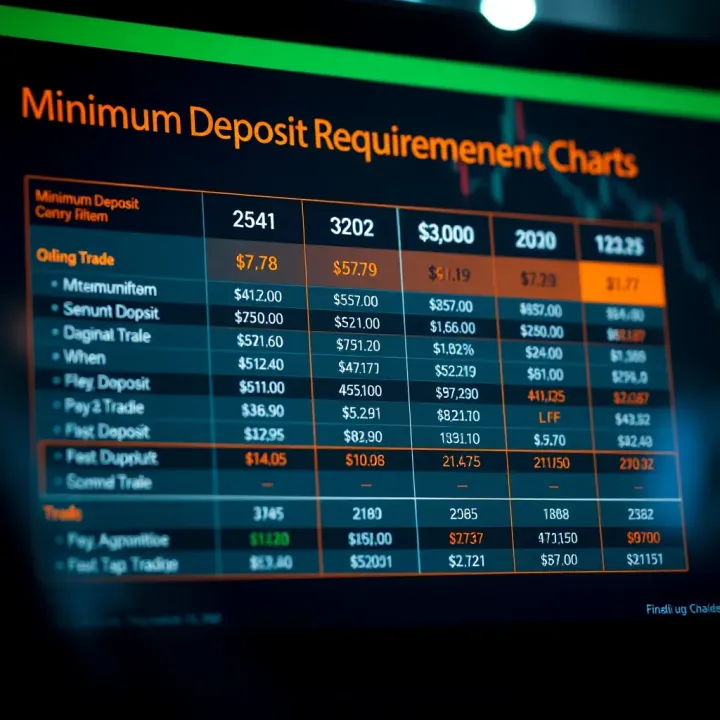
Explore Olymp Trade's low minimum deposit of just ₦1,000 🤑, compare with other platforms, and learn smart payment and risk strategies for Nigerian traders 🇳🇬.
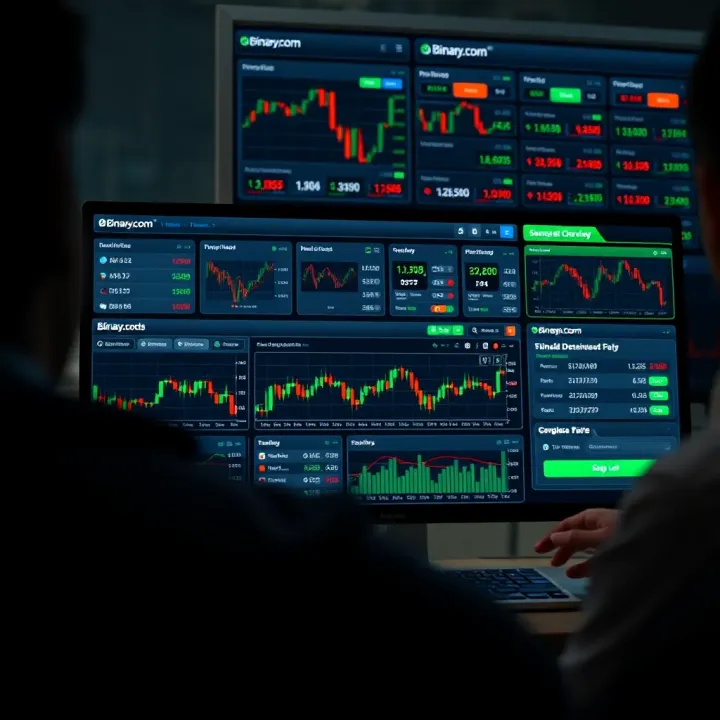
Explore Binary.com trading in Nigeria 🇳🇬: setup, security tips, and trading types. Get ready to trade smarter with practical advice and insights! 💼📊
Based on 9 reviews