
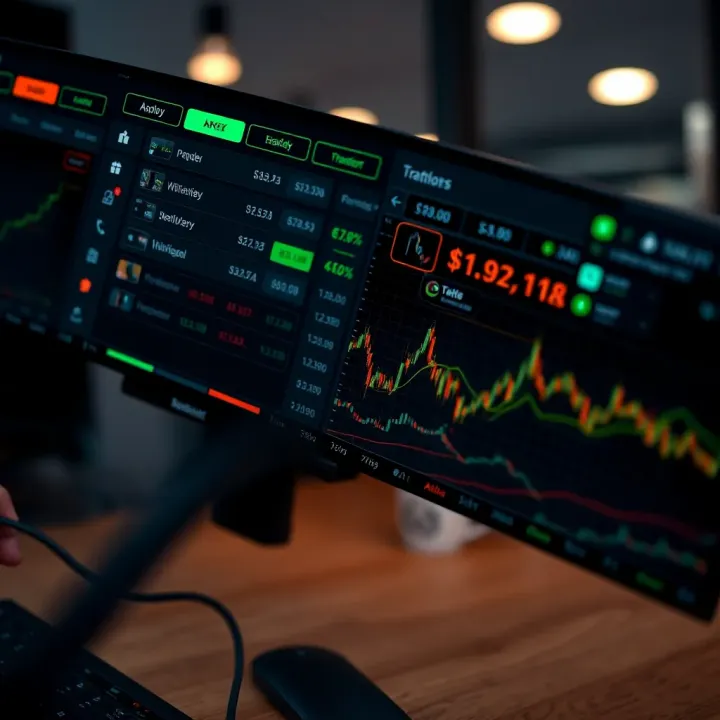
How to Use app.deriv for Trading in Nigeria
📈 Discover how to trade smarter on app.deriv! Learn about account types, supported markets, secure setup, and tips tailored for Nigerian traders.
Edited By
Charlotte Evans
Choosing the right trading app in Nigeria is vital for investors who want to navigate the market efficiently and safely. With many apps available, picking one involves more than just downloading popular options; you must consider how well the app fits your trading style and meets local needs.
Trading apps in Nigeria typically offer access to the Nigerian Stock Exchange (NGX), forex, commodities, and sometimes cryptocurrency markets. This variety allows users to diversify portfolios through a single interface. However, it’s crucial to evaluate key features like security measures, transaction costs, transaction speed, and customer support before committing.
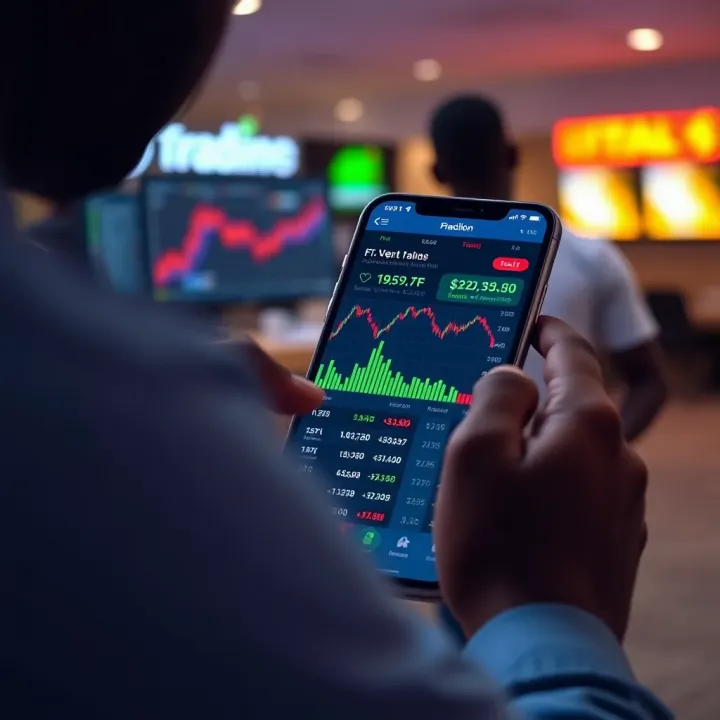
Security is a priority. Given Nigeria’s rising online fraud cases, trading apps must have robust encryption, two-factor authentication, and clear privacy policies. For example, apps like Bamboo Nigeria and Trove have implemented strong security protocols that many local traders trust.
Cost factors also affect choice. Some apps charge fixed fees per transaction while others levy a percentage based on trade value. These charges can add up, especially for frequent traders, so understanding fee structures upfront can prevent nasty surprises. For instance, some brokers require a minimum deposit or maintenance fees which are worth checking.
Ease of use impacts how quickly you can execute trades and track your portfolio. A clean and responsive interface tailored for Nigerian users — who may face spotty internet or limited data — helps reduce frustration. Apps that support local payment channels like USSD or bank transfers also simplify fund deposits and withdrawals.
Customer service matters too. Trading involves risks, and timely support can solve problems before they escalate. Look for apps with local support teams reachable through multiple channels like phone, email, or chat.
A trading app that balances security, reasonable fees, user-friendly design, and reliable support can transform your investment experience in Nigeria.
To sum up, choosing wisely demands attention to:
Security standards appropriate for Nigerian cyber risks
Transparent and competitive fee models
Interfaces optimised for local network conditions
Support services accessible locally
Knowing these points early will help you start on a solid footing and build confidence in handling your investments through an app.
It’s essential to grasp what a trading app offers before picking one for your investment or trading activity. Knowing the specific features and asset classes available helps you make informed choices, saves time, and ensures your strategy suits the app’s design. In Nigeria’s dynamic market, where timely information and quick execution matter, understanding an app’s capabilities could be the difference between profit and loss.
A good trading app provides real-time information on prices, volume, and market movements. For instance, if you want to buy shares of Dangote Cement on the Nigerian Exchange (NGX), you need instant access to the latest price to avoid buying at a loss. Interactive charts display trends and patterns, allowing traders to spot entry and exit points. Without real-time data, you risk basing decisions on outdated figures, which can lead to missed opportunities or losses.
Trading apps should enable you to place orders quickly and execute them with low latency. Whether you choose a market order (buy/sell immediately at current price) or a limit order (buy/sell only at a specified price), the app must process these efficiently. In Nigeria, where internet connectivity can be shaky, some apps also offer offline order placement that syncs once online. Fast and reliable order execution helps you react promptly to market changes and prevents slippage—paying more or receiving less than you expected.
Keeping track of your investments without manual calculations is a must. Most trading apps provide portfolio views summarising your holdings, gains or losses, and dividends. Detailed reports help you analyse performance over time and prepare for tax filings with the Federal Inland Revenue Service (FIRS). For example, apps may show you how much you’ve earned from Oando shares versus your forex trades, giving you insights to adjust your strategy.
Most Nigerian trading apps focus on stocks listed on the Nigerian Exchange, covering companies like GTBank, Nestlé Nigeria, and MTN Nigeria. Trading equities requires access to NGX’s live feeds and compliance with Securities and Exchange Commission (SEC) regulations. These apps allow retail investors to participate directly in the local stock market, long favoured for stable dividends and capital appreciation in sectors like banking and consumer goods.
Foreign exchange (forex) trading involves buying and selling currency pairs, while cryptocurrencies like Bitcoin and Ethereum offer an alternative investment class. Several Nigerian apps integrate forex market access alongside cryptocurrencies through platforms like Binance or local providers. This diversification suits traders chasing volatility or hedging against naira fluctuations, but remember, both markets carry higher risks and require constant monitoring.
Some Nigerian trading apps offer commodities trading, such as cocoa, oil, or gold futures, linking users to global supply chains from their smartphones. Mutual funds are also available, pooling investors’ money to buy diversified assets managed by fund managers. This option suits those who want to spread risk without choosing individual stocks. For example, an app might let you invest in a mutual fund focused on Nigerian agribusiness, tapping into an important sector for the country’s economy.
Choosing the right app begins by understanding the features you need and the assets you want to trade. This avoids frustration and sets you on the path to smarter investing in Nigeria’s growing markets.
Choosing the right trading app in Nigeria is more than just picking a slick-looking platform. It demands careful checking of key factors that affect your security, costs, and overall experience. Taking time to evaluate these aspects helps you avoid unnecessary risks, save money, and make the most out of your investment journey.
Your personal data and transaction details need strong protection from hackers or data leaks. The app should use encryption technologies such as SSL (Secure Sockets Layer) to safeguard information during online transmission. Without this, your financial details can be vulnerable to cyberattacks, which unfortunately happens severally even here in Nigeria.
The Securities and Exchange Commission (SEC) Nigeria regulates trading platforms to protect investors. Always confirm the app is registered with SEC, as unregistered platforms may operate illegally or without proper oversight. SEC registration assures you that the app follows Nigerian regulatory standards and offers a greater level of trust.
Strong user authentication – like two-factor authentication (2FA) or biometric login – is critical. This ensures only you can access your account, even if someone else gets hold of your password. Apps with weak authentication can expose you to unauthorised access, posing a serious threat to your funds.
Most apps charge a fee each time you buy or sell assets. These charges can vary: some take a flat fee per transaction, others a percentage. Knowing these fees upfront helps you calculate if small trades will still be profitable after charges. For example, a ₦100 transaction fee on a ₦1,000 trade eats heavily into returns.
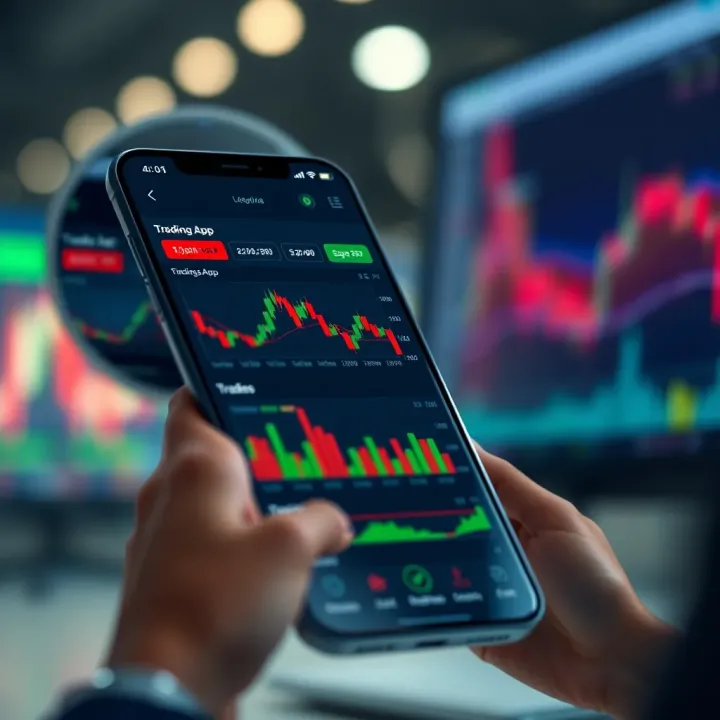
Some apps require monthly or yearly subscriptions just to use their services. This fee might be worth it if the platform offers quality market analysis or exclusive features. However, if you’re a beginner or trading small sums, free apps or pay-per-trade options might be better.
Be wary of hidden fees like withdrawal charges, inactivity penalties, or data access costs. These often catch traders unaware and can add up quickly. Always read the app’s terms and conditions carefully before committing any funds.
A clean, straightforward interface makes trading less stressful. If the app is cluttered or complicated, you might make mistakes or miss timely trade opportunities. Nigerian traders benefit from apps that clearly show prices, charts, and order options without excessive clutter.
Many Nigerians use mid-range Android phones with limited memory. Choose apps that run smoothly on such devices without eating up data or slowing down. Apps that crash often or lag during network fluctuations are unsuitable, especially given frequent power and connectivity issues.
Reliable customer support is a must. Whether you face technical glitches or need help understanding features, prompt support via chat, phone, or email can save you money and stress. Platforms offering 24/7 local support stand out in Nigeria, where trading hours might extend beyond the usual workday.
Taking these factors seriously improves your trading confidence and safeguards your investments in the Nigerian market. Don't rush – weigh each carefully before you decide.
This section blends practical advice with local trading realities and reflects the importance of each factor in choosing a suitable Nigerian trading app.
Starting your trading journey using an app in Nigeria is a crucial step towards tapping into the financial markets with convenience and control. It sets the foundation for a smooth trading experience, ensuring your account is properly verified, funded, and ready to execute trades confidently. This phase is especially important given the evolving regulatory landscape and technological variations within the Nigerian market.
To open a trading app account, you must provide valid identification, mainly your National Identification Number (NIN), a government-issued ID such as a driver’s licence or international passport, and proof of address like a recent utility bill. These documents help the platform verify your identity and meet Nigerian financial regulations, which protect you against fraud.
Investing platforms in Nigeria rely on these documents to comply with the Securities and Exchange Commission (SEC) rules. Without proper verification, you won’t be able to trade or withdraw funds securely.
Linking your bank account or fintech wallet to your trading app makes transactions faster and more reliable. Most trading apps support integration with Nigerian banks like GTBank, First Bank, and Zenith Bank, as well as popular wallets such as OPay and PalmPay.
This connection allows you to fund your trading account easily and receive profits directly into your bank or wallet. Since the Nigerian banking system consistently upgrades security, especially with BVN (Bank Verification Number) linked accounts, you get an additional layer of protection.
Bank Verification Number (BVN) integration is vital for Nigerian traders. It serves as a unique identifier across Nigerian banks, helping trading apps authenticate your identity and reduce the risk of fraud.
When your BVN is linked, it ensures the source of funds is legitimate and limits unauthorised transactions. For example, an app with proper BVN integration will alert you immediately if there’s suspicious activity related to your account.
Bank transfers remain one of the most reliable ways to fund your trading account. You can easily move funds from your account using internet banking or USSD codes, like *894# for GTBank or *329 for First Bank.
USSD is especially useful for those with limited internet access, allowing straightforward deposit with minimal hassle. Fast settlement times mean you won’t be stuck waiting long before you can trade.
Many Nigerians prefer using mobile money platforms and fintech wallets to fund trading accounts. Wallets like Kuda, OPay, and PalmPay integrate smoothly with trading apps, making deposits swift and offering flexibility without visiting a physical bank.
This approach also helps traders avoid high bank charges sometimes associated with transfers. Plus, many fintech wallets support instant notification of transactions, important for timely trading decisions.
Because Nigeria’s market deals mainly in naira, understanding currency fluctuations is important if you’re trading foreign assets or cryptocurrencies.
Some trading apps allow you to fund accounts in different currencies. However, you should watch out for exchange rates and conversion fees, which can impact your returns. For instance, funding with dollars may cost more during periods of naira depreciation, which is common in Nigeria’s volatile forex scene.
Before placing trades, it’s wise to consider what asset suits your investment goals. Whether Nigerian stocks listed on NGX, forex pairs, or cryptocurrencies like Bitcoin, each carries different risks and opportunities.
New traders in Nigeria might start with familiar stocks such as Dangote Cement or MTN Nigeria, allowing them to follow local news for better market insight.
Trading apps give you choices on how to enter the market. A market order buys or sells immediately at the current price. A limit order lets you set a specific price to buy or sell, providing control in volatile markets.
Using a stop-loss order can protect your capital by automatically selling an asset once it drops to a set price, reducing large losses during unpredictable market swings.
After making trades, monitoring your portfolio regularly is key. Trading apps usually offer real-time updates on asset prices and portfolio performance.
Staying informed helps you spot trends early or make quick decisions if markets shift. For busy Nigerians juggling daily life and embers months expenses, this flexibility ensures your investments remain aligned with your financial goals.
Setting up your trading account carefully, funding it smartly, and understanding order types build the foundation for a trading experience that fits Nigeria’s unique market environment and your personal needs.
Navigating the Nigerian trading landscape requires more than just understanding how to use a trading app; you must be aware of key risks and challenges that could impact your investment outcomes. These range from sudden market shifts influenced by global events to technical barriers like power outages that disrupt trading activity. Recognising these factors helps traders prepare better and avoid costly mistakes.
Nigerian traders often face market swings triggered by both international and domestic developments. For example, global oil price changes directly affect Nigerian equities, given the economy’s reliance on petroleum exports. A sudden drop in crude prices can cause stock prices in related sectors to plunge. Locally, political uncertainties such as election periods or policy announcements by the Central Bank of Nigeria (CBN) tend to stir volatility. Understanding how these events ripple through markets can guide traders to time their trades more wisely.
One effective way to reduce the shock of price fluctuations is diversification—spreading investments across different assets and sectors. Nigerian investors can balance shares on the Nigerian Exchange (NGX) with other instruments like mutual funds or forex trading options. This approach means losses in one area might be offset by gains elsewhere. For instance, if heavyweights in the banking sector are volatile due to economic shifts, a solid commodity fund or a crypto asset could cushion overall portfolio impact. Diversification remains an essential strategy for long-term stability.
Power supply irregularities and unstable internet connections remain a real challenge for Nigerian traders relying on apps. An unexpected NEPA blackout or slow mobile data can prevent timely trade executions that are often sensitive to seconds. Traders using apps on smartphones or PCs might find themselves stuck without access or face delayed order processing. To mitigate this risk, some smart traders use backup power solutions like generators or power banks and ensure they have data plans from multiple network operators such as MTN and Airtel for better coverage.
Trading platforms could experience technical failures or scheduled maintenance, sometimes without adequate advance notice. Such downtime, especially during volatile market hours, can disrupt investment plans and cause missed opportunities or losses. Nigerian users should prioritise apps with reliable customer support and quick response times. Inquiring about their service level agreements and user feedback on downtime frequency is practical before committing funds.
The surge in digital trading in Nigeria has attracted some fake trading apps designed to steal user information or funds. These apps may promise unrealistic returns or ask for unnecessary permissions. Always double-check app sources—only use platforms officially recognised by the Securities and Exchange Commission (SEC) Nigeria. Avoid unsolicited links shared on social media or WhatsApp groups, as many fraudsters masquerade as legitimate brokers to bait unsuspecting traders.
Before trusting a trading app, verify its registration with SEC Nigeria. Legitimate apps publish these details clearly. Additionally, reading user reviews on Apple App Store or Google Play Store and financial forums provides insight into other traders’ experiences. Poor reviews highlighting withdrawal delays or unresponsive support should be red flags. Taking time to research protects your funds and helps you make confident investment decisions.
Being aware of these risks allows Nigerian traders to better safeguard their investments and make informed choices in an environment that is still maturing but full of opportunities. Proper preparation beats reaction in the fast-moving world of trading apps.
Using trading apps effectively takes more than just installing them on your phone. To truly benefit from the Nigerian market’s potential, you need practical tips that improve your results and safeguard your capital. This section outlines key strategies, from continuous learning to smart goal-setting and fintech integration, helping you trade with confidence.
Many trading apps now include built-in tutorials, webinars, and updated glossary sections that help sharpen your understanding of market terms and strategies. For instance, apps like Chaka and Trove offer educational content that explains how to analyse stocks or use advanced order types. Taking advantage of these resources regularly helps you stay sharp and avoids costly mistakes born of ignorance.
Keeping up with developments through local financial news is vital. Nigerian markets react swiftly to government policies, CBN decisions, and fuel subsidy talks. For example, a sudden spike in petrol prices often affects consumer stocks and logistics companies listed on NGX. By staying updated via media outlets like BusinessDay and Nairametrics, you catch trends early, allowing timely decisions.
It’s easy to be swayed by chatter on social media or friends’ tips, but clear investment goals keep you grounded. Whether you aim to secure short-term gains for a business startup or build long-term wealth for retirement, defining your goals upfront guides your choices of assets and strategies. For example, if your goal is quick returns, you might prioritise high-volume stocks or forex trading, knowing the higher risk.
Many apps support stop-loss and take-profit orders that automatically close trades at your pre-set price levels. This tool limits losses and locks profits without you needing to monitor constantly, handy during Lagos traffic or when power outages disrupt routines. Suppose you buy a stock at ₦150 and want to sell if it drops to ₦130; setting a stop-loss order will ensure you stick to that limit, avoiding emotional decisions.
Convenient funding options reduce hurdles in trading. Apps connected to Paystack or Flutterwave let you transfer money securely and instantly using cards or bank transfers. This seamless bridge between payments and trading helps avoid delays common when relying solely on direct bank transfers, especially during busy ember months.
Some apps allow syncing with popular Nigerian mobile wallets such as OPay or PalmPay, making it easier to monitor overall finances on one platform. For instance, after withdrawing profit to PalmPay, you can budget or reinvest without switching apps. This financial visibility improves control and planning, essential for investors balancing multiple income streams or side hustles.
Success in trading apps boils down to combining knowledge, discipline, and the smart use of Nigeria’s growing fintech ecosystem. Staying informed, setting clear goals, and embracing fintech tools will sharpen your trading edge.
📈 Discover how to trade smarter on app.deriv! Learn about account types, supported markets, secure setup, and tips tailored for Nigerian traders.
Discover how to choose trusted brokers for trading synthetic indices in Nigeria 🇳🇬, understand platforms, risk strategies, and regulator checks for safe ₦ investing.
Discover how trading brokers connect Nigerian traders to markets, their key services, account types, useful tips, and local regulations to trade smarter 💹📊
📈 Discover how the best trading platforms help Nigerian investors access stocks, forex, and commodities securely with local market insights and reliable features.
Based on 13 reviews