
Understanding Trading Brokers in Nigeria
Discover how trading brokers connect Nigerian traders to markets, their key services, account types, useful tips, and local regulations to trade smarter 💹📊
Edited By
James Cartwright
Trading synthetic indices has become a growing interest among Nigerian traders looking for alternatives to traditional markets. These indices simulate real-world market movements but operate 24/7, offering unique opportunities for continuous trading. Choosing the right broker to access synthetic indices is a key step for success and safety in this space.
Synthetic indices differ from conventional stocks or forex markets because they are algorithmically generated. Nigerian traders should therefore select brokers that specialise in synthetic indices with transparent pricing and robust infrastructure. Not every broker provides the same access or tools to trade these products effectively.
When evaluating brokers for synthetic indices, focus on regulation, platform quality, fees, and risk controls. Regulation matters especially since synthetic indices are less common in the Nigerian market and require brokers to comply with trustworthy authorities to protect your funds. While local regulation is limited, look for brokers licensed by established regulators like the FCA (UK), CySEC, or the VFSC.
Plus, platform reliability is crucial since synthetic indices thrive on continuous market availability and real-time execution. Platforms such as MetaTrader 5, Deriv’s proprietary interface, or customised offerings with fast order processing work well. Nigerian traders must avoid brokers with frequent downtime, as the 24/7 nature of synthetic indices demands constant readiness.
Fees, spreads, and leverage play a big part in how well you can capitalise on trading synthetic indices. Check for brokers that offer competitive spreads with no hidden commissions. Beware of exceptionally high leverage offers — while tempting, they carry increased risks, notably in volatile environments like synthetic markets.
Risk management tools like stop-loss orders and negative balance protection help shield you from unexpected market swings. Nigerian traders should prioritise brokers that enable customised risk limits and provide educational support on managing leverage responsibly.
Selecting a broker for synthetic indices is not just about cost or platform; it’s about finding a trusted partner who understands these instruments deeply and can support your trading journey with reliability and transparency.
In summary, Nigerian traders should choose brokers that:
Hold credible licences from recognised regulators
Provide stable, fast platforms suitable for synthetic indices
Maintain transparent pricing without excessive fees
Offer clear risk management features to safeguard investors
This foundation will help traders navigate synthetic index markets more confidently while managing risks peculiar to these products.
Synthetic indices have become increasingly relevant for traders in Nigeria, particularly due to their unique structure and trading conditions. Understanding these indices helps traders make informed decisions, especially as synthetic markets operate differently from traditional financial markets.
Synthetic indices are simulated financial indices that mimic real market movements but are generated using computer algorithms. Unlike traditional indices that track the performance of companies or commodities, synthetic indices replicate price changes based on mathematical models and randomness. This design offers a consistent 24/7 trading environment unaffected by real-world events like corporate earnings or geopolitical tensions.
The practical relevance of synthetic indices lies in their accessibility and predictability. For example, during Nigerian market hours, when local exchange trading halts, synthetic indices continue to operate, allowing traders to engage without interruption.
Real financial indices such as the NSE ASI reflect the actual weighted prices of stocks listed on a stock exchange. Their price moves respond to news, economic data, or company announcements. Conversely, synthetic indices are not tied to real assets; their prices are algorithm-based and designed to offer consistent volatility patterns.
This fundamental difference means synthetic indices provide steady trading action without gaps or surprises from unexpected economic releases. For Nigerian traders, this implies less exposure to sudden market shocks but also a different approach to analysing price movements.
Common synthetic indices include volatility indices, which simulate market volatility over fixed intervals. For instance, "Volatility 10 Index" mimics low volatility conditions, while the "Volatility 75 Index" shows high volatility swings, appealing to traders looking for diverse risk-return profiles.
Other types replicate day-night patterns or weekend trading scenarios, giving traders options to choose based on their risk tolerance and trading schedules. These synthetic products have gained popularity among Nigerian traders seeking variety beyond traditional forex or stocks.
One major appeal is that synthetic indices trade continuously every day of the week, unlike local markets that close on weekends or public holidays. This availability suits Nigeria’s young, busy population who might not keep traditional market hours but still want access to trading opportunities at any time.
Synthetic indices are crafted to maintain steady price changes, often more volatile than conventional indices. This volatility offers traders more chances to open and close positions for profit within short time spans. Nigerian traders can capitalise on these swings without waiting for regional market hours.
Many brokers operating in Nigeria now provide seamless access to synthetic indices alongside conventional assets. They offer funding in Naira, support for popular platforms like MT4, and local payment integrations via Paystack or Flutterwave, reducing barriers like FX conversion or slow bank transfers.
This ease of access, combined with tailored educational resources, makes synthetic indices a practical choice for Nigerian traders starting or diversifying their portfolios.
Understanding synthetic indices and their specific characteristics empowers Nigerian traders to select brokers wisely and align trading strategies with their financial goals and lifestyle constraints.

Brokers are central intermediaries in synthetic indices trading, providing essential services that connect traders to financial markets. Understanding their role is critical for Nigerian traders who want efficient access, fair pricing, and smooth trade execution. This section explains how brokers operate in synthetic indices markets and why choosing the right type matters.
A user-friendly and reliable trading platform is the first point of contact between the trader and the synthetic indices market. Brokers offer platforms—such as MetaTrader 4 (MT4), MetaTrader 5 (MT5), or proprietary apps—that allow traders to view live prices, analyse market trends, and execute trades. For example, a Nigerian trader using MT5 can access charting tools and place trades on Volatility 75 Index, a popular synthetic index, right from their laptop or mobile phone. The platform’s stability and speed impact the trading experience, especially when markets are volatile.
Leverage lets traders control larger positions with a smaller amount of capital, amplifying potential profits and risks. Brokers provide specific leverage ratios for synthetic indices, often ranging from 1:50 to 1:200, depending on their policies and regulations. For instance, a ₦10,000 deposit with 1:100 leverage allows a trader to open a position worth ₦1,000,000. While this increases profit opportunities, traders should be cautious since losses are also magnified. Brokers managing margin requirements determine how much capital a trader must maintain to keep positions open, preventing liquidation risks.
Brokers are responsible for executing trades promptly and providing accurate price feeds for synthetic indices. Market makers often set the bid and ask prices internally, while Electronic Communication Network (ECN) and Straight Through Processing (STP) brokers pass trades directly to liquidity providers. For Nigerian traders, quick trade execution is essential during high volatility to avoid slippage, where trade prices differ from expected levels. Pricing transparency helps traders trust broker offerings and improves market efficiency.
Market makers create a market by setting their own prices and taking the opposite side of traders’ positions. They provide liquidity and often offer fixed or variable spreads. In synthetic indices trading, market makers control price feeds generated by algorithms mimicking real market behaviour. For Nigerian traders, market makers can offer faster execution and more straightforward trading conditions, but the potential conflict of interest means traders should choose well-regulated brokers.
ECN brokers connect clients with several liquidity providers, including banks and financial institutions, offering access to real market prices. STP brokers directly pass orders to liquidity providers without intervention. Both models aim for transparent pricing and often tighter spreads. However, since synthetic indices are not linked to real-world asset prices, ECN/STP brokers for these products usually combine real pricing frameworks with proprietary algorithms. Nigerian traders who prefer market transparency may favour these brokers, though minimum deposits can be higher.
Some brokers focus solely on offering synthetic indices trading with platforms tailored to these instruments. Such brokers provide customised indices with unique volatility profiles and longer trading hours, often 24/7. They may include risk management tools like guaranteed stop losses and detailed analytics designed for synthetic markets. For Nigerian traders, specialised brokers can offer an edge in understanding and trading synthetic indices, especially when paired with local payment methods to ease account funding.
Choosing the right broker for synthetic indices means balancing platform quality, leverage options, execution speed, and broker type. Each Nigerian trader should consider these factors to match their trading style and risk appetite effectively.
Choosing the right broker is a major step for anyone serious about trading synthetic indices in Nigeria. Brokers act as your entry point into this market, and their credibility, technology, and services can significantly affect your trading success. Evaluating brokers helps you avoid pitfalls such as hidden fees, unreliable platforms, or poor customer support.
Regulatory compliance should be your top priority. Brokers regulated by recognised authorities like the Securities and Exchange Commission (SEC) Nigeria or international bodies such as the Financial Conduct Authority (FCA) provide a layer of protection for traders. For example, if a broker is regulated by SEC Nigeria, it means they have met strict standards on transparency and client fund safety. Unregulated brokers often lack accountability, increasing risks of fraud or fund mishandling.
Easy-to-navigate platforms reduce trading errors and support quicker decisions, essential when trading volatile synthetic indices. Platforms like MetaTrader 4 (MT4), MetaTrader 5 (MT5), and proprietary apps used by brokers must offer smooth interfaces, reliable charting tools, and fast order execution. For instance, if a broker’s platform frequently lags during peak market hours, you could miss out on profitable trades or exit points.
Every broker charges fees, but the variation can be wide. Some offer tight spreads with no commissions, while others might combine wider spreads and additional commissions. In synthetic indices trading, narrow spreads matter more as price movements are often small. For example, a broker charging 2 pips spread versus another charging 5 pips can make a huge difference over multiple trades. Always check for hidden fees like withdrawal charges or inactivity penalties.
Responsive and knowledgeable customer service saves time and frustration, especially when issues arise during trading. Brokers offering 24/7 support through live chat, phone, and email provide more reassurance. For Nigerian traders, support in English with local understanding of payment and technical concerns can make the experience smoother. Imagine needing help to verify an account or withdraw funds during ember months; good customer care is essential.
Traders benefit greatly if brokers allow deposits and withdrawals directly in Nigerian Naira (₦). This reduces currency conversion fees and delays. When you fund your account in Naira, it becomes easier to manage your trading capital alongside your daily expenses without worrying about exchange rate fluctuations.
Brokers integrating local payment gateways like Paystack and Flutterwave improve accessibility. They cater to the common Nigerian payment behaviour and connect directly with local banks such as GTBank or Access Bank. Through these, deposits and withdrawals become seamless, encouraging more frequent and timely trading activities.
Fast processing of deposits and withdrawals matters, especially in volatile synthetic indices markets where timing is crucial. Some brokers process funding instantly via USSD or bank transfer, while others delay payments by days, affecting your trading plans. Also, be mindful of transaction costs; platforms like Flutterwave often charge minimal fees compared to international wire transfers, which could cost you more per transaction.
Selecting a broker with the right regulatory cover, user-friendly platforms, transparent fees and reliable local payment options can shape your trading experience in Nigeria’s growing synthetic indices market.
Evaluating these factors carefully lets you trade confidently, manage risks effectively, and access your funds conveniently. Keep these points in mind when choosing a broker to trade synthetic indices in Nigeria.
Choosing a reliable broker is vital when trading synthetic indices in Nigeria. Trusted brokers ensure seamless access to these products, competitive pricing, and efficient trade execution. For Nigerian traders, factors like regulatory compliance, local payment options, and user-friendly interfaces often determine which brokers stand out. Practical benefits, such as low-cost deposits via platforms like Paystack or Flutterwave and availability of Nigerian Naira accounts, improve trading convenience.
Broker A offers an intuitive trading platform with easy navigation, ideal for both novice and seasoned traders. The platform supports mobile trading apps, which is crucial for Nigerians who often trade on the go, contending with traffic and erratic power supply. User features like real-time charts, one-click trades, and customisable alerts enhance the trading process, making market entry and exit smoother.
Broker B is regulated by reputable authorities such as the Financial Conduct Authority (FCA) and holds licences compatible with Nigerian trading norms. This ensures customer funds and data are protected, reducing the risk of fraud. Nigerian traders benefit from Broker B’s transparent policies and the peace of mind that comes with strong security measures like two-factor authentication and segregated client accounts.
Broker C excels with its advanced trading platforms, including MetaTrader 5 and a proprietary web-based interface. These platforms provide useful tools such as automated trading bots, backtesting, and extensive technical indicators—features important for traders aiming to refine strategies on synthetic indices. The integration of fast execution speeds helps minimise slippage, supporting traders who need precise timing.
Spreads significantly impact profitability on synthetic indices. Some brokers offer fixed spreads, which provide certainty on trade costs, while others have variable spreads that fluctuate with market conditions. For Nigerian traders, examining average spreads on popular indices helps identify brokers offering the best value, particularly during ember months when market volatility can push spreads higher.
Leverage magnifies both gains and losses, so brokers' leverage policies affect risk management. While some brokers advertise high leverage up to 1:500 or more, Nigerian traders should understand their margin requirements and regulatory restrictions. Responsible use of leverage supported by risk controls, such as negative balance protection, ensures traders stay within comfortable limits.
Affordability remains a key concern, especially for retail traders starting with limited capital. Brokers with low minimum deposits, sometimes as little as ₦20,000, open opportunities for wider participation. However, it’s crucial to balance deposit size with other factors like spreads and platform quality to avoid hidden costs that might eat into trading funds.
Selecting the right broker involves weighing features, costs, and security. Nigerian traders win when they pick brokers tailored to their local needs that combine solid regulation, flexible trading tools, and affordable entry points.
Managing risks is a non-negotiable part of trading synthetic indices, especially for Nigerian traders who contend with market unpredictability and local economic challenges. Synthetic indices mimic real market movements but remain virtual, which means their price swings can be fast and sharp. Without a clear risk strategy, traders can swiftly lose their invested capital. Understanding volatility, employing risk control tools, and practising with demo accounts can help protect your funds and improve your trading discipline.
Synthetic indices are designed to simulate real market behaviours by generating price movements based on random number algorithms that mirror supply and demand patterns. For example, the volatility index might mimic the swings of global equity markets, allowing traders to experience similar ups and downs without actual stock exposure. This simulation is crucial because it provides access to market-like trading 24/7, unlike traditional stocks which often have fixed trading hours.
With this simulation comes significant volatility, meaning prices can jump or fall quickly within short periods. For a trader in Lagos using synthetic volatility 100, sharp changes can lead to high profit potential but also steep losses. The impact of these price swings means timing and strategy are vital; trading blindly or with huge leverage can quickly wipe out your account. Nigerian traders must appreciate that these indices don’t follow news events like real markets but respond to programmed patterns, making them somewhat predictable if studied carefully.
Stop loss and take profit orders are fundamental tools that help traders automatically close positions at predetermined price points. For instance, if you buy synthetic index contracts expecting a rise, you can set a stop loss to limit a loss at ₦5,000 and a take profit order to lock in gains once you hit ₦10,000. This ensures discipline by preventing emotional decisions when the market moves against you.
Negative balance protection is a feature many brokers offer to ensure traders never lose more than their deposited funds. In Nigeria, where sudden market swings can be disruptive and internet connectivity sometimes erratic, this safeguard prevents debts caused by rapid negative price moves. It works by automatically closing out positions before losses exceed your account balance, thereby offering peace of mind.
Demo accounts for practice provide a no-risk environment where traders can familiarise themselves with the trading platform and test strategies using virtual funds. For Nigerian traders still learning about synthetic indices, such demo accounts offered by brokers like Olymp Trade or Deriv can sharpen skills without jeopardising ₦. Practising regularly on these accounts helps you adapt to price patterns and fine-tune your approach before going live.
Risk management is not optional in synthetic index trading; it is the backbone of sustained success and capital preservation.
Managing your risks smartly allows you to trade confidently and reduces stress. Incorporate stop losses, understand volatility, and use demo accounts — these steps make a big difference in navigating the synthetic indices market safely.
Discover how trading brokers connect Nigerian traders to markets, their key services, account types, useful tips, and local regulations to trade smarter 💹📊
🔍 Discover how to pick trusted binary options brokers in Nigeria with this clear guide. Learn about platforms, fees, regulations & trading tips.
Discover how to pick the best forex broker in Nigeria 🇳🇬 with tips on regulation, platforms, fees, support, and avoiding common mistakes 📈💡
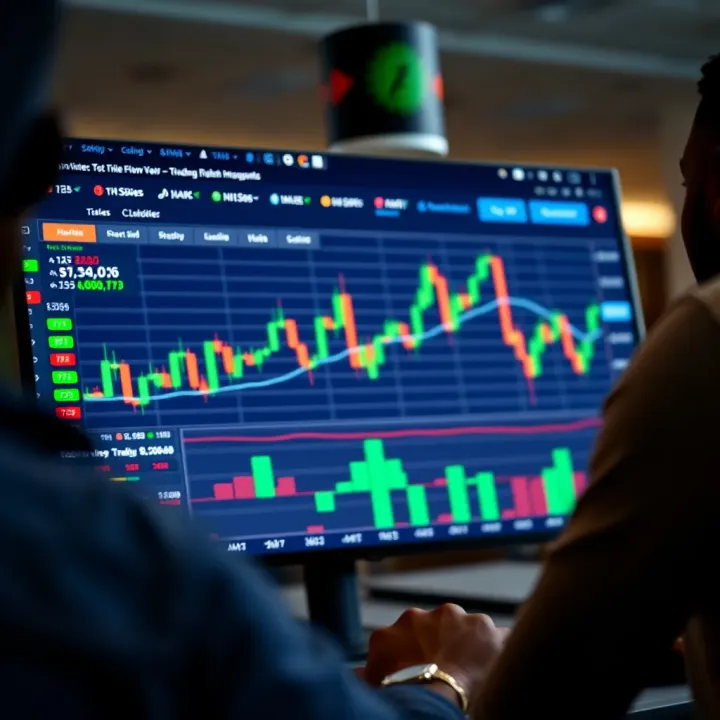
📈 Discover how the best trading platforms help Nigerian investors access stocks, forex, and commodities securely with local market insights and reliable features.
Based on 6 reviews