
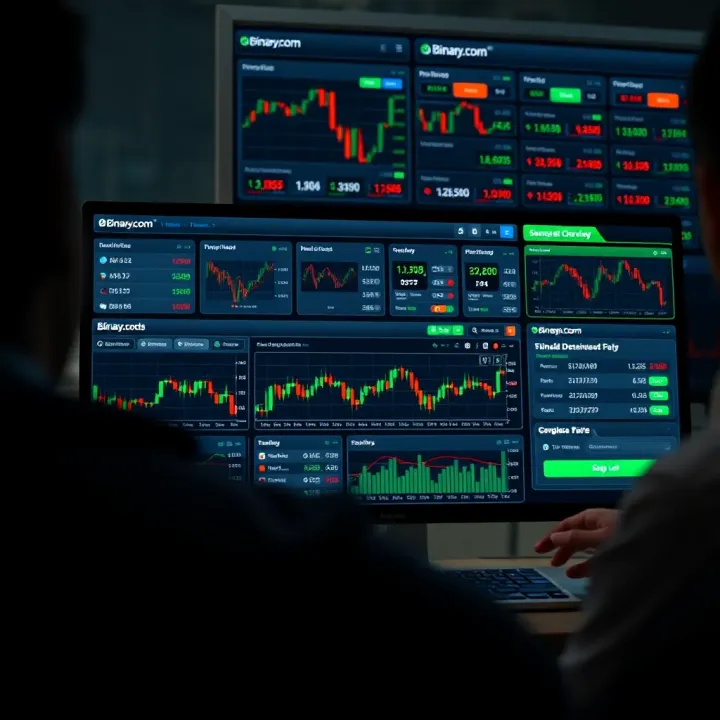
Understanding Binary.com for Nigerian Traders
Explore Binary.com trading in Nigeria 🇳🇬: setup, security tips, and trading types. Get ready to trade smarter with practical advice and insights! 💼📊
Edited By
Emily Carter
Urban markets in Nigeria pulse with life, where city traders operate as the backbone of economic activity. From bustling Lagos to vibrant Kano, traders tap into diverse sectors — textiles, electronics, foodstuff, and real estate — crafting business empires that thrive despite daily hurdles. These traders don’t just fill shelves; they shape the urban economy, creating jobs and sustaining families.
City traders face challenges ranging from inconsistent power supply to traffic gridlocks caused by danfo congestion. Yet, their adaptability, rooted in local knowledge and shrewd risk management, drives success. For example, many traders invest in generators to bypass power outages, while others cleverly time their movements around peak traffic hours to avoid getting stuck on Lagos roads or Abuja’s rush hours.
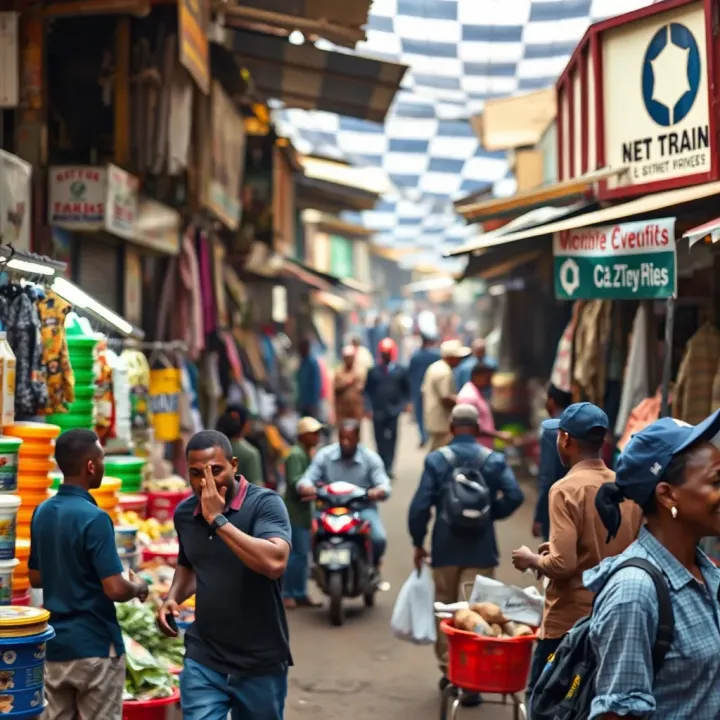
The strategies urban traders employ often include:
Leveraging informal credit networks for capital when traditional bank loans feel out of reach
Forming cooperative groups to bulk-buy and negotiate better prices
Adopting digital payment platforms like OPay and Paystack to expand customer reach and reduce reliance on cash
These methods help traders scale their businesses beyond traditional market stalls. Some have gone on to open chain stores or diversify into importation, buying tokunbo products that appeal to local tastes at competitive prices.
Urban traders’ resilience and innovation significantly contribute to Nigeria’s GDP, particularly within the informal sector, which accounts for about 65% of employment.
Looking beyond the daily hustle, opportunities abound. The rise of e-commerce platforms like Jumia Nigeria and Konga offers traders fresh channels to reach customers nationwide. Additionally, government initiatives aimed at improving market infrastructure could reduce operational costs and increase profitability.
Understanding these factors is key for investors and analysts eyeing Nigeria’s urban markets. The blend of entrepreneurial grit with evolving technologies forms a blueprint for building enduring business empires amidst the complexities of city life.
Grasping the foundation of city traders imperium is essential for anyone looking to understand Nigerian urban markets. Nigerian city traders form the backbone of daily commerce and economic activity in cities like Lagos, Kano, and Aba. Knowing who these traders are, their history, and how they operate gives you a clear lens to appreciate their role in driving urban economies and shaping consumer behaviour.
Types of traders in Nigerian cities vary widely, ranging from the informal roadside mama put food vendors to large-scale wholesale merchants. You’ll find okada riders doubling as goods carriers and mobile money agents functioning as financial traders. Each trader fills a unique economic niche, contributing to the vibrant pulse of city life.
Economic contributions of city traders are significant. They facilitate the flow of goods from rural producers to urban consumers, create employment for millions, and generate substantial tax revenue for local governments despite many operating informally. For instance, the multitude of traders in Balogun Market, Lagos, supports supply chains that extend beyond the city, impacting national trade.
Traditional versus modern trading practices illustrate how Nigerian traders adapt to change. While some still rely on face-to-face haggling and physical market visits, others have embraced digital payments and social media to reach more customers. For example, traders in Aba have begun using WhatsApp groups and Paystack to boost sales, showing a blend of old and new methods that keeps businesses competitive.
Evolution of market hubs in Lagos, Kano, and Aba shows how trading centres expanded from modest open-air markets to sprawling commercial districts. Lagos' markets like Tejuosho started small but grew into bustling hubs serving millions weekly. Kano’s Kurmi Market, a centuries-old centre, remains pivotal to commerce in northern Nigeria.
Influence of colonial trade routes on present-day commerce cannot be overlooked. The colonial focus on export crops shaped infrastructure, with roadways and ports facilitating goods movement. These trade routes laid the groundwork for today’s urban markets, with cities like Lagos still benefiting from ports established during that era.
Key milestones in the rise of city traders include the emergence of cooperative societies in the 1970s, which helped traders access capital and lobby for market improvements. More recently, fintech growth and mobile phone adoption have transformed how traders operate, giving them wider market access and improved financial inclusion.
Understanding this foundation lays the groundwork for appreciating how Nigerian city traders build resilient business empires despite challenges like infrastructure gaps and regulatory hurdles.
This knowledge helps investors spot growth opportunities, assists analysts in forecasting market trends, and guides entrepreneurs on best practices tailored to Nigeria’s urban trade environment.
City traders in Nigeria have carved out significant roles across diverse sectors, each contributing uniquely to urban economies. Understanding where they thrive offers insight into how these entrepreneurs build their empires against various odds.
Tokunbo market and imported goods trading represent a critical segment of Nigerian city traders' activities. These markets thrive on second-hand imports from Europe and Asia, offering affordable goods like electronics, clothing, and vehicles to a broad customer base. Traders operating here bridge the gap between global products and local demand, providing access to items many Nigerians could not otherwise afford. Markets such as Balogun in Lagos and Ariaria in Aba exemplify this vibrant trade, which sustains thousands of families.
Mama put food vendors and quick service retail form the lifeblood of basic urban retail. These vendors provide quick, affordable meals like rice, beans, and fried yams to busy workers and students who need fast sustenance during the day. Operating primarily along busy streets or near marketplaces, these traders fill a vital gap in urban food supply, often adapting menus based on local preferences and purchasing power. Their nimbleness and cultural knowledge make them indispensable to Nigeria's bustling urban landscape.
Role of wholesalers in supply chains is central to the efficiency of city trading. Wholesalers serve as intermediaries between manufacturers, importers, and retailers, facilitating bulk purchases that reduce costs. They provide traders with consistent stock, credit facilities, and pricing advantages. For instance, wholesalers supplying goods to Lagos markets like Oyingbo help ensure that small-scale retailers can meet demand without facing stockouts or inflated prices. Smooth wholesaling operations underpin the entire retail ecosystem.
Okada riders and danfo operators as urban traders play crucial roles in moving people and goods within city limits. Okada riders ferry customers quickly through congested traffic, while danfo buses transport both passengers and small cargo between neighborhoods. These operators often double as informal delivery agents for small traders, moving goods quickly and cheaply. Their intimate knowledge of urban routes and timing enhances supply chain fluidity, especially where formal logistics networks are thin.
The emergence of private delivery services reflects the rise of modern solutions in Nigeria’s urban trading scene. Companies like GIG Logistics and maximum.ng offer door-to-door services that integrate with traders’ operations, easing the movement of goods beyond local markets. Such services allow city traders to expand their reach, accessing customers in other states or even across borders. This trend also benefits e-commerce businesses that increasingly rely on reliable logistics to fulfil orders.
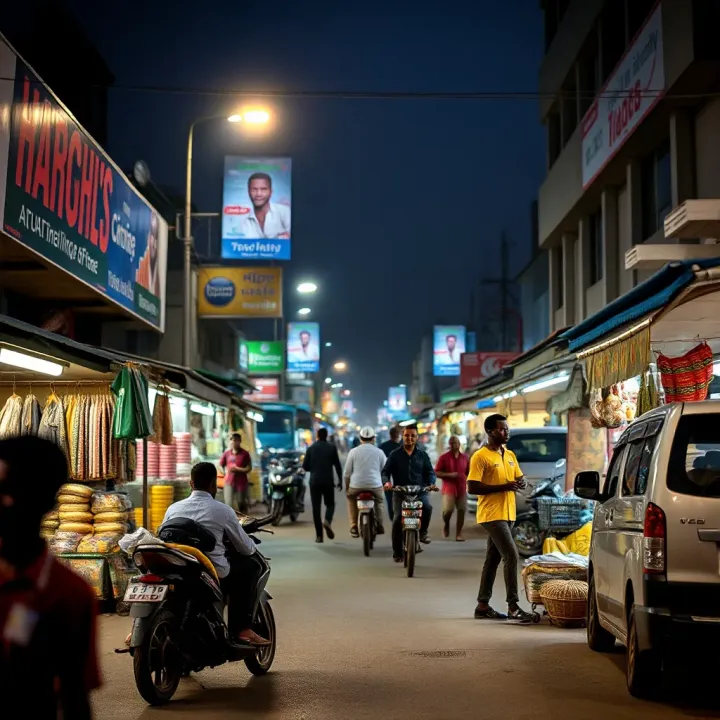
However, challenges in transporting goods within city limits remain stubborn. Traffic congestion, erratic police checkpoints, and uneven road infrastructure inflate delivery times and costs. Traders often wrestle with unpredictable delays, especially during ember months when market activity spikes. These obstacles mean that traders must account for logistics risks when pricing products, sometimes passing extra costs to consumers.
Mobile money agents and fintech collaborations have transformed how city traders conduct transactions. Agents of platforms like OPay, PalmPay, and Paga provide cash-in/out services, facilitating quick payments without needing traditional banks. Collaborations between fintech firms and traders have led to smoother access to credit and digital wallets, reducing reliance on cash and increasing financial inclusion.
E-commerce platforms for city traders, including Jumia and Konga, offer alternative marketplaces where urban traders can extend their sales beyond physical shops. These platforms also create opportunities for smaller traders to tap into nationwide demand without substantial upfront investment in infrastructure. For example, an artisan in Aba can sell locally made goods online, supporting the growth and diversification of their business.
Finally, digital marketing strategies among traders have gained momentum, with savvy entrepreneurs using WhatsApp groups, Instagram, and Facebook to promote and sell products. Traders leverage social media to reach broader audiences, announce offers, and build customer loyalty without the heavy costs associated with traditional advertising. This approach enhances brand visibility and can help businesses scale rapidly in competitive urban markets.
Nigerian city traders work across several interconnected sectors, each with its own challenges and opportunities. Their ability to adapt and innovate within retail, logistics, and digital platforms builds the backbone of urban commerce.
Understanding these sectors equips investors and entrepreneurs with the knowledge to tap into Nigeria’s bustling trade landscape with confidence and precision.
Growing a trading empire in Nigeria's urban markets demands more than just hard work; it requires strategic decisions, solid capital management, and a keen understanding of the market's pulse. Traders who succeed often blend practical saving approaches with smart networking and constant adaptation to changing economic conditions. These strategies are vital for sustaining growth, mitigating risks, and seizing new opportunities in cities where competition and volatility are the norm.
Saving mechanisms and use of microfinance play a critical role for traders operating in tight cash-flow environments. Many city traders rely on cooperative savings groups (esusu or ajo), which allow collective pooling of funds for investment. Microfinance banks and platforms like LAPO and LECON provide accessible credit options tailored for small businesses, enabling traders to inject necessary capital without collateral. For example, a mama put operator in Ibadan might use microfinance loans to stock up on bulk supplies, increasing turnover during peak periods.
Reinvesting profits for business growth is how informal traders steadily build their operations into formal business entities. Instead of quickly spending earnings, reinvestment involves buying more stock, improving shop fronts, or expanding to new locations. A danfo operator in Lagos, for instance, may use profits from daily fares to maintain vehicles, then gradually expand his fleet. This approach ensures continual growth and protects against unexpected shocks.
Managing risks in volatile markets is essential, considering Nigeria’s fluctuating inflation, currency instability, and erratic power supply. Traders commonly diversify their investments; a retailer might sell textiles as well as electronics to buffer downturns. Few also keep emergency funds or alternative supply routes to avoid complete business interruption during crises like fuel scarcity or strikes in transport.
The role of traders’ associations and unions goes beyond collective bargaining; they provide a platform for sharing market intelligence, lobbying government for favourable policies, and resolving disputes. For example, the Lagos Island Market Traders’ Association helps members secure better market infrastructure and defend against harassment. These bodies offer social security nets that informal businesses otherwise lack.
Collaborations with suppliers and customers enhance supply chain efficiency and build trust. Traders frequently negotiate bulk purchase discounts or credit terms with wholesalers, reducing upfront costs. By maintaining strong ties with loyal customers, city traders cultivate repeat business, essential for survival amid stiff competition.
Mentorship and knowledge sharing transfer experience across generations, preserving business savvy that textbooks rarely teach. Younger traders often shadow seasoned ones to learn negotiation tactics or customer service nuances. In many Nigerian markets, informal mentorship happens naturally through community bonds or structured sessions organised by associations.
Adjusting to economic policies and inflation means traders must remain alert to CBN interest rate changes, import restrictions, or subsidy removals. When naira weakens, for instance, import-dependent businesses adjust prices or find local alternatives to safeguard margins. A textile trader might switch to sourcing more local fabrics in response to rising import costs.
Embracing technological tools and innovation has accelerated city trader growth recently. Mobile money platforms like OPay and Flutterwave ease payments, while social media marketing on Instagram and Facebook opens new customer segments. Some traders now run e-commerce shops alongside physical outlets, broadening reach beyond traditional markets.
Responding to consumer behaviour changes requires awareness of trends and preferences. Urban consumers increasingly demand convenience and quality, leading food sellers to offer delivery options or packaged meals. Traders who monitor such shifts adapt product ranges accordingly, staying relevant in fast-moving markets.
Success in Nigeria's urban trading scene hinges on a balanced mix of solid capital management, strong communal ties, and agile responses to economic realities. Each element supports the others, creating a resilient foundation for lasting empires.
City traders in Nigerian urban markets confront several obstacles that directly affect their ability to grow and sustain business empires. Understanding these challenges reveals why even the most resourceful traders sometimes struggle to maximise opportunities.
Impact of inconsistent electricity on trading activities: Frequent power outages disrupt daily operations, especially for traders relying on refrigeration for perishables or electronic payment systems. For example, a mama put selling chilled soft drinks in a busy Lagos market may lose stock during extended NEPA power cuts, increasing costs and lowering profit margins.
Transport and market facility limitations: Many urban markets lack proper access roads and modern logistics facilities. Traders often navigate poor road networks clogged with danfo traffic to transport goods. This increases delivery times and damages goods, pushing operational costs higher. Meanwhile, cramped market spaces without adequate storage or loading bays limit traders’ capacity to handle increased stock.
Costs of operation due to generator use: To mitigate power issues, many traders rely on diesel generators, which can consume significant funds. Considering diesel prices often fluctuate and remain high, the extra spending slices deeply into profits. The regular maintenance of generators adds another layer of cost, challenging small-scale traders with thin margins.
Taxation by government agencies and levies: Traders face multiple levies from local and state government bodies, sometimes overlapping or uncoordinated. While taxes are vital for governance, the unpredictable and high levies often discourage business investment. Traders in markets like Alaba or Balogun report paying several levies weekly, stretching resources.
Dealing with harassment and extortion: Some traders endure harassment from security agents or informal groups demanding bribes. These experiences undermine trader confidence and impose unplanned expenses. This environment creates uncertainty and reduces focus on business expansion.
Risks of urban crime affecting business: Theft, vandalism, and petty crimes in crowded markets are common, forcing traders to invest in additional security measures. Incidences of stolen goods or attacks during ember months spike, making some traders cautious about stocking larger inventory or extending credit to customers.
Limitations in obtaining bank loans: Many city traders struggle to access formal credit due to lack of collateral or proper business records. Banks often perceive small traders as high-risk, limiting loan approvals. This restricts traders’ ability to scale or diversify.
Dependence on informal savings groups: Due to limited bank access, traders often rely on savings groups like ajo or Esusu. While these groups provide vital capital, the amounts are smaller, and rules less flexible than formal institutions, which slows business growth.
Effects of high-interest rates on business: Formal credit windows offering loans often come with high-interest rates, sometimes beyond 20% monthly in informal settings. Such costs erode profits and make repayment difficult, discouraging borrowing even for business-critical needs.
Addressing these challenges requires coordinated efforts from government, financial institutions, and market stakeholders to unlock city traders’ full economic potential. Until then, traders navigate these hurdles using innovation, resilience, and community support.
As Nigerian urban markets grow more competitive and complex, city traders must look ahead to seize new opportunities and modernise their operations. Embracing technology, partnering with government initiatives, and formalising their businesses can substantially boost their reach and profitability. These steps will help traders not only survive but thrive amid urban challenges like power outages, traffic congestion, and fluctuating market conditions.
Social media platforms like Instagram, Facebook, and WhatsApp have become indispensable tools for city traders. They provide an affordable way to showcase products, announce discounts, and connect directly with customers. For example, a Lagos-based trader selling bespoke fabrics can attract a wider customer base by posting vibrant photos on Instagram, increasing sales without the cost of a physical store.
Teaming up with fintech firms such as Paystack, Flutterwave, or OPay enables traders to tap into efficient payment systems. These partnerships simplify transactions through mobile money, cards, or wallet payments, reducing dependence on cash. This convenience encourages more purchases and expands market reach, especially for those dealing in fast-moving consumer goods or online orders.
Online marketplaces like Jumia and Konga, along with delivery services such as Kobo360 or GIG Logistics, help urban traders reach customers beyond their immediate locality. For instance, a trader in Kano specialising in agricultural produce can now deliver goods to buyers in Abuja or Lagos, increasing turnover while eliminating middlemen, which improves profit margins.
The Central Bank of Nigeria (CBN) runs several loan and grant programmes targeting small and medium enterprises (SMEs). Traders can access funds at lower interest rates compared to commercial banks, enabling them to invest in inventory, equipment, or expand their shops. For example, the SME Credit Guarantee Scheme helps many traders who struggle to get conventional loans.
Various government and non-government organisations provide training on financial literacy, digital skills, and business management tailored to city traders. These capacity-building efforts empower traders to manage their finances more effectively, adopt new technologies, and make strategic decisions that enhance business growth.
Upgrades in market facilities, power supply, and roads directly affect trading conditions. Recent efforts to improve markets in cities like Aba and Lagos, including better sanitation and stable electricity from the national grid or solar systems, help traders reduce overhead costs linked to generator fuel and lost business hours due to outages.
Registering businesses with relevant authorities unlocks access to formal credit, legal protections, and government support programmes. Compliance also boosts trader credibility with suppliers and customers alike. A registered wholesaler, for instance, can sign contracts and enter partnerships that would be impossible for informal operators.
City traders must increasingly account for waste management, energy use, and packaging. Shifting to biodegradable bags or solar-powered lights in markets not only reduces environmental impact but can attract socially conscious customers and reduce fines from local regulatory agencies.
Successful traders think beyond daily sales, planning for business succession and investments that sustain multiple family generations. Keeping accurate records, formalising business structure, and training younger family members ensure the enterprise endures and adapts over time.
Looking ahead with modern tools and strategies equips Nigerian city traders to expand their business empires responsibly and profitably in evolving urban markets.
Explore Binary.com trading in Nigeria 🇳🇬: setup, security tips, and trading types. Get ready to trade smarter with practical advice and insights! 💼📊

📊 Compare TradingView and Deriv.com to find the best trading platform for Nigerian traders. Discover tools, features, and support for smarter trading decisions!

📈 Discover how TradingView empowers Nigerian traders with advanced charting, market analysis, and custom setups. Boost your trading skills today!

Explore Binary.com’s key features and how Nigerian traders can use the platform wisely 🤑. Get tips on navigating binary options safely in Nigeria 🇳🇬.
Based on 12 reviews