

Understanding Aquafunded and Its Impact
Explore Aquafunded 🌊: what it is, how it works, and its impact on water management and sustainability in Nigeria, including key benefits and challenges.
Edited By
Henry Mitchell
In the world of cryptocurrency, HODL has become more than just a term; it’s a mindset and a strategy. Originally coined from a misspelt forum post back in 2013, HODL means to hold onto your crypto assets rather than selling them during market dips or volatility. For Nigerian investors facing frequent fluctuations and uncertainty in local and global markets, understanding HODL can shape how one approaches crypto investment.
The core idea behind HODL is simple: resist the urge to sell when prices drop, expecting eventual recovery and growth. This approach grew popular after Bitcoin’s price swings tested many early adopters. Instead of panic selling when prices crashed, those who HODL held their coins for years and sometimes saw massive returns.
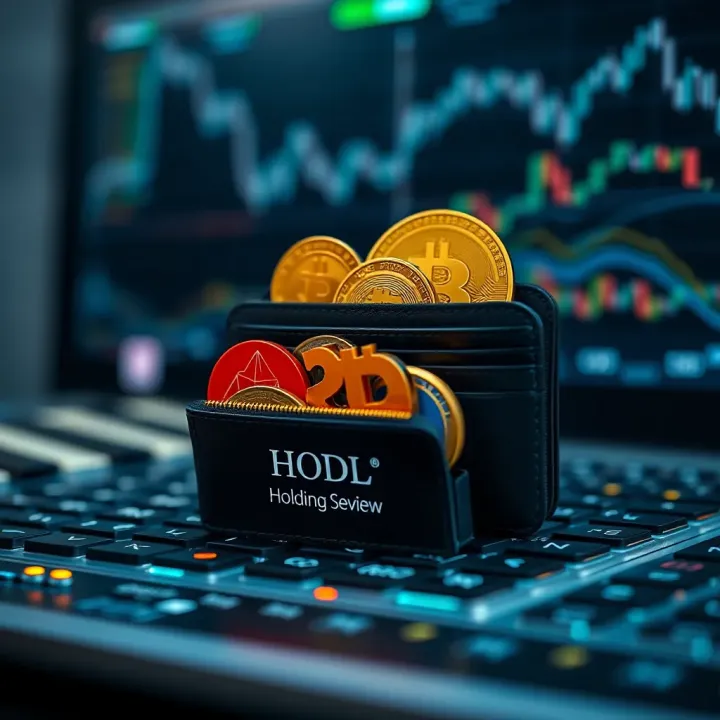
HODLing involves patience and conviction, especially in volatile markets like those we often experience in Nigeria.
Crypto trading in Nigeria faces unique challenges—naira fluctuations, regulatory uncertainties from the Central Bank of Nigeria (CBN), and market speculation. Selling at a loss often results from reacting to short-term price drops or panic caused by negative news. HODL encourages Nigerians to focus on long-term wealth creation rather than quick wins.
Besides, digital investment platforms like Binance, KuCoin, and local ones such as Bundle and BuyCoins make it easier to keep assets safely over time. Holding strategic assets like Bitcoin or Ethereum can serve as a hedge against naira depreciation or inflation.
Think Long-Term: Avoid the trap of selling every time the price dips by following market rumours.
Secure Your Assets: Use cold wallets or trusted exchanges to keep your crypto safe during holding periods.
Plan Exit Points: While HODL means holding, it does not mean ignoring market trends. Set realistic goals to take profits.
Understanding HODL does not mean ignoring risks. Knowing when to sell or cut losses is part of mature investment. However, this disciplined approach has helped many Nigerians grow their crypto portfolio amid market chaos with steady hands and clear plans.
Understanding what HODL means and where it came from forms the foundation for grasping its role in crypto investing. This term reflects a mindset as much as a strategy—one that has guided many traders and investors, especially in volatile markets like Nigeria’s. Clarifying the origins and meaning of HODL helps investors appreciate why holding rather than selling can sometimes be the smarter move.
The basic meaning of HODL is straightforward: it is a deliberate misspelling of „hold,” which emerged from a Bitcoin forum in 2013. Instead of panicking and selling off crypto assets during sharp price drops, HODL urges investors to maintain their position. This attitude is crucial because crypto markets are often subject to rapid swings, and selling at a low may lock in losses rather than allow for potential gains later.
In crypto communities globally, including Nigeria, HODL carries a broader message of patience and conviction. It has become more than just keeping the asset; it emphasises resisting emotional trading driven by fear or hype. For example, during the volatile months of late 2021, many Nigerian investors held onto Bitcoin and Ethereum despite sharp dips, trusting in long-term growth rather than short-term profits.
The term originated from a memorable post on the Bitcoin Talk forum by a user who typed “I AM HODLING” in frustration over a price crash. This typo struck a chord and quickly evolved into a rallying cry among the crypto crowd. It resonated because it encapsulated a practical piece of advice—resist the urge to panic sell when markets get rough.
Over time, HODL spread widely on social media platforms, tweets, and crypto forums, becoming particularly popular in Nigerian crypto circles. Nigeria’s vibrant online communities like Nairaland and Twitter frequently use the term as a badge of honour among seasoned investors. The steady rise of digital currency use in Nigeria has seen HODL adopted as a key strategy by many, especially when naira volatility and inflation push people toward cryptocurrencies as an alternative store of value.
Holding on through the noise requires strong nerves, but HODL reflects a principle many Nigerian investors trust: patience and belief in crypto’s long-term potential pays off.
By tracing HODL’s origins and understanding its meaning, investors can better decide when holding is the best course and how to apply that approach within Nigeria’s unique market conditions.

Many investors choose to HODL their cryptocurrency because they believe in its long-term value and want to shield themselves from short-term market swings. This strategy has found favour not just globally but also in Nigeria, where currency instability and market unpredictability make holding assets a sensible choice.
Investors expect cryptocurrencies like Bitcoin and Ethereum to grow over time, driven by greater adoption, technological advances, and limited supply. For instance, many Nigerian HODLers see Bitcoin as a form of digital gold that can preserve wealth against the naira’s persistent depreciation. Companies and individuals hold their crypto tokens waiting for prices to rise steadily, rather than chasing quick gains. This perspective fits well with Nigeria’s high inflation environment, where holding onto assets perceived to increase in value over years can protect buying power.
Compared to short-term trading, HODLing reduces the stress of timing the market. Short-term trading demands constant attention and expertise to profit from price fluctuations. In contrast, HODLers endure market uncertainties by maintaining their positions over months or years, hoping value compounds. A trader in Lagos juggling a 9-to-5 job might find this less hectic and more practical than frequent trading, which also exposes one to higher transaction costs and tax complications.
Nigeria’s naira enjoys little stability against major currencies, which fuels interest in cryptos as a store of value. Crypto markets themselves are volatile, but HODLers accept this as part of the ride. They know prices can swing wildly on any news or market mood, but the general hope is recovery and long-term appreciation. This mindset helps investors avoid panic selling, especially during the ember months when markets tend to be jittery.
Holding crypto requires emotional and financial discipline. Selling in fear locks in losses, while sticking to your plan can lead to future gains. Nigerian investors who HODL demonstrate resilience by ignoring short-term dips and resisting hype-driven FOMO (fear of missing out). This attitude is critical when faced with daily challenges like power outages or Internet issues that limit timely trading. Exercising patience in such a scenario often proves more profitable than frequent, reactive trades.
Successful HODLing depends on seeing beyond daily price noise and maintaining confidence in the underlying asset’s growth potential.
In sum, HODL appeals to investors who trust crypto’s long-term prospects and prefer a method less vulnerable to emotional trading mistakes. For Nigerians contending with local economic unpredictability, this strategy offers a practical way to participate in the digital economy while managing risk effectively.
When it comes to HODLing cryptocurrency, understanding the risks is just as important as recognising the potential gains. Although holding assets through turbulent times can protect against impulsive decisions, it also exposes investors to certain challenges that need careful attention.
Extended periods of price drops can seriously test even the most patient HODLers. For example, Bitcoin underwent a major slump between late 2017 and early 2019, losing nearly 80% of its value. Investors who bought near the peak and held without exits faced substantial paper losses that lasted for months or even years. In Nigeria, where market liquidity and timely access to funds are crucial due to everyday financial demands, enduring such downturns can strain personal finances greatly.
Liquidity risk is another key concern in the Nigerian context. Sometimes, selling or converting crypto to Nigerian naira quickly is not straightforward, especially during high volatility or when using smaller local exchanges with limited trading volume. This can mean delays or unfavourable prices, making it challenging to access funds urgently when needed. For instance, during periods of naira instability, investors may find it difficult to balance between holding crypto and meeting immediate cash needs without incurring losses.
One downside of HODLing is missing out on profit-taking opportunities. Crypto markets often experience sharp, short-term rallies where smart traders can lock in gains. By holding rigidly through the ups and downs, investors might lose chances to capitalise on favourable price spikes. For example, an active trader in Lagos might sell part of their Ethereum holdings during a rally to pay for everyday expenses or reinvest elsewhere, whereas a strict HODLer misses this flexibility.
Comparing HODLing to active trading or staking highlights different approaches to maximising returns and managing risks. Active trading requires time and expertise but allows investors to exploit market swings and generate more immediate profits. Staking, popular with platforms like Binance and local wallets such as Bundle, offers a way to earn passive income on certain cryptocurrencies without selling. However, staking locks funds for set periods, introducing its own liquidity risks. Balancing HODL with occasional trading or staking can offer a more dynamic strategy, fitting varied Nigerian investor needs depending on their risk appetite, cash flow demands, and market outlook.
In the end, while HODLing can help maintain discipline in volatile markets, it is essential to weigh the risks of price drops, liquidity challenges, and missed opportunities against personal financial needs and investment goals.
HODL plays a significant role in Nigeria’s crypto market, driven by the country’s unique economic landscape. With persistent naira depreciation and inflation pressures, many Nigerian investors turn to HODLing as a hedge against local currency instability. Holding crypto assets long-term offers a way to preserve value despite domestic economic fluctuations, unlike short-term trading which can be risky given market volatility.
Bitcoin remains the frontrunner among Nigerian HODLers due to its global recognition and limited supply. It’s seen as digital gold — a store of value resistant to inflation. Ethereum also commands a strong following because of its role in decentralised finance (DeFi) and smart contracts, considered vital to the evolving blockchain ecosystem. Nigerians often prioritise these two for their known longevity and liquidity, enabling easier conversion when cashing out.
Nigeria’s crypto scene is also witnessing growth in local tokens and platforms tailored to domestic needs. Projects like BuyCoins and Bundle provide Nigerian-themed tokens focused on community support, remittance efficiency, and education. These tokens reflect challenges and opportunities specific to Nigeria, such as cross-border payments and financial inclusion. Investors see potential in these assets alongside major cryptocurrencies, though they require more careful vetting due to higher risks.
Security is paramount for Nigerian HODLers, given risks of hacking and fraud. Many rely on trusted wallets — both software and hardware — that secure private keys locally. Exchanges such as Bundle and Binance offer user-friendly platforms with added security layers like two-factor authentication and withdrawal whitelist controls. These platforms also provide liquidity and seamless naira-to-crypto conversions, essential for entering and exiting positions without hassle.
Successful HODLers in Nigeria often keep a balanced portfolio, mixing crypto with naira cash holdings. This helps manage liquidity needs amidst fluctuating prices and daily expenses. Since power and internet outages remain challenges, holding some funds in fiat ensures access to essentials like fuel for generators or everyday purchases. This balance reduces the risk of forced selling during downturns.
Nigerian investors who combine secure holding methods with prudent portfolio balance stand a better chance at weathering crypto’s ups and downs while benefiting from its growth potential.
In summary, HODL in Nigeria blends global crypto trends with local realities, making it a practical strategy for investors ready to ride volatility with a long-term view.
Understanding how HODL compares to other crypto investment tactics helps investors pick a strategy that fits their goals, risk appetite, and lifestyle. While HODL involves holding assets over a long time regardless of price swings, other strategies like active trading or hybrid approaches offer different exposure levels to market gains and risks. Nigerian investors, navigating forex fluctuations and economic uncertainties, need to weigh practical benefits and downsides before committing.
Active trading means buying and selling cryptocurrencies within short periods to benefit from price changes. This method can generate quick profits but requires constant market monitoring and solid technical skills. Traders need to keep an eye on platforms like Binance or Luno and understand chart patterns or news impacts, which might not be feasible for everyone. The drawback is the risk of losses from wrong timing, plus transaction fees can eat into earnings over many trades.
On the other hand, holding—or HODLing—asks investors to keep their crypto assets through ups and downs, betting on long-term growth. This approach avoids the stress and costs tied to frequent trades, but patience is key since prices can stay low for extended times. For instance, a Bitcoin HODLer in Nigeria in 2018 faced several years of slow price recovery but eventually saw substantial returns by late 2023.
Active trading generally suits investors who can dedicate time, handle volatility well, and want faster gains. These might include retail traders in Lagos who check market trends daily or professionals with access to technical tools and research. Meanwhile, HODL fits individuals preferring a "buy and relax" approach, such as those saving towards long-term goals like funding their children's education or retirement.
Many savvy Nigerian investors combine HODL with other tactics, forming a diversified portfolio. This means holding core assets like Bitcoin or Ethereum long-term while also allocating smaller portions to short-term trades or newer tokens. Such a mix spreads risk and offers multiple income paths. For example, an investor might HODL ₦500,000 worth of Bitcoin but also trade ₦100,000 in altcoins or use newer DeFi tokens selectively.
Besides trading, staking and yield farming provide ways to earn passive income on crypto holdings without selling. Staking involves locking up coins on networks like Cardano or Binance Smart Chain to validate transactions and earn rewards. Yield farming lets users lend or provide liquidity to decentralized platforms for interest or fees. Both require understanding smart contracts and risks but can supplement HODL's benefits by generating returns during market lulls.
Combining HODL with active methods and DeFi opportunities can cushion Nigerian investors from prolonged bear markets, increase portfolio resilience, and unlock extra profits.
Balancing between these strategies demands careful planning, ongoing learning, and awareness of security risks. However, a well-structured hybrid approach can help investors in Nigeria make the most of the volatile yet promising cryptocurrency environment.
Explore Aquafunded 🌊: what it is, how it works, and its impact on water management and sustainability in Nigeria, including key benefits and challenges.

Explore how trade accounts help Nigerian businesses manage purchases, credit terms, and supplier ties effectively. Learn types, benefits, and tips to keep your trade credit solid 📊📦
Discover how trading brokers connect Nigerian traders to markets, their key services, account types, useful tips, and local regulations to trade smarter 💹📊
Explore Squared Financial's unique trading and investment services in Nigeria's market 📊. Learn about its products, regulation, and practical platform tips 💡.
Based on 10 reviews