

Understanding OlympTrade for Nigerian Traders
Explore OlympTrade's trading options, registration steps, payment methods, and risks. Perfect guide for Nigerian traders aiming to grow with smart investments 📈💰.
Edited By
Isabella Clarke
Online trading has steadily gained popularity among Nigerians, especially with the rise of platforms offering access to forex, commodities, and indices markets. One such platform is Deriv, known for providing derivative trading services through well-structured accounts adapted to different trading needs. Understanding what a Deriv account offers is essential for traders who want to participate in these markets without falling into common pitfalls.
A Deriv account acts as your gateway to trading various financial instruments like forex pairs, gold, oil, and stock indices through derivatives contracts. These accounts come in different types designed to cater to beginners through to experienced traders, including options like synthetic indices that simulate market movements 24/7, which is especially useful in the Nigerian context due to local exchange limitations.
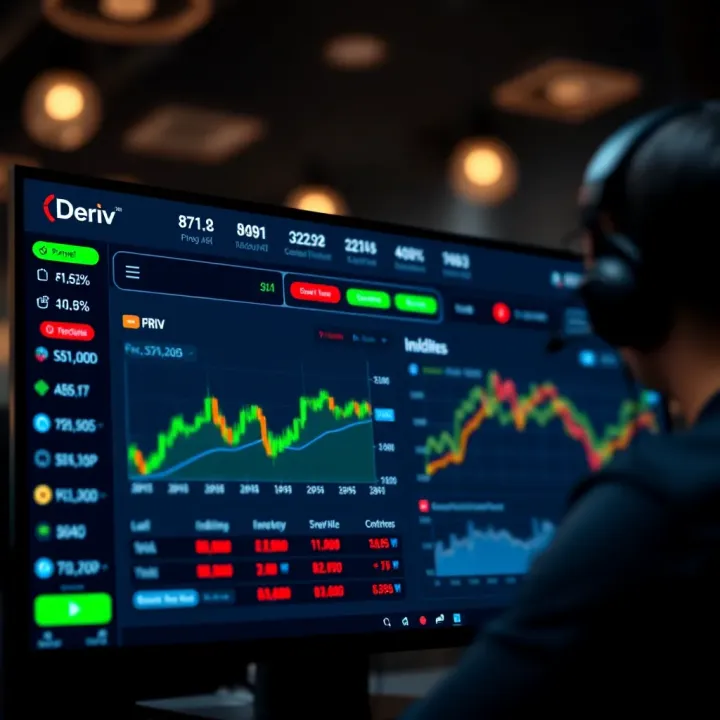
Opening a Deriv account requires straightforward steps: verifying your identity with valid Nigerian identification (for example, your National Identity Number or driver's licence), linking your preferred funding method, and choosing the account type that best suits your trading strategy. Nigerian traders can fund these accounts through local banks or fintech services like Paystack or Flutterwave, which enable smooth naira deposits via card or bank transfer.
Traders should always verify the security features and regulatory status of their Deriv account to avoid scams or unauthorised access, given the frequency of cyber fraud in online trading globally and locally.
Managing your Deriv account involves monitoring trades carefully, understanding margin requirements, and keeping track of open positions to avoid sudden losses. Since derivatives trading carries a high level of risk due to leverage, Nigerian traders must know how to use stop losses effectively and never risk more capital than they can afford to lose.
In brief, a Deriv account is a practical tool for Nigerians seeking exposure to global markets beyond the Nigerian Stock Exchange (NGX). However, success depends on knowledge of the account types, funding channels, risk management, and staying compliant with Nigerian regulations from bodies like the Securities and Exchange Commission (SEC) and the Central Bank of Nigeria (CBN). This article will walk you through all these aspects step by step to help you trade smartly and safely.
Understanding Deriv accounts is essential for Nigerian traders who want to tap into online trading beyond traditional stock markets. These accounts provide the gateway to trade a range of financial instruments like forex, commodities, and indices with relative ease. Deriv accounts serve as digital wallets and trading platforms rolled into one, enabling users to enter markets globally without physically travelling or visiting banks.
The practical benefit is clear: with a properly set-up Deriv account, Nigerian traders can diversify their investment portfolios and explore markets that were once challenging due to regulatory or logistical barriers. For example, a small-scale trader in Lagos can access commodities like gold or indices like the US500 through a Deriv account, using a smartphone or PC. This opens up new income streams, especially when naira faces volatility and local investment options seem limited.
A Deriv account is an online trading account hosted on Deriv’s platform, designed for derivatives trading. In essence, it allows traders to speculate on price movements of assets without owning the underlying asset itself. The core functions include depositing funds, placing trades, monitoring market activity, and withdrawing profits. Registration is straightforward, typically requiring verification documents such as Nigerian National Identification Number (NIN) and Bank Verification Number (BVN) to meet compliance standards.
The importance lies in its accessibility. Unlike formal equity accounts, Deriv accounts often have lower entry barriers, making them appealing for both novice and experienced traders in Nigeria. The platform offers various tools for analysis and trading control, empowering users to make informed decisions and manage risks effectively.
Traders with Deriv accounts typically deal with forex pairs such as USD/NGN, EUR/USD, or GBP/USD, which are highly liquid and offer regular opportunities due to constant price changes. Commodities like gold and oil futures are also common, providing diversification beyond currency trading. Additionally, synthetic indices—unique to Deriv—simulate real market volatility around the clock, enabling Nigerians to trade even when global markets close.
This variety matters because traders can choose instruments aligned with their risk appetite and market familiarity. A trader expecting naira’s weakening might focus on forex pairs, while someone interested in global economic trends could try commodities or synthetic indices. The platform’s instruments cater to different strategies, from short-term scalping to longer-term positions, based on individual preferences.
Accessing global financial markets directly has traditionally been challenging for many Nigerian traders due to lack of infrastructure or regulatory restrictions. Deriv accounts remove these roadblocks by offering a digital entry point. Through these accounts, Nigerians gain exposure to markets in the US, Europe, and Asia without costly intermediaries or foreign bank accounts.
This global access is especially valuable amid Nigeria’s changing economic landscape. For example, during periods of naira depreciation, having a Deriv account allows traders to speculate on forex or hedge positions to mitigate losses. Also, this opens opportunities to participate in global events like oil price shocks or US Federal Reserve announcements, which directly impact Nigerian markets and individual portfolios.
Nigerian traders can explore forex trading for its liquidity and relatively predictable patterns influenced by macroeconomic data. Commodity trading, such as gold—often considered a safe haven—lets traders hedge against local currency volatility. Synthetic indices, meanwhile, offer unique 24/7 trading opportunities by mimicking real market movements, creating chances even during off-market hours.
For instance, a trader in Abuja might use synthetic indices during the night or weekends when normal stock exchanges are closed, keeping active and potentially profiting without waiting. These instruments also come with different risk and reward profiles, which means traders can tailor their strategies within a single Deriv account, gaining flexibility without complicating their setups.
Opening a Deriv account is not just about trading; it's a strategic move to diversify income sources, stay connected with global markets, and gain flexibility in managing financial risks from Nigeria's unique economic conditions.
By understanding these fundamentals, Nigerian traders position themselves better to make smart decisions in online trading, using Deriv accounts as practical tools rather than mere speculative avenues.
Selecting the right Deriv account suits a trader’s experience and goals. This section explains the different types of accounts available and how traders in Nigeria can make informed choices based on their needs. Each account type offers specific features that affect how you trade, manage funds, and deal with risks.
Demo accounts serve as risk-free platforms for beginners to practice trading without using real money. They replicate live market conditions, allowing traders to experiment with forex, commodities, or indices on Deriv without fear of loss. This helps Nigerian traders understand market dynamics and test strategies before committing real funds.
To use demo accounts effectively, treat them as seriously as real trading. Avoid reckless trades just because no actual money is involved. Focus on learning how to read charts, place orders correctly, and manage virtual funds. By simulating real trading scenarios severally, you build the confidence and skills necessary for live trading.

Standard real trading accounts on Deriv allow users to trade with actual money. These accounts give access to a variety of markets—from forex pairs to commodities and synthetic indices. Features typically include live pricing, real-time execution, and access to trading tools essential for making quick decisions.
Variations among real accounts exist depending on the instrument traded. For instance, forex trading accounts may have different spreads and leverage compared to commodities or indices accounts. This affects potential profits and losses, so understanding which account matches your preferred instrument is important.
Leverage and margin are critical components of real accounts. Leverage allows you to control a larger trade size with a smaller deposit, but it comes with higher risk. Nigeria’s traders must assess their risk appetite carefully because while leverage can magnify gains, it can also increase losses rapidly if the market moves against you.
Deriv offers specialised accounts such as options and multipliers. Options accounts give traders the right—not obligation—to buy or sell assets at set prices within a time frame. This suits Nigerians who prefer strategic plays with defined risk exposure.
Multiplier accounts, on the other hand, let you multiply your returns based on your stake and leverage chosen. It’s a way to amplify potential profits (and losses) on short-term trades, appealing to more experienced traders who actively manage positions.
Some accounts are designed for specific strategies like scalping or hedging. These tailored accounts provide features that complement such tactics, for example, lower spreads for scalping or flexible order types for hedging. Choosing these depends on your trading style and risk management approach.
Knowing your account type helps optimise trading experience. Always align it with your goals, risk tolerance, and the instruments you want to trade.
Setting up and properly managing a Deriv account is a key step for Nigerian traders eager to access global financial markets. It ensures they start trading on the right footing, securely handling funds while navigating local regulatory requirements. The process covers registration, funding, withdrawal, and safety practices—each vital to avoid common pitfalls like delays, unauthorized access, or unnecessary fees.
Nigerian traders must provide certain identification documents when opening a Deriv account to meet Know Your Customer (KYC) and anti-money laundering (AML) regulations. Standard requirements usually include the National Identification Number (NIN) issued by NIMC and Bank Verification Number (BVN). These ensure your account is verified properly, reducing the risk of fraud that unfortunately affects many trading platforms.
The account creation process itself is straightforward. First, visit the Deriv website and sign up by filling a form with your email, phone number, and personal details. Upload scanned copies of valid ID such as your National ID card or international passport, plus proof of address like a recent utility bill. After submitting these, you wait for approval, which can take from a few hours to 24 hours depending on verification loads. Once approved, you can access your account dashboard and begin funding.
In Nigeria, funding your Deriv account involves several convenient payment methods. Bank transfers remain popular, especially through internet banking or USSD codes from banks like GTBank, Access Bank, or Zenith. E-wallets such as OPay and Flutterwave also provide fast funding options, often with lower fees and near-instant processing.
Currency exchanges matter significantly since your local naira deposits might convert to US dollars or euros depending on the trading instrument. Conversion fees vary by payment provider, so it helps to compare rates to avoid losing a chunk upfront. For example, sending ₦100,000 via one platform might cost more than another due to hidden charges.
Withdrawals follow a similar path but usually take longer, often from 1 to 3 business days depending on the payment method and verification status. Nigerian traders should check withdrawal limits and ensure all withdrawal details match registered bank accounts to prevent delays.
Strong password practices are essential for protecting Deriv accounts. Use a combination of uppercase letters, numbers, and symbols, avoiding easy guesses like names or birthdays. Changing passwords every few months enhances security, especially if you use the same details elsewhere online.
Two-factor authentication (2FA) adds a critical layer by requiring a second verification step, usually via an authenticator app or SMS code. This means even if someone steals your password, they won’t easily access your account without the second verification.
Finally, Nigerian traders must be vigilant against scams and phishing attempts—fake emails or links pretending to be from Deriv. Never share your login details or one-time codes with anyone. Verify all communication by checking sender addresses and contacting customer support directly if unsure. Many scams target traders during ember months when online activity spikes.
Keeping your Deriv account secure and properly managed reduces risks significantly and lets you focus on trading opportunities without unnecessary worry. Follow verified procedures closely and always stay alert to new security threats.
Trading on Deriv platforms opens doors to global markets, but it also comes with risks that Nigerian traders must understand. Being aware of these risks and the regulatory environment helps you make smarter decisions, protect your capital, and stay compliant with Nigerian laws.
Financial markets, especially those involving forex, commodities, and synthetic indices, can swing wildly in short periods. This volatility can mean high profits or sudden losses. When traders use leverage — borrowing money to increase their trading position — even small market moves get magnified. For example, a 1% drop in the price may lead to a 10% loss if a 10:1 leverage is used. Leverage can boost gains but just as quickly escalate losses, potentially wiping out your investment or more.
Unlike fixed investments like government bonds, trading derivatives through a Deriv account means you're exposed directly to market fluctuations. Losses are not just theoretical but real money leaving your pocket. It's common for beginners to underestimate this risk and get carried away with large trades. For instance, trading volatile currency pairs like GBP/USD without proper research can quickly drain a small trading balance of ₦50,000. Knowing this helps traders prepare mentally and financially for unpredictable outcomes.
Effective risk management is critical to surviving and thriving in trading. Nigerian traders should consistently set stop-loss and take-profit points to limit losses and lock in gains. Diversifying your trades across different instruments can reduce exposure to one market’s swings. Starting with small trade sizes allows learning without heavy capital drain. Journaling trades to review what works also sharpens decision-making over time. Simply put, risk management turns gambling into calculated trading.
Regulatory bodies like the Securities and Exchange Commission (SEC) and the Central Bank of Nigeria (CBN) oversee trading activities in Nigeria. Their job is to ensure fairness, transparency, and protection against fraudulent schemes. For example, the SEC regulates stockbrokers and some derivatives brokers, while the CBN controls forex policies. Understanding their roles helps traders identify legal avenues and avoid unauthorised operators.
Forex and derivatives trading is generally legal in Nigeria, but it must comply with local laws and regulations. Using licensed brokers who follow CBN guidelines reduces exposure to scams and legal troubles. Illegal operators may offer attractive returns but pose great risks to your funds. For instance, the CBN sometimes restricts direct forex access to individuals but permits trading through registered platforms. Hence, stay updated on policy changes and trade only on compliant platforms.
Before committing funds, Nigerian traders should verify a Deriv platform’s credibility. Check if the broker is registered with the SEC or CBN, look for clear contact information and transparent terms of service. Review user feedback from trusted Nigerian financial forums or social media groups. Also, platforms that comply with Know Your Customer (KYC) rules and offer secure payment methods tend to be more reliable. Taking these steps protects you from scams and ensures your trading experience stays smooth.
Knowing the risks and navigating the regulatory landscape helps Nigerian traders to shield their investments and trade confidently with Deriv accounts.
Trading with a Deriv account demands more than just placing orders; it requires a blend of strategy, understanding, and discipline. Practical tips can sharpen your approach, helping you navigate the markets wisely and protect your capital. Whether you’re dealing in forex, commodities, or synthetic indices, learning to use your platform’s features and managing risks properly makes the difference between steady gains and heavy losses.
Your comfort with risk should shape which trading instruments you select. For instance, if you prefer steady, less volatile markets, commodities like gold might suit you better than more unpredictable forex pairs. On the other hand, if you’re willing to accept bigger swings for the chance of faster profits, currency pairs such as USD/NGN or synthetic indices drawn from volatile markets could match your appetite. Understanding this helps you avoid frustration and preserves your fund.
Volatility measures how much an asset’s price moves within a period. High volatility means bigger price jumps and falls, which can translate to larger profits but also heavier losses. Take synthetic indices, for example, known for their rapid price changes; they require swift decision-making but offer frequent trading chances. Conversely, some commodities can be more stable but less exciting. Knowing how volatility influences your trading can guide your entry and exit points effectively.
Deriv platforms come equipped with charting tools that offer visual insight into price trends. Technical indicators such as Moving Averages or the Relative Strength Index (RSI) help identify market momentum and potential turning points. For example, spotting a crossover in moving averages could signal a buy or sell opportunity. These tools provide data-backed clues rather than guesses, improving your timing and efficiency.
Keeping an eye on financial news is just as crucial as technical analysis. Events like Central Bank of Nigeria (CBN) policy announcements or global economic shifts can sway markets sharply. Deriv platforms often include news feeds and market summaries. Using these helps you anticipate volatility and adjust your strategy—such as avoiding trades during major announcements that might spike spreads or trigger slippage.
Controlling losses is essential, and stop-loss orders do this by automatically closing a trade if the price moves against you beyond a set level. Similarly, take-profit points lock in gains once a target price is hit. For example, if trading USD/NGN, setting a stop-loss at ±1% of your entry price helps limit loss while a take-profit at ±3% secures reasonable gains. These strategies remove emotion and safeguard your funds during unexpected swings.
When trying out a new trading approach, it’s wise to start with small stakes. This way, you can see how your strategy performs with real money but minimal risk. Suppose you try commodity trading on Deriv; limit your initial investment to a fraction of your total capital. This cautious method allows learning through experience without jeopardising your entire fund, giving confidence as you scale up deliberately.
Successful trading isn’t about taking wild risks; it’s about consistent, well-informed actions that protect your capital while harnessing market opportunities.
Applying these practical tips will help Nigerian traders use their Deriv accounts wisely and effectively.
Explore OlympTrade's trading options, registration steps, payment methods, and risks. Perfect guide for Nigerian traders aiming to grow with smart investments 📈💰.
Explore Binary.com trading in Nigeria 🇳🇬: setup, security tips, and trading types. Get ready to trade smarter with practical advice and insights! 💼📊

📊 Compare TradingView and Deriv.com to find the best trading platform for Nigerian traders. Discover tools, features, and support for smarter trading decisions!

Discover how traders trust shapes business in Nigeria 🛒. Learn key tips to build loyalty, keep your reputation strong, and survive market challenges with confidence 🔑.
Based on 6 reviews