

Asian Forex Session Hours for Nigerian Traders
Explore Asian Forex session timing ⏰ in Nigeria 🇳🇬 to trade smart. Learn trading hours, market trends & strategies for best results 📈
Edited By
Olivia Edwards
For traders based in Nigeria, understanding the Tokyo forex session timing is essential for making smart trading decisions. The Tokyo session is one of the four major forex market hours globally and is known for its unique market behaviour. Unlike the London or New York sessions, Tokyo sets the tone for Asian currencies like the Japanese yen (JPY), and it often influences price moves that can carry into later European or US sessions.
Nigeria operates on West Africa Time (WAT), which is one hour ahead of Coordinated Universal Time (UTC+1). On the other hand, Tokyo works on Japan Standard Time (JST), which is UTC+9. This means the Tokyo forex session runs roughly from 12 am to 9 am Nigerian time, depending on daylight saving changes elsewhere — although Japan itself does not observe daylight saving.

The Tokyo forex session begins just when most Nigerian traders might be preparing to sleep, but it offers opportunities to catch early market trends, especially in yen-related pairs.
Here’s a quick breakdown of the Tokyo session hours converted to Nigerian time:
Tokyo opens at 9:00 am JST — this is 12:00 am (midnight) WAT
Tokyo closes at 6:00 pm JST — this is 9:00 am WAT
For example, if you trade USD/JPY or EUR/JPY pairs, this window is when liquidity tends to rise, and price movements can be substantial. In contrast, during this time, other major markets like London or New York are closed or just about to open, so expect reduced activity on pairs involving currencies like GBP or USD.
Understanding these timings helps you configure your trading platforms and schedule your strategies better. Nigerian traders, especially those handling swing or day trades, can use this knowledge to avoid illiquid periods and improve trade timing.
While the Tokyo session might feel less active compared to London or New York, it offers its own set of patterns worth studying. For instance, volatility during Tokyo overlaps with Sydney session for a couple of hours, which can reveal certain price behaviours. Knowing this can help traders avoid unnecessary risks during off-peak hours.
Trading during Tokyo Forex hours also means being mindful of economic releases from Japan and other Asia-Pacific countries, which mostly occur early in Nigerian time. Staying updated on events like Bank of Japan announcements can significantly impact your strategy.
Converting Tokyo trading hours accurately to Nigerian time
Knowing when and how yen-pairs behave
Recognising overlaps with other major sessions for better trade decisions
Aligning your trading schedule with market activity and economic news
This knowledge is a foundation for any trader or investor looking to navigate global forex markets effectively from Nigeria.
The Tokyo forex session is one of the four major market hours in the global foreign exchange market. Understanding its timing and characteristics is essential for Nigerian traders aiming to optimise their strategies and tap into specific market moves. Unlike the London or New York sessions, Tokyo represents Asia's largest financial centre’s active hours, which influence trading pairs involving the Japanese yen and other Asian currencies.
The Tokyo session typically runs from 9:00 am to 6:00 pm Japan Standard Time (JST). This timeframe coincides with the official business hours of Tokyo's financial institutions, including the Bank of Japan and major commercial banks. The session overlaps slightly with other Asian markets, such as Hong Kong and Singapore. For Nigerian traders, recognising this session means adjusting for the time difference between Japan and Nigeria—currently 8 hours ahead (JST is UTC+9, while Nigeria follows West Africa Time, UTC+1).
What really marks the Tokyo session is its active participation in currencies like the Japanese yen (JPY), Australian dollar (AUD), and New Zealand dollar (NZD). Trades and trends initiated during this time often set the tone for Asian market sentiment before the London session opens.
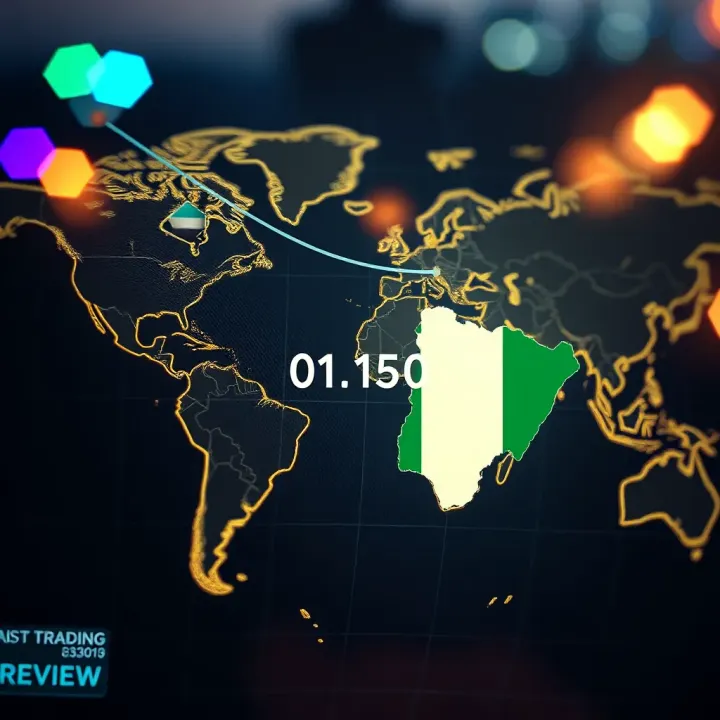
Liquidity during the Tokyo session is generally lower compared to the London or New York sessions but picks up significantly around the early hours as major banks open. The trading volume shows a steady flow, especially in yen pairs such as USD/JPY and EUR/JPY. Price movements may not be as volatile as the later sessions, but they are steadier and can offer opportunities for range-bound or trend-following strategies.
One distinct feature is how geopolitical and economic news releases from Japan and other Asian economies affect the market. For example, announcements by the Bank of Japan or GDP numbers from China might cause sharp movements during these hours.
For Nigerian traders, knowing these characteristics means having a clear edge: focusing on specific pairs active in Tokyo hours, managing risk during quieter periods, and preparing for sudden swings on key economic data releases.
In practice, understanding when and how the Tokyo session functions allows traders to avoid inactivity during less favourable timings and adjust their trading windows to when the market is most receptive to their strategies. For example, a trader focusing on yen might prefer trading between 1:00 am and 6:00 am Nigerian time, aligning with Tokyo’s open hours.
By grasping the basics of the Tokyo forex session and its key features, Nigerian traders can better position themselves to capitalise on Asian market movements and complement their overall trading approach across global sessions.
Knowing how to convert Tokyo forex trading hours to Nigerian local time is essential for traders aiming to catch the Tokyo session accurately. This clarity allows Nigerian traders to plan their day around active forex periods, capitalising on liquidity and volatility that the Tokyo market typically brings.
Tokyo operates on Japan Standard Time (JST), which is 9 hours ahead of Coordinated Universal Time (UTC+9), while Nigeria follows West Africa Time (WAT), which is UTC+1. This means Tokyo is typically 8 hours ahead of Nigerian time. However, since Nigeria does not observe daylight saving time, the time difference remains stable year-round, making it easier to keep track without seasonal adjustments.
For instance, when it is 9:00 am in Tokyo, it is 1:00 am the same day in Nigeria. Understanding this eight-hour gap is vital because it translates Tokyo’s market opening and closing times to Nigerian hours, ensuring Nigerian traders do not miss key trading windows.
The Tokyo forex session officially runs from 9:00 am to 6:00 pm JST. Converting this to Nigerian time means the session starts at 1:00 am and closes by 10:00 am WAT. Nigerian traders looking to actively trade the Tokyo session should therefore prepare for early morning trading activities.
Tokyo session start: 9:00 am JST → 1:00 am WAT
Tokyo session close: 6:00 pm JST → 10:00 am WAT
Considering these hours, many Nigerian traders stay awake or start their trading day early to catch the initial liquidity surge. For example, if a trader wants to react to important market news released in Tokyo or Japan, being active by 1:00 am Nigerian time is critical.
Traders should also note that currency pairs like USD/JPY and EUR/JPY tend to be most active during these hours, offering better spreads and smoother execution.
To sum up, converting Tokyo forex session hours into Nigerian time is not just about clock-watching—it’s a strategic step that aligns your trading schedule with market movements. Setting alarms or scheduling trades around these hours will help optimise your chances of profiting from the Tokyo forex session’s unique market dynamics.
The Tokyo forex session plays a significant role in the global currency market, particularly due to its position following the Asian markets. It sets the tone for the day's trading, often influencing market direction long before European or American sessions begin. For Nigerian traders, understanding the Tokyo session’s impact is crucial because it affects the liquidity and volatility of key currency pairs, especially those involving the Japanese yen and other Asian currencies.
During the Tokyo session, market activity tends to pick up from around 12 am to 9 am Nigerian time, aligning with the Japanese business day. Liquidity in this period tends to be moderate compared to the overlapping London and New York hours but remains steady enough to present profitable trading opportunities. Banks, financial institutions, and corporate traders in Tokyo engage heavily in the forex market, creating sizeable volume, especially in the morning hours.
For example, the liquidity spike often results in tighter spreads on yen pairs, which can benefit traders looking for lower transaction costs. However, the session's volume is less than the combined London-New York overlap, so traders should be aware of potential gaps and lower activity in late Tokyo hours.
Certain currency pairs experience heightened volatility and trading volume during the Tokyo session. The Japanese yen (JPY) pairs, such as USD/JPY, EUR/JPY, and AUD/JPY, are particularly active. This activity reflects Japan's significant role in the Asian economy and the operations of local banks and corporations.
Besides yen pairs, other Asian currencies like the Australian dollar (AUD) and New Zealand dollar (NZD) also see increased movement. For instance, pairs like AUD/USD and NZD/USD often experience price swings as traders respond to regional economic data releases and market sentiment during Tokyo hours.
Tip for Nigerian Traders: Keep an eye on economic indicators released from Japan and Australia early in the session, such as bank rate decisions or employment figures. These events can trigger sharp moves in related currency pairs, offering well-timed entry and exit points.
In summary, the Tokyo session offers a unique trading window distinct from European and US markets. While liquidity is lower compared to those sessions, the activity around Asian currency pairs presents specific opportunities. Nigerian traders who grasp the timing and typical behaviour in this session can better position themselves to exploit regional market trends and volatility.
The Tokyo forex session offers several advantages for Nigerian traders, especially given the active trading hours that overlap with Nigeria's early morning. Understanding this session's timing and characteristics can help local traders tap into unique market dynamics. One clear benefit is the availability of less volatile trading compared to the London or New York sessions, making it ideal for conservative strategies. Moreover, the Tokyo session drives significant movements in Asian currencies like the Japanese yen (JPY) and Australian dollar (AUD), presenting specific trading opportunities.
The Tokyo session typically sees moderate market volatility, creating favourable conditions for range-bound strategies. Nigerian traders can profit through breakout trades around significant support or resistance levels, especially for JPY-related pairs such as USD/JPY or EUR/JPY. Since the market tends to be calmer during Tokyo hours, scalping strategies also become viable, where small price movements are exploited for quick gains. For example, a trader in Lagos waking up early can monitor the Tokyo-session open around 12:00 am WAT to catch initial market gaps and momentum.
Another approach is focusing on carry trades during this session. Traders can capitalise on lower interest rates in Japan by borrowing in JPY and investing in higher-yield currencies. This works well when market conditions promote steady trends, which often appear during the Asian session's quieter hours.
While the Tokyo session generally experiences lower volatility, risk remains, particularly during economic releases from Japan and nearby Asian economies. Nigerian traders should monitor scheduled news events using calendars from platforms like Bloomberg or Forex Factory to avoid sudden price swings. Maintaining tighter stop-loss orders helps protect investments during unexpected volatility spikes.
Additionally, liquidity tends to be lower in early Tokyo hours before major banks fully engage, which can widen spreads and affect trade execution. Traders must factor this in, avoiding large position sizes at market open to reduce slippage. Using limit orders rather than market orders can also help control entry and exit prices.
For Nigerian traders, the real edge lies in timing trades to align with Tokyo session peaks while cautiously managing exposure to risk from overnight news or thin market conditions.
In summary, by adopting strategies that fit Tokyo’s typical market behaviour and applying strict risk controls, Nigerian traders can make the most of this forex session. Combining these practices with a solid understanding of currency fundamentals and technical setups raises the chance of consistent profits during Tokyo hours.
Explore Asian Forex session timing ⏰ in Nigeria 🇳🇬 to trade smart. Learn trading hours, market trends & strategies for best results 📈
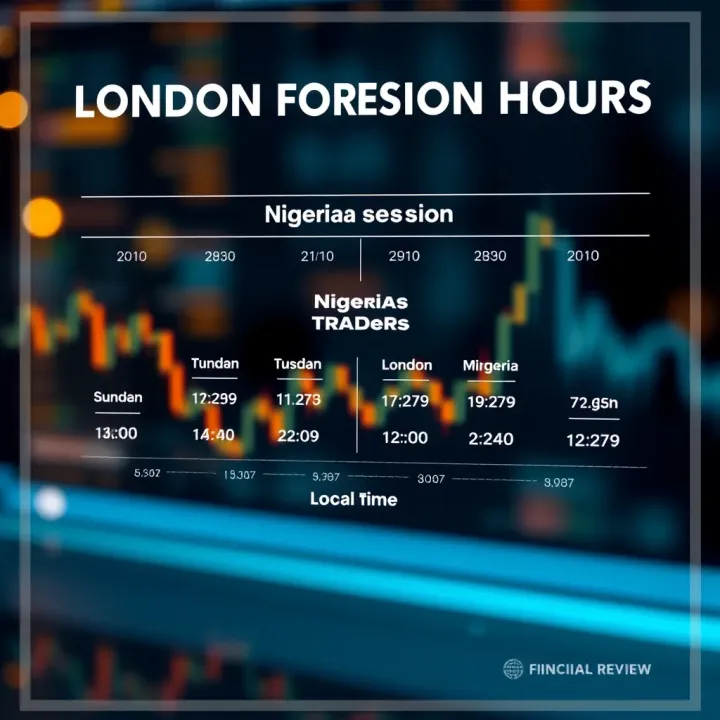
📈 Know the London Forex session hours in Nigerian time, spot overlaps with other markets, and get practical tips to optimize your trading schedule effectively.
Discover how to pick the best forex broker in Nigeria 🇳🇬 with tips on regulation, platforms, fees, support, and avoiding common mistakes 📈💡
Discover the best time to trade forex in Nigeria ⏰, balancing global market hours with local challenges like power cuts and internet speed to maximise profits 💹.
Based on 13 reviews