
Understanding Margin in Forex Trading
📈 Learn how margin lets Nigerian forex traders control big trades with less money. Understand margin rules, avoid risks, and trade smarter today!
Edited By
Charlotte Ellis
Fair Value Gap (FVG) is a term that's steadily gaining traction among Nigerian forex traders. Simply put, FVG refers to a price gap left on the chart when the market moves swiftly without fully filling in the previous price levels. This gap often represents an imbalance between buyers and sellers, signalling areas where price might react again.
Understanding FVG can significantly improve your price action analysis. When traders spot these gaps, they gain insight into potential support or resistance zones, which helps in predicting reversals or trend continuations. For instance, if the price suddenly jumps from ₦420 to ₦430 in a currency pair without trading at intermediate levels, the missing segment becomes an FVG. Later, traders watch that zone expecting price to revisit it before moving further.
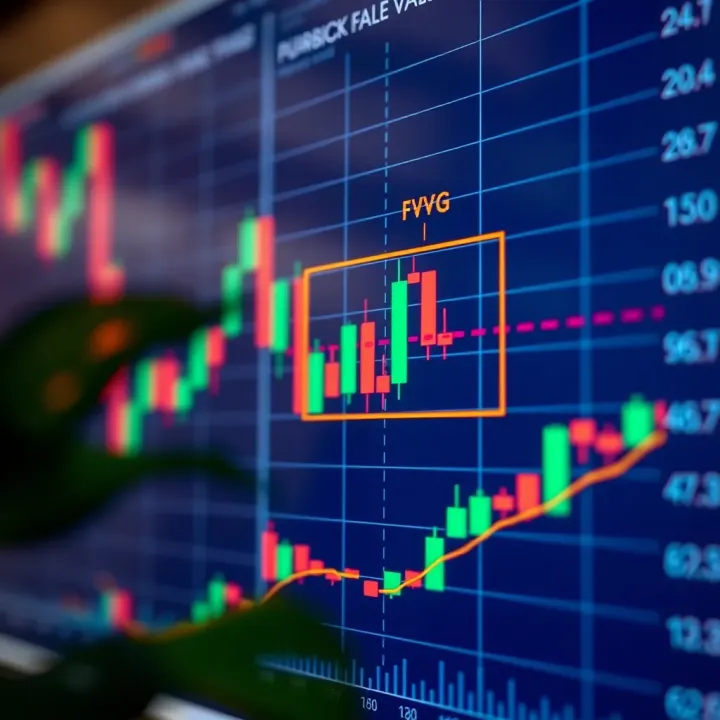
This concept isn't just academic; it finds real application in Nigerian forex trading. Given the volatility in FX pairs, especially involving the naira and major currencies like the dollar or euro, recognising FVG helps you spot high-probability entries or exits. For example, during periods of dollar scarcity when the naira weakens fast, price may leave pronounced gaps as liquidity dries up, presenting sharp FVGs to watch.
Here are practical points to keep in mind:
Identification: Look for wide, empty price ranges on your candlestick charts where no trades occurred. These appear mostly after rapid price swings.
Trading use: Use FVG zones as potential entry points after price retraces. Confirm with other tools like volume, RSI, or moving averages to avoid false signals.
Risk management: Never rely solely on FVG. Set stop-loss around these zones because market conditions can shift fast, especially with naira volatility and policy changes.
Getting comfortable with FVG can raise your trading edge, especially when paired with local market understanding and disciplined execution. It's a valuable tool for both novice and experienced traders who want to make better decisions in Nigeria's forex scene.
In the next sections, we'll break down how to identify FVG in various forex platforms commonly used in Nigeria and explore strategies tailored for our market conditions.
Fair Value Gap (FVG) is a concept that helps Forex traders understand sudden price jumps or gaps in market charts. For Nigerian investors navigating forex markets, recognising FVG can reveal moments when prices ignore some trading activity, creating potential trading signals. Understanding FVG allows traders to anticipate price corrections or continuation moves, improving trade timing and risk management in a market where volatility can be quite high.
Price gaps occur when the market price jumps between two levels without intermediate trades, often visible on candlestick charts as empty spaces. These gaps happen because of abrupt changes in supply-demand dynamics — for example, when news from the Central Bank of Nigeria (CBN) or unexpected global events prompt quick shifts. In practical terms, a gap means that some prices were skipped, leaving a void where buying or selling orders were scarce.
Fair Value Gap refers specifically to those price gaps that represent a temporary imbalance between buyers and sellers. Unlike typical gaps seen in stock markets that happen overnight, Forex gaps often appear within active trading hours, especially during major news releases or liquidity shifts. Nigerian traders who know to spot and measure these gaps can position their trades to catch price moves as the market 'fills' these gaps, which often happens as traders adjust to the new market reality.
Unlike breakaway or exhaustion gaps — which signal strong market shifts or trend reversals — FVG is characterised by price imbalances without necessarily triggering big trend changes. It is more subtle but useful for price action traders because it highlights areas where price has moved too quickly, and the market usually returns to test those levels.
For instance, a sudden jump in NGN/USD due to policy change might leave a Fair Value Gap on the chart. Traders then watch how the price reacts when it returns to that gap area to decide if a reversal or continuation trade is viable. This differs from runaway gaps, which signal strong momentum, and common gaps, which may not have significant trading implications.
The presence of an FVG helps traders anticipate price movement and volatility. Prices often revisit these gaps to 'balance' supply and demand, providing smart entry points. Nigerian forex markets can be quite volatile, especially with news affecting naira pairs, so knowing where FVGs exist helps you avoid chasing price spikes or entering trades too late.
Understanding FVG can turn volatile movements into opportunities by signalling where price corrections may occur, ultimately guiding better trade entries and exits.
FVG also reflects market imbalances and order flow inefficiencies. In Forex, every order placed affects price, but when gaps appear, it means there was a sudden lack of orders in a range. Nigerian traders who follow order flow concepts can use FVG to spot these imbalances, indicating potential areas where institutional players might enter to fill orders, influencing price direction.
By recognising FVG, investors stay ahead in managing their trades, especially in Nigeria's forex sessions where market liquidity can vary significantly. This insight complements other technical tools to craft a fuller picture of market behaviour.
Spotting Fair Value Gaps (FVG) on forex charts is essential for traders aiming to understand sudden price shifts and potential market imbalances. Recognising these gaps allows investors to anticipate price corrections or continuations, which is especially valuable in the volatile environment of currency pairs like NGN/USD.
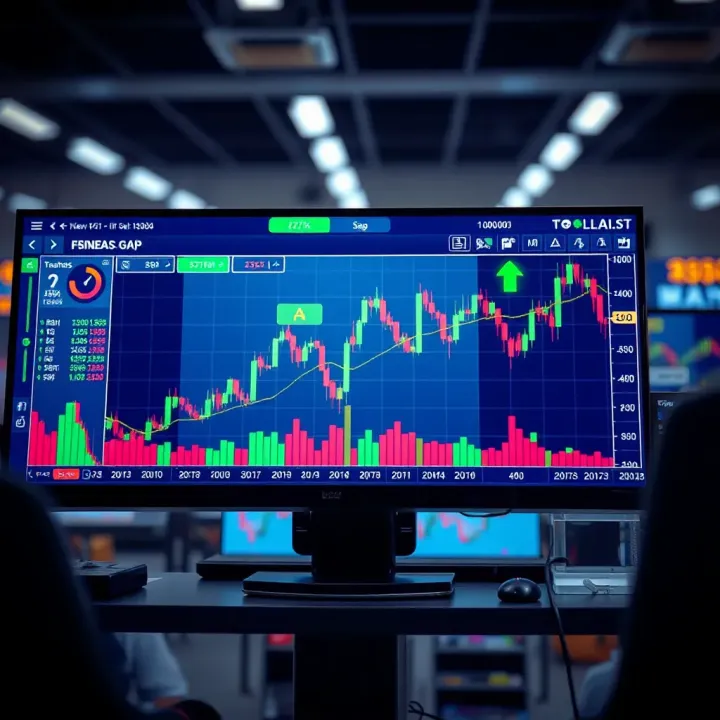
Spotting price gaps between candles involves looking for spaces where the price jumps from one candlestick’s close to the next candlestick’s open without overlapping. On traditional stock charts, gaps are easy to spot, but in forex, gaps are less frequent due to 24-hour trading. However, during periods of low liquidity—such as around Nigerian public holidays or late trading sessions—these gaps can appear. For example, if the Euro to Naira pair closes at 520 and opens the next candle at 525 without any trades between, that marks a clear Fair Value Gap.
This gap signals an area where institutional orders might be unfilled, leaving an imbalance. These unfilled zones often attract price back to fill them, presenting opportunities for traders to enter or exit with better timing.
Typical market conditions that form FVGs include sharp market moves triggered by news announcements, like unexpected Central Bank of Nigeria (CBN) policy changes or geopolitical events affecting oil prices, which impact the Naira. During such events, rapid buying or selling leads to price gaps as market participants react faster than liquidity can accommodate.
Additionally, thinly traded hours or weekends can create price jumps when markets reopen, causing gaps. Understanding when such gaps are likely helps traders stay alert and leverage FVG for setting strategic trade levels rather than being caught off guard by sudden volatility.
Volume analysis around FVGs offers a deeper confirmation layer. Although forex lacks the centralized volume data common in stock markets, traders in Nigeria can access volume metrics from platforms like MT4 or local brokers’ feeds. A spike in volume near a gap area intensifies the likelihood that the price will revisit the gap to balance out unexecuted orders.
For instance, if the Naira dollar pair shows a gap followed by increased buying volume, this suggests strong institutional activity and a potential price correction towards the gap zone. Without volume confirmation, gaps could merely reflect random noise or illiquid market openings.
Combining with moving averages or RSI (Relative Strength Index) helps validate gap significance. Moving averages indicate trend direction; if a gap occurs in alignment with an upward 50-period moving average, it signals stronger bullish momentum and justifies entering trades near the gap.
At the same time, RSI illustrates if the asset is overbought or oversold. A gap forming when RSI is oversold can hint at a possible price rebound towards the gap zone. On platforms like MT4 or TradingView, Nigerian traders should combine these indicators with FVG spotting to improve entry and exit timing.
Identifying Fair Value Gaps accurately and confirming them with indicators sharpens your trading edge, cutting down on guesswork in unpredictable forex markets. This approach helps Nigerian investors navigate the swings of NGN pairs more confidently.
Look for clear price jumps between candlesticks with no overlap.
Be aware of market events or low-liquidity periods causing FVGs.
Check volume spikes to confirm genuine gaps versus noise.
Use moving averages and RSI indicators to assess momentum and trade timing.
By blending these visual and technical tools, Nigerian forex traders can spot FVGs reliably and use them as a solid basis for informed trading decisions.
Using Fair Value Gap (FVG) strategies offers Nigerian forex traders practical ways to navigate market imbalances and identify trading opportunities. These strategies come in handy by focusing on how prices behave around gaps, allowing investors to plan entries and exits more precisely. In real terms, understanding and applying FVG-based strategies can reduce guesswork and improve risk control amid the typical volatility of forex pairs like NGN/USD.
Prices often revisit fair value gap zones because gaps represent market inefficiency; traders have not fully balanced buy and sell orders in these areas. For example, when an NGN/USD chart shows a sudden jump leaving a price gap, there is a tendency for price to return to that zone, "filling" the gap before continuing its trend. This behaviour happens because market participants seek to close imbalances by executing orders that cover these gaps.
Recognising entry and exit points around gap fills can sharpen trading decisions. Traders often enter when the price starts moving back into the FVG zone, especially if supported by volume spikes or reversal candlesticks. Exits usually come as price approaches the edge of the gap or hits support and resistance levels aligned with the gap. For instance, a trader might open a buy trade when price dips into a previous gap zone on EUR/USD, placing a target near where the gap began and a stop just below the gap’s lower edge.
FVG offers a way to confirm signals from traditional support and resistance (S/R) zones. When an FVG occurs near a known support or resistance, it adds weight to trade setups, improving confidence. For example, if NGN/USD price creates a gap near a well-tested resistance level, a trader might wait for the gap fill and watch how the price reacts before deciding to short the pair.
Concrete examples make this clearer. Suppose the NGN/USD currency pair experiences a bullish gap after a Central Bank of Nigeria (CBN) policy announcement. If this gap aligns with a resistance level around ₦460, watching for a potential fill to confirm reversal or breakout signals helps traders avoid chasing false moves. Similarly, in pairs like GBP/USD, combining FVG zones with S/R lines enhances precise entry points.
Placing stop losses around FVG zones is a practical way to limit losses. Because gaps are often zones of interest to many traders, they act as natural barriers. Setting stops just beyond the gap boundary allows for room against normal market noise but limits downside if price moves decisively against the trade.
Adjusting position sizes based on the size and quality of the FVG adds a further layer of risk management. Bigger, more reliable gaps might warrant larger positions, while smaller or less clear gaps suggest caution. This flexibility enables traders to balance potential reward with the unique volatility of Nigerian forex markets impacted by factors like naira fluctuations and policy shifts.
Understanding how to incorporate FVG trading strategies—and pairing them appropriately with other tools—can significantly sharpen your edge in the forex market, helping you protect capital and spot quality trade setups.
Fair Value Gap (FVG) offers traders insights into potential price movements, but like any trading concept, it has limitations and risks. Understanding these helps Nigerian investors avoid costly mistakes and improves strategy effectiveness.
Unexpected news events, such as sudden Central Bank of Nigeria (CBN) policy announcements or geopolitical tensions, can disrupt typical price patterns and lead to misleading FVG signals. For example, a surprise change in forex regulations could cause prices to gap sharply without follow-through, making the identified gap unreliable for trading decisions. Traders relying solely on FVG might enter positions expecting gap fills, only to face continued volatility that doesn’t align with usual gap behaviour.
Filtering unreliable FVG signals requires combining gap analysis with broader market context. Volume spikes or confirmation from technical indicators like moving averages can validate if a gap is genuine or just market noise. For instance, if volume remains low around a gap, it might indicate insufficient market interest to fill the gap soon. Nigerian traders should also watch for news releases and pause trades during high-impact events to avoid false signals.
Liquidity and volatility in Nigeria’s forex market differ from major global markets. Forex liquidity can be thin outside peak hours or during ember months, causing erratic price moves that create misleading FVGs. Sudden spikes in volatility, especially around Naira devaluation rumours or off-market FX activities, may produce gaps that do not follow conventional fill patterns. Traders must treat FVG signals cautiously under such erratic conditions and adjust risk accordingly.
CBN’s policies heavily influence price gaps. Measures like forex restrictions, intervention levels, or adjustments to exchange rates can instantly create gaps on NGN pairs. For example, CBN’s decision to restrict access to USD through official channels often causes sharp price jumps in parallel markets, resulting in volatile gaps that may not close quickly. Awareness of such policy-driven movements is crucial to avoid mistaking these structural gaps for ordinary FVGs.
Navigating Nigerian forex requires combining FVG strategies with local market awareness, especially around regulatory shifts and liquidity conditions, to avoid costly errors.
By recognising these limitations, Nigerian traders can better manage risks and enhance their use of FVG within the local forex environment.
Navigating the forex market in Nigeria with Fair Value Gap (FVG) strategies requires more than just understanding gaps on charts. Practical steps help traders make better decisions, avoid costly mistakes and maximise returns. This section highlights essential tips tailored for Nigerian investors who want to integrate FVG effectively.
A reliable forex broker with robust charting tools can make a huge difference when trading FVG. Look for platforms that offer detailed candlestick charts, zoom options, and the ability to mark and save gap zones for future reference. For instance, MetaTrader 4 and 5 remain popular for their custom indicators and ease of drawing fair value gaps directly on the interface. Some local brokers now also provide platforms with upgraded charting functionalities suitable for FVG analysis.
Beyond tools, the broker’s regulatory status and execution speed affect your success. Nigerian traders sometimes face slippage and delayed order fills, especially during volatile periods when fair value gaps form. A platform with quality market data and live updates helps you spot gaps early before prices react.
Another important factor is access to NGN currency pairs and accurate market data. Not all brokers provide direct NGN/USD or NGN/EUR pairs, which can impact your ability to trade based on local fluctuations and Central Bank of Nigeria (CBN) policy shifts. Ensure your platform includes these pairs so you can evaluate fair value gaps in the local context, factoring in naira liquidity and exchange rate volatility. Brokers like GTBank Forex or Stanbic IBTC often give traders direct access to NGN pairs with updated price feeds.
Integrating fundamental analysis alongside FVG improves your decision-making. For example, if you spot a fair value gap in NGN/USD during a CBN monetary policy announcement, consider economic indicators like inflation rates or foreign reserve levels before taking a trade. FVG zones highlight technical imbalances, but fundamentals provide the bigger picture, such as how naira scarcity might sustain or fill those gaps.
Keeping a trading journal is critical for disciplinary growth. Recording your entry and exit points based on FVG, alongside notes on market conditions and emotions, helps track your success over time. Nigerian traders often neglect this, resulting in repeated errors or overtrading. Writing down why you trusted a particular gap or ignored it sharpens your analysis and builds good habits in the long run.
Practical tips like choosing the right broker, accessing local pairs, combining fundamental insights, and disciplined journaling all enhance a Nigerian trader’s ability to leverage FVG for consistent profits. These steps bridge theory and execution in a market environment full of challenges and opportunities.
By applying these pointers steadily, you improve your ability to not only identify fair value gaps but also trade them smartly within the unique Nigerian forex landscape.
📈 Learn how margin lets Nigerian forex traders control big trades with less money. Understand margin rules, avoid risks, and trade smarter today!

🔍 Discover copy trading basics, platforms, pros & risks, plus tips tailored for Nigerian investors. Make smart, informed investment choices today! 📈🇳🇬

Explore how automated trading systems work 📊, their benefits & challenges ⚠️, plus tips on setup, risk, and performance evaluation for Nigerian markets 🇳🇬.
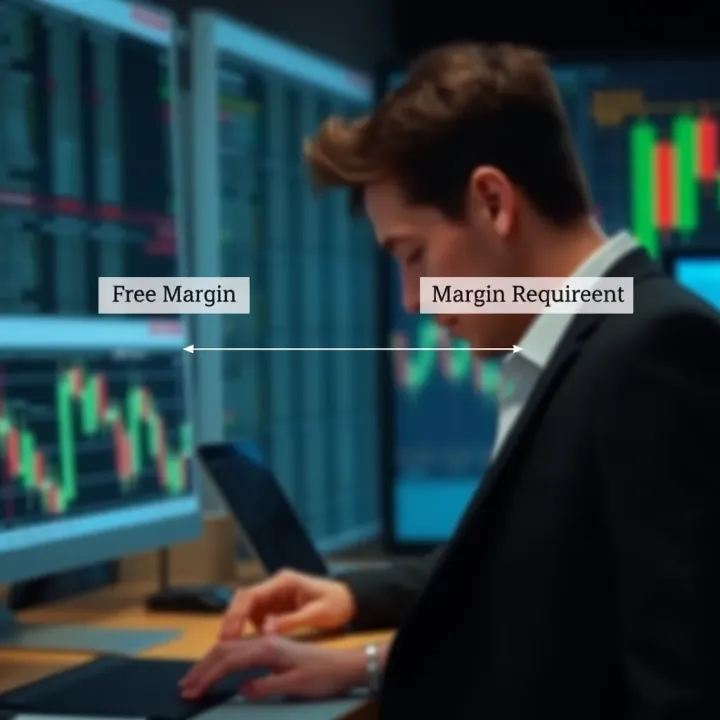
📊 Learn how free margin affects your forex trades, why it’s key for risk control, and tips to monitor it closely for smarter trading in Nigeria.
Based on 5 reviews