
XRP Price Prediction and Analysis for Nigeria
Explore detailed XRP coin price predictions with insights on market trends 📈, regulations ⚖️, and expert analysis, tailored for Nigerian investors 🇳🇬.
Edited By
Charlotte Evans
Luna, the native cryptocurrency of the Terra blockchain, has attracted significant attention from Nigerian investors eager to diversify their portfolios beyond traditional assets. Understanding Luna’s price dynamics is essential before committing ₦, given the volatility often seen in the crypto market.
Several factors drive Luna's price movements, including demand for decentralized finance (DeFi) services on Terra’s platform, overall market sentiment, and macroeconomic conditions that affect cryptocurrencies globally. For Nigerian investors, local currency fluctuations—especially naira's volatility against the dollar—play a vital role in the effective value of investments denominated in Luna.
Historically, Luna saw rapid growth before the price crash in 2022, triggered by the TerraUSD (UST) stablecoin depeg crisis. However, the Terra ecosystem has since relaunched Terra 2.0, which aims to restore investor confidence with technical upgrades and ecosystem incentives. This fresh start shapes current and future price forecasts.
Luna’s price outlook isn’t just a technical question but also intertwined with Nigeria’s economic factors like currency stability, regulatory stance, and investor appetite for alternative assets.
Investors should watch these price influencers:
Network Adoption: Growth in Terra’s user base and DeFi applications increases Luna demand.
Regulatory Environment: Nigerian regulations on cryptocurrencies can impact ease of trading and capital inflow.
Global Crypto Trends: Bitcoin and Ethereum movements often affect Luna’s price through market correlation.
Naira-Dollar Exchange Rate: Naira depreciation increases local cost for foreign-denominated crypto purchases.
In practice, a trader in Lagos may see the ₦ value of Luna fluctuate significantly due to naira's foreign exchange rate swings even if Luna’s dollar price remains steady. This dual impact demands close monitoring of both global crypto charts and local forex rates.
For an investor ready to take action, combining technical analysis with Nigeria-specific economic indicators will provide a clearer roadmap. Tools like CoinMarketCap and local crypto exchanges (e.g., Binance Nigeria, Luno) offer real-time data alongside forex platforms.
Understanding these layers equips Nigerian investors to navigate Luna’s volatility with confidence and potentially capitalise on emerging trends within both Lagos’s digital hubs and broader Nigerian diasporic networks.
Luna, the native token of the Terra blockchain, plays a critical role in the fast-evolving cryptocurrency market. Understanding its fundamentals and position is vital for Nigerian investors aiming to navigate the world of digital assets. This section sheds light on what Luna is, its practical applications, and how it currently performs in the market — all essential for informed decision-making.
Luna functions not just as a cryptocurrency but as an integral part of the Terra ecosystem, which emphasises stablecoins pegged to real-world currencies. Investors should note that Luna helps stabilise Terra’s algorithmic stablecoins by absorbing price volatility. For instance, when demand for Terra’s stablecoins rises, Luna tokens are burned, reducing supply to maintain price stability. This mechanism makes Luna unique compared to more conventional cryptocurrencies like Bitcoin or Ethereum.
Besides price stability, Luna is used for governance within the Terra blockchain. Token holders vote on network proposals, upgrades, and changes, giving community members a say in the platform’s development. This adds a layer of decentralisation and offers investors an opportunity to influence the project.
In market terms, Luna has experienced both rapid growth and significant downturns, reflecting high volatility in the crypto space. As of early 2024, Luna is among the top cryptocurrencies by market capitalisation, but it remains subject to swift price swings influenced by global crypto trends and Nigeria’s growing interest in digital currencies.
Adoption in Nigeria is showing promise, particularly as fintech startups integrate Luna-based stablecoins for cross-border payments and remittances. For example, some Nigerian payment platforms have begun experimenting with Terra stablecoins to minimise naira depreciation risks during international transfers. This practical use boosts Luna’s relevance locally and signals potential for wider acceptance.
For Nigerian investors, tracking Luna’s adoption in real-world financial applications is as important as monitoring price charts. Market uptake often drives value sustainability beyond pure speculation.
In summary, Luna’s combination of algorithmic stablecoin support, governance utility, and emerging adoption in Nigeria’s fintech scene makes it a cryptocurrency worth examining closely. Understanding these factors helps investors determine if Luna suits their portfolio strategy amid Nigeria’s evolving digital economy.
Understanding the key factors driving Luna's price is vital for Nigerian investors aiming to time their entry or exit in this volatile market. Several core aspects shape Luna's value, ranging from technological upgrades to global sentiment and regulatory landscapes. Each factor interacts uniquely, creating a dynamic environment that influences Luna’s market performance.
Blockchain improvements and network upgrades often dictate Luna’s price direction. For example, when Terra (the blockchain behind Luna) rolled out its major protocol updates like the migration to Terra 2.0, it directly affected investor confidence and token valuation. Enhanced scalability, reduced transaction costs, or added features such as staking incentives can attract more users and developers. This increased utility typically translates into bullish price action. Nigerian investors should monitor official Terra community announcements and upgrade releases, as these changes serve as signals for potential price movements.
Market sentiment worldwide significantly sways Luna’s price, often moving it in tandem with broader cryptocurrency trends. For instance, when Bitcoin or Ethereum rally or pull back, altcoins like Luna often follow suit, reflecting investors’ risk appetite. Additionally, developments in DeFi (Decentralised Finance) or NFT (Non-Fungible Tokens) sectors can also impact Luna’s popularity and demand. Nigerian traders benefit from keeping an eye on major crypto exchanges such as Binance and Coinbase, plus news feeds highlighting market trends. Sentiment shifts during global financial turbulence or optimistic phases can trigger quick price swings, emphasizing the need for timely insights.
Regulation remains a decisive factor in Luna's price trajectory. In Nigeria, the Central Bank of Nigeria (CBN) maintains a cautious approach to crypto, affecting local liquidity and access through exchanges. Restrictions imposed on banks regarding cryptocurrency transactions can limit trading volume, dampening price momentum. Conversely, clear regulatory frameworks and global acceptance, like the recent crypto law implementations in countries such as the UAE or Singapore, encourage institutional participation and may bolster Luna’s valuation. Nigerian investors should closely follow policy changes from the CBN, Securities and Exchange Commission (SEC), and international bodies, adjusting their strategy accordingly.
Staying informed on these key drivers equips investors with an edge, helping navigate Luna’s price swings wisely amid Nigeria’s unique market context.
Blockchain upgrades boost network efficiency and token value, influencing price positively.
Market sentiment ties Luna's movements to global crypto trends, requiring attention to major coins and sectors.
Regulation shapes trading accessibility and investor confidence, with both Nigerian and global policies playing critical roles.
By understanding these factors, Nigerian investors can better anticipate price movements and make smarter decisions when dealing with Luna cryptocurrency.
Studying Luna’s past price performance offers valuable clues for investors aiming to predict future trends. Historical price analysis and pattern recognition help identify how Luna's value responded to market events, regulatory shifts, or network upgrades. This approach enables Nigerian investors to make informed choices, especially in a volatile crypto market where knee-jerk decisions often lead to losses.
Luna's price history has been marked by significant fluctuations, indicative of high volatility typical in many cryptocurrencies. For instance, in mid-2021, Luna's value surged substantially, rising from under $1 to above $30 within a few months, largely driven by ecosystem growth and increasing adoption. However, this was followed by sharp corrections influenced by macroeconomic factors like changes in global risk appetite and local regulatory announcements.
Volatility remains a double-edged sword for Nigerian investors; while it presents chances to earn quick profits through trading, it also demands caution to avoid sudden losses. Understanding these fluctuations calls for paying attention to both global events—such as shifts in US Federal Reserve policies—and local elements like Nigeria’s stance on crypto regulation and naira stability.
Technical indicators equip investors with quantitative tools to gauge Luna’s market momentum and potential reversals. Commonly used indicators include:
Moving Averages (MA): Calculating the average price over a specific period, such as the 50-day or 200-day MA, can reveal trends. When Luna’s price moves above or below these averages, it may signal bullish or bearish movements respectively.
Relative Strength Index (RSI): This momentum oscillator indicates whether Luna is overbought or oversold. An RSI above 70 might warn of a potential price drop, while below 30 suggests a possible rebound.
MACD (Moving Average Convergence Divergence): This helps identify shifts in momentum by comparing short- and long-term moving averages, assisting in spotting buy or sell signals.
Nigerian traders can apply these indicators on platforms like Binance or Luno, common exchanges supporting Luna trading. Combined with chart pattern recognition, such as identifying head and shoulders or double bottoms, these tools help anticipate price movements, allowing timely entries or exits.
Regular analysis of Luna’s historical price patterns alongside technical indicators empowers investors to navigate its volatility with greater confidence, reducing guesswork in an often unpredictable market.
By grounding investment decisions in past trends and technical signals, Nigerian investors stand a better chance of benefiting from Luna’s price swings while managing risks effectively.
Understanding future price predictions and investment outlooks is essential for any serious investor or trader interested in Luna. This insight helps Nigerian investors pause and gauge upcoming market movements, allowing them to make informed decisions and balance potential gains with risks. For example, a trader watching Luna's short-term price surges may capitalise on volatility to make quick profits, while a long-term investor might focus on Luna’s broader adoption trends and blockchain developments to decide when to commit capital.
Short-term price movements of Luna often respond to immediate market news, network updates, or shifts in global crypto trends. For instance, a sudden upgrade to the Terra blockchain or a sharp swing in Bitcoin's price could trigger Luna’s price to fluctuate within days or weeks. Nigerian traders can exploit these swings by using tools like stop-loss orders to protect profits or limit losses. Exchanges such as Binance and Luno offer USSD trading options accessible to Nigerian users, making quick trades more feasible despite local infrastructural challenges.
Monitoring social media sentiment, especially on platforms like Twitter and Reddit, is also useful. A spike in positive buzz around Luna may lead to short-term rallies, while negative news could send prices down quickly. That said, short-term trading requires careful attention and discipline to avoid being caught in abrupt reversals.
Looking further ahead, Luna’s potential depends on factors like wider ecosystem growth, partnerships, and real-world use cases adoption. The Terra blockchain’s ambition to support decentralised finance (DeFi) apps and stablecoins can attract sustained investment, affecting price positively. Nigerian fintech startups integrating Terra’s stablecoin for remittances and payments could also drive local demand.
Moreover, the arrival of improvements such as proposed scalability solutions or regulatory clarity could boost confidence. Long-term investors should watch the Central Bank of Nigeria's stance on cryptocurrencies alongside global regulatory frameworks, as unfavourable policies might stifle growth. Conversely, backing from institutional players and increased utility in everyday transactions might push Luna’s price higher over months or years.
Luna’s price outlook is not without pitfalls. High volatility, potential regulatory clampdowns in Nigeria or abroad, and technological risks like smart contract vulnerabilities pose significant threats. For example, sudden bans on crypto trading by regulatory authorities or disruptions in the Terra network could wipe out gains within a short period.
Nigerian investors must also consider exchange security risks. Using unreliable platforms or wallets risks theft or loss — wallets with local support and strong reputations reduce this danger.
Remember, investing without awareness of these risks can lead to losses that may be difficult to recover. Diversifying your portfolio and setting clear entry and exit strategies are practical ways to manage these challenges.
In summary, a balanced approach combining short-term alertness for trading opportunities and long-term vision to spot growth potential will help Nigerian investors navigate Luna’s unpredictable market. Clear awareness of risks and continuous monitoring of both local and global developments are key to making the most out of your investment in Luna.
Understanding practical tips for investing in Luna is vital for Nigerian investors who want to navigate the crypto space confidently and safely. This section breaks down essential steps and considerations that will help you handle Luna investments with care, reduce risks, and make smarter decisions aligned with local realities.
Buying Luna in Nigeria requires choosing the right platforms that support direct ₦ transactions or allow seamless bank transfers. Platforms like Binance, Luno, and Quidax are popular among Nigerian traders because they offer easy deposit and withdrawal options through local banks or USSD services. You should verify that these platforms are compliant with Nigerian regulations and have strong security measures.
Storing Luna safely is just as important as acquiring it. Avoid keeping large amounts on exchanges due to hacking risks. Instead, use cryptocurrency wallets designed for Luna, such as Trust Wallet or Ledger hardware wallets for better security. Hardware wallets provide offline storage, protecting your Luna from online threats, while mobile wallets offer convenience for daily trading. Remember, losing access to your wallet keys means losing your funds permanently, so always back up your seed phrases securely.
When selecting platforms, trustworthiness and ease of use matter most. Look for platforms with high liquidity to ensure you can buy or sell Luna without delays or big price changes. Also, read user reviews and check for any past security issues to avoid platforms that may freeze your funds or disappear.
For wallets, choose ones with robust security features like two-factor authentication and regular updates. Trust Wallet, for instance, is widely used due to its user-friendly interface and support for many cryptocurrencies including Luna. If you intend to keep your investment long-term, a hardware wallet like Ledger Nano S or X is a qualitative choice despite higher upfront cost.
Crypto markets, including Luna, are highly volatile. For Nigerian investors, managing risk means not putting all your funds in one basket. Diversify your portfolio by investing in other assets like stocks quoted on the Nigerian Exchange (NGX), government bonds, and even real estate where possible.
Additionally, only invest money you can afford to lose. Fluctuations in the naira, power outages affecting internet access, or sudden regulatory shifts can unexpectedly impact your holdings. Use stop-loss orders on trading platforms to limit potential losses and track your investments regularly.
While Luna offers attractive growth prospects, disciplined risk management and choosing secure platforms remain your best shields against unexpected market swings and security issues.
Taking these practical steps will make your Luna investment journey safer and more rewarding in the Nigerian context, especially given the unique challenges and opportunities the local market presents.
Explore detailed XRP coin price predictions with insights on market trends 📈, regulations ⚖️, and expert analysis, tailored for Nigerian investors 🇳🇬.
📈 Track today's gold price in Nigeria with updates on local demand, naira fluctuation, and global trends. Get insights to guide your ₦ investments effectively.
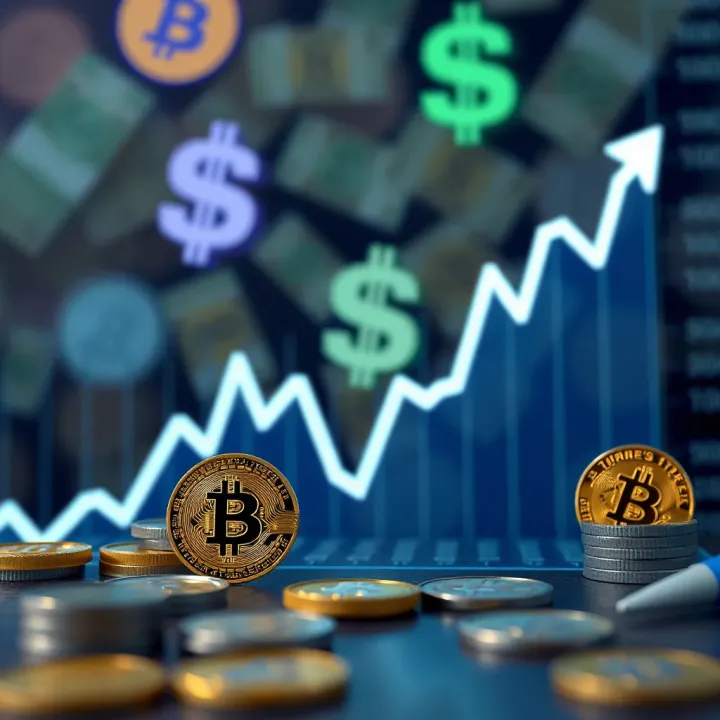
🚀 Get today’s bitcoin price forecast with sharp insights on market trends, local economic factors, and smart tips for Nigerian investors navigating ₦ volatility.
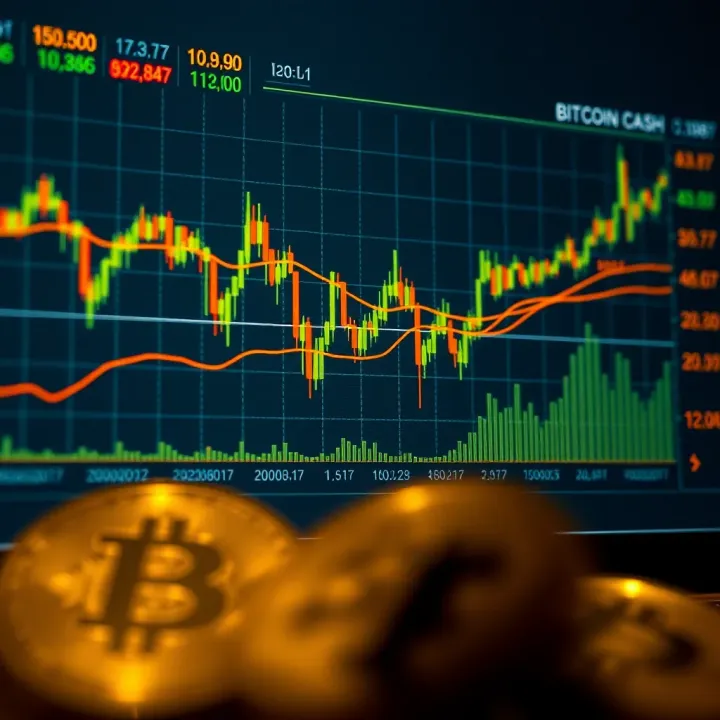
Explore Bitcoin Cash (BCH) price movements, key market drivers, expert predictions, and risks. A guide for Nigerian crypto investors 📈💰🇳🇬
Based on 9 reviews