

Meaning of 'Is Noones Legit' in Nigeria Today
Explore the phrase 'is noones legit' 🔍 showing trust challenges in Nigerian social and digital life. Learn how it affects dealings and real ways to handle authenticity.
Edited By
Mia Richardson
Many Nigerian traders find themselves asking if Quotex stands as a genuine broker in the crowded online trading space. This question is vital since the trading environment is filled with platforms promising big returns but leaving investors stranded without support or access to funds.
Quotex entered the scene offering a user-friendly interface and competitive trading options including digital assets and currencies popular among Nigerian investors. Yet, the real test lies in understanding whether it meets the standards traders expect in terms of regulation, security, and transparency.
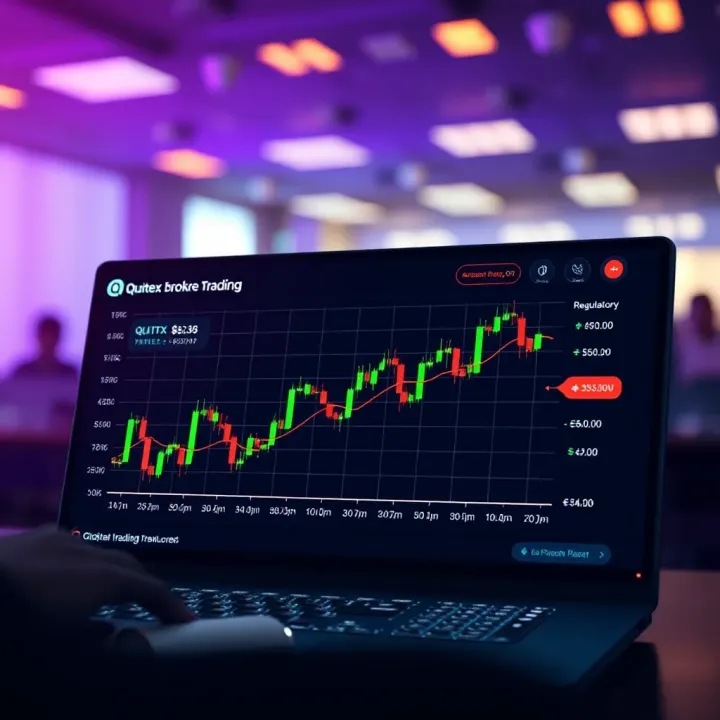
The platform's regulatory status is a key point for consideration. Unlike brokers registered with well-known agencies such as the Nigerian Securities and Exchange Commission (SEC) or globally recognised bodies like the UK's Financial Conduct Authority (FCA), Quotex operates under the oversight of the International Financial Market Relations Regulation Centre (IFMRRC). While IFMRRC provides some level of supervision, it is not regarded with the same trust or legal defence capabilities as national regulators. This difference matters because many traders want assurance that their investments are protected by strong legal frameworks.
When it comes to trading features, Quotex offers a variety of tools including real-time market charts, a demo account for practice without risk, and multiple asset classes for diversification. Traders can open accounts starting from as low as $10 (about ₦4,500), which makes it accessible for beginner traders conscious of capital constraints.
Also worth noting is that Quotex uses SSL encryption to safeguard user data and funds, aiming to reduce fraud attempts common in online trading. However, some Nigerian users have voiced concerns over withdrawal delays and customer service responsiveness on platforms like Nairaland and trading forums.
Before committing funds to Quotex or any broker, traders should weigh the platform's regulatory backing and user experiences carefully. Trial with the demo account can be a smart first step to understand the platform without risking real money.
In summary, Quotex is not a straightforward yes-or-no choice. It might appeal to those looking for low entry barriers and simple interface but traders seeking robust regulatory protection may find it lacking. The analysis ahead breaks down these aspects in more detail to help Nigerian traders decide if Quotex aligns with their preferences and trading goals.
Before jumping into whether Quotex is a legit broker, it's essential to understand what the platform is and how online trading operates in Nigeria. This knowledge forms the bedrock for making informed decisions and recognising both opportunities and risks involved.
Quotex is an online trading platform specialising in binary options trading. Unlike traditional investing, binary options involve predicting whether the price of an asset—such as currencies, stocks, or commodities—will rise or fall within a short time frame. Traders place bets accordingly and either gain a fixed payout or lose their stake. Quotes are real-time, and trades can last from a minute up to a few hours.
The platform is available through web and mobile apps, providing a user-friendly interface that allows traders instant access to various markets. For example, a Nigerian trader might speculate on the naira-dollar exchange rate or the price movement of crude oil, which is commonly traded on Quotex.
It's important to note that binary options trading carries a higher risk compared to conventional stock or forex trading because outcomes are typically "all or nothing." Yet, the simplicity and potential for quick returns attract many traders in Nigeria who look for ways to maximise returns in a short time.
Online trading in Nigeria has grown rapidly, driven by improving internet access and mobile device penetration. Traders use platforms like Quotex to access global financial markets directly from their phones or computers. Here’s a basic rundown:
Registration: Traders create accounts by submitting personal details and verifying their identity with documents like the National Identification Number (NIN).
Funding Accounts: Deposits can be made through local payment methods, including bank transfers, USSD codes, and popular fintech services like Paystack or Flutterwave.
Selecting Assets: Users choose financial instruments—currencies, indices, commodities, or stocks—to trade.
Placing Trades: Based on predicted price movement and time frame, traders open positions. In binary options, the outcome is straightforward: either you win a set profit or lose the amount staked.
Withdrawing Funds: Successful trades earn returns that can be withdrawn via the same local payment options.
However, Nigerian traders must consider local factors affecting trading, such as naira volatility, transaction charges on foreign currency payments, and intermittent internet disruptions. For instance, a sudden naira devaluation can affect your trading capital’s real value.
Understanding these trading mechanics and local challenges helps Nigerian traders gauge whether platforms like Quotex fit their trading style and risk appetite. It’s not just about potential profit but also about handling the realities of the Nigerian market environment.
By grasping what Quotex offers and how online trading operates locally, you set the stage for a clearer assessment of the platform’s legitimacy and suitability for Nigerian traders.
Understanding the regulatory status of Quotex is essential for Nigerian traders who want to trade online without fear of fraud or mishandling of funds. Regulation acts as a watchdog ensuring that the broker operates within legal frameworks and maintains fair practices. Without proper regulation, traders face risks ranging from unfair trading conditions to loss of invested capital.
Quotex claims to be regulated, but Nigerian traders should scrutinise which authority oversees its operations. For instance, brokers regulated by respected authorities such as the Financial Conduct Authority (FCA) in the UK or the Cyprus Securities and Exchange Commission (CySEC) typically offer better investor protection. However, some brokers operate under less recognised or offshore licences, which might not provide strong safeguards.
As of now, Quotex is registered under the International Financial Market Relations Regulation Centre (IFMRRC), a non-governmental body known for its lenient oversight compared to top-tier regulators. This means that while Quotex operates under some control, it does not enjoy the rigorous scrutiny provided by established financial regulators.
For Nigerian traders, this distinction matters. A licence from a top regulator indicates mandatory compliance with investor protection rules, segregation of client funds, and dispute resolution mechanisms. These requirements significantly reduce the risk of scams or unfair trading practices.
Nigeria's online trading scene continues to grow, with many traders eager to explore forex and binary options through platforms like Quotex. Still, unregulated brokers have caused losses to several Nigerians, often due to lack of accountability or transparency.
Having a regulated broker safeguards your investment by ensuring your funds are kept separate from the company’s operating capital. It also means the broker must meet minimum capital requirements, reducing the chance of sudden collapse. For example, legitimate brokers registered with bodies like the Nigerian Securities and Exchange Commission (SEC) or international regulators are required to submit regular reports and face audits. This level of oversight promotes trust and reduces the risk of malpractice.
Regulation isn't just paperwork—it's a safety net that offers Nigerian traders recourse in case things go wrong.
In summary, assessing Quotex’s regulatory status helps traders identify whether their money is safe and if they can rely on legal support when disputes arise. Before committing funds, Nigerian investors should verify the broker’s licence, understand what protections are in place, and prefer brokers that submit themselves to recognised regulators over those with vague or offshore licenses.
When considering Quotex as a broker, its key features provide insight into how reliable and user-friendly the platform is. Traders in Nigeria should pay attention to the variety of trading instruments available, the platform’s security measures, and how straightforward its deposit and withdrawal processes are. These elements directly impact your trading experience and your peace of mind.
Quotex offers a range of trading instruments tailored mostly to binary options trading, which means users speculate on the direction of asset prices over short periods. The platform features assets like currency pairs (forex), cryptocurrencies, commodities (such as gold and oil), and major stock indices. For example, Nigerian traders can choose to trade on popular pairs like USD/NGN or cryptocurrencies such as Bitcoin and Ethereum—assets familiar to many local investors.
Having a varied selection helps spread risk, but binary options remain inherently risky due to their all-or-nothing payoff. It’s essential you understand how each instrument works before committing funds. Quotex's relatively simple asset selection makes it suitable for traders who prefer focused choices rather than overwhelming lists of exotic shares or futures.
Security is central to trustworthiness. Quotex employs SSL encryption protocols to secure data transfers, which protects your personal and financial information from interception. Moreover, the platform reportedly uses secure servers to house client information.
It's worth noting, however, that unlike some Nigerian banks or fintech platforms that use biometric verification or two-factor authentication (2FA), Quotex currently offers limited additional verification steps for login security. Traders should remain cautious, use strong passwords, and avoid public Wi-Fi when accessing their accounts.
Remember, even a secure platform cannot prevent all risks if users neglect their own account security.
For Nigerian traders, accessible deposit and withdrawal methods matter a lot. Quotex supports local payment options, including bank transfer, credit/debit cards, and popular e-wallets like Skrill and Neteller. This means you can fund your account or cash out in ₦, minimising exchange hassle.
Withdrawal times reportedly range from a few hours to a couple of working days, depending on your chosen method. While this isn’t instant, it aligns with general fintech standards in Nigeria.
Quotex also lays out its fee structure transparently on the platform. There are no hidden fees on deposits, but you may incur charges on some withdrawal methods, depending on your bank or payment provider. For traders, knowing these details in advance avoids unpleasant surprises.
In summary, Quotex's features reflect a platform designed for simplicity and accessibility. While it may lack some advanced security layers or an extensive asset catalogue, its selection suits Nigerian traders who want to explore binary options with reasonable localised support. Still, understanding its limitations and using proper risk management remain key when trading.
Customer feedback and community reputation play a significant role in assessing whether Quotex is a legitimate broker for Nigerian traders. Real user experiences offer insights beyond official credentials and marketing claims. These reviews help identify how the platform performs on practical aspects such as usability, transparency, and customer service. Without this, traders risk relying solely on polished websites, which may not tell the full story.
Many Nigerian traders have shared their experiences with Quotex on various online forums and social media platforms. The feedback often highlights the platform’s user-friendly interface and wide range of trading instruments, which appeal to both beginners and experienced traders. For instance, some users commend the ease of deposit and withdrawal using local payment methods, which is critical given the frequent naira volatility and restrictions on international transfers.
Besides convenience, Nigerians appreciate the demo account feature, allowing them to test strategies without risking real money. However, several traders remind peers that, like all trading platforms, Quotex carries inherent risks. Positive feedback often mentions the speed of transaction execution and mobile accessibility, which matter a lot in Nigeria’s fast-paced trading environment.
No platform is without faults, and Quotex is not an exception. Common complaints from Nigerian traders include occasional delays in withdrawal processing, especially during peak periods. Some have reported difficulties reaching customer support quickly, which can be frustrating when dealing with time-sensitive trades.
Others express concerns about withdrawal limits on smaller accounts or strict verification processes, which have impacted their trading plans. While these issues do not necessarily imply illegitimacy, they signal areas where Quotex could improve user experience. Importantly, no widespread reports suggest fraudulent activity, but traders are advised to proceed with caution and avoid investing sums they cannot afford to lose.
Nigerian traders should weigh both positive reviews and complaints carefully, especially since the platform is relatively new in the local market. Community reputation forms a practical gauge of trustworthiness alongside regulatory credentials.
In summary, customer feedback provides concrete information on Quotex’s operational realities, revealing both strengths and weaknesses. This information helps Nigerian traders make informed decisions before committing funds, highlighting the importance of community reputation in online trading choices.
Understanding the risks involved in trading with Quotex is vital for Nigerian traders, especially given the volatile nature of online trading platforms. Recognising potential pitfalls helps you make informed decisions and avoid unnecessary losses. Precautions aren't just about protecting your money; they also keep your personal data and account integrity safe.
Trading on Quotex comes with risks typical to online financial markets. Price fluctuations can be abrupt, leading to swift gains or losses in short periods. For instance, a trader might place a bet on a currency pair, only for unforeseen economic events—like a Central Bank policy shift or political news—to cause sharp market swings.
Another concern is the risk posed by the platform's execution speed. Traders can experience delays during high volatility, causing orders to be filled at less favourable prices. This can be frustrating and might translate into losses, especially if a trader reacts late to market signals.
A less obvious risk involves withdrawal challenges. Some users have flagged delays or issues withdrawing funds, which may stem from verification processes or platform policy. Swift fund access is crucial, given Nigeria’s economic environment and the need to stabilise personal finances.
To guard yourself, start by verifying your identity fully on Quotex. Completing this step promptly reduces withdrawal hitches. Also, use strong, unique passwords and enable two-factor authentication where possible. These measures help prevent unauthorised access.
Use only reputable payment methods for deposits and withdrawals. Nigerian traders prefer platforms supporting local bank transfers or recognised fintech services like Paystack or Flutterwave because they offer added layers of security.
Furthermore, always begin with a demo account. This allows you to understand the platform’s mechanics without risking real funds. It’s better to familiarise yourself with Quotex’s trading interface and instrument behaviour before staking money.
Finally, manage your risk on each trade. Avoid investing more than you can comfortably lose, and set stop-loss limits if the platform allows. Keep emotions in check; impulsive decisions often lead to losses, especially in fast-moving markets.
Protecting your funds and personal information must be your priority while trading online. Taking proper precautions on Quotex not only reduces financial risks but also builds confidence in handling your investments.
By understanding these risks and applying targeted precautions, Nigerian traders can approach Quotex with greater awareness, improving their chances for success while protecting their capital and data.
Explore the phrase 'is noones legit' 🔍 showing trust challenges in Nigerian social and digital life. Learn how it affects dealings and real ways to handle authenticity.
Wondering if Olymp Trade is legit in Nigeria? 🇳🇬 This guide reviews its regulation, platform features, user feedback, risks, plus tips to trade safely with ₦.
Wondering if TDC is legit? 🤔 This guide breaks down its services, customer reviews, and registration in Nigeria, so you can avoid scams and choose wisely.
Explore HotForex's trading features tailored for Nigerian traders 🇳🇬. Get insights on accounts, platforms, fees, regulation, and support to trade smartly in ₦.
Based on 14 reviews