
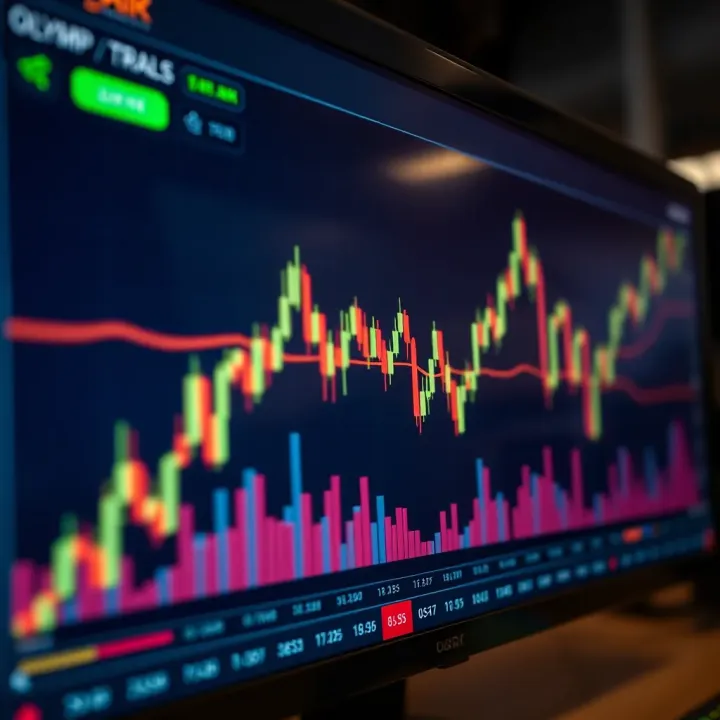
Is Olymp Trade Legit in Nigeria? A Clear Review
Wondering if Olymp Trade is legit in Nigeria? 🇳🇬 This guide reviews its regulation, platform features, user feedback, risks, plus tips to trade safely with ₦.
Edited By
Isabella Wright
In recent Nigerian conversations, especially on social media and digital platforms, the phrase 'is noones legit' has gained traction. This expression signals a lack of trust or doubt about someone's credibility or authenticity. It captures a familiar feeling among many Nigerians who often face challenges in verifying people's honesty or the genuineness of services.
The term usually pops up in informal settings where people discuss scams, dubious business deals, or general distrust in social circles. For example, when a seller on a marketplace app offers too-good-to-be-true prices for a product, buyers might say, "That guy is noones legit," indicating suspicion about the seller's reliability or the quality of the item.

This phrase reflects a broader trust issue in both online and offline Nigerian communities. With scams on platforms like Instagram, WhatsApp, and even in physical markets, people often have to tread carefully. Trust defects can stall business deals or deter individuals from engaging, especially in sectors where verification processes remain weak or unclear.
Understanding this phrase helps traders, entrepreneurs, and investors navigate conversations around legitimacy more effectively. When you hear "is noones legit", it usually means red flags have been raised. It might imply past dishonest behaviour, lack of transparency, or unconfirmed credentials.
Trust is currency in Nigerian business. When people say 'is noones legit', it’s a signal to dig deeper before committing resources or time.
For businesses, this means investing in clear, transparent communication, providing verifiable credentials, and ensuring consistent delivery to avoid being tagged as 'noones legit'. For individuals, it encourages due diligence—checking references, seeking recommendations, or using secure payment options.
In summary, the phrase highlights the importance of authenticity and reliability in Nigeria's social and economic spaces. Recognising its use can guide you in spotting potential risks and building stronger, more trustworthy relationships.
Understanding the phrase 'is noones legit' requires looking at both its literal meaning and its cultural use in Nigeria. At face value, the phrase suggests that something or someone lacks legitimacy, authenticity, or trustworthiness. However, its figurative use often carries stronger social implications, especially in business, digital communication, and everyday conversations.
Literally, 'is noones legit' denotes an absence of valid proof or legal standing. For example, when a trader’s licence is fake or unverified, one might say that the licence "is noones legit". Figuratively, the phrase has become popular to express skepticism or outright rejection of someone’s claims or operations. Consider a situation where a new online selling platform promises fast delivery and cheap prices but has no customer reviews or verifiable contact. Potential customers might warn others by saying, "this platform is noones legit," signalling distrust.
The phrase also carries emotional weight beyond simple doubt. It can reflect frustration with repeated scams or unreliable services, highlighting a broader issue of trust erosion. In Nigeria’s business context, where informal dealings and unregistered businesses are common, this saying flags caution and the need for verification before engagement.
The rise of social media platforms like Twitter, WhatsApp, and Instagram accelerated the spread of 'is noones legit'. Nigerian users frequently employ the phrase to call out questionable business practices, fake profiles, and scams circulating online. During the #EndSARS protests, for instance, the phrase was used to challenge misinformation and the legitimacy of certain public statements or movements.
Besides social media, the phrase also resonates in messaging apps among groups discussing investment scams, fake job offers, or dubious transactions. Traders and entrepreneurs on platforms like Jumia Nigeria or Konga occasionally exchange warnings using this phrase to advise buyers or sellers against deals that lack proper verification.
The widespread use of 'is noones legit' underscores how Nigerians navigate trust issues in both digital and physical marketplaces, reflecting a collective caution shaped by lived experiences.
In practical terms, understanding this phrase helps traders, investors, and analysts identify red flags in business relationships and digital interactions. It prompts users to take a step back and verify claims, a necessary move in Nigeria’s dynamic but often risky commercial environment.
Legitimacy plays a key role in how Nigerians interact, especially in trade and business. When people or organisations are considered legit, they command trust and confidence. This trust influences decisions ranging from buying goods at a mama put to investing millions in a startup. Without legitimacy, every transaction gets clouded with suspicion, slowing down economic activities and encouraging fraud.
Digital transactions have become a lifeline for many Nigerians, thanks to platforms like Paystack, Flutterwave, and OPay. However, these transactions carry unique trust challenges. With numerous unknown sellers and services online, buyers often hesitate before parting with their money. Many have fallen victim to scams where fake websites or bogus apps promised quick profits but vanished with users’ funds.
For instance, a trader who sells goods on Jumia Nigeria must prove authenticity through good reviews, prompt delivery, and product quality. Failure to establish legitimacy results in poor sales and negative ratings, pushing customers away. Likewise, investors looking at fintech startups need assurance of regulatory compliance from bodies like the Securities and Exchange Commission (SEC) Nigeria to avoid falling prey to pyramid schemes or fraudulent businesses.
Without clear legitimacy, digital trust frays, affecting the growth of e-commerce, fintech, and other sectors vital to Nigeria’s economy.

Questionable legitimacy has a ripple effect on both social structures and the economy. On a social level, when someone is widely considered 'noones legit', they face reputational damage that isolates them from community and business networks. For example, a supplier branded as unreliable due to bogus dealings will quickly lose clients and struggle to get new ones.
Economically, illegitimacy breeds inefficiencies and higher costs. Customers may demand advance payments or avoid certain markets altogether, making trade more cumbersome. Businesses expend resources on verifying identities and transactions to guard against fraud. These extra steps raise operational costs, which businesses often pass on to consumers as higher prices.
Moreover, illegitimacy hampers foreign investment. When investors see high risks from unreliable partners or unclear business practices, they hesitate to commit funds. Nigeria's potential grows stronger only when transparent and authentic dealings become the norm.
In summary, legitimacy is not just about recognition; it shapes trust, fuels commerce, and cements social bonds essential for Nigeria’s development. For entrepreneurs, traders, and investors, safeguarding legitimacy means protecting their reputation and ensuring sustainable growth.
The phrase 'is noones legit' often pops up in quite specific real-life contexts where authenticity and trust come into question. For Nigerian traders, investors, and entrepreneurs, knowing where this expression fits helps to identify risks straightforwardly. It highlights situations where something or someone cannot be trusted, which is crucial in a society grappling with issues surrounding legitimacy, especially in digital interactions.
One of the most frequent contexts where 'is noones legit' applies is online scams. With e-commerce and fintech booming in Nigeria, scammers take advantage of unsuspecting customers. Consider scenarios where fake websites mimic popular platforms like Jumia Nigeria or Konga, luring buyers with unrealistic discounts. When payment is made, customers never receive goods, and attempts to reach sellers fail. Here, the phrase captures distrust spreading among buyers who realise these sites or sellers are not legitimate.
Similarly, fraudulent investment schemes promising high returns in short periods, sometimes via social media channels or messaging apps, also trigger the use of this phrase. For example, an investment deal promising to double your ₦50,000 within days without clear regulatory approval signals 'no legitimacy.' Entrepreneurs and investors must watch out for such scams, verifying licences and using recognised platforms instead.
In business, 'is noones legit' describes deals or services lacking proper verification or credentials. Suppose a supplier claims to sell bulk rice at low prices but lacks customary trade licences or lacks verifiable track records. Investors checking for due diligence would mark such offers as questionable.
Also, services advertised via social media without verifiable reviews or customer feedback often trigger doubts. For instance, a new company promising logistics or event management services without proper registration with Corporate Affairs Commission (CAC) may be described as 'noones legit.' This scepticism protects entrepreneurs from falling into bad deals that waste time and money.
The phrase extends beyond commerce to address misinformation affecting business or community decisions. In Nigeria’s fast-moving digital world, rumours on platforms like WhatsApp or Twitter can spread swiftly, impacting stock prices, property deals, or brand reputations. When news is unsubstantiated or appears deliberately misleading, people might say, 'that gist is noones legit.'
An example might be false announcements about government policy changes affecting business licences or tax breaks. Investors relying on such inaccurate information risk making poor choices. Hence, calling out unfounded news as illegitimate encourages a culture of verifying facts before reacting.
Recognising when 'is noones legit' applies helps protect you from scams, bad deals, and harmful misinformation. Always check credentials, seek trusted sources, and be cautious before committing to any transaction.
In sum, understanding the common scenarios linked to this phrase equips Nigerian traders and investors to spot risks early and navigate the market with greater confidence.
The phrase "is noones legit" captures more than just a casual observation about someone's authenticity; it points to real consequences for individuals and communities. Trust is crucial in Nigeria's fast-moving social and business environments, and when it's eroded, both personal relationships and broader economic activities suffer.
When people label someone as "noones legit," it signifies doubt about that person's honesty or reliability. This suspicion can spread quickly within social networks, weakening bonds that typically hold communities together. For example, if a member of a local trading group consistently fails to deliver on promises, others may begin to view not only that person but the entire group with mistrust. This climate discourages open communication and cooperation, creating an atmosphere where people become guarded and less willing to engage in collective ventures.
In daily Nigerian life, trust issues among peers can slow informal trade and partnerships, which remain vital due to gaps in formal structures. The sharper scepticism has also been visible during the surge of online marketplace disputes, where buyers or sellers question each other's legitimacy, echoing the phrase's use. Over time, this distrust threatens social cohesion, where individuals hesitate to rely on relationships beyond immediate family or close friends.
For businesses, especially small and medium enterprises (SMEs), being associated with anything "noones legit" can be damaging. Word travels fast, especially on social media and WhatsApp groups, where consumers share experiences and warn one another. A merchant accused of dishonesty, using substandard products, or failing to honour guarantees quickly loses clientele. For instance, a popular mama put selling amala and ewedu may find her daily customers dropping off if doubts about food safety or quality arise.
Customer confidence directly affects sales revenue and business sustainability. Traders who engage in questionable practices lose potential contracts and partnerships. Investors and financial institutions often rely on credible reputations before extending credit facilities or partnerships. Without this trust, securing funding or growth opportunities becomes difficult, stunting the business's ability to thrive.
Building and maintaining legitimacy is not just a personal benefit but a community necessity. When trust exists, markets function better, social ties strengthen, and economic opportunities broaden.
Ultimately, the phrase "is noones legit" reflects deeper fault lines where trust falters. Recognising its effects can help individuals and businesses take concrete steps to rebuild genuine relationships and uphold standards that benefit everyone involved.
In Nigeria’s fast-paced business and online environment, confirming authenticity before committing to anything is not just smart—it’s necessary. The phrase ‘is noones legit’ often signals situations where the trustworthiness of a person, service, or deal is in doubt. Learning how to effectively verify legitimacy can save you from financial loss and reputational damage.
Before engaging with a business or individual, take time to check their credentials. This might include business registration documents, professional licences, or official endorsements. For example, an entrepreneur selling imported electronics should show valid import permits or receipts from recognised suppliers. Also, customer reviews—whether on social media, Google, or industry forums—can reveal the true quality of a service or product. However, be cautious of overly positive or suspiciously similar reviews, as some businesses might hire people to put false testimonials.
Trusted platforms can provide a layer of security against fraud. Financial transactions done through reputable fintech companies like Paystack or Flutterwave often have safeguards and dispute resolution policies that protect buyers and sellers. Additionally, regulatory bodies such as the Corporate Affairs Commission (CAC) and the Nigerian Communications Commission (NCC) maintain public databases to verify companies or telecom operators. Before entering contracts or investments, confirm a company's registration status via CAC online resources. Traders can also consult the Securities and Exchange Commission (SEC) to check if investment schemes are authorised.
Spotting warning signs early helps avoid being caught in scam traps. Common red flags include pressure to act quickly without adequate information, requests for upfront payments through untraceable methods like mobile money or unregulated agents, and inconsistent contact details. For instance, a purported vendor unwilling to provide a physical address or valid phone number should raise your suspicion. Overly complex or vague terms in contracts, claims of unrealistic returns, and refusal to provide proof of legitimacy also serve as alerts.
Trust is hard-earned but easily lost. Always verify and ask questions—your caution is your best defence.
By applying these practical tips, Nigerian traders, investors, and entrepreneurs can better navigate the complex landscape where ‘is noones legit’ frequently applies. With vigilance and due diligence, it’s possible to build confidence and avoid the pitfalls that harm business and community relations.
Establishing a culture of authenticity within Nigerian interactions is vital for rebuilding trust, especially given the widespread use of the phrase 'is noones legit'. In a society where business deals, communications, and transactions often encounter doubts about credibility, fostering authenticity can shield individuals and organisations from reputational damage and financial loss. This culture calls for honesty, openness, and consistent ethical behaviour across all points of contact.
Transparency is the backbone of authentic interactions. When businesses openly share information about their operations, products, and services, customers feel more confident in engaging with them. For instance, a small-scale agribusiness that publicly shares sourcing processes, pricing structures, and quality assurance measures stands a better chance of winning customer loyalty, avoiding suspicions that often arise in markets flooded with counterfeit or substandard goods. Equally, straightforward communication reduces misunderstandings—if payment terms or service limitations are clear upfront, customers can make informed decisions without second-guessing.
Transparency also extends to online platforms, where many Nigerian traders and entrepreneurs rely on social media and digital marketplaces. Verified account badges, customer reviews, and prompt responses to queries build layers of trust. On the flip side, opaque practices such as hidden fees or vague business addresses tend to trigger the sentiment behind 'is noones legit', causing potential clients to withdraw.
Communities in Nigeria play a pivotal role in nurturing authenticity by setting informal standards and sharing verified information. Market associations and trade unions, for example, often regulate member behaviour, issuing warnings or sanctions against those who breach trust. Their influence reassures customers that members have a code to follow, lessening scepticism.
At a formal level, regulatory bodies such as the Corporate Affairs Commission (CAC), Securities and Exchange Commission (SEC), and Nigerian Communications Commission (NCC) help enforce rules that weed out illegitimate operators. When businesses register officially and adhere to regulations, they add a layer of credibility that can mute doubts associated with 'is noones legit'. Public awareness campaigns by these bodies encourage both entrepreneurs and consumers to verify licences, confirm registrations, and engage in safe business practices.
Building authenticity is not just about rules; it’s about cultivating a shared belief in trustworthiness that makes Nigerian interactions dependable and fair.
Both community influence and regulatory oversight complement each other. Traders who maintain transparency backed by official recognition position themselves as genuinely legitimate. Meanwhile, consumers and investors benefit from environments where rigorous checks and social accountability reduce the risk of scams and false claims.
Ultimately, promoting a culture of honesty and openness creates a powerful counter to the negative connotation of 'is noones legit'. It boosts confidence in Nigerian markets and relationships, making business more sustainable and social interactions more secure.
Wondering if Olymp Trade is legit in Nigeria? 🇳🇬 This guide reviews its regulation, platform features, user feedback, risks, plus tips to trade safely with ₦.

Wondering if Olymp Trade is a legit platform for Nigerian traders? 📈 We assess its background, regulation, user feedback and risks so you can trade wisely with your ₦.
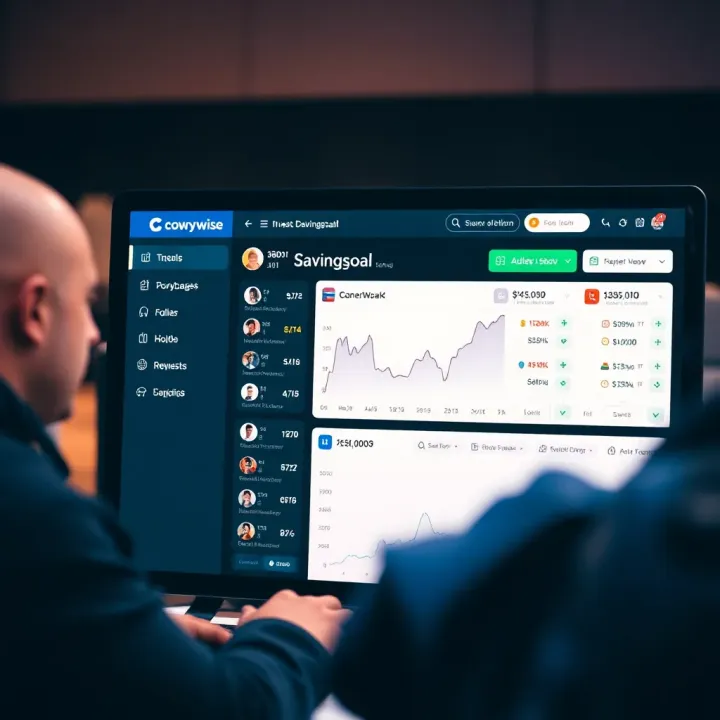
Wondering if Cowrywise is safe for your savings? 🏦 We break down its fees, security, user stories, and regulatory status to help you decide wisely. 💡
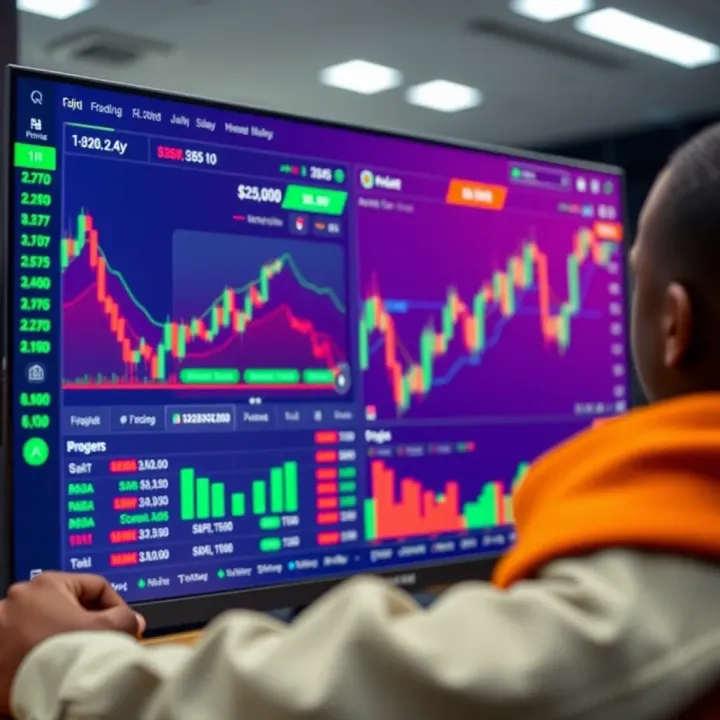
🤔 Wondering if Pocket Option is safe for Nigerian traders? Discover its legitimacy, security features, user reviews, trading risks, and local alternatives here 🇳🇬💼
Based on 6 reviews