

Understanding Synthetic Trading: Key Concepts & Uses
Explore synthetic trading concepts & applications 📈. Learn how Nigerian traders use synthetic positions to manage risks & maximize opportunities in markets.
Edited By
Isla Bennett
The boom and crash spike detector is a vital tool for traders and investors who deal with volatile markets, including those in Nigeria. It spots sharp, sudden jumps or drops in an asset’s price—commonly called "spikes"—which can either offer quick profit chances or signal risks. Understanding how this detector works helps traders respond to market moves more effectively.
At its core, the detector monitors price variations within very short periods. When a price suddenly surges or plunges beyond typical fluctuations, the tool highlights this as a spike. This information alerts traders to abnormal activity, such as a surge in demand or supply, market manipulation, or breaking news causing a sudden reaction.
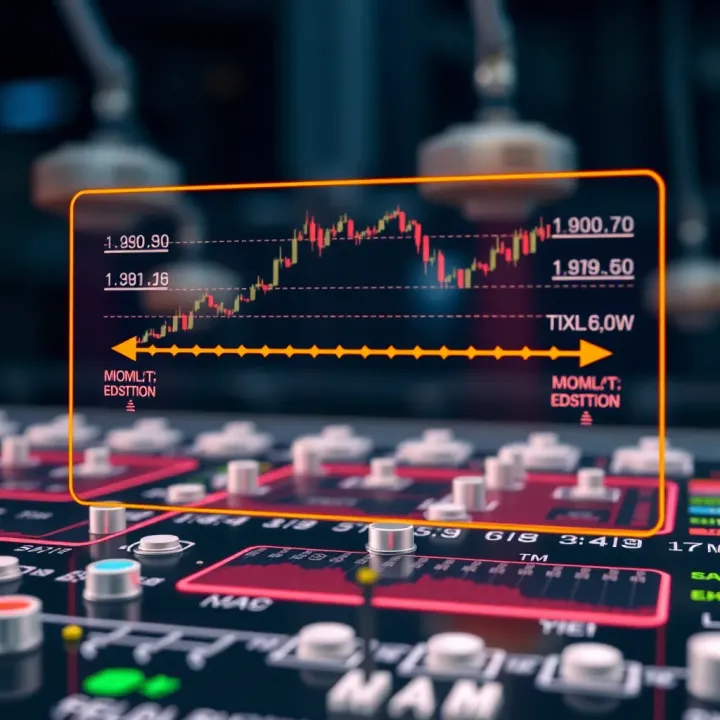
For example, if the price of a stock listed on the Nigerian Stock Exchange (NGX) jumps sharply within minutes due to unexpected corporate news, the spike detector flags this movement immediately. A trader using this detector can decide whether to enter the market quickly to ride the movement or step back to avoid potential losses from a sudden reversal.
The detector works using algorithms that analyse recent price data against historical volatility levels. It defines thresholds for what counts as regular movement versus a spike. Once a threshold is breached, a signal is generated. Traders can customise these thresholds to suit their trading style and asset type, making the tool flexible for different markets like forex, commodities, or equities.
It helps in risk management by warning when markets behave unpredictably.
Traders can spot entry and exit points more accurately during volatile conditions.
It supports decision-making, especially in fast-moving Nigerian markets characterised by frequent news and policy changes.
In volatile markets like Nigeria’s, where unexpected events can stir rapid price swings, a boom and crash spike detector can be the difference between profit and loss.
Across local platforms and global brokers operating in Nigeria, integrating this detector into trading routines can improve market navigation. Still, it’s not foolproof. False spikes from low liquidity or erratic behaviour can trigger misleading signals, so combining this tool with other analysis methods is wise.
Understanding the boom and crash spike detector provides a practical edge. It equips traders to catch important price shifts faster and manage risks more precisely in an ever-changing market environment.
The Boom and Crash Spike Detector is a technical tool designed to spot sudden, sharp price movements—often called spikes—in financial markets. These unexpected jumps or drops can signal opportunities or warnings for traders who want to enter or exit positions quickly. The detector helps traders distinguish between ordinary market fluctuations and significant, rapid shifts that could impact their trading strategy.
At its core, the detector scans price data in real time to identify spikes that may not be obvious to the naked eye. For example, in a Boom market where prices tend to surge, the detector highlights abrupt upward price movements that could indicate a temporary rush or a potential breakout. Conversely, in a Crash market, the same tool flags sharp downward moves.
By alerting traders to these spikes, the detector acts like a radar, allowing them to react swiftly rather than relying on slower, lagging indicators. This is particularly useful for intraday or short-term traders who rely on spotting quick changes to lock in profits or limit losses. Think of it as having a sharp lookout during the busy Lagos traffic hours—spotting an opening before others do.
This detector finds its primary application in markets known for volatility and rapid price swings. It is widely used in indices such as the Boom 1000 and Crash 500 on platforms like Deriv. These are synthetic indices that mimic real market movements and are popular among Nigerian traders who prefer short-duration trades.
Beyond synthetic indices, the detector can also apply to Forex, commodities, and cryptocurrency markets, where sudden spikes are common due to news releases, economic data, or unexpected events. For example, during ember months, when the forex market often reacts unpredictably to political developments or CBN policy changes, the detector proves handy. It helps traders avoid being caught off guard by unexpected price blows.
Whether you trade synthetics, Forex pairs, or crypto assets, the Boom and Crash Spike Detector offers a sharper lens to catch rapid price actions before they disappear.
In practice, Nigerian traders integrate this tool with local trading platforms such as MT4 or proprietary apps like those from Bamboo and Trove to enhance their market timing. It’s not just about having a tool, but about using it where fast moves can mean big gains or steep losses. This makes understanding the detector’s function essential for any serious trader in Nigeria’s vibrant and sometimes unpredictable market environment.
The boom and crash spike detector plays a vital role in helping traders spot rapid price jumps—often called spikes—that can signal important shifts in market momentum. Instead of waiting for a full trend to form, this tool scans price action in real time, flagging sudden bursts that might indicate either the start of a strong surge (boom) or a sharp decline (crash). Recognising these spikes early gives traders a chance to react quickly, whether that means entering a trade, tightening stops, or taking profits.
At its core, the detector analyses price behaviour by monitoring the velocity and magnitude of price changes within short intervals. When prices move sharply beyond a predefined threshold—often based on historical volatility or average true range—this triggers a spike alert. For instance, imagine a commodity pair on a local trading platform surging ₦100 in under a minute. The detector watches for such bursts, distinguishing genuine spikes from normal price noise.

What makes this process practical is its focus on speed and precision. Sudden moves tend to be brief but powerful, and missing them can mean losing out on a profitable trade setup. Nigerian traders, especially those relying on platforms like MTN Mobile Money or local forex brokers, find this feature valuable because market conditions here can be quite volatile, with unexpected spikes caused by petrol subsidy news or fuel scarcity reports.
The detector typically uses a mix of technical signals to confirm spikes beyond mere price jumps. Common indicators include:
Volume Surges: A sudden spike often comes with increased trade volume. This confirms that the move is supported by active market participation.
Volatility Breakouts: Tools like the Average True Range (ATR) help set dynamic thresholds for identifying unusual price swings relative to recent activity.
Candlestick Patterns: Sharp spikes frequently produce distinct candle formations—like long wicks or dojis—that signal indecision or rejection of price levels.
For example, on the Nigerian Stock Exchange (NGX), a stock suddenly moving up by ₦5 within minutes accompanied by a volume boost flags a possible boom spike. Traders can then decide to buy in anticipation of further gains or wait for confirmation.
A well-configured boom and crash spike detector does not just warn of any price movement but filters those that carry genuine momentum, helping you avoid false alarms.
Knowing which indicators to prioritise depends on your trading style and market context. Some traders prefer volume-heavy confirmation, while others might weight volatility metrics more. Combining these signals sharpens decision-making and reduces the chance of getting caught in market noise.
In summary, understanding how the boom and crash spike detector functions empowers traders to react timely to sudden, meaningful price shifts. By tuning into key price movements, volume changes, and volatility markers, you equip yourself to navigate volatile Nigerian markets with more confidence and precision.
Applying the boom and crash spike detector effectively can significantly improve a trader's decision-making process, especially in volatile markets like those frequently experienced in Nigeria. This section will focus on practical strategies that help you time your entry and exit points properly and manage risks associated with sudden market spikes.
The spike detector alerts you to sharp price movements, offering valuable signals for when to enter or exit a trade. For example, if the detector flags a sudden upward spike (boom) in a stock or commodity, it might signal a good opportunity to enter a buy position quickly before the price climbs further. Conversely, detecting a crash spike could prompt an exit to safeguard profits or minimise losses.
To be more precise, traders often combine the spike detector with candlestick patterns or volume indicators to confirm entry points. Imagine monitoring a popular Nigerian stock like Dangote Cement; a spike detected simultaneously with a surge in trading volume could indicate genuine market momentum rather than mere noise. Exiting positions becomes just as critical—if the detector signals an impending reversal spike, pulling out early can save you from sharp downturns.
Using spike detection is not just about spotting opportunities but also about controlling risk. Sudden price jumps can be deceptive and lead to false signals. Setting up stop-loss orders close to detected spikes limits potential losses if the market moves against your position. For instance, if you enter on a boom spike in the ₦/US$ forex pair, placing a tight stop-loss just below the spike level helps cushion you from fake outs that happen frequently in high-volatility sessions.
Another practical technique is position sizing. When a spike detector signals an upcoming price surge, you might consider reducing your trade size to manage exposure carefully. Nigerian traders, especially those dealing with leveraged products like contracts for difference, benefit greatly from such disciplined risk management.
Effective spike detection combined with sound entry timing and risk control can transform how you navigate unstable markets, turning sudden price movements from threats into opportunities.
In summary, integrating the boom and crash spike detector into your trading strategy is not about blindly following signals but about augmenting your trading plan with clear, actionable cues for entering and exiting trades while keeping risk at manageable levels.
Traders in Nigeria face a market environment known for sudden changes and high volatility, particularly in instruments like forex, commodities, and cryptocurrencies. The Boom and Crash Spike Detector offers a way to spot abrupt price jumps that could otherwise catch traders off guard. Using this tool helps Nigerian investors make informed decisions by predicting moments when prices may suddenly surge or drop.
Nigerian markets are often influenced by local economic factors such as currency fluctuations, inflation rates, and political developments. These cause prices to swing sharply within short periods, creating both risks and opportunities. The spike detector identifies these sudden changes early, giving traders a chance to react quickly. For example, when the naira weakens unexpectedly against the dollar, the detector can highlight rapid price movements in forex pairs like USD/NGN.
Being aware of these spikes allows traders to avoid rash decisions during unstable times, like the ember months when market activity intensifies. Instead, they can adjust entry and exit points for better risk control, reducing losses caused by unexpected shifts or false trends.
Most Nigerian traders use platforms like MT5, MT4, or local brokers’ interfaces to trade forex and commodities. The spike detector integrates smoothly into these existing platforms as an add-on or indicator, which means traders don’t need to overhaul their setup.
For instance, popular Nigerian brokers such as FXTM, OctaFX, or Alpari support spike detection tools that alert users in real-time when significant price spikes occur. This synergy helps traders combine spike data with other analysis tools like support and resistance levels or moving averages.
On top of that, the detector complements mobile trading apps used widely in Nigeria, accommodating the demands of traders who rely on smartphones due to irregular power supply or limited access to desktop systems. This local platform integration ensures the tool is practical and accessible for everyday trading.
By spotting sudden price changes early, Nigerian traders can shield their investments from steep losses and capitalise on fast-moving market opportunities.
In summary, the Boom and Crash Spike Detector equips Nigerian traders with a powerful advantage in a tricky market. It sharpens their ability to spot quick moves, manage risk better, and use tools they already trust. This combination makes the detector a valuable addition to any serious trader’s toolkit in Nigeria.
While the boom and crash spike detector offers a valuable edge in spotting rapid price changes, traders must be aware of its drawbacks. These limitations can affect decision-making and overall trading success if not carefully managed.
False signals stand out as a frequent issue when using the spike detector. The market often produces random fluctuations or "noise"—small, erratic price movements not tied to meaningful trends. For example, in Nigerian markets during ember months, when volatility spikes due to increased retail activity, the detector might signal a spike where none exists, leading to premature trades.
Noise can mislead traders into entering or exiting positions too early, which can erode profits over time. This issue is common on lower time frames, such as 1-minute or 5-minute charts, where minor price blips are amplified. To reduce false signals, traders often combine spike detection with volume analysis or candlestick patterns to confirm genuine spikes.
False signals occur when the detector mistakes market noise for significant spikes, causing poor trade entries or exits.
Depending solely on the detector can expose traders to unnecessary risks. No tool, including the spike detector, guarantees 100% accurate predictions. Markets are influenced by various factors—economic releases, geopolitical news, or sudden changes in market sentiment—which the detector might not account for.
For instance, during a Central Bank of Nigeria (CBN) policy announcement, prices may surge or drop drastically due to fundamental shifts rather than technical spikes. Relying only on the detector in such scenarios might lead to missed context and costly trades.
Successful traders use the detector alongside other analysis methods, such as support and resistance levels, trend lines, and fundamental data. This broader view helps filter false positives and aligns trades with the bigger picture.
In summary, recognising the limitations of false signals and avoiding sole reliance on the detector enhances trading precision. Nigerian traders, in particular, benefit from blending this tool with local market insights and other indicators to navigate volatility confidently.
Using the boom and crash spike detector effectively demands more than just spotting sudden price movements. Practical tips help traders avoid pitfalls and improve decision-making. Nigerian traders, for example, benefit from applying the detector alongside other tools and adapting to market changes to keep up with fluctuating conditions.
Relying solely on the spike detector exposes traders to false signals often caused by market noise. Pairing this with tools like moving averages, Relative Strength Index (RSI), or support and resistance levels provides confirmation before opening or closing trades. For instance, when a spike signals a possible crash, checking if the price is also near a known support level adds confidence to the trade decision.
Technical indicators that measure market momentum or volume swell can filter out irrelevant spikes. A Nigerian trader using the detector on a platform like MTN Y’ello Trade might combine it with candlestick patterns to confirm reversals. Similarly, fundamental analysis—like monitoring Central Bank of Nigeria (CBN) announcements or oil price news—can complement the detector by offering broader market context.
Markets constantly evolve, especially in volatile environments like Nigerian financial markets impacted by naira fluctuations and policy shifts. The spike detector’s algorithm and settings may require periodic updates to maintain accuracy. Traders must stay informed about new versions of their platform tools and adjust sensitivity levels accordingly.
For example, during ember months, when market volatility spikes due to year-end business activities and holidays, the detector might produce more false alarms if left on default settings. Adjusting thresholds to reduce noise during these times is practical. Moreover, software updates from trading platforms often include improved data processing and new features, which Nigerian traders should test on demo accounts before applying to live trades.
Continual learning and flexibility in tool usage separate successful traders from those overwhelmed by sudden market moves.
Taking time to refine how the boom and crash spike detector works in your overall strategy will help you navigate Nigeria’s market complexities, control risks better, and increase your chances of profitable trades.
Explore synthetic trading concepts & applications 📈. Learn how Nigerian traders use synthetic positions to manage risks & maximize opportunities in markets.

🤖 Learn how AI trading bots work, their benefits, risks, and what Nigerian traders should consider about security & regulations in using them.

🤖 Robot trading in forex is changing how Nigerian traders handle the ₦ market. Discover how automation cuts stress, its tech setup, risks, and legal tips for safer trades.
Explore South Africa's forex market, learn top trading platforms, strategies, and risks. Nigerian traders get practical tips for safe, profitable trading 🇿🇦💱🇳🇬
Based on 6 reviews