
Understanding Risk Mitigation in Forex Trading
📉 Learn how mitigation in forex trading helps reduce risks and protect investments. Explore practical strategies, tools, and tips for smarter trading decisions! 💹
Edited By
Henry Mitchell
Robot trading has steadily gained traction among forex traders in Nigeria, offering a new way to engage with the volatile currency market. Instead of manually placing trades, traders can now rely on automated systems—or robots—to execute orders based on preset strategies. This technology is particularly appealing in a market like Nigeria’s, where rapid naira fluctuations often demand quick reactions.
Automated trading systems scan forex markets for specific conditions, then execute buy or sell trades without emotional interference. For example, a trader focusing on the USD/NGN pair can set the robot to buy naira when certain technical indicators fall below a threshold, instantly locking in trades without waiting for manual input. These bots continuously monitor the market 24/7, which gives traders an edge over working manually, especially in times when markets move fast.
However, not every robot performs equally well in Nigeria’s unique forex environment. Factors like liquidity, regulatory restrictions, and exchange rate volatility affect automated systems differently compared to global forex markets. Nigerian traders should weigh benefits like reduced emotional bias and consistent strategy against risks such as software glitches, over-optimisation, or sudden policy shifts by the Central Bank of Nigeria (CBN).
Using robot trading can take the stress off manual monitoring, but traders need to understand how these systems behave under local market conditions to avoid costly mistakes.
Here are key points Nigerian forex traders must consider when using automated trading:
Market Compatibility: Ensure the robot is programmed for local currency pairs like USD/NGN or EUR/NGN instead of broad international pairs.
Regulatory Awareness: Be aware of the CBN’s forex guidelines and any restrictions that may impact automatic trades or capital movement.
Security Measures: Use trusted platforms and secure networks; many bots require connection to brokerage accounts and handle sensitive data.
Performance Tracking: Regularly review bot outcomes and compare against manual trade results to assess effectiveness in changing market conditions.
By understanding these basics, Nigerian traders can better position themselves to use robot trading as a practical tool rather than just a buzzword in forex trading.
Understanding robot trading is key to grasping how the forex market works today, especially in a country like Nigeria where currency fluctuations are common. Robot trading refers to the use of automated software to execute trades on the forex market without manual intervention. These programs analyse market data and place orders based on pre-set criteria, freeing traders from tracking the market every second.
Robot trading, also called automated trading or expert advisors (EAs) on platforms like MetaTrader, use coded instructions to make trades automatically. For example, a trader in Lagos might set parameters around when to buy or sell dollars against the naira based on certain price levels or market indicators. The software then watches the market 24/7 and acts when those conditions are met.
Unlike manual trading where a person studies charts and places orders themselves, robot trading removes human emotion and delays from the equation. This can be critical when the naira experiences sudden volatility, allowing quick reaction without second-guessing.
At the heart of these trading bots are algorithms—rules programmed electronically that guide decision-making. Typical strategies might include trend following, where the robot buys when the price is rising steadily, or mean reversion, where it bets on a price bounce after a fall. Nigerian traders can find robots with strategies custom-built for local market conditions, such as sensitivity to Central Bank of Nigeria (CBN) interventions.
Technical analysis tools fuel the robot’s choices. Indicators like moving averages, Relative Strength Index (RSI), or Bollinger Bands inform when to enter or exit the market. For instance, an RSI showing oversold conditions could prompt a buy order automatically.
Artificial intelligence (AI) and machine learning bring a further layer of sophistication. Some robots adapt their strategies by learning from past trades, improving their accuracy over time. This is especially useful in Nigeria’s forex market where external shocks like fuel subsidy changes or political events can abruptly shift trends.
Robot trading has grown popular among Nigerian traders for good reasons. Many appreciate the stress relief of automating trades amid the hectic market volatility. It also opens forex trading to individuals who may lack time or expertise to watch charts all day.
Integration with local brokers and platforms like FXTM, OctaFX, and Alpari Nigeria is increasingly seamless. These brokers support popular robot-compatible platforms such as MetaTrader 4 and 5, enabling Nigerian traders to deploy automated systems easily. However, ensuring compatibility and broker transparency remains vital to avoid system failures or scams.
Robot trading is not a magic wand but a tool — understanding how it works helps Nigerian traders use it wisely amid the unique challenges of the naira forex market.
In sum, robot trading combines algorithms, technical indicators, and AI to automate forex trades. Its swift reactions and emotion-free approach align well with Nigeria’s currency market, but traders must understand its workings and limitations to succeed.
Automated forex trading robots bring both clear benefits and notable challenges to Nigerian traders. Understanding these advantages and pitfalls helps investors make smart choices and manage risks in the highly volatile naira currency market. From removing emotional bias to navigating Nigeria’s unique infrastructure issues, traders must weigh practical realities before adopting robot systems.
One key advantage of forex trading robots lies in their ability to remove human emotions from trading decisions. Emotions like fear and greed often cloud judgement, especially in a market as erratic as Nigeria’s forex scene with its sharp naira fluctuations. Robots stick strictly to programmed algorithms, maintaining consistency in trade execution regardless of market mood swings.
This eliminates fatigue that human traders experience after long hours analysing charts or waiting for good entry points. For example, a Nigerian trader using automation won't panic-sell when the naira dips suddenly during an ember month sell-off season. This steadiness helps protect capital and maintain disciplined trading.
Nigeria’s forex market, like global foreign exchange markets, never sleeps. Currency prices can change any time, including outside typical Nigerian business hours. Trading robots can monitor market conditions continuously without breaks or downtime, something human traders cannot match.
This round-the-clock operation means owners can capture opportunities that arise overnight due to global events impacting the naira, such as oil price changes or geopolitical news. For instance, a trader in Lagos using a robot can benefit from price swings caused by overnight developments in international markets while they sleep.
Forex markets respond quickly to new information, with prices adjusting in seconds. Automated robots process data and place orders far faster than any manual trader could. This speed reduces slippage and increases the chances of executing trades at desired price levels.
In Nigeria’s fast-moving environment, rapid execution is vital. For example, when naira experiences sudden volatility due to CBN interventions, a trading robot can instantly adjust or close positions before losses mount. This agility supports better risk management and profit-taking.
Trading robots rely on software that can sometimes malfunction or encounter bugs. Any system error can result in missed trades, incorrect orders, or unexpected losses. In Nigeria, where power and network reliability can be uncertain, these risks become more pronounced.
For instance, a sudden internet drop in a trader’s home might cause the robot to stall, leaving positions unmanaged during critical market moves. Constant monitoring and having backup internet solutions can help mitigate such issues.
Some automated systems are heavily optimised based on past market data, performing well in backtests but struggling in live trading. This happens because overfitting tailors the robot too closely to historical patterns that don’t repeat exactly.
A Nigerian trader might buy a robot promising excellent past returns, only to find it underperforming when confronted with Nigeria’s unique market shocks like fuel subsidy changes or election outcomes. Regularly updating algorithms and testing on fresh data is crucial to avoiding this trap.
Automated robots follow predetermined rules and may not adapt well to unexpected events like political unrest or abrupt CBN policy shifts. Such shocks cause sharp spikes or drops in the ₦/USD rate, triggering stop losses or poor trade entries.
For example, during the 2023 inflation surge in Nigeria, many robots struggled as price movements deviated wildly from norms. Traders must be prepared to intervene manually during such times or temporarily pause automation.
Unreliable electricity and fluctuating internet quality remain major hurdles. A robot operating in Abuja or Lagos can suddenly lose connection mid-trade, resulting in unexecuted orders or exposure to risk.
Many Nigerian traders invest in backup power sources like generators or inverters, as well as multiple internet providers or mobile data to ensure their robot trading runs smoothly without disruptions.
Nigeria’s forex regulations continue to evolve, but automated trading remains a grey area. The Central Bank and Securities and Exchange Commission have yet to issue clear rules covering the use of robot trading systems, creating uncertainties for traders.
This gap means Nigerian investors risk engaging with unregulated brokers or software providers without legal recourse. Staying informed on CBN and SEC announcements and choosing licensed platforms helps reduce this risk.
Some Nigerian brokers lack clear disclosure on fees, execution methods, or robot compatibility. This opacity can cause unexpected costs or poor trade fills, undermining benefits from robot trading.
Traders should prioritise brokers with transparent policies, verified trading conditions, and robust customer support. Doing due diligence can prevent losses tied to broker malpractice or hidden charges.
While forex trading robots offer clear advantages, Nigerian traders must account for local realities like power challenges and legal uncertainty. Balancing automation with vigilant oversight is key to thriving in this dynamic market.
By assessing these benefits and challenges carefully, investors can choose robot systems that suit their needs and navigate Nigeria’s peculiar forex environment confidently.
Selecting and using a forex trading robot wisely can make the difference between consistent profits and costly losses, especially in Nigeria’s volatile currency market. Given the range of automated systems available, traders need clear criteria to pick the right tool and practical guidance on setup and ongoing management.
Before trusting any trading robot, check its performance records based on historical data—known as backtesting. This involves running the robot’s algorithm using past market conditions to see how it would have performed. A robust backtested performance shows the strategy’s potential under various scenarios, although it does not guarantee future profits. Verified results from third parties add credibility; for example, platforms like Myfxbook provide independent performance tracking, helping Nigerian traders avoid relying on inflated claims.
Not all trading robots work well with every forex broker or platform. Nigerian traders often use MetaTrader 4 or 5 (MT4/MT5) supported by brokers like FXTM, InstaForex, or Alpari. Ensuring the robot you choose integrates smoothly with your broker’s platform helps avoid technical hitches during live trading. Compatibility also affects how easily you can execute trades, manage settings, and receive updates, critical when conditions change quickly in the naira market.
Listening to other traders’ experiences offers valuable insights. Check forums, Telegram groups, or dedicated review sites where Nigerian traders discuss robot performance, customer service, and any hidden costs. Genuine feedback highlights strengths and weaknesses often missed in marketing materials. Plus, active user communities can assist when you face setup difficulties or unexpected behaviour from the robot.
Proper installation goes beyond clicking "install." You need to configure parameters like lot size, stop loss, and take profit points based on your risk appetite and market conditions. For example, a trader starting with ₦50,000 shouldn’t use aggressive settings designed for huge capital. Some robots require API keys or specific broker login details; handling these carefully prevents misfiring trades or security issues.
Using a trading robot doesn’t mean you can ignore money management. Allocate only a portion of your capital—often 10% or less per trade—to protect your funds from sudden market swings, common with naira currency volatility. Set clear stop-loss limits within the robot’s settings to automate risk control. Without thoughtful capital allocation, even the best algorithm can drain your account rapidly.
Markets evolve, and so should your robot’s settings. Regularly monitor performance metrics and be ready to pause or tweak your strategy if losses pile up or volatility spikes. For instance, during Nigeria’s ember months when naira liquidity tightens, adjusting parameters to be more conservative can prevent blowouts. Automation saves time but does not replace active oversight.
Promises of guaranteed earnings, overly aggressive marketing, or pressure to invest quickly often signal scams. Avoid robots that require upfront payments without trial periods or fail to provide transparent trading histories. Also, beware of systems that ask for your broker login credentials in insecure ways.
Check if the provider is registered with Nigerian regulatory bodies or recognised international agencies. Cross-verify performance claims with independent tracking services and demand clear terms of service. For local brokers, consult regulatory listings or communities like the Chartered Institute of Stockbrokers Nigeria to confirm authenticity.
Several forums and platforms serve Nigerian traders, offering reviews and scam alerts—examples include Nairaland’s forex section or dedicated WhatsApp groups. The Securities and Exchange Commission Nigeria (SEC) and the Central Bank of Nigeria (CBN) occasionally issue advisories on digital trading tools. Using these resources helps traders separate reliable robots from dubious schemes, protecting their hard-earned naira.
Choosing and using the right forex robot means balancing technology with vigilance. It’s never just about automation but about knowing how to make that automation work in Nigeria’s unique market environment.
Automated forex trading relies heavily on solid technology and robust security measures, especially in Nigeria's fast-evolving currency market. Traders must understand the tech behind robots and the risks that come with digital trading environments. Without the proper technology setup and security awareness, even the best trading strategies can fail or become vulnerable to cyber threats.
Trading robots mostly run on specialised platforms like MetaTrader 4 or 5, which are popular for their user-friendly interfaces and powerful scripting capabilities. These platforms use programming languages such as MQL4 or MQL5 to build trading algorithms that analyse forex data, make decisions, and execute orders automatically. For Nigerian traders, MetaTrader's compatibility with many local brokers makes it the go-to option for robot trading.
Besides programming languages, Application Programming Interfaces (APIs) play a key role in real-time data access and order execution. APIs connect the robot to live forex market feeds and broker servers, ensuring that trading decisions are based on up-to-the-second price movements. For example, a robot using APIs can instantly open or close a position once specific technical conditions are met. This immediacy gives traders an edge in volatile markets like the naira-dollar pair.
Protecting trading accounts from hacking is vital since unauthorised access can lead to significant financial losses. Nigerian traders must use strong passwords and two-factor authentication (2FA) whenever possible. Hackers often target accounts with weak passwords or compromised credentials, so simple precautions can prevent many breaches.
Safeguarding sensitive financial information is equally crucial. Trading robots often store login details, account balances, and transaction histories. If this data falls into the wrong hands, it can be used for fraud or identity theft. Keeping sensitive files encrypted and avoiding sharing login info over unsecure channels helps protect traders.
Platform security also matters. Not all forex brokers in Nigeria offer secure environments; some lack basic safeguards like SSL encryption or secure servers. Choosing brokers and software providers with proven security records reduces the risk of data leaks and system intrusions.
In the world of automated forex trading, your setup's security is just as important as the trading strategy itself.
Effective password and access management start with using complex, unique passwords and changing them regularly. Avoid storing passwords in plain text or browser save features. Instead, consider password managers that safely store and generate strong credentials.
Reliable internet connections are essential to maintain stable trading performance. Unstable or slow connections might cause order delays or failures. Using Virtual Private Networks (VPNs) adds a layer of protection, especially when trading over public or shared networks, by encrypting traffic and masking IP addresses.
Regular software updates and maintenance prevent vulnerabilities. Developers frequently release patches to fix security holes or improve functionality. Nigerian traders should keep their trading platforms, antivirus programs, and operating systems up to date to safeguard against new cyber threats.
Ensuring your robot trading system is secure and technically sound is fundamental for navigating Nigeria’s forex market safely and profitably. Prioritising reliable technology and strong security habits protects your capital and builds long-term trading confidence.
Robot trading is steadily becoming a defining feature of Nigeria's forex landscape. Its future shapes how investors and traders cope with the fast-changing currency market, influenced by technology, regulation, and market dynamics. Understanding the trends and challenges ahead helps traders prepare and benefit more from automation.
Fintech firms in Nigeria have taken centre stage in recent years, developing solutions tailored to local needs. Companies like Paystack and Flutterwave have transformed payments, setting a base for more complex financial technologies including forex automation. This innovation ecosystem encourages the creation and refinement of forex robots that adapt to Nigerian market quirks, like volatile naira rates and regulatory fluctuations.
For example, a Nigerian fintech startup could create a robot that factors in not just global forex indicators but also local events such as CBN policy changes or oil price shocks. This kind of tailored automation offers traders an edge, pushing more Nigerians to trust and adopt robot trading.
Access to cheap smartphones, affordable internet, and cloud computing has changed the game. Aggregated forex data, historical trends, and market news stream in real-time. Traders can now deploy AI-powered robots that process vast data sets quickly to detect patterns unseen by manual traders.
Practically, this means a small-scale trader in Lagos can run a robot on a standard laptop or smartphone, tapping into up-to-date forex info. This access reduces entry barriers and levels the forex trading field, helping more Nigerians participate effectively without needing supercomputers.
The Central Bank of Nigeria (CBN) often adjusts policies to stabilise the naira and control forex inflows and outflows. These policies influence how automated systems operate since they rely on market incentives and rules. For instance, restrictions on external accounts or limits on withdrawals could affect robot liquidity and trade execution.
Traders using robots must stay updated on CBN directives. A sudden ban on specific forex pairs or a change in exchange rate regimes could render some automated strategies ineffective or even risky. So, keeping regulatory shifts in view is non-negotiable for long-term success.
With the rise of automated trading, Nigerian regulators may tighten broker licensing requirements. This could introduce stricter standards on transparency, technology infrastructure, and fund security to protect traders using robots.
Such licensing changes could increase market trust but also reduce the number of local brokers supporting automation. Traders might have to switch to platforms approved by regulators, ensuring their robot trades within compliant and safer environments. Awareness of licensing status becomes a key factor when choosing a broker.
Even the best robots don't run on autopilot forever. Market conditions shift unpredictably, especially with Nigeria’s unique economic challenges. It's vital for traders to continually monitor robot performance, adjust settings, and intervene when necessary.
For instance, if the robot starts making losses during a volatile period like the ember months or fuel scarcity impacts business activity, the trader should pause or tweak strategies. Think of robot trading as a strong tool that needs your hands to guide it properly.
Robot trading isn't a substitute for understanding forex fundamentals. Nigerian traders must keep up with economic news, CBN releases, geopolitical tensions, and global currency trends. Knowledge enhances robot tuning and decision-making.
Reading market reports, analysing data, and joining Nigerian forex forums or communities will sharpen your edge. Staying updated helps adjust your robot's algorithms to evolving market behaviours, avoiding blind reliance on automation alone.
In summary, the future of robot trading in Nigeria depends on tech growth, regulatory clarity, and a hands-on trading attitude combining automation with smart oversight. This blend keeps Nigerian traders competitive in a rapidly shifting forex environment.
📉 Learn how mitigation in forex trading helps reduce risks and protect investments. Explore practical strategies, tools, and tips for smarter trading decisions! 💹
Discover Nigeria's richest forex trader 🤑, their strategies 📈, challenges faced ⚠️, and practical tips to succeed in the forex market 🇳🇬.
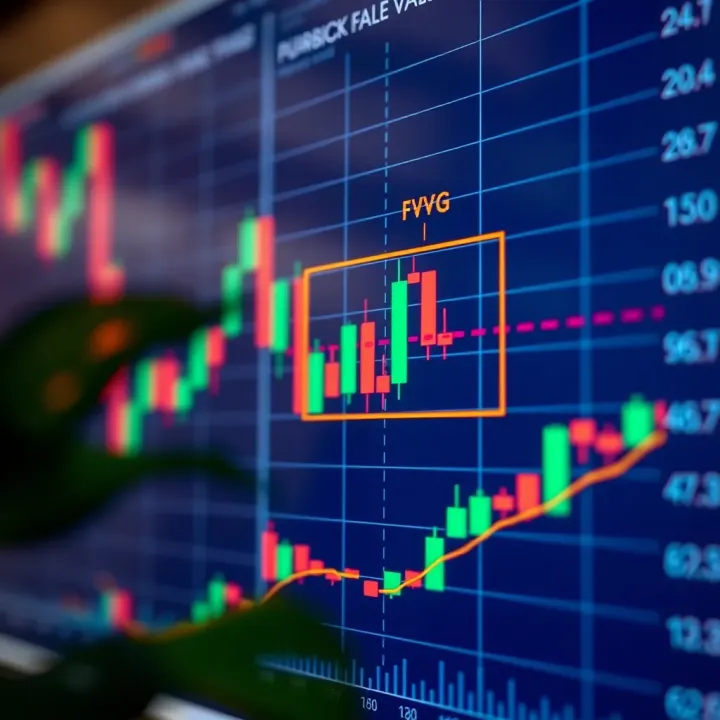
Learn how Fair Value Gap (FVG) guides smart forex trading in Nigeria 🇳🇬. Spot gaps, read price actions and manage risks to boost your ₦ returns effectively.
📈 Learn forex trading basics tailored for Nigerians 🇳🇬, covering market terms, local strategies, and how to trade safely in Nigeria's ₦ financial scene.
Based on 15 reviews