

Solana Price Prediction: Trends and Future Outlook
📈 Discover Solana price trends, key market factors, expert views, and risks. Get solid insights on where SOL might head for Nigerian investors and crypto fans. ₦
Edited By
Sophie Lawson
Bitcoin’s price swings have caught the eyes of many investors and traders around the world, including Nigeria’s bustling fintech and crypto community. For those trying to predict where Bitcoin will head next, understanding key factors shaping its value is non-negotiable.
Bitcoin price prediction isn’t just guesswork; it combines insights from historical price patterns, market demand and supply, technology updates, and global economic events. In Nigeria, where naira volatility and inflation often make traditional savings risky, many see Bitcoin as a potential store of value or investment vehicle. Still, its price can jump or tumble sharply, demanding a sharp grasp of what moves it.

Market Sentiment: News about government regulations, bans, or endorsements can cause immediate ripples. For instance, when the Central Bank of Nigeria (CBN) announced restrictions on crypto transactions in 2021, Bitcoin trading volume in Nigeria shifted, influencing local prices.
Supply and Demand: Bitcoin’s hard cap of 21 million coins and the halving events every four years reduce new supply, often pushing prices upward if demand holds steady or rises.
Technological Advances: Upgrades like the Taproot soft fork upgrade or developments in blockchain scalability can improve Bitcoin’s utility, thus affecting investor confidence.
Global Economic Factors: High inflation or currency depreciation, like that seen with naira, can push Nigerians to seek Bitcoin as a hedge. Conversely, global crises can cause risk aversion, pulling investors back to traditional assets.
Several approaches exist, including technical analysis (studying past price charts), fundamental analysis (assessing Bitcoin’s adoption and network health), and sentiment analysis (gauging investor mood via social media and news). Combining these approaches gives a better chance of meaningful forecasts.
Remember, predicting Bitcoin prices is complex. Even experts often miss sudden moves. Pragmatic investors balance analysis with risk management.
Understanding these factors helps Nigerian traders and investors make smarter decisions rather than chasing hype. In the sections ahead, we will explore these drivers in detail, unpack common prediction techniques, and discuss how local conditions in Nigeria impact Bitcoin’s future value.
Grasping Bitcoin's price history and its volatile nature is essential for anyone keen on predicting its future value. Bitcoin, unlike traditional currencies, has experienced wild price swings that can greatly impact investors' decisions. By studying these past movements, traders and analysts can better gauge potential price directions and prepare for sudden changes.
Bitcoin started practically worthless in 2009 but saw its first notable price jump in 2010 when a programmer famously bought two pizzas for 10,000 bitcoins. That marked one of the earliest public recognitions of Bitcoin’s monetary value. Fast forward to 2013, Bitcoin surged past ₦300,000 (around $2,000 then), propelled by growing interest and use case explorations. Key milestones include the 2017 bull run, pushing prices close to ₦40 million ($20,000), and the 2021 peaks nearing ₦80 million ($40,000), reflecting increasing adoption.
Each spike often followed a pattern of hype, media coverage, and speculative trading. However, these highs were commonly followed by steep corrections or bear markets, demonstrating Bitcoin's inherent volatility.
Investor sentiment has a powerful influence on Bitcoin’s daily price. When optimism spreads—often sparked by positive news, celebrity endorsements, or institutional adoption—prices tend to rise rapidly. For example, tweets from influential figures have occasionally triggered sharp inflows or sell-offs within hours. Conversely, fear, uncertainty, or panic selling can cause sudden price dips. This herd behaviour, especially among retail investors, amplifies Bitcoin's price fluctuations.
Traders watching sentiment indicators such as the Fear & Greed Index or social media trends often adjust their positions accordingly, making sentiment both a cause and effect of price movements.
Regulatory developments are another major factor behind bitcoin price swings. Announcements of crackdowns or bans—like China’s prohibition of crypto trading and mining in 2021—have sent prices tumbling. In Nigeria, the Central Bank’s 2021 directive banning banks from crypto transactions dented trading volumes and stirred uncertainty.
On the flip side, regulatory clarity and support can boost confidence. When governments investigate policies favouring crypto adoption or legal recognition, it can trigger price rallies by reassuring cautious investors. Thus, staying informed of global and local regulation is vital for navigating Bitcoin’s market.
Bitcoin’s underlying technology is not static. Software upgrades known as “soft forks” or “hard forks” introduce new features, fix bugs, or improve security. The SegWit upgrade in 2017, which enhanced transaction speed, helped make Bitcoin more scalable, positively impacting its value by supporting higher transaction volumes.
However, forks—splitting the network into separate coins—can introduce confusion and sell pressure. The Bitcoin Cash fork in 2017 divided the community and temporarily destabilised prices. Investors track these technological events closely because they affect Bitcoin’s utility and market perception, which in turn impacts price.
Understanding how these factors interconnect offers Nigerian traders and investors practical tools to interpret Bitcoin’s price dynamics and make smarter investment decisions.
Understanding what drives Bitcoin's price today is essential for anyone interested in trading or investing in the cryptocurrency market. These drivers not only reflect the shifting tides in the global economy but also highlight how technological advancements and investor confidence shape Bitcoin's value. Nigerian investors, in particular, should watch these factors closely to make informed decisions amidst local economic challenges like naira depreciation and inflation.
Inflation eats away at the purchasing power of traditional currencies, pushing investors to seek alternatives like Bitcoin. In Nigeria, where inflation has hovered above 20% severally, many see Bitcoin as a store of value that resists local currency devaluation. This growing demand tends to push Bitcoin's price upwards as more people shift funds into crypto assets.
However, the relationship is not straightforward; global inflation trends also impact Bitcoin’s appeal. When inflation rises worldwide, especially in major economies like the US or EU, the demand for Bitcoin as a hedge can increase, influencing its price movement on international markets.
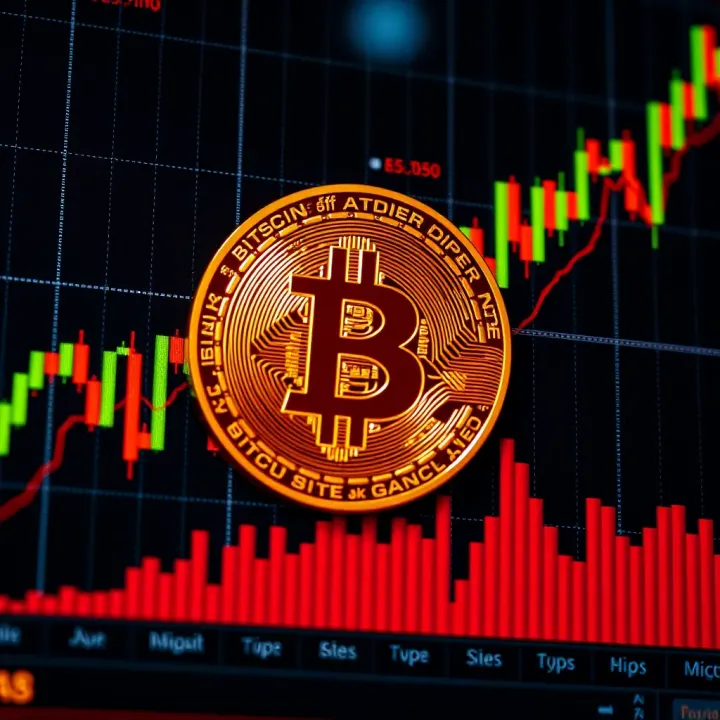
Monetary policies, particularly interest rate changes by central banks, heavily affect asset prices across global markets. When the US Federal Reserve raises interest rates, for example, investors may pull funds from riskier assets like Bitcoin to safer government bonds. Conversely, lower interest rates make Bitcoin and other cryptocurrencies more attractive as investors search for better returns.
For Nigerian investors, this means watching monetary policies abroad as they indirectly sway Bitcoin's price. At the same time, the Central Bank of Nigeria's own monetary stance, including its intervention in foreign exchange, can affect how accessible Bitcoin becomes for local buyers.
The boom in fintech companies in Nigeria, such as OPay and Paystack, has significantly lowered the barriers for Nigerians to buy and sell Bitcoin. These platforms often integrate USSD codes and mobile apps that allow seamless crypto transactions even without sophisticated tech knowledge or bank accounts.
Increased fintech involvement has broadened Bitcoin's user base, pushed liquidity higher, and contributed to less volatile pricing within the Nigerian market. This trend makes Bitcoin investment more practical, especially in areas where traditional banking is limited.
Institutional interest in Bitcoin has grown globally, with companies like Tesla and MicroStrategy publicly investing billions in Bitcoin assets. Such endorsements boost investor confidence, often leading to price rallies as retail and institutional investors follow suit.
In Nigeria, while corporate crypto investment is less visible, fintech startups and payment service providers backing Bitcoin adoption reflect growing acceptance. Nigerian businesses considering Bitcoin either as reserves or payment options could further solidify Bitcoin’s local ecosystem, possibly stabilising its price in the long term.
Mining remains the backbone of Bitcoin’s network, affecting both supply and the currency’s environmental image. The energy consumption concern has led miners to seek greener solutions, influencing public perception and regulatory responses.
For Nigerian investors, understanding mining dynamics is important because any shift in mining locations or costs—say due to electricity prices or government policies—can impact Bitcoin’s price. Also, developments in mining technology may change how quickly new bitcoins enter the market, potentially affecting supply-demand balance.
Bitcoin’s network occasionally undergoes upgrades to improve scalability, security, or transaction speeds. Improvements such as the Taproot upgrade have enhanced privacy and scripting functionality.
These technical enhancements reassure investors about Bitcoin's viability and can spark positive price movements. Keeping an eye on blockchain development discussions tells investors when significant shifts may affect Bitcoin's utility and thus its market value.
In summary, grasping the interplay of economic trends, growing adoption, and technological changes is vital to predicting Bitcoin's price movements today. Nigerian investors and traders should consider these factors alongside local market realities to navigate this volatile space with greater confidence.
Predicting Bitcoin's price is no walk in the park due to its notorious volatility and the many factors influencing it. Yet, traders and investors rely on certain established methods to get a clearer view of likely price movements. Understanding these methods helps one make informed decisions rather than guesswork. In Nigeria’s fast-growing crypto scene, these tools and approaches provide practical ways to navigate Bitcoin’s price fluctuations.
Moving averages and trend lines are foundational tools in technical analysis. Moving averages smooth out price data over a set period, helping traders identify ongoing trends. For instance, a 50-day moving average might show whether Bitcoin is generally in an upward or downward phase. Trend lines connect past price points and reveal support and resistance levels, indicating where prices may bounce or stall. Nigerian traders often watch these lines closely on platforms like Binance or Luno because breaking a key trend line could signal a sharp price move.
RSI, MACD, and volume indicators dig deeper into market momentum and strength. The Relative Strength Index (RSI) measures if Bitcoin is overbought or oversold; values above 70 often warn of an overbought condition, possibly leading to a price drop. The Moving Average Convergence Divergence (MACD) highlights changes in momentum by comparing fast and slow moving averages, signalling potential buy or sell events. Volume indicators track the number of trades and can confirm price moves—high volume alongside price rise suggests strong buying interest. Together, these help Nigerian investors time entries or exits better.
On-chain metrics like active addresses and transaction volume offer direct insight into Bitcoin’s actual usage and network health. An increase in active Bitcoin addresses often indicates growing interest or adoption, which can support price rises. Conversely, declining transaction volumes may hint at waning enthusiasm or liquidity. For example, a rise in peer-to-peer (P2P) Bitcoin trading volumes in Nigeria, particularly amid naira instability, reflects demand that might influence Bitcoin’s wider valuation.
Macro-trends affecting supply and demand cover factors beyond immediate trading data, such as halving events that cut Bitcoin’s issuance rate or broader economic conditions like inflation. Each Bitcoin halving reduces the number of new coins entering circulation, typically nudging prices higher over time. Meanwhile, inflation and currency depreciation in Nigeria push investors toward Bitcoin as a store of value, affecting demand. Understanding these trends helps investors anticipate longer-term price directions beyond daily market noise.
Social media signals and market psychology strongly influence Bitcoin’s short-term price swings. Platforms like Twitter and Reddit create buzz that can quickly drive demand or panic selling. Nigerian crypto communities on Telegram and WhatsApp also contribute local sentiment, especially related to regulatory news or fintech innovations like OPay’s crypto services. Tracking hashtag trends or sentiment scores can reveal shifting moods before official data reports.
Effect of media coverage on price movement is equally significant. Positive stories about institutional adoption or new regulations may boost prices, while news of bans or exchange hacks typically triggers falls. Nigerian media coverage also shapes local investors’ confidence, often impacting volumes on exchanges. For example, earlier reports about the Central Bank of Nigeria’s stance on cryptocurrency influenced market activity considerably.
Using a mix of technical, fundamental, and sentiment analyses gives a broader perspective on Bitcoin’s future price. No single method suffices, but combined, they help traders and investors make balanced decisions suited to Nigeria’s evolving crypto market.
Expert predictions offer valuable guidance for investors and traders navigating Bitcoin's volatile market. These forecasts combine data analysis, market trends, and regulatory insights to shape expectations about Bitcoin’s future price. Understanding diverse expert opinions helps investors set realistic goals, identify opportunities, and prepare for potential risks.
Some analysts foresee Bitcoin reaching new highs based on increasing institutional interest and global adoption. For example, certain market influencers predict Bitcoin crossing the ₦50 million mark within the next few years, citing expanded fintech integrations and growing use cases in payments. This optimism usually hinges on Bitcoin’s fixed supply and rising inflation in major economies, including Nigeria, driving investors to view it as a digital hedge against currency devaluation. Long-term holders typically see Bitcoin as a store of value, much like digital gold, expecting price appreciation despite short-term swings.
This positive outlook encourages Nigerian investors to consider Bitcoin for portfolio diversification and protection against naira instability. However, the bullish stance often comes with the advice to stay patient and avoid knee-jerk reactions to market dips.
On the flip side, some experts stress caution, warning that Bitcoin’s price can experience sharp corrections triggered by regulatory shifts or speculative bubbles bursting. These sceptics often point to Bitcoin’s history of volatile crashes, such as the sharp downturn in 2018 following the 2017 bull run. They argue that overreliance on hype and social media momentum can lead to inflated valuations detached from real-world utility.
Practical advice from this camp urges investors to monitor market signals closely and use risk management strategies like stop losses. For Nigerian traders, this could mean setting clear entry and exit points and avoiding overexposure, especially given the naira’s volatility and economic uncertainties.
Increased government scrutiny can heavily influence Bitcoin’s price trajectory. Nigeria’s SEC or the Central Bank of Nigeria (CBN) enforcing stricter policies on crypto trading platforms, KYC (Know Your Customer) processes, or digital asset taxation could dampen demand. Globally, moves by major economies to regulate cryptocurrencies—through bans or rigorous frameworks—often cause immediate price dips due to uncertainty.
For Nigerian investors, staying informed about regulatory developments and complying with local laws is critical. Being ahead of policy changes can help avoid sudden losses and enable them to adjust strategies accordingly.
Emerging markets, including Nigeria, have become important drivers of Bitcoin’s growth. Increased smartphone penetration and fintech services such as OPay and Paystack facilitate easier access to crypto trading. Higher adoption rates in these regions can boost demand, potentially pushing prices upward as more people use Bitcoin for remittances, savings, and payments.
The extent of adoption in countries with unstable currencies often correlates strongly with Bitcoin’s acceptance as an alternative store of value. Nigerian investors' growing familiarity with crypto tools could increase participation, shaping Bitcoin’s market dynamics locally and globally.
Staying attuned to expert insights, regulatory shifts, and adoption trends is essential for making informed Bitcoin investment decisions in Nigeria’s complex economic landscape.
Overall, understanding these expert views and market conditions provides Nigerian investors with a clearer picture of Bitcoin’s potential paths and prepares them to capitalise on opportunities while managing risks effectively.
Investing in Bitcoin presents both significant rewards and risks, especially for Nigerians navigating a unique economic environment. Understanding the potential pitfalls and opportunities allows investors to make informed decisions that balance growth with security. This section highlights practical tips tailored to Nigeria’s market realities, including volatility management, asset protection, and utilising local fintech solutions.
Safeguarding Bitcoin starts with choosing the right wallet. Nigerians should consider hardware wallets or reputable software wallets with strong encryption to prevent hacks. For example, hardware wallets like Ledger or Trezor keep private keys offline, reducing exposure to online threats. Enabling two-factor authentication (2FA) and regularly updating wallet software are simple but effective ways to enhance security.
Investors should never share their private keys or passwords and avoid storing large amounts of Bitcoin on exchanges. While platforms like Binance or Luno offer convenience, they remain vulnerable to cyber-attacks. Using cold storage — wallets disconnected from the internet — is a practical defense, especially for long-term holders in Nigeria's challenging cyber environment.
Bitcoin’s price is famously volatile, swaying sharply within days or even hours. Nigerian investors must accept this while applying risk management strategies. Diversifying investment portfolios to include other assets like stocks or real estate can cushion against sudden Bitcoin dips. Setting stop-loss orders on trading platforms helps limit losses when prices fall beyond a set point.
Practical risk management also means investing only what you can afford to lose. Given Nigeria’s economic fluctuations and inflationary pressures, it’s tempting to treat Bitcoin as a quick fix for wealth. Yet, prudent investors weigh potential gains against market unpredictability and maintain liquidity to cover personal needs during downturns.
Local fintech firms have made Bitcoin trading and payments more accessible for Nigerians. Platforms like OPay and Paystack simplify buying and selling Bitcoin by integrating with Nigerian bank accounts and mobile money services. This ease of access encourages wider participation, especially among retail investors who previously faced hurdles with international exchanges.
These services often include user-friendly apps and integration with local payment methods, allowing seamless funding using Naira. For example, an investor can quickly convert naira to Bitcoin and back without struggling with conversion fees or delays. Leveraging these fintech tools helps Nigerians tap into Bitcoin’s potential without the complexities of international platforms.
Naira’s instability due to inflation and currency devaluation creates both risk and opportunity in Bitcoin investment. Rising inflation erodes cash savings, prompting Nigerians to seek Bitcoin as a hedge against currency weakness. However, exchange-rate unpredictability can squeeze returns if investors don’t time conversions carefully.
It’s wise to monitor the Central Bank of Nigeria’s monetary policies and trending naira exchange rates in parallel with Bitcoin price movements. For instance, during periods of naira devaluation, an increase in Bitcoin's value in dollars may translate to higher local returns. But sudden policy changes or FX restrictions can complicate withdrawal or reinvestment. Thus, thorough planning and awareness of Nigeria's macroeconomic shifts matter when integrating Bitcoin into broader financial strategies.
Nigerian investors face a complex mix of volatility, opportunity, and security challenges in Bitcoin investing. Vigilance, use of local fintech platforms, and understanding naira's impact can improve outcomes significantly.
By respecting these realities and adapting to market signals, Nigerian investors can navigate Bitcoin with greater confidence and practical success.
📈 Discover Solana price trends, key market factors, expert views, and risks. Get solid insights on where SOL might head for Nigerian investors and crypto fans. ₦
Explore Aptos price prediction 📈 for Nigeria with market trends, key factors, and expert insights that could shape its value soon. Stay informed!
🚀 Get today’s bitcoin price forecast with sharp insights on market trends, local economic factors, and smart tips for Nigerian investors navigating ₦ volatility.

📈 Discover Ethereum (ETH) price forecasts and key market factors shaping its future value. Perfect guide for Nigerian investors navigating crypto’s ups and downs.
Based on 8 reviews