
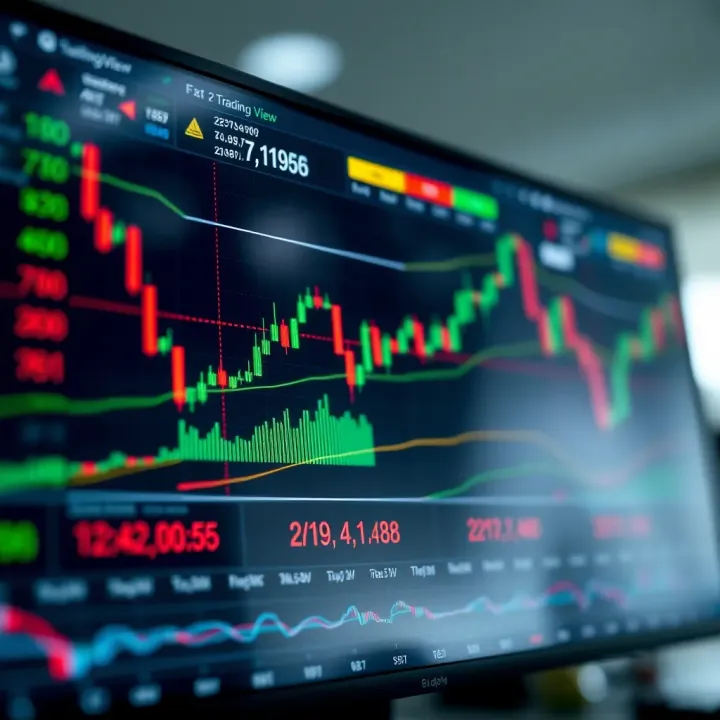
Using TradingView and Deriv Together for Smarter Trades
Discover how TradingView's charts and Deriv's platform work together. Learn account setup, risk tips, and handle trading challenges in Nigeria 🇳🇬📈💼
Edited By
George Spencer
Trading in Nigeria's volatile markets demands more than just luck; it requires smart tools and practical strategies. Deriv, a widely used trading platform, offers access to various financial markets with user-friendly features tailored for both beginners and experienced traders. Meanwhile, TradingView is known for its sophisticated charting capabilities and diverse technical indicators that help traders make sense of market movements.
By combining Deriv’s trading functionalities with TradingView’s advanced technical analysis, Nigerian traders can build a sharper edge. For example, you can monitor real-time price actions and apply custom indicators on TradingView before executing trades directly on Deriv. This approach helps avoid impulsive decisions, especially during the ember months when market swings tend to intensify.
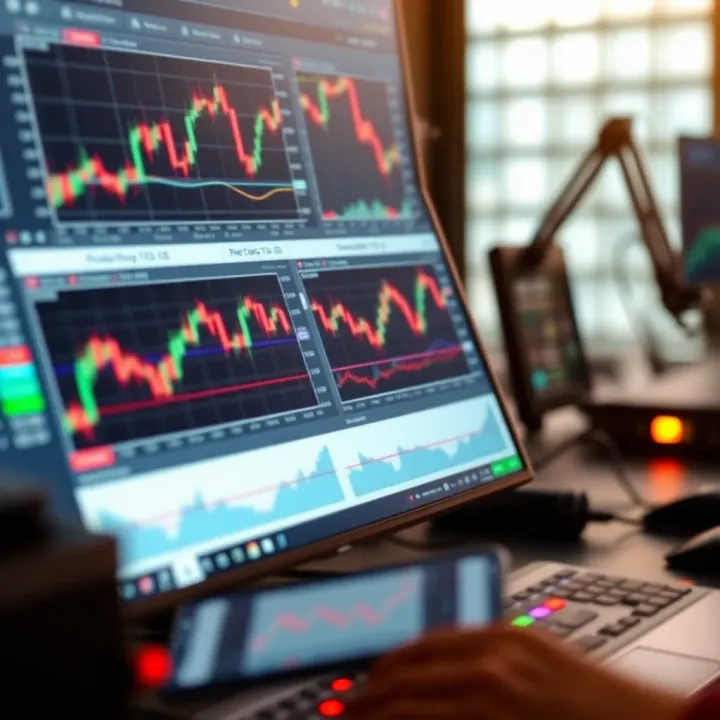
Traders should consider the following practical steps:
Use TradingView’s alert system to notify you when key support or resistance levels are met, then confirm on Deriv before entering or exiting trades.
Analyse multiple timeframes on TradingView to spot emerging trends; this layered view is often missing if you rely solely on Deriv’s basic charts.
Leverage Deriv’s range of contracts like forex and commodities while testing hypotheses developed through TradingView’s indicators such as RSI or Bollinger Bands.
Nigerian markets sometimes react unpredictably to local and global news. Using both platforms together gives you deeper insight and timely reaction capability.
Setting up integration is straightforward: many traders simply use TradingView alongside Deriv on separate tabs or devices. For more advanced users, API linking might be an option, but this requires familiarity with coding and broker permissions.
Understanding how to combine these tools effectively can help manage risks better and improve profit consistency. While no strategy guarantees success, informed decisions backed by solid data considerably increase your chances.
This article will explore the features of each platform, integration tips, and practical examples tailored for Nigerian traders seeking to grow their ₦ portfolio systematically.
Understanding the strengths of both Deriv and TradingView is crucial for making smarter trading decisions. Each platform offers tools that cater to different stages of trading: Deriv focuses on execution and market access, while TradingView excels in analysis and charting. For Nigerian traders, combining these platforms can sharpen entry and exit strategies, improving overall trading performance.
Deriv presents a broad selection of markets including forex, cryptocurrencies, commodities, and synthetic indices. This variety allows Nigerian traders to diversify their portfolios rather than depend on just one asset class. For example, while naira currency volatility might affect forex trades, synthetic indices provide an alternative market less tied to local currency fluctuations.
Deriv’s platform is designed with simplicity and efficiency in mind. Traders can easily monitor multiple market instruments with customisable dashboards. Features like instant trade confirmation and demo accounts make it easier for beginners to practice and for experienced traders to execute timely decisions. The smooth interface supports both desktop and mobile access, accommodating Nigerian traders navigating busy environments such as Lagos traffic or power interruptions.
Deriv supports several local payment methods, including bank transfers and popular digital wallets familiar to Nigerians. This reduces the hassle of currency conversion and lengthy processing times. Moreover, traders can fund their accounts directly in Naira (₦), avoiding extra forex fees. This practical feature helps Nigerian traders manage capital more efficiently, especially amid fluctuating exchange rates.
TradingView provides an impressive range of chart types and technical indicators like moving averages, RSI, MACD, and Fibonacci retracements. These tools help traders identify market trends, entry points, and potential reversals clearly. For instance, a trader analysing oil prices can overlay multiple indicators to determine the best time to open or close a trade on Deriv.
One of TradingView’s distinct advantages is its active community of traders who share strategies and market insights. Nigerian traders benefit from this collective intelligence by browsing ideas relevant to local and global markets. Additionally, customisable alerts notify users of specific price movements or indicator signals, ensuring they don’t miss critical trading opportunities while on the move.
TradingView’s platform is accessible on both desktop and mobile apps, providing flexibility for Nigerian traders constantly on the go. Whether stuck in Danfo traffic or away from an office desk, users can track live charts, receive alerts, and execute strategies anywhere. This adaptability aids in maintaining trading discipline despite common connectivity and power challenges in Nigeria.
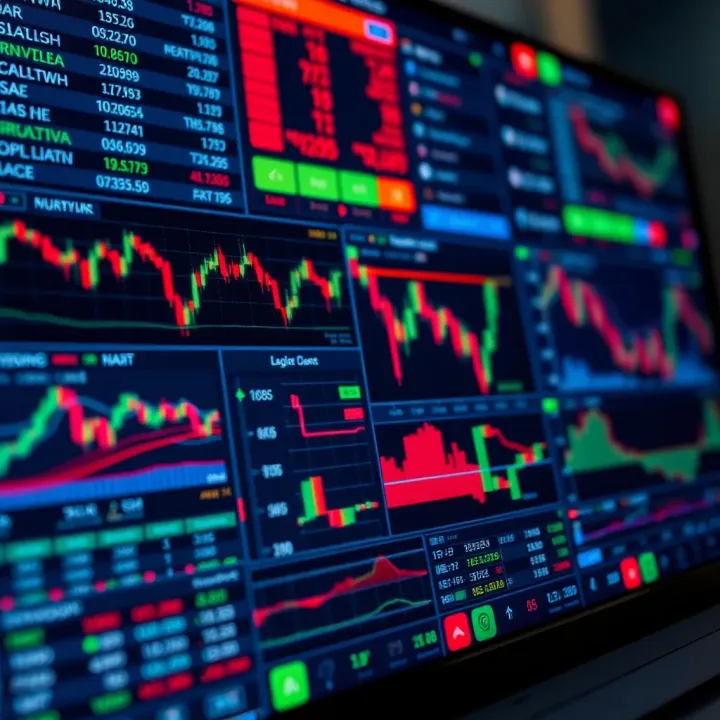
Combining the practical advantages of Deriv’s accessible trading environment with TradingView’s robust analysis tools equips Nigerian traders with a powerful approach. It allows for well-informed, timely decisions, increasing the chances of consistency in the unpredictable markets.
For serious traders in Nigeria, combining Deriv’s trading platform with TradingView’s charting tools helps make smarter decisions backed by solid technical analysis. Deriv offers easy access to various assets like forex, indices, and commodities, while TradingView provides detailed charts and indicators that reveal market trends you won’t catch by eye alone. This blend enables you to analyse price movements with precision before placing trades, increasing the chances of making profitable moves.
TradingView allows traders to follow live price changes across multiple markets. Setting up real-time data is essential because it lets you spot entry and exit points immediately, without delay. In Nigeria, where internet stability can sometimes be a challenge, pairing TradingView’s quick updates with Deriv’s platform ensures you don't miss out when markets shift unexpectedly. For example, if you notice sharp movements on TradingView during the London or New York sessions, you can swiftly replicate your intended trade on Deriv.
Certain indicators work well for the typical assets traded on Deriv. Moving averages help smooth out price fluctuations and indicate the general trend, whether bullish or bearish. Relative Strength Index (RSI) highlights overbought and oversold conditions, signalling potential reversals. Bollinger Bands show volatility levels and price breakouts. These indicators give Nigerian traders a clearer understanding of when to open or close positions, especially in markets prone to sudden spikes due to naira volatility or global economic events.
Support and resistance denote price points where a market tends to stop falling or rising. Recognising these on TradingView charts is crucial for timing your trades on Deriv. Say, the price of gold is repeatedly bouncing between ₦8,000 and ₦8,200 per gram; this range forms a support and resistance zone. Placing trades near these zones can improve your risk management by setting stop losses just beyond these levels.
While TradingView shows signals from indicators or community analyses, you must interpret them yourself before placing trades on Deriv. For example, if an RSI crossover suggests an overbought asset, you might decide to sell on Deriv manually. This step avoids blind copying, encouraging understanding and discipline, which are vital for trading in Nigeria’s volatile markets.
TradingView’s alerts notify you when specific price levels or indicator conditions occur. Using these for Deriv trading means you won’t sit glued to your screen but can act promptly when a signal emerges. Setting alerts for support breaks or RSI extremes helps you catch trading opportunities even during busy Lagos traffic or power cuts.
Dependence on TradingView signals alone without checking underlying market factors can be risky. Market news, sudden naira fluctuations, or local economic policies might cause price movements that charts can't predict. Blindly executing trades based on signals only could lead to losses. Nigerian traders must combine signals with market knowledge, ensuring careful decision-making rather than mechanical trading.
Successful trading combines good tools with sharp judgement. Using TradingView charts alongside Deriv gives you both — insight and execution — but you must stay alert and not depend on signals alone.
Setting up and integrating Deriv with TradingView properly is key to making smarter trading decisions. Without the right foundation, you risk losing time or money due to avoidable errors. This section highlights practical steps Nigerian traders should take to streamline their workflow and maximise the benefits of both platforms.
Opening verified accounts on Deriv and TradingView is the first step. Verification involves submitting your identification documents like a Nigerian national ID (NIN) or international passport, which confirms your identity and enables access to full trading features. Verified accounts improve security and reduce risks associated with fraudulent activities. For instance, Deriv requires verification for deposit and withdrawal processes, making it essential to complete this early to avoid delays.
Customising your chart layout on TradingView improves your analysis efficiency. You can save preferred indicators, timeframes, and colour schemes to create a personalised workspace that suits your strategy. Since Nigerian traders often monitor multiple markets, setting up templates with specific assets like forex pairs or commodities helps switch quickly between charts without wasting time adjusting settings every session.
Linking payment methods on Deriv is vital for smooth funding and withdrawals. Nigerian traders should connect local payment options like GTBank USSD, Paystack, or Flutterwave to avoid currency conversion challenges and delays. Funding your account early means you won’t miss critical entry points due to financial glitches. For example, setting up a continuous funding source like bank transfer or card payment ensures you can top up your Deriv account quickly when market opportunities arise.
Managing internet and data usage efficiently is essential considering Nigeria’s often fluctuating network quality. Traders should use data-saving modes or offline chart options on TradingView's mobile app to maintain access during spotty connections. Nigerians relying on limited data bundles can schedule major updates or downloads to cheaper hours, cutting costs while keeping charts current.
Using mobile apps during Lagos traffic or on the go offers flexibility. TradingView and Deriv apps let you track market movements, receive alerts, and place trades without being stuck at your desk. This helps traders make quick decisions, especially during the ember months when volatility spikes. For instance, you might spot a breakout while in a danfo and act immediately instead of waiting to return home.
Finally, planning for power outages and low connectivity safeguards your trading routine. Backup solutions such as power banks, Uninterruptible Power Supplies (UPS), or switching to mobile data from stable providers like MTN or Airtel help maintain uptime. Traders in areas prone to cuts might also keep a demo account to test strategies without interruption until normal service resumes.
To trade smart in Nigeria, setting up your platforms and workflow with local realities in mind is non-negotiable. Proper accounts, tailored charts, reliable payments, and connectivity plans let you focus on markets instead of tech troubles.
Trading with Deriv and using TradingView's analytical tools bring great opportunities, but Nigerian traders need to be mindful of specific challenges that could affect their success. These challenges include market volatility tied to currency fluctuations and price slippage, as well as regulatory and payment-related issues that can influence your trading experience. Understanding these hurdles can help you make smarter, more informed decisions.
The frequent fluctuation of the naira directly impacts your trading capital’s value. When the naira weakens sharply against major currencies, the real value of your funds can shrink, meaning your buying power on platforms like Deriv diminishes even if your account balance looks unchanged. For example, a trader who funds their account with ₦200,000 today might see the effective value drop if the naira depreciates before they convert back to naira after trading.
Unexpected price movements are common in volatile markets like forex and CFDs, which Deriv offers. These swings may happen overnight or during major news events, with prices moving rapidly beyond your expected margins. Such shifts can wipe out profits quickly or increase losses if not managed properly. Nigerian traders should keep an eye on local and global economic news, since events affecting the naira or foreign markets can trigger sudden price changes.
Setting realistic stop-loss and take-profit levels is key to managing these risks. Rather than placing very tight stop-loss orders that trigger prematurely during normal volatility, set levels that respect the asset's typical price range. For example, if you know that a commodity often moves within a ₦20 range daily, placing a stop-loss inside that range might cause frequent unnecessary exits. This strategy helps protect your capital by allowing trades to breathe while keeping losses manageable.
The legal landscape for online trading in Nigeria remains somewhat unclear, with no explicit regulation defining the status of derivatives trading. While platforms like Deriv are accessible and widely used, traders should be cautious and ensure they deal with well-established, licensed operators to avoid legal entanglements or sudden shutdowns. Following updates from regulatory bodies like the Securities and Exchange Commission (SEC) Nigeria is advisable.
Deposit and withdrawal processes can be tricky due to the naira’s volatility and banking restrictions. Nigerian banks may delay international transactions or apply unfavourable exchange rates, leading to longer waiting times and reduced returns. Using platforms that support local payment options like USSD code transfers, local banks, or fintech wallets such as OPay or PalmPay can make funding and withdrawing easier and faster, though fees and timing vary.
Avoiding scams and unregulated platforms is essential. Many fraudulent sites target Nigerian traders by promising unrealistic returns or offering fake signals. Before trading, verify a platform’s legitimacy by checking licences, reading user reviews, and confirming compliance with Nigerian financial rules. Deriv and TradingView are reputable choices, but always stay alert to phishing attempts, suspicious links, or unsolicited investment advice that could jeopardise your account and capital.
Nigerian traders must balance opportunity with caution. By understanding local market dynamics and regulatory nuances, you safeguard your investments and make the most of tools like Deriv and TradingView for smarter trading.
Mastering Deriv and TradingView tools isn’t just about knowing how to set up trades or read charts. It’s also about sharpening your trading skills and adopting strategies that fit Nigeria’s unique market conditions. This section zeroes in on two critical areas: understanding the basics of technical analysis and managing your money smartly. Together, these tips will help you make better decisions, protect your capital, and gradually build a sustainable trading approach.
Interpreting candles, trends, and volume on TradingView charts is foundational for any trader. Candlestick patterns tell stories about market psychology—whether buyers or sellers have the upper hand. For instance, a long green candle often signals strong buying interest, while a series of such candles may indicate an upward trend. Volume adds weight to these signals by showing how many traders are active at a price point. Imagine a scenario where a price shoots up on low volume; this might be a false rally. But if volume confirms the move, the trend likely has teeth.
Combining multiple indicators improves your confidence before executing a trade on Deriv. For example, layering the Relative Strength Index (RSI) with Moving Averages can help confirm if an asset is genuinely overbought or oversold. If both indicators point to a buy signal, you have a stronger case. Many beginners rely on a single tool and jump into trades prematurely, which can be costly. Using several indicators acts like a filter, reducing false signals.
Avoiding common beginner mistakes is essential for preserving your capital. One frequent error is chasing quick profits without proper analysis. Another is poor stop-loss placement, which can wipe out gains. As a Nigerian trader, it’s easy to get caught in hype, especially during volatile periods when the naira fluctuates sharply. Steer clear of emotional trading, over-leveraging, and ignoring risk management rules. These mistakes tend to push many into early losses.
Setting limits on capital for each trade protects you from hitting major losses. A general rule is to risk no more than 1–2% of your total trading capital on any single transaction. For instance, if you have ₦100,000, avoid risking more than ₦1,000–₦2,000 per trade. This approach ensures that even a string of losses won’t drain your funds completely and lets you learn while staying in the game.
Demo trading on Deriv before putting real money on the line allows you to practise strategies without financial risk. It’s especially helpful for Nigerians who are new to online trading or those testing how to apply TradingView signals practically. Demo accounts simulate real market conditions but with virtual funds. Treat it seriously, replicating your real trading plan to build discipline and confidence.
Tracking your performance and adapting strategies help you grow as a trader. Keep a simple journal or spreadsheet of all trades: entry points, exit points, profits, and losses. Over time, you’ll spot patterns in what works and what doesn’t for your style and the Nigerian market quirks. Based on this data, tweak your approach. For example, you might learn that certain indicators work better with currency pairs involving the naira or that trading during Lagos rush hour causes execution delays, prompting you to adjust timing.
Consistent success in trading demands more than just tools. It requires ongoing learning, preparation, and the discipline to stick with proven methods suited to local realities.
Adopting these practices with Deriv and TradingView will equip you to face market volatility, protect your funds, and improve your chances of turning a profit in Nigeria’s fast-evolving trading space.
Discover how TradingView's charts and Deriv's platform work together. Learn account setup, risk tips, and handle trading challenges in Nigeria 🇳🇬📈💼
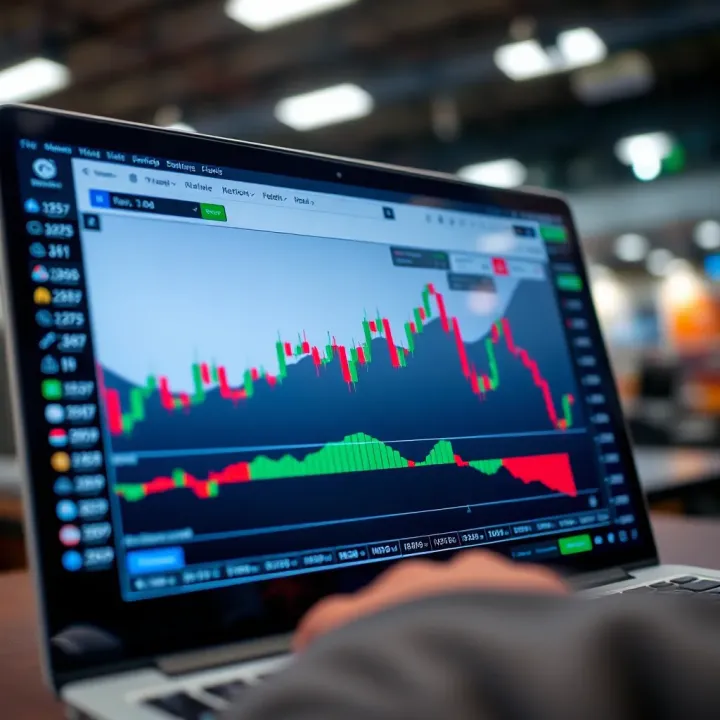
Boost your trading on Deriv by integrating TradingView charts 📈. Learn setup, customization, common issues, and tips for smarter trades today!
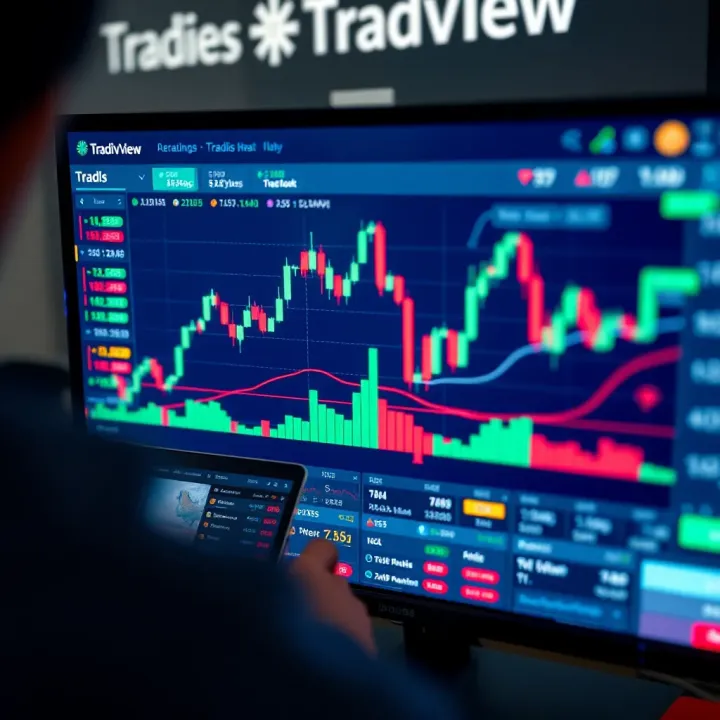
📊 Discover how to combine TradingView's powerful charts with Deriv platform for sharper trading insights. Perfect guide for Nigerian traders seeking smarter online deals.
📈 Discover how to trade smarter on app.deriv! Learn about account types, supported markets, secure setup, and tips tailored for Nigerian traders.
Based on 14 reviews