
XRP Price Prediction and Analysis for Nigeria
Explore detailed XRP coin price predictions with insights on market trends 📈, regulations ⚖️, and expert analysis, tailored for Nigerian investors 🇳🇬.
Edited By
Thomas Green
XRP has seen its fair share of ups and downs, making it a fascinating digital asset to watch—especially for folks in Nigeria who are keen to tap into crypto’s potential. Understanding what moves XRP's price isn't just for the tech nerds or Wall Street bigwigs; it matters for everyday investors, traders, and entrepreneurs alike.
In this article, we'll break down the main factors that influence XRP’s price, digging into market trends, historical ups and downs, and what experts are saying about where it might head next. The goal is straightforward: give you a solid grip on what’s driving XRP’s value so you can make smarter moves without the guesswork.
Whether you're analyzing charts, thinking long-term, or just curious about the crypto buzz in Nigeria, knowing these basics will help you spot opportunities and risks. So let’s get right into it—no fluff, just the essentials you need to understand XRP price movements and future predictions.
Understanding XRP’s place in the cryptocurrency world is essential for anyone interested in its price movements and future potential. XRP isn't just another digital token; it serves a specific purpose that sets it apart, and knowing this helps investors, traders, and analysts make better decisions.
XRP was created by Ripple Labs, mainly to improve cross-border payments. Unlike Bitcoin, which aims to be a digital store of value, XRP is designed to be a bridge currency that banks and financial institutions use to move funds quickly and cheaply across countries. For instance, a Nigerian bank could use XRP to send money to a partner bank in the UK almost instantly, avoiding the usual delays and fees of traditional systems.
Another important use is liquidity provision. XRP allows institutions to access liquidity on-demand without needing to pre-fund accounts overseas. This is a practical benefit often overlooked but one that significantly affects demand for XRP.
In the broader crypto space, XRP tends to function differently compared to coins like Ethereum and Bitcoin. It's more centralized due to Ripple Labs’ control over a significant portion of the tokens, which attracts both criticism and caution from some investors. However, its unique role in banking gives XRP a niche market that often shields it from some issues affecting other cryptocurrencies.
Moreover, XRP’s price generally reacts not only to typical market forces but also to specific events like Ripple’s ongoing legal battles with regulatory bodies or partnerships with large financial institutions. For example, when a major bank announces the adoption of RippleNet, XRP often sees a positive price reaction because it signals increasing real-world use.
To get a clear picture of XRP’s price trends, one must keep an eye not only on global crypto market shifts but also on developments within financial sectors and regulatory landscapes.
This section equips you with the foundational knowledge to understand why XRP’s market behaves the way it does, setting the stage for deeper dives into its price drivers and forecast analysis in later sections.
When it comes to understanding the price shifts of XRP, several key elements play a role beyond just the usual market hypes. For traders and investors in Nigeria, grasping these factors can offer a clearer edge when making decisions. XRP isn't just another crypto; its price wobbles are tightly linked to regulatory moves, how widely it's being used, and improvements in its tech backbone.
XRP's price is especially sensitive to legal news. Take the ongoing SEC lawsuit against Ripple Labs as a prime example. Such cases can shake investor confidence like a sudden storm. When there's talk about regulations tightening or easing, it usually causes immediate price reactions. For instance, back in late 2020 when the lawsuit started, XRP's value saw a sharp dip almost overnight. Traders should always keep an eye on announcements from financial authorities — any shifts could either open the floodgates or slam the doors shut for XRP trading in different regions.
Demand drives price, simple as that. XRP’s aim to fast-track cross-border payments catches a lot of attention, but how much it is adopted by banks and payment providers directly impacts its price. For example, when the Australian bank Westpac announced partnerships using Ripple's network to move funds faster, XRP received a spotlight boost. In Nigeria, where remittances form a big chunk of the economy, wider use of XRP could make it a preferred option, pushing demand (and prices) up. Keep an ear to the ground on industry deals and how businesses integrate XRP — these often signal potential price moves well before you see them happen.
The tech side might sound boring, but it plays a big part in XRP’s price story. Regular updates that speed up transactions, reduce costs, or increase security make the digital asset more attractive. Ripple’s continuous efforts to optimize the XRP Ledger can create waves in the market. For instance, if a new feature lets users move money faster while slashing fees, expect interest—and wagers—to pick up. Investors often watch these upgrades as clues for future growth potential, factoring in such improvements when assessing XRP’s value trajectory.
Understanding these factors—legal environment, adoption rates, and tech progress—helps paint a fuller picture of XRP’s market behavior, especially for those ready to make tactical moves in a fast-changing landscape.
Keeping these aspects in mind can help traders, investors, and entrepreneurs in Nigeria make smarter calls, rather than chasing price swings blindly.
Understanding the historical price movements of XRP is essential for traders and investors who want to make informed decisions. Past price behavior offers valuable clues about how XRP reacts to various market forces and external events. This background helps investors anticipate potential trends and avoid pitfalls often missed by casual observers.
By analyzing XRP’s price history, you can identify repeating patterns and significant turning points, which often guide future price action. For example, during the 2017 crypto boom, XRP saw a dramatic rise, surging from roughly $0.006 in January to nearly $3.40 by the end of December. This showed how market hype and broader adoption could swiftly push prices.
XRP’s price history is marked by sharp peaks and troughs that reflect crypto market volatility. One major price milestone occurred in early 2018 when XRP briefly climbed above $3, shortly after the surge in late 2017. But this was followed by a steep decline throughout 2018, with prices dropping below $0.30 by year’s end.
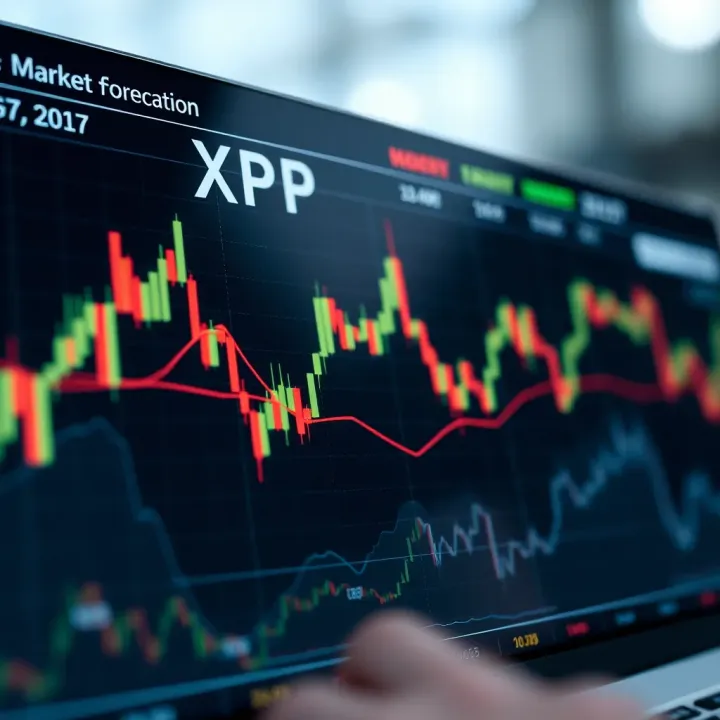
Such volatility is common in cryptocurrencies, but XRP’s swings are notably influenced by its integration in financial services and legal developments. For instance, sudden price drops often coincided with news about regulatory actions or XRP’s legal battles, affecting investor sentiment.
Multiple times, XRP has shown rapid rebound ability, bouncing back after a sharp fall. However, these rebounds are often punctuated by periods of sideways movement or slow decline, which underscore the need for patience and timing in trading XRP.
XRP doesn’t move in isolation; its price is closely linked to Bitcoin and the overall cryptocurrency market. Historically, Bitcoin acts as the market bellwether — when Bitcoin spikes or dives, XRP generally follows a similar trend, although sometimes with greater amplitude.
For example, during the 2021 crypto rally, Bitcoin’s rise toward $60,000 was accompanied by XRP reaching $1.96 in April. Conversely, the crypto market dip mid-2021 dragged XRP down sharply alongside Bitcoin and Ethereum, showing strong interconnectedness.
However, XRP sometimes diverges due to unique factors like its legal challenges with the SEC or partnership announcements with financial institutions. This individuality means investors who watch only Bitcoin might miss critical XRP-specific developments.
Understanding these correlations and divergences allows investors to better time entries and exits in XRP, by aligning moves in the broader crypto market with XRP’s unique drivers.
By studying XRP’s historical price movements, major milestones, volatility patterns, and its relationship with Bitcoin, traders in Nigeria and elsewhere can sharpen their investment strategies and better predict shifts in XRP’s price.
Understanding expert opinions on XRP’s future price is a key part of making well-informed investment decisions. These insights provide valuable context that goes beyond just numbers, reflecting deeper market sentiments and expectations shaped by fundamental and technical factors.
Experts usually combine data analysis, regulatory trends, and technological development news when forecasting XRP’s price. For example, a financial analyst might point out how shifts in policy from Nigeria’s Securities and Exchange Commission or Ripple’s ongoing efforts to expand partnerships could sway XRP value. Knowing these factors helps investors anticipate potential ups and downs rather than reacting to price swings blindly.
Analyst predictions often offer a broad view of where XRP might head based on current market conditions and historical data. Some firms track XRP’s price against technical indicators like moving averages and RSI (Relative Strength Index), suggesting possible bullish or bearish trends. For instance, during a recent period, analysts noted that XRP’s price holding above the 50-day moving average signaled possible upward momentum.
Market sentiment also shapes XRP’s near-term price fluctuations. This sentiment reflects how investors collectively feel—optimistic or cautious—often influenced by news or rumors. In Nigeria, social media platforms like Nairaland serve as active hubs where traders share their optimism or concerns, affecting local trading volumes and price trends on platforms such as Binance Nigeria.
"Understanding what the crowd feels is crucial – sometimes the price moves more from emotion than pure data."
Ripple’s legal battles, particularly with the U.S. Securities and Exchange Commission (SEC), remain a major wildcard for XRP’s price. While Nigeria-based traders might be geographically distant, global market dynamics impact liquidity and trading volumes everywhere.
Legal uncertainty tends to keep prices volatile. For example, positive developments—like case dismissals or favorable court rulings—may trigger price surges. On the flip side, unfavorable outcomes might lead to sell-offs due to fears of XRP being classified strictly as a security.
This legal drama means investors should stay up-to-date with court updates and expert legal commentary to better predict how these events might influence XRP. It's a practical step to balance optimism with caution, especially for those eyeing medium to long-term investments.
By combining analyst insights with an eye on legal progress, Nigerian investors get a well-rounded outlook, equipping them to react thoughtfully to an often unpredictable crypto environment.
Technical analysis serves as a cornerstone for many investors and traders looking to anticipate XRP price movements. Unlike fundamental analysis, which focuses on the intrinsic value and external factors like regulations or adoption, technical analysis zeroes in on past market data to forecast future trends. For XRP, given its high volatility and responsiveness to market sentiment, technical tools provide practical insights that help pinpoint entry and exit points.
Using technical analysis tools means interpreting charts and data like a weather forecast for your investment — it doesn’t guarantee perfect accuracy but offers a better chance of predicting how the price might behave next. By identifying patterns and trends, traders can make better-informed decisions, rather than relying solely on speculation or news buzz.
Chart patterns are visual formations created by XRP’s price movements over a set period. Recognizing these patterns can signal potential reversals or continuation of trends, giving traders a heads-up on the market's mood. Common patterns include:
Head and Shoulders: Usually suggests a reversal from bullish to bearish trend.
Triangles (symmetrical, ascending, descending): Often indicate a period of consolidation before a breakout.
Double tops and bottoms: Signal potential trend reversals after two failed attempts to breach a price level.
Indicators are mathematical calculations based on price, volume, or open interest, which help smooth out noise and reveal underlying trends. Popular examples with XRP include:
Moving Averages (MA): Simple and exponential moving averages can highlight support or resistance zones. For instance, if XRP’s price crosses above its 50-day MA, it might be a sign of bullish momentum.
Relative Strength Index (RSI): Measures overbought or oversold conditions; an RSI above 70 often warns of a potential pullback while below 30 suggests a rebound.
Using chart patterns alongside indicators creates a more reliable approach. For example, spotting a double bottom pattern accompanied by an RSI rising from oversold territory increases the likelihood of a price upswing.
Volume reflects the number of XRP coins traded in a given time and provides clues about the strength behind price moves. A price increase with high volume typically confirms the move’s validity, signaling genuine buying interest. Conversely, price fluctuations on low volume may indicate weak conviction and a possible false signal.
Momentum indicators, like the Moving Average Convergence Divergence (MACD) and Stochastic Oscillator, measure the speed and direction of price changes. These tools reveal when XRP is gaining or losing buying power, which can precede trend shifts.
For example, a bullish MACD crossover—where the MACD line crosses above the signal line—can hint at upward momentum picking up, encouraging traders to consider buying. Meanwhile, divergence between price and momentum indicators, such as XRP making new highs but MACD failing to follow suit, warns of a potential trend exhaustion.
Mastering volume and momentum can help traders avoid getting caught in fakeouts or late entries, especially in volatile assets like XRP.
By combining chart patterns, indicators, volume, and momentum, investors form a more rounded picture of XRP’s price action. These technical analysis tools don’t just help decode where the price could go—they assists in timing and managing trades effectively, crucial for navigating the rocky ride of crypto markets in Nigeria and beyond.
Before diving into XRP investments, understanding the potential risks is essential. Crypto markets are known for their unpredictability, and XRP is no different. Knowing what factors could affect your investment helps in making smarter decisions and prepares you for possible ups and downs.
XRP, like many cryptocurrencies, experiences significant price swings that can surprise even seasoned investors. For example, it’s not uncommon to see XRP’s price rise or fall by double-digit percentages within a single day. This kind of volatility can either amplify gains or increase losses quickly.
This fluctuation often stems from market sentiment changes, sudden news events, or shifts in trading volume. For instance, if a major exchange announces support or delisting of XRP, price movements can be drastic.
Investors should be aware that holding XRP without proper risk management strategies is like riding a roller coaster without a seatbelt. Setting stop-loss orders or limiting exposure protects against sudden dramatic drops in value. Most importantly, avoid investing money you cannot afford to lose.
Regulatory risks surrounding XRP, especially in Nigeria, cannot be overlooked. The ongoing legal issues Ripple Labs faces in the US have a ripple effect worldwide. For instance, uncertainties about whether XRP qualifies as a security influence investor confidence and market behavior.
Nigeria’s own crypto regulations are evolving, and any changes to how digital assets like XRP are treated could introduce new risks. Sudden regulatory announcements can trigger volatility or restrict access to XRP trading on local platforms.
Understanding the current legal landscape helps investors avoid surprises. Keeping an eye on official statements from bodies like Nigeria’s Securities and Exchange Commission (SEC) and international financial watchdogs gives clues about possible future restrictions or endorsements.
Risk management in crypto isn’t about avoiding risk altogether but about making informed bets and protecting your investments from known pitfalls.
By appreciating volatility’s reach and keeping regulatory developments in check, investors can navigate XRP’s choppy waters more confidently. Staying educated and cautious safeguards your holdings against shocks while enjoying the opportunities the market offers.
Deciding how to invest in XRP requires a clear strategy and understanding of what’s realistic in both expectations and risk management. For traders and investors in Nigeria, where crypto markets can sometimes be influenced by local economic factors and regulations, approaching XRP investments thoughtfully is even more crucial. This section shines a light on how setting realistic expectations and applying smart diversification can help navigate XRP’s often choppy waters.
When investing in XRP, expecting sky-high returns overnight is a recipe for disappointment. XRP’s price can be erratic, often swinging significantly due to global market shifts or legal news affecting Ripple Labs. For example, around late 2020, XRP’s price tanked sharply following the U.S. SEC lawsuit announcement. Traders who did not expect such legal dramas to impact the price heavily saw losses.
It's important to set achievable goals, such as aiming for steady growth over quarters or years rather than betting on quick flips. Experienced investors usually keep their eyes on practical targets—for instance, a 10-20% annual gain rather than doubling money in weeks. This helps prevent emotional decision-making, which often leads to panic selling when the market dips.
To put it simply: don’t expect XRP to be a get-rich-quick ticket. Instead, consider it part of a broader portfolio where your overall risk is spread, and gains compound gradually.
Putting all your eggs in one basket—especially in a market as volatile as cryptocurrency—is a dangerous wager. Diversification means spreading your investments across different assets to reduce overall risk. Nigerian investors might allocate their funds across cryptocurrencies like Bitcoin, Ethereum, and XRP, but also consider sectors less correlated to crypto, such as government bonds or real estate.
Risk management also means setting stop-loss orders or deciding beforehand at what point you’ll cut losses if XRP’s price drops beyond a threshold you’re comfortable with. For example, if you bought XRP at ₦600, setting a stop-loss at ₦500 prevents major losses if the price tumbles unexpectedly.
Another strategy involves adjusting the portion of your portfolio dedicated to XRP based on market conditions. During positive news cycles, you might increase exposure, but dial it back amid regulatory uncertainty.
Remember, no investment strategy guarantees profits. Combining realistic expectations with solid diversification gives you a fighting chance against the unpredictability inherent in the XRP market.
The goal is to walk away with a balanced approach that respects the risks but also positions you to benefit from potential upsides. Balancing expectations and risks is fundamental to making informed XRP investment decisions that stand the test of time.
Explore detailed XRP coin price predictions with insights on market trends 📈, regulations ⚖️, and expert analysis, tailored for Nigerian investors 🇳🇬.
Explore XRP's price trends 📈, market influences ⚖️, and future outlook 🔮. Learn how regulations, tech updates, and risks affect investors in Nigeria 🇳🇬.
Explore Aptos price prediction 📈 for Nigeria with market trends, key factors, and expert insights that could shape its value soon. Stay informed!
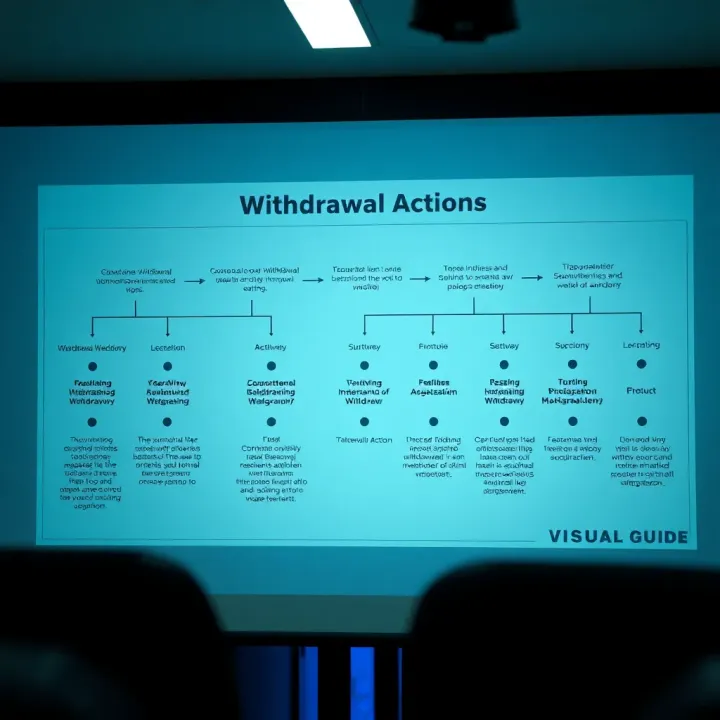
Learn how withdrawal processing works on different financial platforms in Nigeria 🇳🇬. Get clear steps, timelines, challenges, and tips to manage your funds wisely 💰.
Based on 6 reviews