
Solana Coin Price Prediction: What to Expect
Discover the future of Solana (SOL) price with insights on market trends, tech upgrades, and factors that could see ₦ gains in Nigeria's crypto scene 📈🔍
Edited By
Emma Clarke
Ripple (XRP) has gained strong attention from investors and traders worldwide, including Nigeria, thanks to its unique approach to cross-border payments and banking integration. Predicting its price movement requires looking beyond mere speculation. Instead, it demands understanding the underlying drivers affecting XRP's value in the coming years.
One key factor influencing Ripple's price is its ongoing legal battle with the US Securities and Exchange Commission (SEC), which has created uncertainty for many investors. The outcome of this case could either clear the path for wider adoption or restrict the token’s market access, impacting demand notably.
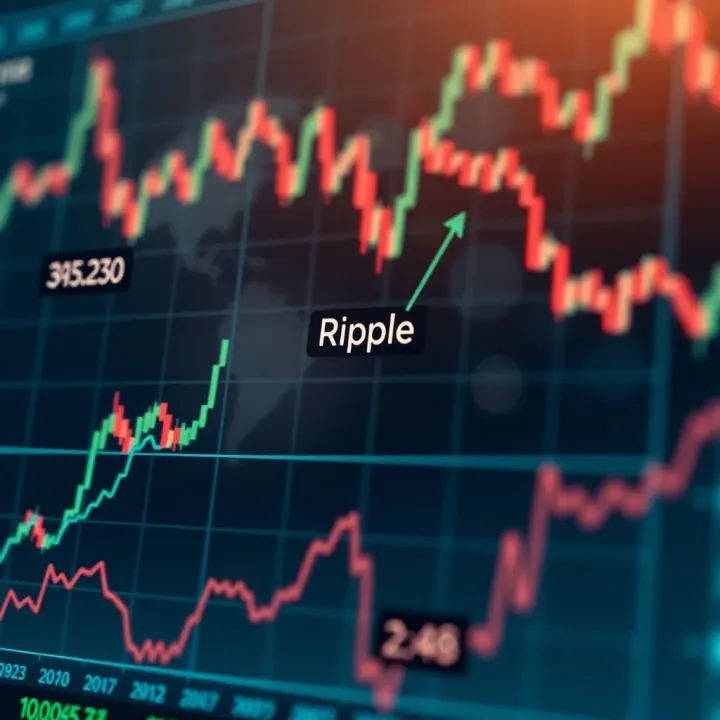
Technology development also plays a vital role. Ripple’s network offers quick transaction settlement times and lower fees compared with traditional systems. Continuous upgrades and partnerships with banks and fintech firms globally tend to boost confidence in XRP as a practical digital asset.
Market trends must not be overlooked either. The general appetite for cryptocurrencies in Nigeria has surged, fueled by increased internet penetration, mobile money adoption, and a young population ready to engage with digital assets. However, volatility remains high, with naira fluctuations and global crypto regulations shaping market dynamics.
Experts often point to factors such as transaction volume on Ripple’s network and macroeconomic influences worldwide. The Nigerian fintech ecosystem, for instance, has begun experimenting more with blockchain-based remittances, which could spur higher demand for XRP in remittance corridors.
Investors should weigh both the promising technology and existing legal hurdles before placing bets on Ripple's price direction.
To sum up, understanding Ripple’s future price requires monitoring legal updates, technology innovations, macro market sentiment, and Nigeria-specific trends. These elements combined will guide users in making informed investment decisions rather than relying on hype or fleeting market noise.
Grasping Ripple's place in the crypto world helps investors make smarter decisions about XRP. This section breaks down what Ripple is, how XRP operates differently, and why its stance in Nigeria and worldwide matters.
Ripple Labs, founded in 2012, developed both the Ripple payment system and the XRP digital asset. Ripple aims to speed up cross-border transactions, making payments between countries faster and cheaper compared to traditional banking. XRP acts as a bridge currency within Ripple's network, helping to reduce liquidity costs for banks and payment providers.
For instance, instead of waiting days for a bank transfer or paying high fees, a Nigerian bank using RippleNet can settle international payments in seconds with XRP. This efficiency is central to Ripple's real-world appeal.
Ripple’s technology differs from many cryptocurrencies because it’s not focused on decentralised applications or store of value. Instead, Ripple prioritises high-speed, low-cost remittances and institutional partnerships. Unlike Bitcoin's proof-of-work system, Ripple uses a consensus protocol that consumes far less energy, an important consideration for markets sensitive to transaction fees and sustainability.
In Nigeria, XRP has gained traction primarily among institutional and cross-border payment players rather than retail investors. Firms handling diaspora remittances keep an eye on efficient settlement options, and Ripple’s infrastructure offers that edge. While Bitcoin remains popular among Nigerians for investment and store of value, Ripple targets a niche aligned with financial services.
Compared to Bitcoin and Ethereum, XRP offers faster settlement times and lower fees, though it lacks Ethereum's smart contract capabilities. This makes XRP unique — not a direct competitor for DeFi projects but a practical tool for payment efficiency. For instance, Ethereum powers decentralized apps like those used in Africa's emerging blockchain startups, whereas XRP serves as a payment rail.
On local exchanges, XRP is accessible on platforms like BuyCoins and Quidax, allowing Nigerians to trade conveniently. Payment platforms integrating Ripple technology are fewer but growing, especially as fintechs seek seamless foreign exchange solutions. The increased listing of XRP pairs against naira signals investor interest, but liquidity may still lag behind Bitcoin or Ethereum.
Understanding Ripple’s core technology and market position clarifies why XRP behaves differently in price and adoption. Investors who know this can better assess Ripple’s future in Nigeria’s fast-changing crypto landscape.
This insight sets a practical foundation for evaluating price predictions and investment strategies later in the article.
Understanding the key factors that influence Ripple’s (XRP) price is critical for investors and traders aiming to make informed decisions. These drivers shape market behaviour and help predict future trends, especially in a dynamic environment like Nigeria’s crypto space.
Impact of global crypto trends: The broader cryptocurrency market trends directly affect XRP’s price. When Bitcoin and Ethereum rally, investor confidence often spills over to altcoins like XRP. However, during bearish phases, XRP tends to suffer alongside most cryptos. For example, the crash in early 2022 following macroeconomic pressures triggered steep declines across cryptos, dampening demand for XRP as investors shifted to safer assets.
Influence of retail and institutional investors: Retail investors in Nigeria play a significant role in XRP trading volumes, often reacting swiftly to news and short-term price movements. Institutional investors, meanwhile, approach XRP with a longer horizon, driven by its practical use cases like cross-border remittances. Their participation can provide stability and boost confidence. For instance, Ripple’s partnership announcements frequently attract institutional interest, raising XRP’s profile.
Nigeria’s crypto community and trading volumes: Nigeria boasts one of Africa’s largest and most active crypto markets. Nigerian traders use platforms like Quidax and Binance Nigeria to exchange XRP, contributing to daily trading volumes. High local activity amplifies XRP’s liquidity, affecting its price direction. Seasonal events such as ember months can lead to increased trading as people rearrange portfolios, which often results in heightened XRP price volatility.
RippleNet and cross-border payment solutions: RippleNet is a network that enables fast, cost-effective international payments using XRP as a bridge currency. This technology makes Ripple distinct from many other cryptos that primarily serve as stores of value. Its adoption by financial institutions means XRP usage increases with every transaction processed, positively influencing demand and price.
Collaborations with banks and financial institutions: Ripple’s collaborations, including with banks in the Asia-Pacific and Europe, help validate its technology and encourage wider use of XRP. Such partnerships are signals to investors that Ripple has practical applications beyond speculative trading. In Nigeria, although direct bank partnerships remain limited due to regulatory challenges, interest from fintech companies suggests possible growth in this area.
Updates on network upgrades and scalability: Ripple Labs regularly upgrades the XRP Ledger to improve transaction speed and scalability. Technical improvements reduce operational costs, making XRP more attractive for large-scale financial services. For investors, positive network advancements often lead to surges in price as confidence in the coin’s future rises.

SEC lawsuit and its implications: The ongoing legal tussle between Ripple and the US Securities and Exchange Commission (SEC) has weighed heavily on XRP’s price. The court’s decision could define XRP’s status as either a security or commodity, impacting market access and investor trust globally. Until the outcome is clear, uncertainty persists, keeping many cautious.
Regulatory environment in Nigeria: Nigerian regulators, including the Securities and Exchange Commission of Nigeria, show growing interest in crypto regulation but have yet to provide a concrete framework specifically for XRP. This regulatory ambiguity affects how Nigerians trade and hold XRP, often leading to cautious participation from financial institutions.
Potential outcomes and market reactions: If the SEC case ends favourably for Ripple, confidence could surge and trigger price rallies. Conversely, negative rulings or stricter regulations in Nigeria could limit XRP adoption and reduce demand. Investors should monitor these developments closely, as regulatory shifts tend to prompt significant market reactions.
Investor sentiment, legal clarity, and technological progress are all intertwined, shaping Ripple’s price trajectory in the near future. Keeping an eye on these drivers will help you navigate XRP’s ups and downs with more confidence.
This understanding equips you to assess XRP’s future realistically, factoring in both global trends and local Nigerian contexts that influence Ripple’s price movements.
Understanding Ripple’s price trends helps investors and analysts make informed decisions. By tracking past price behaviour and expert forecasts, traders can spot patterns and better anticipate future moves. This insight is particularly relevant for Nigerian investors, considering the volatility of both the crypto market and the naira.
Ripple’s price has seen several sharp rises followed by notable corrections. For instance, during the crypto bull run of late 2017 and early 2018, XRP surged from under ₦50 to near ₦700 within months, attracting lots of attention. However, the subsequent crash wiped out much of those gains, a sharp reminder of high volatility. Investors who understand these swings can avoid panic selling and time entries more strategically.
XRP tends to follow broader market cycles but also shows strong reactions to sector-specific news. For example, rally periods often correspond with general bullish sentiment in crypto, while bearish times see XRP’s price fall, sometimes more sharply due to its smaller market cap compared to Bitcoin. Recognising market cycles allows traders to position themselves during lows and banks profits during highs, reducing exposure during prolonged downturns.
Specific events sharply impact XRP price. The SEC lawsuit filed in late 2020 caused considerable price swings and uncertainty. Conversely, Ripple’s partnerships with banks in Asia and Europe often triggered short-term price gains. For Nigerian investors, monitoring such developments is essential as these events can present good buying or exit opportunities.
Most experts anticipate moderate price movements for XRP within the next 6 to 12 months. Predictions often factor in ongoing legal proceedings and possible regulatory clarity. Short-term traders can use these forecasts to plan entry and exit points strategically, though they must remain alert to rapid market shifts.
Looking beyond the year, many forecasts suggest XRP could regain notable ground, especially if Ripple succeeds in expanding RippleNet’s adoption. Some analysts expect XRP price to reach new highs within five years, driven by cross-border payment demand. However, achieving these gains requires navigating regulatory hurdles and increased competition.
Several variables can change Ripple’s price path. Key among them are legal rulings in the SEC case, new partnerships or tech upgrades, and macroeconomic conditions, including naira stability. Unexpected shifts in Nigerian monetary policy or global crypto regulations might also influence investor confidence. Constantly updating information is critical to avoid being caught off guard.
Tracking both Ripple’s price patterns and expert views is more than an academic exercise. It equips investors with a realistic picture, helping to balance risks and opportunities amid changing market landscapes.
Use historical price data to anticipate volatility
Consider market cycles to time investments
Follow key events affecting price
Leverage expert forecasts but remain adaptable
This approach maximises your potential to make measured, confident decisions with XRP investments.
For Nigerian investors, understanding the practical aspects of buying, storing, and managing Ripple (XRP) is essential. These considerations not only impact the security of your investment but also affect profitability amid Nigeria’s unique economic landscape. Factors like local exchange options, wallet safety, scams, and the naira’s volatility are key to navigating this space successfully.
Buying XRP in Nigeria often involves using local platforms such as Luno, Binance Nigeria, or Remitano. These exchanges allow you to fund your account in naira before converting to XRP, which simplifies the process and avoids unnecessary currency exchange risks. Using local exchanges also means quicker transaction times and easier access to customer support compared to international platforms.
That said, not all exchanges offer the same liquidity or trading pairs. It's worth comparing fees, withdrawal limits, and platform reputation before settling on one. For instance, Binance NG is popular for its large user base and lower fees, but some prefer Luno for its beginner-friendly interface.
Once you buy XRP, storing it safely is the next challenge. Hardware wallets like Ledger Nano S or Trezor offer the highest security by keeping your private keys offline. For everyday trading, mobile wallets such as Trust Wallet or the official Ripple wallet provide convenience but require careful security practices.
Securing your wallet means enabling two-factor authentication (2FA), regularly updating software, and never sharing your private keys. A simple example is storing your seed phrase offline, preferably in a fireproof location, rather than in cloud storage or on your phone where it can be hacked.
Unfortunately, crypto scams remain widespread in Nigeria, often targeting inexperienced investors during hype cycles. Common scams include fake airdrops, phishing links, and impersonators on social media promising guaranteed gains.
To avoid falling victim, never send your XRP or private keys to unknown parties, avoid “too good to be true” offers, and verify official channels before any transaction. Platforms like the Nigeria Blockchain Alliance regularly publish warnings about scams, which can be a useful resource for staying updated.
The naira’s fluctuating value significantly impacts your XRP investments. For example, if you purchase XRP when the naira is weak versus the dollar, you might pay more. Conversely, when the naira strengthens, your crypto holdings become more valuable in local currency terms.
This volatility requires Nigerian investors to monitor forex trends actively and, where possible, use stablecoins or dollar-pegged accounts to hedge risks. Ignoring naira swings can lead to unexpected losses despite positive price movement in XRP itself.
Due to Nigeria’s frequent power outages, some investors face higher operational costs if they run their own nodes or crypto mining setups. While XRP doesn’t require mining, transaction fees for transfers can add up, especially if moving funds between wallets multiple times.
Choosing exchanges and wallets with low transaction fees helps, but awareness of local infrastructure challenges remains crucial. Many Nigerians rely on mobile networks with limited data, so using apps that optimise data usage also affects overall costs.
Diversification remains one of the best strategies to manage risk in Nigeria’s volatile financial environment. Rather than putting all naira into XRP, consider blending holdings with other assets like Bitcoin (BTC), stablecoins, or local investment instruments.
Regular portfolio reviews based on current market and economic conditions can help you rebalance and lock in profits. For example, some investors set aside funds during the ember months to cover potential naira depreciation or increased expenses, ensuring crypto investments don’t force liquidity problems.
Nigerian investors who combine sound security practices with awareness of local financial dynamics stand a better chance of realising gains from Ripple without falling prey to avoidable pitfalls.
By staying informed and cautious, investors in Nigeria can tap into XRP’s potential while managing the risks unique to their environment.
This section ties together the insights from previous discussions, helping you grasp the bigger picture of Ripple’s price trajectory. It's where theory meets practical investment decisions, especially relevant for Nigerian traders and investors who navigate a unique blend of local market conditions and global crypto trends. By summarising key points and giving tailored recommendations, this part ensures you leave with clear, actionable knowledge instead of vague predictions.
Ripple's price prospects are shaped by several intertwined factors. Market demand remains a significant driver, influenced by retail and institutional activity worldwide. For example, institutional interest surged when major banks explored RippleNet for cross-border settlements, boosting XRP's utility and potential price gains.
On the technology front, Ripple’s efforts to improve scalability and transaction speed make it competitive in Nigeria’s fast-growing fintech space. However, ongoing legal hurdles, particularly the SEC lawsuit in the US, create uncertainty that often reflects in price volatility.
In the Nigerian context, naira volatility and regulatory stance can impact how attractive XRP investment appears. For instance, despite occasional restrictions on crypto trading, Nigerians still show strong crypto engagement, with platforms like Binance Nigeria and Bundle Africa listing XRP, which supports liquidity and price stability locally.
Ripple’s price is unlikely to skyrocket without strong legal clarity and wider adoption, but it remains a promising asset thanks to its niche in payment solutions.
Be deliberate about investing in XRP, especially in Nigeria where currency fluctuations and policy shifts happen often. A practical first step is buying through reputable local exchanges that comply with regulatory standards to avoid scams or frozen assets.
Considering the price swings, it pays to treat XRP as a medium- to long-term asset. Don’t chase short-term pumps, as these often result from speculation rather than solid fundamentals. Maintain a diversified crypto portfolio and avoid putting all your eggs in one basket.
Also, stay updated on legal developments around Ripple by following reliable sources like the Securities and Exchange Commission Nigeria (SEC Nigeria) and international crypto news outlets. Changes in regulatory stance can transform XRP’s outlook significantly.
Finally, secure your holdings using hardware wallets or trusted apps, and be cautious with offers promising unrealistically high returns. Investing wisely means balancing potential rewards against recognised risks.
In short, XRP could add value to your crypto investments, but success depends on informed choices, sound risk management, and keeping an eye on both global trends and local realities.
Discover the future of Solana (SOL) price with insights on market trends, tech upgrades, and factors that could see ₦ gains in Nigeria's crypto scene 📈🔍

📈 Get the full picture on DOT price prediction, covering Polkadot fundamentals, market trends, technical analysis & risks for Nigerian investors plus global outlook.
📈 Discover Ethereum (ETH) price forecasts and key market factors shaping its future value. Perfect guide for Nigerian investors navigating crypto’s ups and downs.
Explore Ape Coin (APE) price predictions 📈, market trends, expert insights, technical analysis, and risks 🛡️ specifically for Nigerian investors 🇳🇬.
Based on 11 reviews