

Arbitrum Price Prediction and Market Outlook
Explore Arbitrum price trends 📈, tech insights 🔧, expert views 💡, and market risks ⚠️. Stay ahead in Nigeria's crypto space with this detailed forecast.
Edited By
Isabella Hughes
DOT, the native token of the Polkadot network, has caught strong attention across crypto markets, including in Nigeria where interest in blockchain tech is growing fast. Understanding its price prediction involves looking beyond mere price charts to grasp the fundamental drivers behind its value.
Polkadot aims to enable a connected web by linking separate blockchains, allowing them to transfer messages and value in a trust-free way. This unique feature places DOT at the centre of a network effect, where its utility grows as more projects join the ecosystem. For Nigerian investors, this means potential exposure to innovations shaping Africa's growing tech scene.

The price of DOT is sensitive to multiple factors:
Network Adoption: The rate at which developers and dApps join Polkadot influences demand for DOT, which secures the network and enables governance.
Market Sentiment: Like other cryptocurrencies, DOT prices react to global events, regulatory news, and broader market moves influenced by institutional investors.
Technical Factors: Supply mechanisms, staking rewards, and token lock-ups affect liquidity, impacting short-term price swings.
For example, when Polkadot announced parachain auctions, demand for DOT rose sharply as tokens became necessary to participate. Meanwhile, regulatory uncertainty in global markets can make prices jittery, so Nigerian traders should watch both local and international developments.
Careful analysis of trends and fundamentals is essential. Relying solely on past price patterns may mislead traders, especially in volatile crypto markets.
In practical terms, traders and brokers should blend technical analysis with up-to-date news from credible sources like the Central Bank of Nigeria (CBN) policies on cryptocurrencies and global crypto exchanges. Entrepreneurs looking to leverage blockchain projects will benefit from watching DOT’s network growth to spot early opportunities.
By appreciating the interplay between Polkadot's technology and market forces, Nigerian investors and analysts can position themselves better for DOT’s future movements. This foundational understanding sets the stage for deeper analysis into price forecasts and risk management strategies ahead.
Understanding DOT and its position in the cryptocurrency market is essential for investors and traders aiming to predict its price movements accurately. This section lays the groundwork by explaining what DOT is, its purpose within the Polkadot network, and how it differs from other tokens. Moreover, it highlights DOT's current market status, focusing on its capitalisation, trading volumes, and standing within the Nigerian crypto space, which aids in grasping its market dynamics.
Polkadot is a unique blockchain platform designed to enable interaction between multiple blockchains, called "parachains," creating a web of interoperable networks. This system allows data and assets to transfer across different blockchains without relying on centralized exchanges, offering a scalable and efficient solution for blockchain interoperability. For Nigerian investors, Polkadot's promise of bridging isolated blockchain islands presents exciting opportunities for ecosystem growth and diverse application development.
DOT serves several critical roles within the Polkadot ecosystem. It acts primarily as a governance token, giving holders voting rights on network proposals and upgrades. Additionally, DOT is used for staking, where holders lock their tokens to secure the network and earn rewards. It also facilitates bonding—locking tokens to add new parachains to the network. Practically, this means that owning DOT is not just about speculative trading; it involves participation in network governance and earning passive income through staking.
Unlike many cryptocurrencies designed merely for payments or store of value, DOT’s utility ties deeply to network health and expansion. For instance, unlike Bitcoin which mainly serves as digital gold, or Ethereum which focuses on smart contracts, Polkadot’s architecture emphasises multi-chain communication. This focus reflects in the token's function—DOT holders influence how the entire ecosystem grows, making it well-suited for investors interested in governance and DeFi innovation.
DOT holds a significant market capitalisation among top cryptocurrencies, often ranking within the top 20 globally. Its daily trading volume shows steadiness, indicating active demand and liquidity. For traders in Nigeria, this liquidity means quicker order executions and tighter spreads, which are crucial for effective trading strategies.
The Nigerian crypto community has shown strong interest in Polkadot, especially as local developers explore building on its platform’s scalability. Platforms like Paystack and Flutterwave have been inspired by blockchain innovations, making DOT’s presence felt. The accessibility of staking and governance via Nigerian crypto exchanges encourages more locals to hold DOT long-term beyond speculative trading.
DOT is readily available on popular Nigerian and global exchanges such as Luno, Binance, and Quidax. These platforms offer straightforward access to buying and selling DOT with naira pairs, making it practical for Nigerian users to engage with the token. The presence of DOT on multiple reliable exchanges also means investors can benefit from competitive fees and secure trading environments.
Understanding DOT’s foundational role and its market status helps investors set realistic expectations when predicting its price trajectory.
In sum, knowing what makes DOT unique, how it functions, and where it stands in the market gives traders and investors a strong footing to interpret price signals and act accordingly in Nigeria’s emerging crypto landscape.
Price movements of DOT, Polkadot’s native token, hinge on a range of factors. Understanding these is essential for investors aiming to predict DOT’s trajectory with some edge. Price changes don’t happen in isolation; they reflect both internal project developments and external market conditions. For Nigerian traders and investors, recognising these influences helps navigate the volatile crypto space and make informed moves.
Network Upgrades and Technological Developments
Polkadot’s core strength lies in its innovative blockchain architecture, especially its parachain model. Upgrades such as enhanced interoperability or scalability improvements tend to boost investor confidence and demand for DOT. For example, when Polkadot launched its parachain auctions in late 2021, DOT’s price saw notable upticks as the ecosystem promised expanded utility. Such technological milestones signal a more functional and competitive network, attracting fresh interest.
Governance and Staking Mechanisms
DOT token holders play a direct role in governance decisions like protocol changes. Active and transparent governance fosters trust, which often underpins price stability or growth. Moreover, staking DOT to secure the network offers yield to investors, encouraging holding over selling. This reduces circulating supply and can positively affect price. In Nigeria’s crypto circles, where yield opportunities are sought after, DOT’s staking programmes offer a practical tool to grow assets over time.
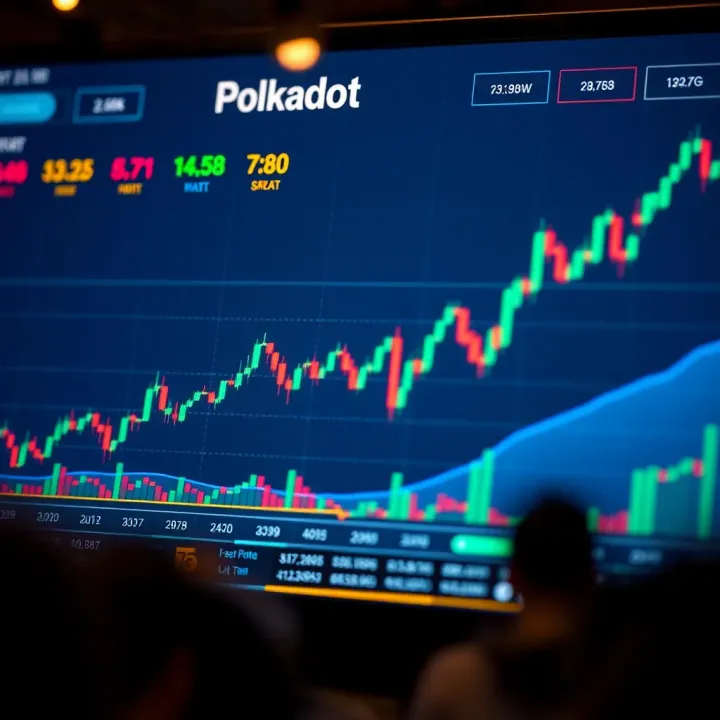
Project Partnerships and Ecosystem Growth
Partnerships with notable blockchain projects or integrators often signal healthy growth of Polkadot’s ecosystem. For instance, collaborations that bring real-world use cases or DeFi (decentralised finance) platforms onto Polkadot can elevate DOT’s demand. As the ecosystem expands with more dApps and active developers, confidence in DOT’s long-term value tends to rise, pulling price upwards. Investors watch such partnerships closely as indicators of future utility and network adoption.
General Crypto Market Trends and Sentiment
DOT’s price rarely moves independently of the wider cryptocurrency market. Bullish trends in Bitcoin or Ethereum often lift altcoins including DOT. Conversely, negative sentiment or major downturns affect DOT alongside others. For Nigerian investors, who often juggle multiple crypto assets, understanding overall market mood is key. For example, during the 2022 crypto winter, DOT lost value not because of internal issues but due to broad market sell-offs.
Naira Exchange Rate and Local Economic Context
The unstable naira exchange rate and inflation in Nigeria affect how much local investors are willing and able to invest in crypto. When the naira weakens against the dollar, it can make acquiring DOT through USDT or other dollar-pegged stablecoins more expensive, impacting demand. On the flip side, crypto sometimes becomes a refuge during local currency instability, leading to increased interest. Thus, naira fluctuations indirectly influence DOT price through changes in local buying power.
Regulatory Environment in Nigeria and Globally
Regulations—or the lack of clear rules—remain a big wildcard. Nigerian authorities have shown varying stances on crypto activities, ranging from warnings to restrictions on banks servicing crypto businesses. Such moves often cause short-term price instability for DOT among Nigerian traders. Globally, policies in markets like the US and EU regarding securities classification or taxation also ripple down to DOT’s valuation. Staying updated on regulatory signals helps investors anticipate possible impacts on DOT’s liquidity and price.
Knowing what moves DOT’s price means you don’t just trade blindly; you follow a trail of concrete signals from network changes to economic shifts. This insight is especially valuable in Nigeria, where local factors blend uniquely with global crypto dynamics.
Technical analysis plays a significant role in understanding and predicting DOT's price movements. Unlike fundamental analysis, which focuses on the underlying project and macro factors, technical analysis relies on price charts and market data to anticipate future trends. For traders and investors in Nigeria, especially those active on platforms like Binance and Luno Nigeria, technical analysis offers a practical toolkit for timing entry and exit points with more certainty.
Technical indicators such as Moving Averages (MA), Relative Strength Index (RSI), and Bollinger Bands frequently guide DOT price predictions. For instance, the 50-day and 200-day Moving Averages help identify long-term trends. When the 50-day MA crosses above the 200-day, it signals a bullish trend, which may encourage investors to buy. On the other hand, RSI measures momentum on a scale from 0 to 100: values above 70 suggest the token is overbought, and below 30 hint at overselling. Traders use these tools to spot potential reversals or trend continuations in DOT’s price.
Support and resistance levels mark price points where DOT’s price tends to stop declining or rising. For example, if DOT consistently finds support around ₦1,000, traders would expect rebounds near this level. Conversely, if ₦1,500 acts as a resistance territory, prices may struggle to break beyond this range unless strong market forces intervene. Nigerian traders often watch these levels to place stop-loss orders or set profit targets. Recognising these zones reduces guesswork, helping to manage risks amid frequent price swings.
Volume shows how many DOT tokens change hands over a specific period. High trading volumes during price increases confirm strong buying interest, making the trend more reliable. Conversely, if price moves with low volume, it could mean a weak or unsustainable trend. For example, a price breakout above resistance accompanied by increased volume typically signals genuine momentum. Nigerian investors monitoring platforms like Quidax or Binance Nigeria find volume insights crucial, as these figures reflect real market participation.
Short-term forecasts use rapid indicators such as RSI or 7-day moving averages to catch quick price swings, relevant for day traders or swing traders. Long-term projections depend on broader trends seen through 100-day or 200-day MAs, suited for HODLers focusing on months or years of potential growth. Each approach has its merits. For instance, in a high-volatility phase, short-term traders can capitalise on sudden surges, whereas long-term investors stick to fundamental cues combined with slower technical signals.
Moving averages smooth out price fluctuations, allowing traders to identify trend direction clearly. When DOT’s price crosses above its 50-day MA, it may prompt buying interest, while dropping below signals caution. RSI complements this by revealing when DOT is overbought or oversold, helping traders avoid premature entries. Combined, these tools offer reliable guidance for timing trades, especially on Nigerian exchanges where market volatility demands quick decisions.
While technical analysis provides valuable insights, it isn’t foolproof. DOT’s price can be heavily influenced by sudden news like regulatory announcements in Nigeria or global crypto market crashes—factors charts can't foresee. Also, overreliance on technical signals might ignore fundamental shifts in Polkadot’s ecosystem, such as major partnerships or upgrades. Therefore, seasoned investors use technical analysis alongside fundamental understanding to navigate the unpredictable crypto environment effectively.
Strong technical analysis helps increase confidence in trading decisions but always combine it with ongoing market news and fundamental insights, especially in Nigeria’s dynamic crypto space.
Assessing the risks and opportunities of investing in DOT is vital for anyone serious about their cryptocurrency portfolio. While DOT offers promising growth prospects due to its unique technology and ecosystem, investors must weigh potential downsides such as market fluctuations and regulatory uncertainties. This section breaks down practical considerations to help you make informed decisions.
Polkadot’s innovative design allows different blockchains to interconnect, making its network highly scalable and versatile. This adaptability has attracted many developers and projects building on the platform, which could increase demand for DOT tokens. For instance, if more DeFi, NFT, or gaming projects launch on Polkadot, the growing utility and adoption can push DOT's price higher.
In Nigeria, where blockchain interest is rising, Polkadot's ability to support various applications positions DOT to benefit from emerging use cases—especially when compared to platforms struggling with congestion or high fees. This ecosystem expansion often drives long-term price appreciation.
Staking DOT lets investors earn passive income by locking their tokens to support network security. Currently, staking rewards can range between 10% and 15% annually, depending on network conditions. For Nigerian investors juggling inflation and naira volatility, staking offers an attractive way to grow holdings without frequent trading.
Besides reward income, staking also grants governance rights, giving holders a voice in project decisions, which can influence future price movements. The more tokens staked, the greater the network’s security, which boosts investor confidence.
Strategic partnerships with established players can significantly enhance DOT’s value. For example, collaborations with major fintech firms or integration with Nigerian payment systems could expand DOT’s usability locally. Also, ties with blockchain projects focusing on supplies chains or digital identity could create new demand channels.
Such partnerships often attract institutional interest and increase liquidity on exchanges, making it easier for Nigerian and global investors to enter or exit positions without steep spreads.
DOT’s price, like most cryptocurrencies, is highly volatile. Sudden swings can stem from speculative trading, market rumours, or global economic factors. For example, naira depreciation or changes in oil prices often affect Nigerian investors’ appetite for risk.
This volatility means short-term trading may lead to losses if positions are not managed carefully. Investors should be prepared for price drops and avoid investing money they cannot afford to lose.
Government stance on cryptocurrencies remains unclear, especially in Nigeria where the Central Bank has intermittently restricted crypto banking activities. Such regulatory unpredictability could hamper liquidity or introduce sudden barriers to trading DOT.
Internationally, regulatory moves—like stricter laws on crypto exchanges or taxation rules—may also impact DOT availability and pricing. Staying updated on regulations is essential for managing investment risks.
Polkadot competes with established networks like Ethereum and newer ones like Solana or Avalanche, all eager to capture market share. Some of these platforms have larger developer communities or more project deployments, which can affect DOT’s demand.
If competitors introduce more efficient or user-friendly solutions, DOT’s ecosystem might lose momentum, slowing price growth. Monitoring competitor developments helps investors anticipate shifts in market sentiment.
Understanding both the rewards and risks involved with DOT will empower investors to craft strategies aligned with their financial goals and the Nigerian market context.
Summarising the key points on DOT price outlook helps investors make sense of the complex factors impacting its value. In this article, we've identified network upgrades, staking rewards, partnerships, and market sentiment as core drivers. Nigerian investors should weigh these elements alongside local economic factors like naira stability and regulatory clarity.
DOT's price moves largely depend on developments within the Polkadot ecosystem and broader crypto market trends. Internal factors like technological improvements—such as parachain launches—and governance votes to upgrade protocols can swiftly influence investor confidence. On the other hand, external forces such as fluctuations in global crypto markets, Nigeria's foreign exchange situation, and regulatory announcements weigh heavily on price.
For example, when Polkadot initiated major upgrades, DOT saw increased demand. Conversely, sharp naira depreciation can reduce local buying power, affecting trading volumes on Nigerian exchanges. Partnerships with prominent blockchain projects also add value by expanding DOT's utility.
Doing thorough research before committing funds to DOT is critical, especially given crypto's volatility. Understanding not just price charts but the fundamentals behind Polkadot’s technology and governance can guide more informed decisions. Investors should avoid the temptation to chase price spikes without grasping underlying causes.
Risk management means setting clear limits on how much capital one is willing to risk, using tools like stop-loss orders to protect against sudden downturns. Given that DOT prices can be unpredictable due to market sentiment and regulatory news, managing exposure helps preserve funds for future opportunities.
Choosing the right Nigerian exchanges or trading platforms for buying and selling DOT adds convenience and security. Platforms such as BuyCoins, Quidax, and Binance Nigeria offer local payment support, simplifying deposits and withdrawals in naira. These services also tend to provide helpful features like price alerts and user-friendly mobile apps suited for on-the-go trading.
Trading through established Nigerian platforms helps avoid complications with forex controls and allows seamless fund movement without excessive naira conversion costs. This makes it practical for retail investors and traders to access DOT efficiently.
The crypto space evolves quickly with recent policy shifts potentially affecting DOT's legal status or usage. Staying abreast of news from the Securities and Exchange Commission (SEC) Nigeria or Central Bank of Nigeria (CBN) announcements can prepare investors for sudden regulatory changes.
Regularly following credible Nigerian crypto news sites and official statements helps spot trends early and adjust positions accordingly. For instance, if stricter rules are proposed regarding crypto exchanges, investors may want to reduce exposure temporarily to mitigate risk.
Successful navigation of DOT’s price fluctuations depends on combining solid research with awareness of local economic and regulatory contexts. By doing so, Nigerian investors can make smarter decisions that align with both global and homegrown realities.
This practical advice, combined with understanding the key drivers, equips you to approach DOT investment with confidence and adaptability.
Explore Arbitrum price trends 📈, tech insights 🔧, expert views 💡, and market risks ⚠️. Stay ahead in Nigeria's crypto space with this detailed forecast.

🔍 Explore detailed XLM price predictions with insights on market trends, tech updates, and expert views to understand Stellar Lumens future potential clearly.
Explore detailed XRP coin price predictions with insights on market trends 📈, regulations ⚖️, and expert analysis, tailored for Nigerian investors 🇳🇬.
Explore Ape Coin (APE) price predictions 📈, market trends, expert insights, technical analysis, and risks 🛡️ specifically for Nigerian investors 🇳🇬.
Based on 15 reviews