
Understanding Transaction Limit Exceeded in Nigerian Banks
Confused by 'transaction limit exceeded' in Nigerian banks? Learn why limits exist 🔒, how they affect you 💳, and tips to manage them effectively ✅.
Edited By
Oliver Bennett
In Nigeria, encountering a "limit exceeded" message on popular online platforms is more common than most users realise. This error can pop up during crucial transactions or while accessing government services, disrupting your workflow and creating avoidable headaches. Whether it’s on fintech apps like Paystack or Flutterwave, mobile data on MTN or Glo, or even while using government portals for NIN or BVN registration, understanding the root causes of these limits is essential.
These limits usually stem from caps set either by service providers or regulatory bodies to manage demand, prevent abuse, or comply with security protocols. For example, fintech platforms often impose daily or monthly transaction ceilings to reduce fraud risks and satisfy Central Bank of Nigeria (CBN) guidelines. Mobile network operators limit daily data usage or bandwidth to balance network load and encourage fair consumption.
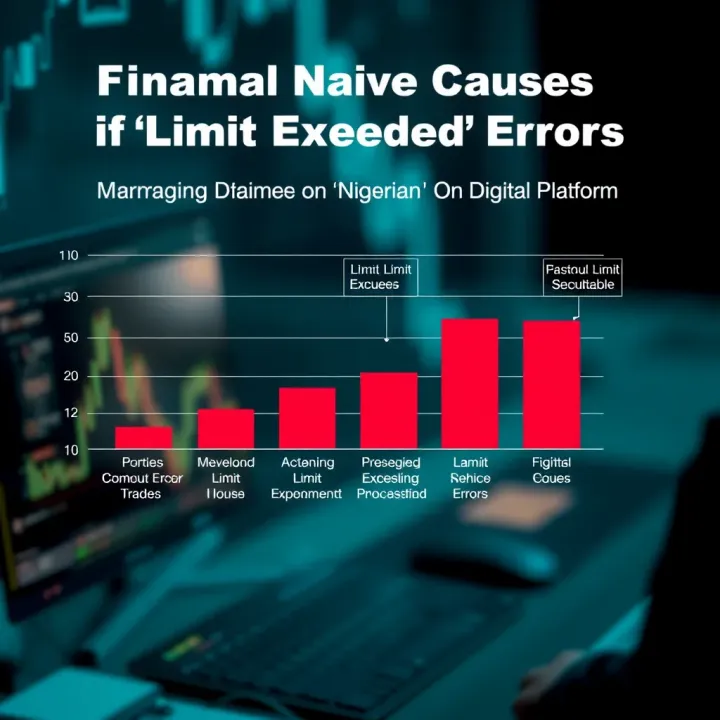
Knowing why these limits exist helps you plan your online activities better, avoid service interruptions, and reduce downtime—critical for traders, investors, and entrepreneurs who depend heavily on seamless online access.
To put it simply, a "limit exceeded" warning means you’ve hit a pre-set boundary for service use, whether that’s data transfer, transactions, or API requests. These aren't random glitches but deliberate controls.
Recognising different categories of limits can help you troubleshoot quickly:
Mobile data caps: Telcos like Airtel and 9mobile enforce daily or monthly data limits, especially on promo plans or bundled packages.
Transaction ceilings: Payment platforms cap transaction values or frequency to monitor suspicious activities.
User request restrictions: Government services (e.g., NIN or BVN portals) often restrict the number of requests or inquiries per day to safeguard personal data and system integrity.
Understanding these boundaries allows you to adjust behaviour, upgrade plans, or coordinate with service providers proactively. This article will explore specific Nigerian online services where the "limit exceeded" issue surfaces and offer pragmatic approaches for navigating this challenge effectively.
Understanding why ‘limit exceeded’ notifications appear is essential for anyone navigating Nigerian digital services. These alerts often point to ceilings set by service providers or regulators, designed to conserve resources, manage risks, or ensure fair usage across all users. For traders, entrepreneurs, and analysts who rely on these services, recognising the root causes helps avoid disruptions and plan better.
Mobile data bundles in Nigeria commonly have daily, weekly, or monthly limits. For example, a user might buy a 1 GB weekly bundle which, once fully consumed, triggers a ‘limit exceeded’ message until the next recharge or the expiry period lapses. This system helps providers like MTN, Airtel, or Glo manage network resources and prevent excessive bandwidth hogging.
But data limits are more than just numbers. Network congestion, especially around rush hours or busy areas like Lagos or Abuja, can exacerbate the issue. Providers sometimes throttle speeds or enforce stricter caps during peak traffic to maintain service quality for all customers. These policies might seem frustrating, but they are instrumental in preserving system stability under heavy load.
Fintech platforms such as Flutterwave, Paystack, or OPay impose transaction ceilings, particularly for peer-to-peer transfers and card payments. These limits protect against fraud and money laundering. A typical scenario: a user with a basic account may only send ₦50,000 daily, while higher tiers allow more substantial transfers. Knowing these constraints helps users avoid fluctuating payment failures, especially during busy trade periods.
KYC (Know Your Customer) processes heavily influence these limits. Completing basic KYC might restrict transactions to ₦100,000 per month, while full verification — including BVN linkage and valid ID submission — can raise the ceiling significantly. For entrepreneurs, upgrading KYC status means smoother cash flow and larger transaction capacities.
Systems handling biometric verifications for National Identification Number (NIN) and Bank Verification Number (BVN) enforce strict limits. For instance, NIMC and banks may cap the number of biometric verifications per day to prevent system overload and reduce fraudulent activities. This is why lines at registration centres sometimes get longer, or errors occur when too many users try to enrol at once.
Similarly, daily caps exist for applications and service requests to spread demand over time. Such measures affect processes like passport applications or tax registrations. While these limits might cause delays, they ensure the system remains functional and that data integrity is maintained across various government platforms.
Being aware of these specific causes lets users and businesses anticipate possible service interruptions and take steps such as better timing and proper verification to avoid the frustrating ‘limit exceeded’ notifications common in Nigerian digital platforms.
Online services in Nigeria often impose limits on transactions, data use, and verifications. When users hit these thresholds, it disrupts their daily activities and business operations. Understanding these effects helps both individuals and enterprises navigate and mitigate such hurdles effectively.
Delays in sending and receiving funds occur frequently when individuals or businesses surpass transaction caps set by fintech platforms. For example, a trader using Paystack or Flutterwave may find a payment blocked midway during peak sales periods because the daily transaction limit has been reached. This can frustrate customers and delay cash flow critical for restocking goods or paying suppliers.
Moreover, these delays might lead clients to seek alternative payment methods, increasing operational complexity. For many Nigerian SMEs relying on quick turnover, even a few hours’ delay affects service delivery and trust.
Costs of repeated transaction attempts add another layer of challenge. When a transfer hits the limit, users often try to resend payments or spread it across multiple transactions. Each attempt may come with extra charges, especially if using POS terminals or bank transfers where certain fees apply per transaction.
Take an example where a merchant tries to split a ₦500,000 transaction into smaller parts due to limits, unknowingly paying five times in transaction fees instead of one. Over time, these costs can eat into profit margins, making “limit exceeded” errors financially damaging beyond mere inconvenience.
Challenges with identity verification and service uptake happen when citizens exceed biometric verification quotas for systems like National Identification Number (NIN) and Bank Verification Number (BVN). Since these services limit the number of daily verifications to manage system load, users needing urgent updates or revalidations might face delays that stall access to loans, SIM registration, or public benefits.
For instance, someone applying for a government scholarship or loan may miss deadlines if their BVN verification steps are capped for the day. Such bottlenecks can cascade into missed opportunities, especially for students or small business owners.
Effect on registration processes and deadlines also comes into play for electoral registrations or social welfare schemes. Given the strict deadlines set by agencies like INEC or NIMC, reaching daily limits on applications or digital form submissions can cause frustration and disqualification.
This forces candidates or beneficiaries to rush on subsequent days, sometimes amid heavy queuing or network failures, adding unnecessary stress and confusion.
Customer dissatisfaction and brand reputation suffer when users experience frequent “limit exceeded” messages. Imagine a fintech start-up in Lagos struggling to process large volumes of transactions during a festive season sale. Customers encountering errors repeatedly might turn away to competitors with fewer restrictions or better customer support.
Such experiences ripple quickly on social media and word of mouth, directly impacting trust and future patronage.
Limitations on business transaction volumes constrain growth by capping sales or fund transfers. A manufacturing firm exporting goods might be unable to transfer earnings beyond a preset fintech threshold without tedious KYC upgrades or manual interventions.
This slows down operations and affects planning, given that cash flow disruptions constrain purchasing power, payroll, and vendor payments.
In Nigeria's vibrant digital economy, managing and anticipating service limits isn't optional—it directly influences business viability and user satisfaction.
Overall, recognising these specific consequences helps users and providers adopt strategies that reduce operational hiccups and keep the wheels of commerce turning smoothly.
Handling 'limit exceeded' alerts on Nigerian digital services calls for practical actions that prevent interruptions and maintain smooth online access. Users and businesses must understand how to manage consumption, upgrade verification levels, and plan their transactions around existing limits. This approach not only avoids frustration but also protects operational continuity in a market where digital platforms play a crucial role.
Checking data consumption regularly via USSD codes gives users a hands-on way to track how much data they have used. Most Nigerian service providers offer simple USSD commands, such as *131# for MTN or *556 for Airtel, that instantly show current data balance and validity period. This helps you avoid unexpectedly hitting your data cap, which could trigger 'limit exceeded' warnings and disrupt your browsing or app use.
Aside from checking data often, it is wise to be aware of how network congestion or plan speed throttling affects your data use. For example, if you notice slower speeds at peak times, it could be a sign to switch to a plan with better off-peak speeds or higher overall limits.
Choosing suitable data and service packages is another key factor in preventing limit issues. If you frequently exceed daily or weekly data caps, switching to a bundle that offers more data or unlimited access during certain hours can be cost-effective. For instance, some providers offer weekend unlimited browsing or night data plans which are perfect for heavy users.
Similarly, subscribing to fintech apps or digital platforms with transaction ceilings requires selecting accounts or plans that match your usage volume. Higher-tier packages often come with bigger transaction limits and faster processing, a practical option for entrepreneurs conducting multiple daily payments.
Completing additional identification steps in fintech apps can unlock higher transaction thresholds. Nigerian fintech platforms like Paystack, Flutterwave, or OPay typically assign transaction limits based on Know Your Customer (KYC) levels. Providing extra documents—such as a valid ID, proof of address, or selfie verification—raises your profile and thus your daily or monthly transaction ceilings.
This is especially useful for businesses processing large payments or peer-to-peer transfers regularly. It reduces noise from 'limit exceeded' interrupts and builds trust with the service provider.
Contacting customer service for limit adjustments offers a personalised solution if your needs suddenly outgrow default thresholds. Many fintech firms and telecom providers have support teams ready to review accounts for temporary or permanent limit increases. Direct communication helps you explain your transaction patterns or data needs, allowing providers to assess and approve higher caps more effectively.
Spacing transactions to fit within daily or monthly limits prevents hitting the ceiling too fast. If you have several payments or transfers to make, spread them evenly over the day or month. For example, an entrepreneur paying suppliers or sending salaries can schedule payments early in the morning or late at night rather than clustering them.
This approach ensures no single day’s activity triggers the ‘limit exceeded’ flag, which could delay payments or access.
Taking advantage of off-peak periods for critical actions helps ease pressure on digital platforms that impose peak hour limits. Many service providers experience higher traffic from noon to 8pm, especially in Lagos or Abuja, causing stricter temporary caps. Planning bulk transactions or government service requests during off-peak times, such as late nights or early mornings, can minimise the chance of interruptions.
Careful monitoring, clear communication with providers, and smart timing of transactions are simple yet effective ways to avoid and handle 'limit exceeded' issues in Nigerian online services. This approach safeguards your business flow and personal digital activities without unnecessary downtime or extra cost.
Service providers hold a major role in easing the frequent ‘limit exceeded’ issues Nigerians face on digital platforms. Clear communication, infrastructure enhancement, and user-tailored solutions can significantly cut down complaints. When users understand the limits and see providers actively managing capacity and individual needs, frustrations reduce and trust grows. For traders, investors, and fintech entrepreneurs, this means smoother transactions and better customer retention.
Providing transparent details on limits during sign-up ensures users know upfront about spending caps, data quotas, or verification attempts. For example, a fintech app informing users during registration that their daily transfer limit is ₦100,000 prevents surprises later. This transparency saves time and builds goodwill, as users can plan activities without hitting unexpected walls.
Sending timely alerts as users approach limits helps prevent abrupt service interruptions. Notifications via SMS or app push messages when a customer’s data or transaction volume nears its allowed ceiling enable them to adjust usage or seek limit upgrades. For instance, a mobile network sending a 50% data consumption alert encourages users to top up early, avoiding full cut-offs especially during urgent transactions.
Investing in server upgrades to handle peak loads is essential, especially given Nigeria’s high congestion periods during payday or ember months. When platforms buffer capacities sufficiently, they avoid system crashes that result in ‘limit exceeded’ errors mistakenly triggered by slow response or overload. Banks and government services upgrading their servers reduce downtime, benefiting millions who rely on these systems daily.
Enhancing biometric and verification systems improves capacity and speed for identity confirmations like NIN or BVN checks. Instead of limiting verifications due to system bottlenecks, upgraded tech allows more users access without delays. For example, if the National Identity Management Commission upgrades its biometric platforms, users experience fewer rejections or forced waiting times caused by verification limits.
Using analytics to identify users needing higher limits allows platforms to offer tailored solutions. A business customer processing large transactions every month deserves a higher limit than a casual user. Providers analysing transaction patterns can flag such users and proactively offer increases, enhancing customer satisfaction and loyalty.
Facilitating quick approval processes for upgrades is key to keeping high-value users happy. Lengthy waits to raise limits push some customers to competitor services. Streamlined processes—such as instant KYC upgrades after document submission or automated review checks—help users access their needed limits promptly without bottlenecks.
Service providers that communicate clearly, invest wisely in infrastructure, and personalise limits to meet user needs stand to gain market share and reduce the headaches caused by repeated ‘limit exceeded’ notifications. This approach benefits not only users but also Nigeria’s growing digital economy.
Knowing when to seek help and how to report persistent "limit exceeded" issues is key to resolving frustrations quickly and avoiding prolonged disruption. For traders and entrepreneurs relying on digital platforms, ignoring these errors can stall transactions or block access to vital government services. A clear process for escalating such problems helps ensure your concerns are addressed effectively.
Using fintech app chat or hotline numbers offers a direct way to get instant help on limits affecting payments or transactions. Most popular fintech platforms like Paystack, Flutterwave, OPay, and PalmPay have built-in chat support or dedicated hotlines where you can explain the issue and receive guidance. For instance, if your peer-to-peer transaction hits a daily ceiling, contacting support can clarify if upgrading your KYC tier or waiting for the next cycle is necessary. This quick assistance prevents repeated failed transactions that could cost extra naira in fees.
Approaching government help desks for service limits is essential when facing issues with official systems like NIN or BVN registrations. Many state registration centres and national offices maintain physical or online help desks where users can report being locked out due to biometric limits or daily service caps. For example, if your BVN biometric verification fails repeatedly with a "limit exceeded" error, visiting the help desk can reveal whether this is a system-wide problem or specific to your profile, enabling faster resolution.
Notifying the Central Bank of Nigeria (CBN) or Securities and Exchange Commission (SEC) in cases of fintech restrictions is a practical step when customer support fails to resolve transaction limit issues. Since CBN regulates fintech companies, persistent or unfair limits can be reported to them for investigation. Likewise, the SEC oversees capital market platforms and may address transaction constraints affecting investors. Filing a complaint with these bodies often compels service providers to review their policies and improve user experience.
Reporting network providers through Nigeria Communications Commission (NCC) channels helps address data and connectivity caps causing "limit exceeded" errors. If your mobile data provider consistently shuts access due to imposed limits or network congestion, NCC can intervene to enforce fair service delivery. Entrepreneurs depending on stable connections will benefit from lodging reports to NCC, which has the authority to sanction providers infringing on consumer rights.
Saving screenshots and error messages creates concrete proof of the persistent limits you encounter. When you face interrupted transactions or blocked registrations, capturing these messages helps provide evidence during discussions with customer support or regulatory bodies. A clear record avoids misunderstandings and speeds up troubleshooting.
Documenting communication with service providers adds accountability to your complaints. Note dates, times, and content of chats, calls, or emails with support teams. Having such a log backs your case if escalation is necessary and prevents repeated explanations. For example, if you escalate a fintech transaction limit complaint to CBN, documentation showing your efforts through customer service strengthens your position.
Keeping organized records and knowing where to seek help can transform frustrating "limit exceeded" blocks into manageable issues, preserving your business flow and access to vital services.
By acting promptly and following these steps, Nigerian traders, investors, and entrepreneurs can better handle persistent limit challenges in digital platforms and government systems.
Confused by 'transaction limit exceeded' in Nigerian banks? Learn why limits exist 🔒, how they affect you 💳, and tips to manage them effectively ✅.

📱 Discover top apps for Nigerian students to earn money online. Learn tips to stay safe, balance studies, and boost your income from anywhere!

Explore OlympTrade's trading options, registration steps, payment methods, and risks. Perfect guide for Nigerian traders aiming to grow with smart investments 📈💰.

🚀 Discover how Nigerian innovators can access funding and mentorship via the FundedNext Competition. Learn application tips, judging criteria, and more to boost your startup success!
Based on 11 reviews