
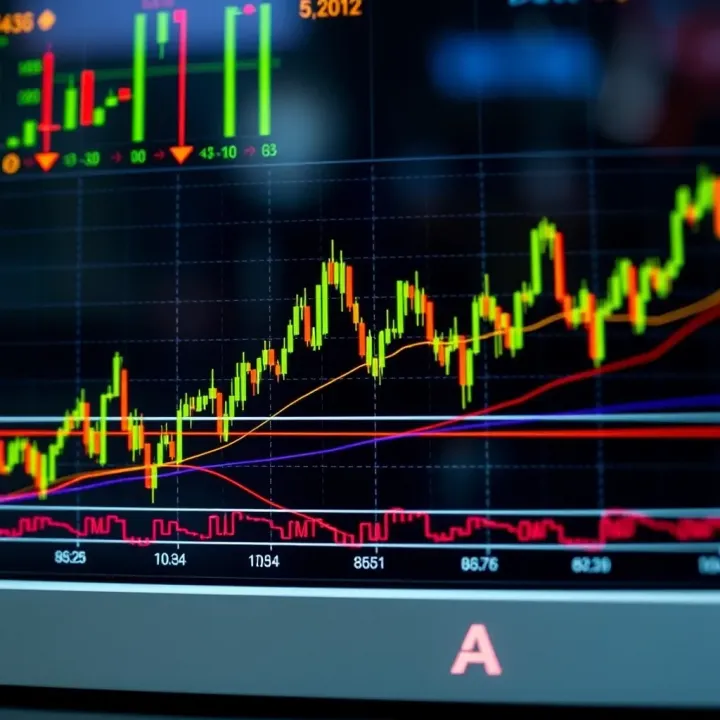
Apecoin Price Prediction: Trends to Watch Soon
📈 Explore Apecoin price predictions with insights on market trends, technical analysis, and key developments shaping its future in Nigeria and beyond.
Edited By
Isabella Hughes
Gold has remained a trusted store of value for centuries, especially during times of economic uncertainty. Nigerian investors and traders keep a keen eye on gold, recognising its potential as a hedge against naira depreciation and inflation. Understanding what drives gold prices today is vital for making sound investment decisions.
Several factors influence the movement of gold prices globally. Inflation plays a significant role; when inflation rises, fiat currencies like the naira tend to weaken, prompting investors to turn to gold as a safer haven. Similarly, fluctuations in exchange rates, especially between the naira and major currencies such as the US dollar, directly impact the local price of gold.

Geopolitical tensions, whether in oil-producing regions or major economies, also cause spikes in gold demand. For example, recent trade disputes and regional conflicts have tightened global supply chains, pushing investors towards the relative safety of gold. In Nigeria, events like changes in fuel subsidy policies or election cycles can influence investor behaviour, affecting local gold markets.
Investment demand, both from institutional players and retail investors, adds another layer of complexity. Platforms like Piggyvest and Cowrywise have made gold saving more accessible to everyday Nigerians, increasing domestic appetite for the precious metal. Meanwhile, the Central Bank of Nigeria’s (CBN) monetary policies, including interest rates, help determine gold’s appeal against government bonds and other fixed-income assets.
Savvy investors must watch not only global trends but also local economic signals — from inflation rates published by NBS to foreign exchange policies — to time their gold purchases or sales effectively.
Key factors to watch in gold price forecasting include:
Inflation rates: Rising inflation usually boosts gold demand.
Currency stability: The naira’s fluctuation against the dollar affects import costs and prices.
Global political climate: Conflicts and sanctions can trigger gold buying.
Investment trends: Demand in Nigeria, boosted by fintech and savings platforms.
By decoding these moving parts, Nigerian investors and traders can better predict gold price trends and make more informed decisions amid market volatility. The following sections will unpack these dynamics in detail, providing practical insights tailored for the local market context.
Understanding the factors influencing gold prices is vital for anyone involved in trading or investing in this precious metal. These drivers determine how gold performs amid changing economic conditions, geopolitical events, and market sentiment. For Nigerian investors, grasping these influences helps in making timely decisions, especially given the naira’s volatility and local market peculiarities.
Interest rates significantly affect gold prices. When central banks, such as the US Federal Reserve, raise interest rates, gold’s appeal tends to drop. This happens because higher rates increase yields on bonds and savings, making non-yielding assets like gold less attractive. For instance, recent hikes in US interest rates have put pressure on gold prices as investors shifted towards government bonds for fixed income.
Conversely, when rates fall or remain low, gold usually gains favour as a store of value. Nigerian investors watching the Central Bank of Nigeria (CBN) policy should note that global interest rate trends influence the cost of capital and foreign investment, indirectly impacting gold demand and pricing in local markets.
Gold traditionally acts as a hedge against inflation. When inflation erodes the purchasing power of fiat currencies like the naira or US dollar, gold’s real value holds stronger. For example, during periods of rising consumer prices in Nigeria, more people turn to gold to protect their wealth.
However, the relationship isn't always straightforward. If inflation expectations soar without corresponding rises in gold demand, prices may remain stagnant. Still, generally, higher inflation boosts gold buying as investors seek shelter from depreciating currency value.
Gold prices typically move inversely to the US dollar. Since gold is priced globally in dollars, a stronger US dollar makes it more expensive for holders of other currencies to buy gold, dampening demand. When the dollar weakens, gold often rises as it becomes cheaper internationally.
Nigerian investors must watch the naira-dollar exchange rate closely. Sudden naira depreciation against the dollar can prompt increased local gold demand as a protection against currency risk. These currency swings often drive sharp movements in Nigeria’s gold market.
Periods of international conflict often cause spikes in gold prices. Wars, territorial disputes, or military escalations can unsettle financial markets, pushing investors toward gold as a safe haven. For example, tensions in the Middle East or Ukraine have previously triggered sharp gold rallies.
For traders and investors, this means that monitoring global hotspots and news can provide early signals to adjust gold positions accordingly.
Trade wars and economic sanctions disrupt supply chains and global commerce, creating uncertainty. Such instability tends to boost gold’s appeal since it doesn’t rely on any government’s creditworthiness.
The US-China tariff disputes in recent years demonstrated how trade tensions can lead to increased gold demand despite volatile equity markets. Nigerian importers and exporters also face ripple effects, especially with fluctuating logistics costs, influencing gold investment decisions locally.
Political turmoil, whether in resource-rich areas or economic centres, can affect gold indirectly through supply concerns or investor sentiment. For instance, unrest in South Africa, a major gold producer, occasionally tightens gold supply, nudging prices upwards.
Similarly, political instability in Nigeria or West Africa can affect investor confidence and access to gold markets. Stable governance encourages smoother gold trade operations and better regulatory environments, crucial for local investors.
In summary, gold prices respond sharply to shifts in interest rates, inflation, currency moves, and geopolitical risks. For Nigerian investors, understanding these forces — especially given naira volatility and local market dynamics — is key to making smart choices in gold investment.
Understanding recent trends in the gold market is key for investors and traders aiming to make informed decisions. These trends reveal how external forces shape prices and demand, providing insight beyond simple price charts. For instance, shifts in economic indicators or investor behaviour often trigger responses that can either boost or dampen gold’s value.
Gold prices over the past year have closely tracked economic announcements. For example, when major economies such as the US or Eurozone release data on inflation or employment, gold often reacts. A high inflation report typically pushes investors toward gold as a hedge, causing prices to rise. Conversely, news of strong economic growth or interest rate hikes can pull money away from gold, leading to price dips.
Such sensitivity makes it crucial for market participants to monitor key releases like US Consumer Price Index (CPI), Federal Reserve policy signals, or Nigerian inflation rates. Knowing how gold has historically responded to these news helps anticipate short-term price swings and plan trades or investments accordingly.

Gold is priced globally in US dollars, so currency strength, especially the dollar’s, affects its local price. If the US dollar strengthens against other currencies—including the Nigerian naira—gold becomes more expensive for buyers using those currencies, often reducing demand and pressuring prices downward.
In Nigeria, where naira exchange rates fluctuate often due to forex scarcity and policy shifts, this effect is particularly marked. For example, a weak naira against the dollar raises the naira price of imported gold, sometimes pushing local traders to adjust margins or delay purchases. Investors who understand these currency dynamics gain an edge in timing their entry or exit.
Jewellery remains a major driver of gold consumption. In countries with cultural traditions valuing gold ornaments—like Nigeria and India—jewellery demand can seasonally rise around festivals or weddings. For example, demand heats up during Sallah or Christmas periods, lifting gold prices temporarily.
This demand tends to be steady but sensitive to local income levels and gold prices. High gold prices might discourage smaller purchases, affecting jewellers’ sales volumes. Tracking jewellery demand helps investors anticipate demand-side support for prices.
Central banks worldwide have been actively adjusting their gold reserves over the past year. Many have increased holdings as a means of diversifying foreign exchange reserves away from traditional currencies.
Nigeria’s Central Bank and others in Africa have shown interest in this approach to shield reserves from currency volatility. Increases in central bank buying tend to underpin gold prices, signalling confidence in gold’s role as a store of value. Paying attention to reports on central bank gold purchases and sales is essential for understanding medium-term supply-demand shifts.
Investors’ appetite for gold has seen fluctuations, influenced by equity market performance, risk sentiment, and inflation concerns. Exchange-traded funds (ETFs) that hold physical gold track this very closely.
A rise in gold-backed ETF holdings signals higher investor demand without the complexities of physical ownership. For instance, when global ETFs report inflows, it often coincides with rising prices. Conversely, large outflows can signal reduced interest or profit-taking.
For Nigerian investors, ETFs present an accessible gold investment option, and tracking their activity can provide timely market signals. It's a practical way to gauge global sentiment while adjusting local strategies.
Staying updated on recent gold market trends enables smarter decision-making and helps investors navigate price volatility effectively. Recognising how economic data, currency swings, demand sectors, and investment flows interact sharpens your understanding of gold’s price movements.
Monitor economic news regularly
Watch currency exchange trends, especially naira vs dollar
Track jewellery buying cycles
Follow central bank reserve reports
Observe ETF inflows and outflows
These practical steps ensure you remain plugged into the forces shaping gold prices today.
Forecasting gold prices helps investors, traders, and analysts make informed decisions in a market that is naturally volatile. Understanding what to expect allows you to anticipate changes influenced by both global factors and specific market behaviours. This section highlights the short-term and long-term outlook for gold, giving practical insight into when to buy or sell, and how various trends may impact your portfolio.
Economic reports such as inflation figures, interest rate announcements, and employment data heavily sway gold prices in the short run. For example, if the Consumer Price Index (CPI) in the United States shows higher-than-expected inflation, gold often sees a price uptick. This happens because investors move towards gold as a hedge against inflation. Similarly, a surprise decision by the US Federal Reserve to raise or lower interest rates can cause immediate fluctuations as traders adjust their positions.
Nigerian investors should watch out for data releases not only from the US but also from local economic indicators like the CBN’s monetary policies or the naira exchange rate movements, which can indirectly affect gold prices on the Lagos markets. Timing purchases around such announcements can significantly impact investment returns.
The demand for gold often rises during certain periods, especially festive seasons and wedding months. In Nigeria, the ember months—from September to December—see increased buying due to celebrations like Sallah and Christmas, when people purchase gold as gifts or for adornment. This seasonal surge typically pushes prices higher.
On the flip side, quieter months experience reduced demand and often slight price corrections. Recognising these patterns helps investors avoid overpaying during peak seasons and spot buying opportunities when demand eases.
Inflation remains a key long-term driver for gold demand. When inflation expectations rise, gold becomes attractive as a store of value. For instance, if global inflation continues to accelerate amid currency depreciation, investors—Nigerian ones included—will likely seek gold to protect their wealth.
Consistency of inflation data and central banks' responses often shape this narrative. Since Nigeria frequently battles inflationary pressures alongside naira volatility, gold's long-term demand may strengthen as people seek safe havens.
While jewellery and investment dominate gold demand, its use in technology also influences price trends. Gold’s excellent conductivity and corrosion resistance make it vital for electronics, especially in smartphones and medical devices.
As Nigeria expands its tech ecosystem, demand pressures could reflect globally, affecting long-term prices. Technology-driven industries might offer incremental demand apart from traditional investment avenues.
Mining gold is resource-intensive and faces environmental restrictions, which can limit supply growth. Stricter regulations on land use and water consumption in major gold-producing countries slow new mine development.
Additionally, geopolitical tensions or strike actions in mines can reduce output suddenly. For Nigerian investors, understanding these constraints is valuable since supply disruptions often cause upward price pressure. Recognising such risks enables better preparation for potential market shocks.
Smart forecasting entails watching economic events, seasonal demand cycles, inflation trends, tech applications, and supply risks. Each aspect offers clues on when gold prices might rise or dip, helping you navigate this precious market wisely.
Navigating the gold market in Nigeria requires an understanding of the local environment alongside global trends. Nigerian investors face specific challenges such as currency volatility, import hurdles, and regulatory nuances. Grasping these elements helps investors make better decisions, protect assets, and capitalise on opportunities specific to the Nigerian market.
The naira’s value often fluctuates due to factors like foreign exchange scarcity and central bank policies. This volatility directly affects the local price of gold since most gold in Nigeria is priced in US dollars or other stable currencies. For example, when the naira weakens against the dollar, purchasing physical gold becomes more expensive, squeezing the buying power of investors. Traders must monitor the official and parallel (black market) rates closely to time their investments optimally.
A significant share of gold available in Nigeria is imported, including “tokunbo” or second-hand gold products. These imports are subject to customs, duties, and sometimes delays due to bureaucratic red tape. For instance, an importer may face extended waiting times for licences or additional levies from agencies like the Nigeria Customs Service. These challenges can increase costs and affect supply, pushing prices up and complicating efforts for investors seeking reliable physical gold sources.
The gold market in Nigeria falls under several regulatory bodies, including the Central Bank of Nigeria (CBN) and the Securities and Exchange Commission (SEC). To legally trade or invest in gold, dealers and institutions often need relevant licences and must comply with anti-money laundering and Know Your Customer (KYC) rules. Failure to verify authenticity or to follow licensing regulations can expose investors to risks of fraud or legal penalties. Therefore, understanding and complying with this framework is vital for safe investment.
Investors can choose between physical gold (bars, coins, jewellery) and digital gold products offered by platforms such as Kuda, Cowrywise, or OPay. Physical gold offers tangible security but involves storage and risk of theft. Digital gold, meanwhile, enables smaller investments at lower transaction costs, with the convenience of buying and selling on mobile platforms. For example, an investor may buy fractional gold units digitally to diversify without locking large funds in physical assets.
Gold traditionally acts as a hedge against inflation and currency depreciation, both of which affect Nigeria heavily due to frequent naira devaluation. Including gold in an investment portfolio reduces overall risk during times of economic uncertainty. Investors often balance equities or fixed-income products with gold to smooth returns, especially when the Nigerian Stock Exchange hits volatility triggered by political events or global shocks.
In Nigeria, the ember months (September to December) often see increased consumer spending and investment activities, which can push gold demand and prices higher. Additionally, economic data releases such as inflation reports or CBN policy changes tend to move gold prices. Savvy investors plan purchases to avoid peak price periods, or alternatively, use these spikes to sell at profit. Understanding this seasonality and economic rhythm helps investors get better value from their gold investments.
Nigerian gold investors who stay alert to local market specifics and global cues position themselves to safeguard wealth and seize growth chances effectively.
Investing in gold offers a safeguard against economic instability, but it comes with its own risks and challenges that investors must weigh carefully. Understanding these risks helps you make better decisions, avoid costly mistakes, and protect your wealth—especially in the Nigerian context where market factors and fraud issues can distort returns.
Gold prices react sharply to sudden global economic shocks, such as financial crises, major geopolitical conflicts, or unexpected policy changes by central banks. For instance, when the 2020 COVID-19 pandemic hit, gold surged as investors fled unstable currencies and stock markets. However, such shocks also trigger rapid price swings, which means investors need to be ready for quick movements in gold value.
For Nigerian investors, this price volatility can be accentuated by local factors like naira instability, making timing even more crucial. Buying gold just before a global crisis can protect your savings, but poorly timed entry risks losses when prices correct swiftly.
Speculative trading on gold futures and exchange-traded funds (ETFs) often amplifies price fluctuations. Traders looking to profit from short-term moves can cause prices to overshoot fundamentals—meaning gold might become overpriced or underpriced temporarily.
This volatile behaviour means that individual investors should be cautious about following hype or sudden market trends. While speculators may gain from quick swings, long-term investors in Nigeria benefit more from steady accumulation and understanding broader market signals than chasing speculative spikes.
The Nigerian gold market faces challenges from counterfeit and substandard products, which risk misleading investors and causing financial losses. Genuine gold usually bears proper hallmark stamps indicating purity and weight. Familiarity with these marks and buying only from reputable sources are practical steps to avoid fake gold.
Physical inspection and professional appraisal are essential before any purchase. For example, reputable dealers usually provide certificates of authenticity and allow independent verification, which helps prevent losing money to fraud.
Engaging trusted dealers is crucial when acquiring gold in Nigeria. Some dealers have built a solid reputation over the years and are listed by regulatory bodies or trade associations. Always check for proper licences and read reviews or ask for recommendations.
Verification methods include using electronic gold testers or X-ray fluorescence (XRF) machines, which can determine purity without damaging the gold. Buyers should insist on such tests, especially for large purchases or unfamiliar sellers.
Legal frameworks around gold investment in Nigeria remain evolving but do offer some protection. The Securities and Exchange Commission (SEC) regulates certain gold investment products, while the Standards Organisation of Nigeria (SON) sets quality standards. Investors should demand compliance certificates and understand their rights if disputes arise.
Knowing your legal protection options can make the difference between recovering losses and being stuck with fake or misrepresented gold.
Understanding these risks—price volatility, speculative trading effects, and fraud concerns—is vital for anyone considering gold investment in Nigeria. With the right knowledge, you can secure your investment and navigate the challenges confidently.
📈 Explore Apecoin price predictions with insights on market trends, technical analysis, and key developments shaping its future in Nigeria and beyond.
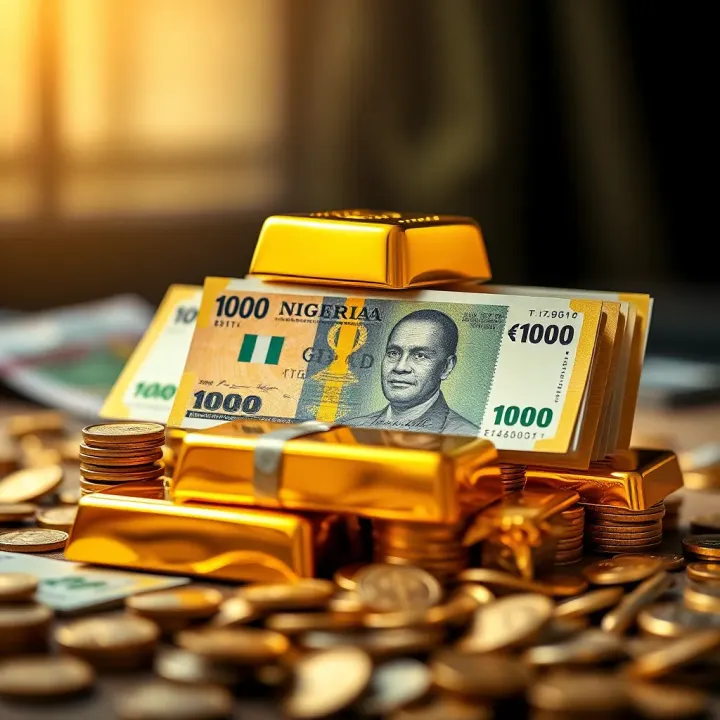
📈 See today’s gold price forecast and how global trends plus local market moves impact ₦ investments. Get practical tips for buying & selling gold confidently in Nigeria.
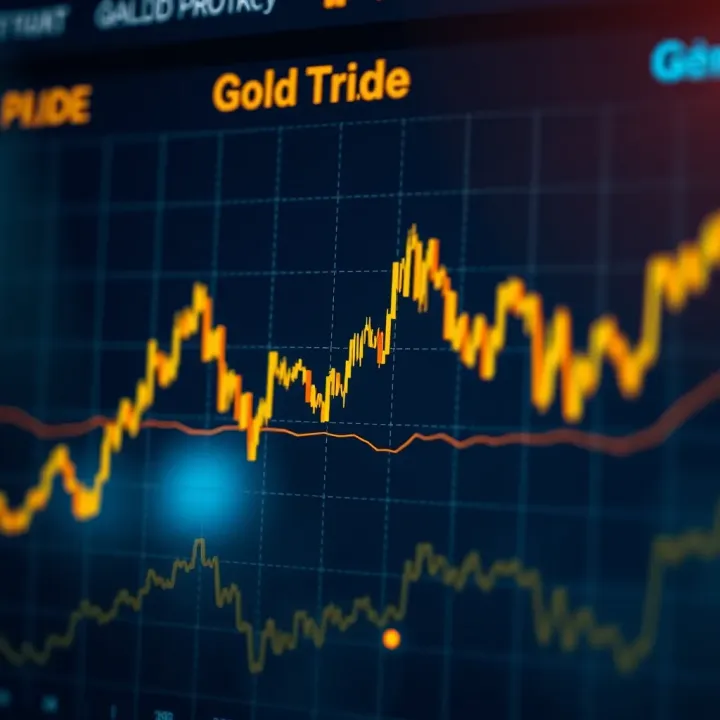
🔍 Stay updated on XAUUSD today! Explore gold price trends influenced by economic data, geopolitics, and currency moves for smart trading decisions. 💰
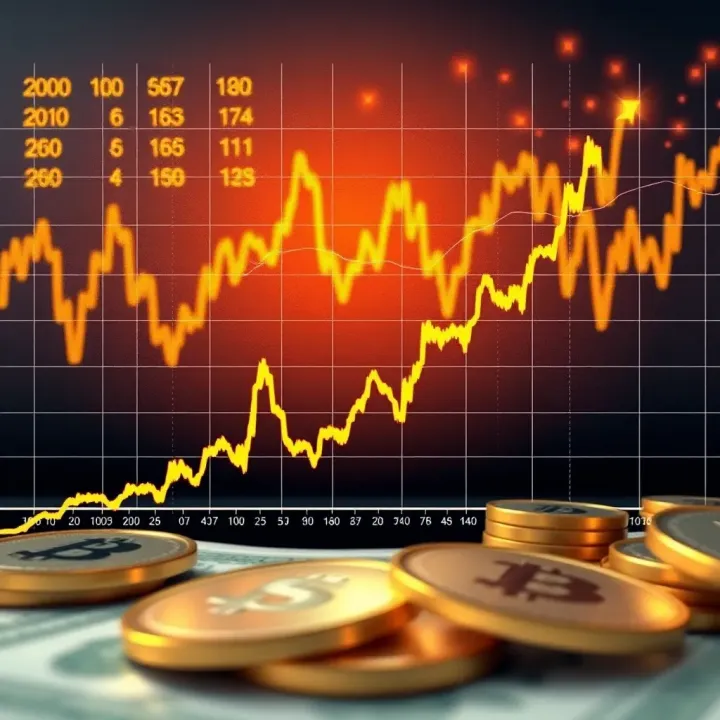
💰 Explore XAU/USD forecast with key gold price drivers: economic data, geopolitics, and market trends. Stay ahead in Nigeria’s gold market today!
Based on 11 reviews