

Will the Dollar Rate Rise in Nigeria Next Week?
💹 Explore key factors shaping Nigeria's dollar rate next week, from economic trends to govt policies. Stay ahead in forex with expert insights!
Edited By
Michael Turner
The exchange rate between the US dollar (USD) and South African rand (ZAR) is closely watched not only in South Africa but also by Nigerian traders, investors, and business operators. Although Nigeria uses the naira (₦), the USD-ZAR rate indirectly influences several sectors within Nigeria, especially those engaged in regional trade, import-export businesses, and travel across Africa.
Understanding the dollar to rand forecast helps Nigerian entrepreneurs prepare for currency fluctuations that affect costs, profitability, and pricing strategies. For instance, a weaker rand against the dollar often means higher import costs for South African goods, which Nigerian traders stock in markets across Lagos or Abuja. On the other hand, a stronger rand can improve purchasing power for Nigerians sourcing cheap textiles or electronics from South Africa.
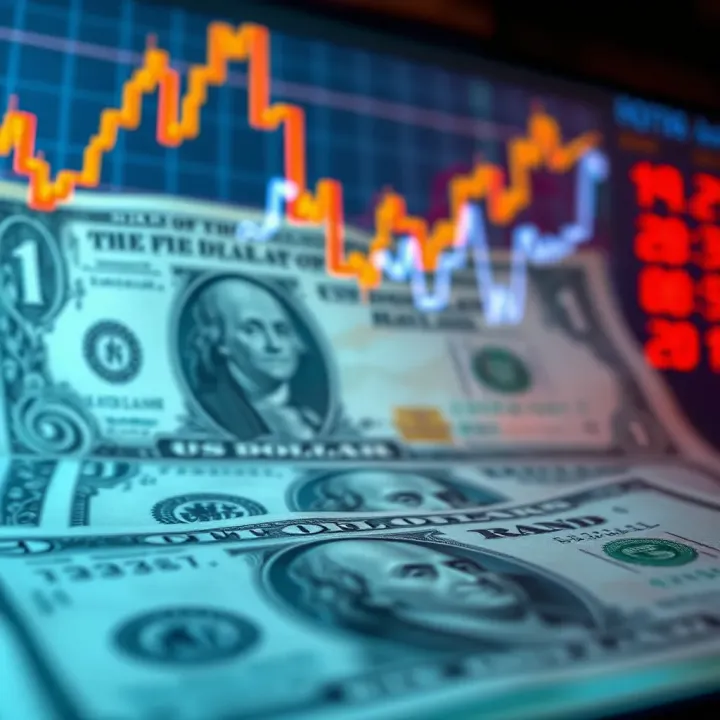
Historical patterns demonstrate that ZAR tends to respond sharply to shifts in global commodity prices, especially precious metals, and changes in US monetary policy. In recent years, events like interest rate hikes by the US Federal Reserve, fluctuations in gold and platinum prices, and regional political choices in South Africa have moved the exchange rate. Nigerian businesses linked to these commodities or financial flows must watch these indicators regularly.
Sharp swings in the USD-ZAR rate can create ripple effects in Nigeria's informal sector, affecting margins for importers and travellers alike.
Key factors driving the forecast include:
Commodity prices: South Africa’s reliance on mining exports means that gold and platinum prices affect rand strength.
Monetary policy: Decisions by the US Federal Reserve and South African Reserve Bank influence interest rate differentials, impacting USD-ZAR.
Political and economic stability: South Africa’s policy shifts and events shape investor confidence, thus currency values.
For Nigerian investors and brokers, following these drivers assists in timely hedging and risk management. Traders engaged in forex markets or dealing with multi-currency portfolios benefit by anticipating trends rather than reacting to sudden volatility.
Next, we will explore the detailed historical exchange rate trends and current economic indicators that shape the dollar to rand forecast, with clear implications for Nigerian stakeholders.
Understanding the Dollar to Rand exchange rate is crucial for anyone involved in trade, investment, or travel between Nigeria and the Southern African region. This rate not only reflects the value of the US dollar against the South African rand but also signals broader economic dynamics impacting currencies across Africa. Nigerian traders and investors often monitor this rate because it influences pricing, import costs, and even remittance values.
The exchange rate between the US dollar (USD) and South African rand (ZAR) is the price at which one currency can be exchanged for the other. For instance, if the rate is 15 ZAR to 1 USD, it means you need 15 rand to buy a dollar. Often, this rate fluctuates due to market demand, economic policies, and geopolitical events.
A clear grasp of this exchange rate helps Nigerian businesses that import goods from or export to South Africa. For example, a Nigerian importer buying machinery priced in rand will face higher costs when the rand strengthens against the dollar. Conversely, Nigerian consumers sending remittances to family in South Africa or travellers planning visits need to understand these fluctuations to plan their budgets better.
Historically, the dollar-rand exchange rate shows considerable volatility, especially during periods of economic or political uncertainty in South Africa. Between 2015 and 2018, the rand weakened sharply amid political upheavals and credit rating downgrades. For example, in late 2016, when South Africa’s credit rating was downgraded by global agencies, the rand dropped close to 15% against the dollar in just months.
On the other hand, global events like the US Federal Reserve’s interest rate changes also affect the rate significantly. When the Fed tightens policies, the dollar generally gains strength, pushing the rand lower. Nigerian traders should note that such trends impact cross-border pricing and investment returns.
A practical tip: monitoring historical trends alongside current events can help you anticipate shifts rather than merely react to sudden changes.
In sum, the dollar to rand exchange rate serves not just as a price tag for currency but as a compass pointing to economic health, risks, and opportunities important to Nigerian businesses and individuals dealing with this currency pair.
Understanding the forces behind the dollar to rand exchange rate movements is vital for traders and businesses operating between Nigeria and South Africa. Exchange rates sway on many fronts—from economic indicators in South Africa and the United States to global market sentiments. Each factor can shift the balance, influencing decisions related to trade, investment, and travel costs within the region.
Inflation in South Africa directly impacts the rand's value. When inflation ticks upwards, the cost of goods and services rises, weakening the rand because purchasing power diminishes. For example, if inflation surpasses the Reserve Bank of South Africa's target range, investors may pull out, fearing reduced returns.

Interest rates adjust as a countermeasure to inflation. If inflation surges, the central bank often raises rates to stabilize prices, making rand-denominated assets more attractive due to higher yields. This dynamic tends to strengthen the rand against the dollar. Traders should watch the South African Reserve Bank's announcements, as sharp hikes or cuts can signal currency swings.
South Africa's political environment plays a substantial role. Sudden changes, such as cabinet reshuffles or contentious policy shifts, can unsettle markets. For instance, debates over mining regulation or land reform often create uncertainty, negatively affecting the rand.
Investor confidence hinges on how predictable and transparent government actions appear. A well-communicated economic policy that supports business growth and foreign investment typically bolsters the rand. Conversely, political unrest or governance lapses tend to drive the currency down.
South Africa is a major commodity exporter, so fluctuations in commodity prices heavily influence the rand. When global prices for gold, platinum, or coal rise, export revenue improves, supporting rand appreciation.
Likewise, the trade balance matters. A surplus signals more exports than imports, strengthening the rand. But persistent trade deficits might weaken it, impacting importers and Nigerian businesses dealing in South African goods. Keeping an eye on commodity trends and South Africa's trade reports can provide valuable clues for currency forecasting.
The US Federal Reserve’s decisions often cast a long shadow on the dollar-rand pair. When the Fed tightens monetary policy by raising interest rates, the dollar typically gains strength as investors seek higher returns in the US.
For example, a Fed hike in response to stronger US economic data can pull capital away from emerging markets like South Africa, weakening the rand. Traders should track the Fed’s statements and rate decisions closely to anticipate such capital flows.
Robust US economic growth or strong employment figures signal a healthy economy, usually lifting the dollar. For instance, a lower unemployment rate or a higher quarterly GDP figure often boosts investor confidence in the dollar’s stability.
These factors affect global risk appetite. A strong dollar might lead risk-averse investors to move out of currencies like the rand in favour of safer assets, impacting exchange rates between these currencies. Nigerian traders involved in cross-border transactions need to consider how US data releases could ripple through the forex markets.
US political matters also sway the dollar-rand rate. Trade negotiations, tariffs, or sanctions can tighten or relax global trade flows, affecting currencies.
Take the ongoing US-China trade tensions as an example: escalations generally hurt emerging markets by increasing uncertainty, putting pressure on currencies like the rand. Developments in US relations with South Africa or Africa broadly can also shift investor sentiment, either attracting or repelling foreign direct investments with corresponding effects on currency strength.
Paying close attention to South African economic indicators alongside US policy and economic conditions can help Nigerian investors and businesses anticipate exchange rate movements. This informed awareness aids better risk management and strategic planning in dealings involving the dollar and rand.
Global events have a direct and often immediate effect on currency exchange rates, including the dollar to rand pair. For Nigerian traders, investors, and businesses dealing with South Africa or the US, understanding these events is not just academic—it influences decision-making on imports, exports, investment timing, and risk management. Changes in geopolitical climates, commodity prices, and global financial stability ripple quickly through emerging markets like South Africa's, impacting the rand against the dollar.
Geopolitical tensions create uncertainty that markets usually dislike. When conflicts flare up—whether in the Middle East, Eastern Europe, or within Africa—investors often move capital towards the US dollar, which is generally seen as a safe haven. For example, the Russia-Ukraine war in recent years pushed many investors to abandon riskier assets, thereby strengthening the dollar and weakening the rand. This trend affects Nigerian businesses importing goods from South Africa or trading in dollars, increasing costs unexpectedly. So, monitoring the geopolitical landscape is essential to anticipate sudden shifts in the dollar-rand exchange rate.
South Africa's economy is heavily influenced by commodities like gold, platinum, and coal. Similarly, oil prices affect the global market and emerging currencies. When commodity prices rise, the rand typically gains strength due to improved trade balances and investor confidence in South Africa's export revenues. For instance, a spike in platinum prices can buoy the rand, easing exchange pressure for Nigerian importers dealing through South Africa. Conversely, a slump in oil prices often weakens global emerging market currencies because of reduced investor appetite. Since Nigeria is an oil-exporting country, fluctuations here also indirectly affect Nigerian naira dynamics relative to other currencies, adding a layer of complexity when considering dollar to rand movements.
Emerging markets like South Africa are more vulnerable to global financial volatility. Sudden capital flight triggered by events such as US interest rate hikes or a slowdown in global growth often leads to a drop in the rand. This volatility translates to exchange rate swings that Nigerian businesses must watch closely, especially firms dealing with cross-border transactions in both dollars and rands. In periods of global uncertainty—like during the COVID-19 pandemic or the 2023 banking sector stress in the US—liquidity tightens and risk aversion spikes. Traders and investors shift funds into safer currencies, fuelling rand depreciation. Nigerian stakeholders can manage some of this risk through diversified currency strategies or hedging using financial instruments.
Global events shape not only the dollar-rand exchange rate but also the wider economic environment Nigerian businesses operate within. Staying informed on these events helps to navigate the unpredictable waves of currency markets confidently.
Understanding these global influences equips you with foresight. Whether adjusting import costs, remittance plans, or investment portfolios, knowing how external shocks affect the dollar to rand rate is vital for profitable and sustainable operations.
Understanding the dollar to rand exchange rate is vital for Nigerian traders, businesses, and consumers who deal with South Africa directly or indirectly. The fluctuations affect prices, profit margins, and budgeting for imports, exports, travel, and remittances. Given the growing trade ties between Nigeria and South Africa, especially in goods like electronics, textiles, and agricultural products, knowing how the exchange rate moves can help stakeholders make smarter decisions.
For Nigerian importers buying from South Africa, a weakening rand against the dollar generally means more favourable pricing when converted to naira. Conversely, if the rand strengthens, import costs rise and may push prices up in the local market, impacting businesses reliant on South African products or components. Exporters must monitor the exchange to understand demand dynamics, since South African buyers' purchasing power shifts with currency movements. For example, a Nigerian textile company exporting to South Africa might find its products becoming less competitive if the rand depreciates sharply against the dollar.
Many Nigerians travel to South Africa for business or leisure, while remittances to families across borders are common. Exchange rate fluctuations directly influence the cost of travel and the value of money sent home. When the rand weakens relative to the dollar, Nigerian travellers benefit by getting more value for their naira when exchanging currency. On the flip side, a stronger rand means higher travel expenses. Remittance agencies and individuals must stay alert to avoid losses on conversions, especially during high travel seasons like Sallah or Christmas.
Forward contracts allow Nigerian businesses to lock in exchange rates for future transactions with South African partners. This hedging tool protects against sudden currency swings, providing budgeting certainty. For example, a Lagos-based importer of South African machinery can agree today on the exchange rate for payment six months ahead, avoiding unexpected cost hikes if the rand moves unfavourably. Though some costs exist in setting up these contracts, the stability they offer can outweigh unpredictability.
Relying solely on one foreign currency exposes businesses and consumers to higher risks if that currency becomes volatile. Nigerian traders dealing with both the dollar and rand might consider spreading their transactions across several stable currencies or payment methods. This diversification reduces dependence on any single currency's performance, cushioning the impact of sharp exchange rate swings. A practical example is an entrepreneur paying suppliers partly in euros or Chinese yuan alongside dollars and rand to balance exposure. Careful management of currency mix can improve resilience to forex market shocks.
For Nigerian businesses and consumers, actively monitoring and managing the dollar to rand exchange rate ensures better control over costs and earnings, helping avoid surprises in trade, travel, or remittances amid global currency shifts.
Forecasting the dollar to rand exchange rate is vital for Nigerian traders, investors, and entrepreneurs who deal with cross-border transactions involving South Africa. Understanding potential future trends helps prepare for market uncertainties and take timely decisions in trading, pricing, and investment. Given the close economic ties between Nigeria and South Africa, shifts in this exchange rate can have ripple effects on Nigerian businesses, especially in sectors reliant on imports or exports with South African companies.
In the short term, the dollar to rand rate often reacts sharply to immediate economic data and geopolitical developments. For instance, if the South African Reserve Bank adjusts its interest rates or commodity prices fluctuate suddenly, the rand could quickly gain or lose ground against the dollar. Traders should watch for upcoming economic releases from South Africa, such as inflation figures or employment stats, as these have a direct bearing on rand strength.
Market expectation at this stage often leans towards volatility, especially around events like the US Federal Reserve policy announcements or South African political developments. For example, ahead of South Africa’s recent policy speech, the rand experienced mixed movements due to speculation on potential changes. Nigerian importers and exporters need to factor in this short-term uncertainty when making payment or pricing decisions to avoid losses from unexpected currency swings.
Looking beyond the next few months, the dollar to rand exchange rate depends on broader structural factors. Sustained economic growth in South Africa or improvements in political stability tend to bolster the rand, while rising global risks or commodities price downturns weigh it down. For Nigerian investors focused on medium to long-term strategies, tracking developments in South Africa’s mining sector and trade balance is crucial, as these sectors heavily influence currency trends.
Risk factors include potential shocks from global financial volatility or new waves of geopolitical tension, which can drive investors towards the dollar as a safe haven, putting pressure on the rand. Also, domestic issues like labour strikes or fiscal deficits in South Africa may weaken confidence. Nigerian businesses should consider these risks when planning expansions or contracts with South African partners, possibly using hedging strategies to cushion against adverse movements.
Forecasting the dollar to rand rate is not about precise predictions but about understanding the range of possible scenarios to make informed, resilient decisions.
By keeping these forecast scenarios in view, Nigerian market participants can better navigate the complexities of cross-currency exposure and seize opportunities while managing risks effectively. Regular updates from financial analysts and central bank communications offer critical insights that ought to inform trading and business strategies.
💹 Explore key factors shaping Nigeria's dollar rate next week, from economic trends to govt policies. Stay ahead in forex with expert insights!
📈 Explore Apecoin price predictions with insights on market trends, technical analysis, and key developments shaping its future in Nigeria and beyond.
Explore smart ways to leverage a $10 investment in Nigeria 🇳🇬. Learn practical tools, risks, and tips to grow your money wisely with small capital 💡📈.
Discover key factors affecting XRP price in Nigeria 🇳🇬. Analyze trends, history, and expert insights to make smarter investment choices in crypto 💹.
Based on 5 reviews