

Best Forex Brokers for Nigerian Traders
Discover how to pick the best forex broker in Nigeria 🇳🇬 with tips on regulation, platforms, fees, support, and avoiding common mistakes 📈💡
Edited By
George Farrow
TapSwap codes have become a popular way for Nigerians to secure discounts and access useful services effortlessly. These short, easy-to-use codes work across sectors such as retail, transport—including danfo and okada rides—and when buying meals from mama puts. If you want to save cash on daily expenses without hunting for deals actively, these codes are a quick ticket.
Using TapSwap codes is straightforward: you enter the code at checkout on participating platforms or show them to vendors to enjoy instant price reductions or perks. For example, entering a TapSwap code at a popular online store like Jumia Nigeria or while paying for an okada ride through a payment app like OPay can chop off a certain percentage from the fare or bill.
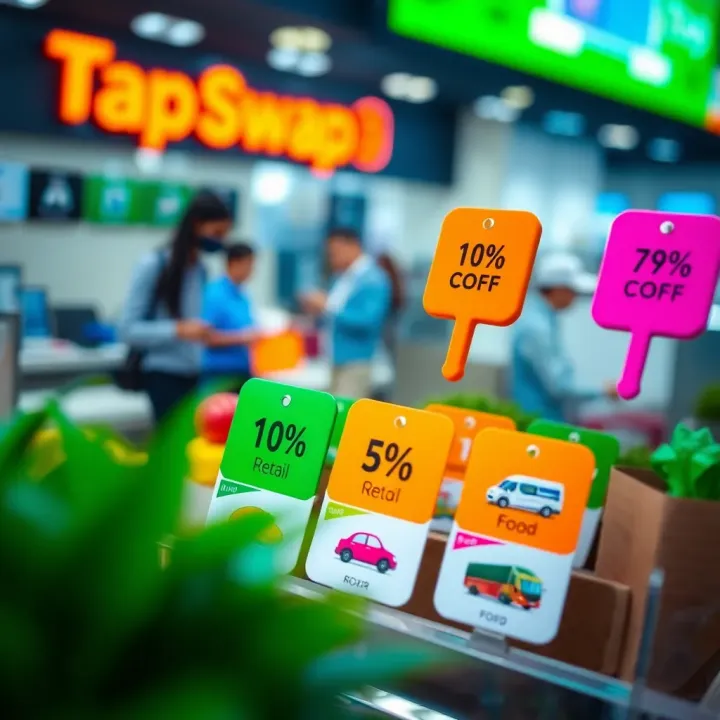
Stay up to date with these codes, as new ones are released often, and existing ones may expire. Missing the right code means leaving money on the table.
In practice, these codes benefit traders who want to reduce supply costs, investors tracking consumer trends, analysts monitoring market behaviour, brokers managing transaction fees, and entrepreneurs controlling daily operational expenses. For instance, a trader buying stock from a mama put might use TapSwap codes to get discounts multiple times a week, improving profit margins notably.
To get the most from TapSwap codes, keep these tips in mind:
Check the validity period to avoid disappointment at payment.
Verify the participating vendors or services, as not all accept every code.
Stack codes when possible; some platforms allow combining different offers.
Track codes through official announcements or trusted social media sources to avoid fake or expired ones.
Knowing these fundamentals will make the list of codes that follows more useful and actionable. Rather than guesswork, you’ll be equipped to apply the right code at the right time, saving naira efficiently across your business or personal spending. Stay sharp and watch your savings stack up.
Understanding TapSwap codes is key to unlocking various discounts and quick services tailored for everyday Nigerians. These codes serve as digital shortcuts, enabling users to access deals across retail, transport, and food sectors without the hassle of lengthy transactions or complicated loyalty programmes. For traders and entrepreneurs, familiarising themselves with TapSwap codes means they can tap into customer preferences and improve their competitive edge.
TapSwap codes began as a simple idea to ease the process of redeeming offers in Nigeria’s fast-moving digital economy. Originally crafted by fintech startups, these codes function as quick strings of characters that consumers input during payment or checkout to claim discounts or other benefits. For instance, entering a particular TapSwap code at a supermarket’s online cart might shave off 10% from the bill instantly.
These codes cover a broad range of services. Retail outlets such as supermarkets and e-commerce platforms offer codes that reduce prices on groceries and household items. In transportation, codes help commuters save on danfo fares, okada rides, or even ride-hailing apps like Bolt and Uber Nigeria. Meanwhile, food-related TapSwap codes give discounts at local mama puts, restaurants, and food delivery services, making daily meals more affordable for many.
Using a TapSwap code is straightforward. Typically, you obtain the code from promotions, social media, or dedicated apps. To redeem it, you enter the code at the designated space during payment—whether via mobile app, USSD interface, or at a physical point of sale. Once entered correctly, the system automatically applies the discount or offer, reducing the payment amount or unlocking service benefits.
Quick discounts are valuable in a market where every naira counts. TapSwap codes provide instant savings, cutting costs for everyday purchases without time-consuming processes. For example, when fuel prices spike or the naira fluctuates, saving even ₦50 per trip or meal adds up significantly over time.
Nigerians use these codes frequently for common activities: buying groceries from online stores like Jumia Nigeria during ember months sales, catching okada rides home after work, or grabbing discounted suya from their favourite mama put. These small savings help stretch budgets in a country where informal sectors dominate and cash liquidity can be tight.
On a larger scale, TapSwap codes fit neatly into Nigeria's informal and digital economies by bridging traditional cash transactions with mobile and app-based payments. Traders and service providers often rely on these codes to attract customers digitally while bypassing some challenges posed by traditional banking systems and inconsistent power supply. In short, TapSwap codes promote access, affordability, and convenience—all vital for Nigeria’s economic landscape.
In bustling cities like Lagos or Kano, knowing which TapSwap codes to use can turn small savings into a daily advantage for entrepreneurs and consumers alike, making this knowledge an asset in everyday financial dealings.
A complete list of TapSwap codes is essential for anyone looking to save money and access services quickly across Nigeria. These codes unlock discounts, promotions, and exclusive offers within retail, transport, and food sectors where daily expenses often add up. By having a consolidated reference, traders, investors, and entrepreneurs can better plan their spending, tap into opportunities, and even incorporate TapSwap benefits into business operations.
TapSwap codes from supermarkets and online stores have become a popular way to attract customers looking for discounts on groceries, electronics, and everyday essentials. For instance, major chains like Shoprite Nigeria and online platforms such as Jumia Nigeria frequently release codes that provide instant reductions or free delivery. Retailers use these codes to boost foot traffic and sales, while consumers enjoy immediate savings without lengthy voucher hunts.
Discount percentages on these codes typically range between 5% and 25%, often tied to minimum purchase amounts or specific product categories. Some codes waive delivery fees on orders above ₦5,000, making online shopping more affordable amid frequent naira volatility and rising transport costs. Conditions are usually clear: first-time buyers get higher discounts, or promotions last for limited periods — knowing these details is crucial to maximise savings.
Examples like the ‘SHOP10’ code for 10% off at GTBank-affiliated supermarkets show how often certain codes can be reused. On the other hand, Flash Sales with codes like ‘JUMIAFLASH’ may only last a few hours but offer steeper discounts. Frequent shoppers should keep an eye on expiry dates and conditions, as some codes lose value or become inactive after a short window.
TapSwap codes linked to okada rides, danfo fares, and popular ride-hailing platforms like Bolt and Uber Nigeria offer affordable travel solutions, especially in congested cities like Lagos. These codes help reduce everyday commuting costs through fare discounts or cashback offers, sometimes even on peak hour trips when prices surge.
Applying these codes is straightforward. Users typically enter the code within the app before confirming the ride. For okada and danfo services enabled by digital payment platforms, codes may be entered via specific USSD prompts or mobile app wallets such as OPay. This approach ensures users get instant fare reductions without extra fuss.
You can also combine codes in some cases — for example, using a bank promotional code alongside a ride-hailing discount. Such stacking can bring fares down by over 30%, a real help given the frequent fuel price hikes affecting commercial transport. Knowing which codes can be combined depending on the provider's terms helps optimise commuting budgets.
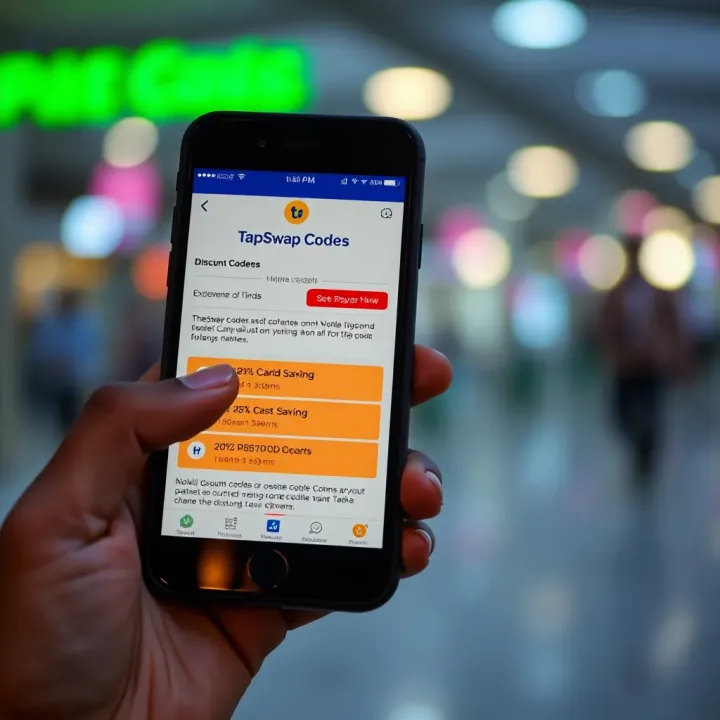
Several popular mama puts, bukaterias, and restaurants in major cities have embraced TapSwap codes for promotions. These codes often provide discounts on meals, buy-one-get-one-free offers, or special combo deals. For instance, a Lagos-based bukateria might offer 15% off with a code like ‘JOLLOF15’, drawing food lovers looking for affordable, convenient dining.
Meal deals tied to TapSwap are tailored for busy professionals or families wanting quality food without overspending. Codes could apply to lunch specials, weekend family packs, or festive discounts during Sallah and Christmas. This makes sure savings match practical needs when dining out or ordering in.
To redeem food-related codes effectively, users should check the vendor’s active list and expiry dates regularly. Some restaurants require entering codes before checkout on delivery apps like Jumia Food or Max.ng, while roadside mama puts might accept payment through linked digital wallets using TapSwap credentials. Being prompt with code use avoids disappointment during busy periods.
Keeping an updated list of TapSwap codes across these sectors is a smart move for anyone serious about controlling costs and accessing quality services in Nigeria's vibrant but often expensive daily market life.
Using TapSwap codes properly can make a big difference in how much you save on retail, transport, and food services. Understanding exactly where and how to enter these codes helps you avoid frustration and missed discounts. For example, entering a code incorrectly at a mama put means losing out on a meal deal worth ₦500, while applying the right code at a danfo app could shave ₦200 off your fare.
TapSwap codes often appear directly in the section where you make payments or confirm orders. Mobile apps, websites, or USSD platforms serving services like grocery deliveries, transport bookings, or food ordering typically feature clear input boxes for promo codes. For instance, a supermarket’s mobile app may show a box labelled “Enter TapSwap Code” in the checkout page, ensuring you apply discounts before payment.
Some vendors, especially in the informal market like mama puts or okada operators, might require you to enter TapSwap codes on a USSD interface or even mention them verbally. Knowing where to find these entry points saves you time and avoids last-minute rushes.
Apart from mobile apps from platforms like Bolt, Jumia Food, or OPay where you can enter TapSwap codes during payment, USSD codes are common for quick transport bookings or discounts, especially for those without smartphones. Dialling a short code, e.g., 345code#, is a practical way to redeem offers.
Similarly, websites of some retailers or restaurants allow code entry at the online cart stage. Using such multiple channels means every user can access deals regardless of technology limitations or data availability.
A frequent error is mistyping the code — confusing similar characters like '0' (zero) and 'O' (letter O), or missing out a letter. Also, entering expired codes or trying to use codes on products they don’t cover can lead to rejection.
Some users submit the code in the wrong place or forget to tap the “Apply” button before proceeding. Always double-check receipt of the discount before completing payment to confirm the code was accepted.
Some platforms allow you to use more than one TapSwap code on the same transaction, known as stacking. For example, combining a 10% off code with a ₦300 flat discount can multiply savings.
However, stacking isn’t always permitted; always check terms. For instance, Jumia Food sometimes restricts code stacking, while transport apps tend to be more flexible.
TapSwap codes usually offer bigger discounts during off-peak hours, ember months, or special events like Independence Day. Using these codes early mornings or at night for ride-hailing can lead to better savings compared to rush hours.
Seasonal sales from popular supermarkets or online stores also come with enhanced TapSwap offers — tapping into these can add value.
Most TapSwap codes only last for a short period, varying from few hours to weeks. Keep track of expiry dates either by setting reminders or regularly checking official TapSwap platforms and trusted Nigerian tech blogs.
Ignoring code expiration have caused several consumers to complain of failed discounts, especially during ember months when many offers surface and fade quickly. Staying updated helps you avoid disappointment and make timely use of codes.
Always remember: combining timely use, correct entry, and checking for stacking options makes TapSwap codes work harder for your pocket. Small savings add up in Nigeria's daily hustle.
By following these steps, traders, investors, and entrepreneurs alike can optimise their spending and reduce operational costs in an increasingly digital marketplace.
Understanding how to troubleshoot common problems when using TapSwap codes is essential for traders, investors, and everyday users who rely on these discounts and offers. This section explains why codes sometimes fail and where to find help, ensuring you don’t lose out on savings or service access.
Expired or invalid codes are one of the main reasons your TapSwap discount might not apply. These codes have a fixed validity period, often tied to specific campaigns or merchant arrangements. For example, a supermarket promotional code active during ember months might expire on 31 December, after which it cannot be used. Trying to redeem an expired code will return an error or simply no discount. Additionally, some codes are issued for single use or limited times; entering a typo can also lead to invalid code errors.
Network and technical glitches also affect code redemption. TapSwap relies on connectivity through mobile apps, USSD, or websites, so poor data signals or server outages can interrupt verification. In Lagos or Abuja, where network congestion is common during peak hours, your code might not register despite being valid. Sometimes, app updates temporarily cause glitches that block code entry until fixed.
Terms and conditions not met is a frequent cause overlooked by users. Each TapSwap code has specific rules—minimum spend amounts, restricted products, or eligible times. For example, a transport code valid only for danfo rides after 6 pm will fail if applied for an okada fare at noon. Similarly, some restaurant discounts apply only for dine-in, excluding takeaway orders. Not meeting these conditions results in code rejection.
Official TapSwap customer service channels remain your best bet for resolving issues swiftly. TapSwap usually provides direct support via their app chat, email, or dedicated phone lines. They can confirm if codes are still valid, clarify terms, or report technical faults. For traders relying on bulk code use, having quick access to official support helps avoid business disruptions.
Community forums and social media groups offer peer advice and current user experiences. Platforms like Nigerian tech blogs’ comment sections, WhatsApp deal groups, or Twitter discussions can reveal temporary problems affecting users nationwide and share unofficial fixes. For instance, if many report code failures during a network outage, community feedback sets realistic expectations.
How to escalate unresolved issues involves submitting formal complaints through TapSwap’s official channels or escalating to consumer protection bodies if needed. If customer service does not respond in reasonable time, documenting your encounter and reaching out on platforms like the Nigerian Consumer Protection Council may prompt quicker resolution. For investors or entrepreneurs integrating TapSwap codes in their business offers, formal escalation ensures your concerns are taken seriously.
When TapSwap codes don’t work, pinpointing the issue quickly—expired code, network problem, or terms breach—helps keep operations smooth and savings intact.
This troubleshooting guide equips you to handle common challenges, making your use of TapSwap codes reliable and hassle-free.
Keeping track of the latest TapSwap codes is essential for anyone serious about saving money and accessing discounts promptly. Because these codes often come with expiry dates or limited-use conditions, missing out on new offers can mean losing valuable savings. For traders, entrepreneurs, or daily service users in Nigeria, staying informed ensures they can seize timely opportunities, whether at retail stores, on danfo rides, or even at their favourite mama put.
The most reliable place to get new TapSwap codes is the official TapSwap website and mobile app. These platforms provide real-time updates and sometimes exclusive codes that are not shared elsewhere. For example, during promotional events or ember months, TapSwap often rolls out special codes only visible through their app notifications. Enabling push notifications means you won't miss these alerts.
Several Nigerian tech blogs and deal sites actively track and publish TapSwap codes as soon as they drop. Sites like NaijaTechGuide or TechMoran regularly update readers about fresh offers, sometimes with added tips on how to combine codes. These blogs provide context around the value of each code, helping you decide which is worth your time and effort.
Social media platforms like Twitter and Instagram have become hotspots for sharing TapSwap codes quickly. Influencers and deal hunters share valid codes, usage hacks, and warnings about fake or expired ones. Following credible deal pages or fintech influencers can add that quick edge to your savings plans. In Lagos traffic or at the market, spotting a timely code via social channels can make a real difference.
Smart use of alerts can save you the hassle of manually checking for new codes. Setting calendar reminders for known TapSwap promo periods or enabling app notifications helps you act fast before expiry. For instance, you might set an alert for the start of the ember months when discount codes tend to flood the market. This way, you never waste time or miss good deals.
Joining WhatsApp or Telegram groups dedicated to Nigerian discounts and fintech offers can be very useful. These groups often share codes shortly after release and sometimes have community members who verify their validity. Being part of such a group helps you get peer reviews and tips on how to combine codes for better savings.
Codes can expire without notice, so it's wise to check them periodically if you haven't used them immediately. TapSwap’s terms sometimes change, or codes might only be valid on certain services or regions. By regularly verifying code status either via the app or official communication channels, you avoid the frustration of using an invalid code when you need it most.
Staying on top of TapSwap codes requires a blend of technology use, community involvement, and regular habit. The payoff is consistent savings across sectors that matter daily.
Being proactive and using these reliable sources and tips ensures you make the most of TapSwap discounts in Nigeria’s dynamic market environment.
Discover how to pick the best forex broker in Nigeria 🇳🇬 with tips on regulation, platforms, fees, support, and avoiding common mistakes 📈💡

Explore how trade accounts help Nigerian businesses manage purchases, credit terms, and supplier ties effectively. Learn types, benefits, and tips to keep your trade credit solid 📊📦

Discover the best time to trade forex in Nigeria ⏰, balancing global market hours with local challenges like power cuts and internet speed to maximise profits 💹.

🔐 Learn how Nigerian users can register, log in, and secure their Deriv.com accounts. Navigate features easily to start trading confidently in ₦ naira today.
Based on 15 reviews