
BTCDana Review: Nigeria's Crypto Exchange Examined
Explore BTCDana, a Nigerian cryptocurrency platform offering Bitcoin and altcoins trading with secure deposits, fair fees, local support, and compliance insights 🇳🇬🔒💱
Edited By
Tom Harrington
BitMart is one of the global cryptocurrency exchanges that has steadily gained traction among Nigerian crypto users. Unlike some platforms that focus narrowly on Bitcoin or Ethereum, BitMart supports trading in hundreds of digital assets, including altcoins that are popular here, like Binance Coin (BNB) and Cardano (ADA). This variety makes it attractive for traders and investors seeking diverse crypto portfolios.
The platform operates with a user-friendly interface and a mobile app, which suits Nigerians who rely on smartphones for internet access. BitMart's trading fees start from 0.25% per trade, competitive enough against other global exchanges, helping traders minimise costs especially when trading frequently.
Security is taken seriously at BitMart. It uses cold wallet storage for most funds and applies two-factor authentication (2FA) to protect user accounts. This focus on security helps build trust, which Nigerian crypto enthusiasts often prioritise after hearing stories about scams and hacks locally.
For Nigerian users, BitMart accepts deposits via bank transfers and supports stablecoins like USDT and USDC, making it easier to bypass the often volatile naira-to-dollar exchange issues. Although direct naira deposits are limited, Nigerian traders often convert naira to stablecoins on local platforms like Binance P2P or local fintech apps before moving funds to BitMart. Understanding this workaround is essential to smoothly fund your account.
Nigerians who want to trade internationally should consider BitMart’s wide asset selection and its relatively solid security measures, but should also be ready to work around local payment restrictions.
Practically, BitMart also offers Futures trading and staking for users looking to earn passive income or hedge their positions. These features cater to both beginners and more advanced traders in Nigeria’s growing crypto market.
In this guide, we'll unpack how to register, fund your account from Nigeria, secure your trading activity, and understand the legal framework around crypto trading here — all to make your experience on BitMart better informed and more practical.
Understanding the overview of BitMart Exchange sets the foundation for Nigerian traders and investors looking to navigate the crypto scene effectively. This section focuses on the platform's origin, scale, and primary services, illustrating how BitMart fits into the local and global cryptocurrency market. Knowing these details helps you make informed choices when selecting a trading platform suited for Nigeria’s unique financial landscape.
BitMart was launched in 2017, initially targeting the Asian market but quickly expanded to serve users worldwide. Its early years were marked by rapid growth, achieved through continuous innovation and an expanding range of supported assets. For Nigerian users, this growth means access to a platform evolving steadily with global crypto trends, reducing the risks often associated with less established exchanges.
Starting small, BitMart built a reputation for reliable trading operations and capitalised on increasing demand for digital assets globally. By 2023, it had secured millions of users and positioned itself as a competitive alternative to older exchanges. This background is relevant because it assures Nigerian traders that BitMart has survived market volatility and adapted over time.
BitMart supports users in over 180 countries, including a growing Nigerian clientele. Its ability to handle large trading volumes and diverse transactions reflects a robust infrastructure suited for different trading demands. For a Nigerian investor, this means smoother transactions and a broader marketplace to source assets.
The exchange’s international presence allows it to offer features and tokens not always accessible in Nigeria, extending the depth of opportunities. Moreover, BitMart frequently updates its platform to meet regional regulatory demands, which helps Nigerian users feel more secure about compliance with local laws.
Spot trading on BitMart allows for the immediate buying and selling of cryptocurrencies such as Bitcoin (BTC), Ethereum (ETH), and various altcoins. Nigerian traders benefit from this service by being able to swiftly exchange their naira-funded deposits for digital assets or vice versa, taking advantage of short-term market movements.
For example, a trader in Lagos can use BitMart’s spot market to invest in USD Coin (USDC) when expecting naira volatility, securing value in a stablecoin. The platform's user-friendly interface makes executing these trades relatively straightforward, even for beginners.
BitMart also offers futures contracts, enabling Nigerians to speculate on the price movements of cryptocurrencies without owning the asset outright. These derivatives provide an opportunity for higher leverage, meaning traders can amplify their potential gains (and risks) using smaller capital.
This service suits more experienced Nigerian traders who wish to hedge against volatility or speculate based on market trends. For instance, during periods of intense naira fluctuation or global economic changes, futures trading can serve as a risk management tool or a profit-making avenue.
BitMart supports staking options, allowing Nigerian users to earn passive income by locking selected cryptocurrencies in the platform’s savings programs. This service appeals particularly to long-term investors who prefer steady yields over quick trades.
By staking tokens like Binance Coin (BNB) or Cardano (ADA), Nigerians can increase their holdings over time without daily trading stress. Savings products often offer flexible terms, accommodating users who might need to redeem funds quickly during unexpected expenses common in Nigeria’s unpredictable economic environment.
Considering BitMart’s comprehensive services — from spot trading to staking — gives Nigerian crypto users multiple ways to engage with digital assets based on their risk appetite and investment goals.
BitMart stands out in the crowded crypto exchange space by blending user-friendly design with powerful trading tools and a broad asset selection. For Nigerian traders and investors, these key features make it a practical choice worth considering. Understanding how BitMart’s interface, tools, and supported cryptocurrencies align with local needs can help you make better trading decisions and manage your portfolio more effectively.
Mobile app functionality is a strong point for BitMart. The app is designed to be responsive and intuitive, allowing Nigerian users to trade seamlessly even on lower-end smartphones common here. For example, you can monitor live prices, execute trades, or access your wallet anytime, whether you are commuting in a danfo or waiting at the barbing salon. This mobility ensures you never miss market moves despite Nigeria's notorious power and connectivity challenges.
The platform doesn't just stop at basic trading. BitMart offers advanced charting and a variety of order types that cater to both novice and experienced traders. The charts are interactive with common technical indicators such as RSI, MACD, and Bollinger Bands readily available. You can also place limit orders, stop-loss, and take-profit orders that offer greater control over your risk—essential when the naira fluctuates or market volatility spikes around global news.
BitMart hosts hundreds of popular coins, including Bitcoin (BTC), Ethereum (ETH), and newer altcoins like Solana (SOL) and Polkadot (DOT). This wide selection lets Nigerian investors diversify portfolios beyond usual picks quickly and cost-effectively. For instance, you can explore DeFi tokens or meme coins, which have seen noticeable interest in Nigeria's vibrant crypto community.
However, when it comes to Naira trading pairs and liquidity, BitMart is still developing. While it supports direct fiat deposits via third-party vendors, the availability of high liquidity naira pairs for popular cryptocurrencies is limited compared to exchanges developing local partnerships explicitly. This means price spreads might be wider, and execution slower during peak market hours. Still, BitMart’s ongoing efforts to improve liquidity are encouraging and worth monitoring if you trade frequently in naira.
For Nigerian traders, paying close attention to order types and available pairs can save costs and improve trade timing, especially amid volatile forex and crypto markets.
In summary, BitMart’s key features balance accessibility with sophistication. The platform suits users who want a reliable app and tools to manage risks while accessing a broad catalogue of tokens. Although naira pairs need work, BitMart’s global reach and continuous upgrades position it well for Nigeria’s expanding crypto space.
Security and compliance form the backbone of any reliable cryptocurrency exchange. For Nigerian users, understanding BitMart’s approach here is crucial since it directly affects asset safety and trustworthiness. These measures not only protect your funds and personal data but also ensure adherence to regulations that help curb fraud and money laundering—a significant concern in Nigeria’s fast-evolving crypto space.
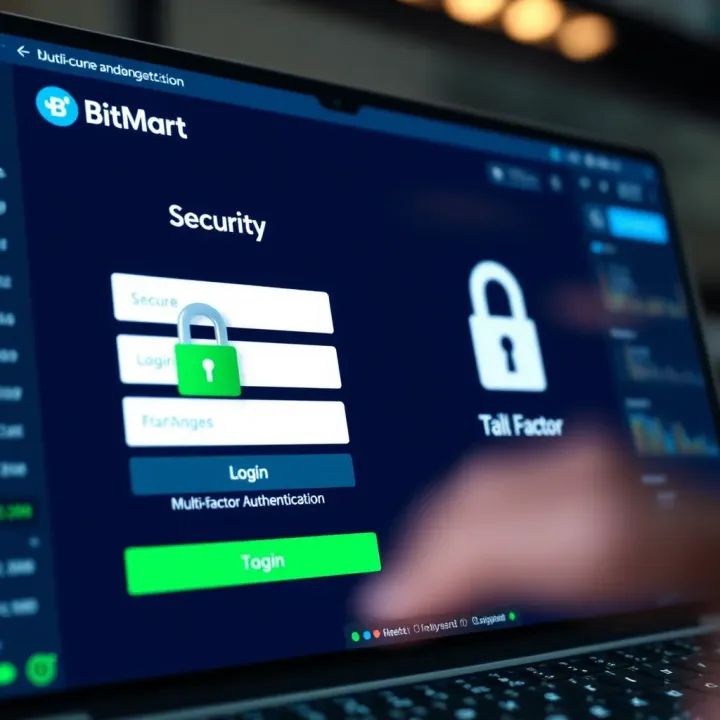
Two-factor authentication (2FA) enhances account security by requiring a second form of verification beyond your password. On BitMart, this usually involves linking your account to a mobile app like Google Authenticator or receiving a code via SMS. This means even if someone steals your password, they still cannot access your account without the second authentication step. For Nigerian traders, where phishing schemes are common, 2FA acts as a reliable shield against unauthorised access.
Cold storage and withdrawal safeguards are additional layers of asset protection. BitMart keeps the bulk of users’ cryptocurrency in cold wallets—offline storage disconnected from the internet. This approach minimises the risk of hacks targeting online wallets. Withdrawal safeguards require users to confirm each payout through email or 2FA before funds leave the platform. Practically, this means if a hacker gains access, they still can't easily move your crypto without triggering alerts and barriers. For everyday Nigerian investors, where mobile devices can be vulnerable, these features add peace of mind.
KYC (Know Your Customer) requirements compel users to submit identity documents such as the National Identification Number (NIN), valid passport, or driver’s licence before large transactions or withdrawals. BitMart enforces KYC to meet global anti-money laundering rules and to provide safer trading experiences. For Nigerian users, this step links crypto activity to verified identities, reducing fraud and increasing chances of compliance with Nigerian financial laws.
Compliance with international standards means BitMart aligns its operations with regulatory frameworks like the Financial Action Task Force (FATF) recommendations and global security protocols. This ensures higher transparency, responsible user verification, and risk management. For Nigerian traders, using a platform that recognises these standards means better protection against scams, access to more trading options, and smoother international transactions. It also signals BitMart’s commitment to lawful conduct, reducing risks of sudden shutdowns or regulatory penalties.
Security measures like these make a big difference. They not only protect your crypto funds but also build confidence for Nigerians looking to trade on a stable, trustworthy platform.
In summary, BitMart’s security and compliance steps create a safer and more reliable environment for Nigerian crypto users. From robust account protection to thorough user verification, these measures reflect a serious approach to fighting fraud and safeguarding assets.
Navigating BitMart's platform in Nigeria involves understanding local payment options, fee structures, and support channels to make your trading experience smooth and cost-effective. Nigerian users face unique challenges like naira liquidity and intermittent internet, so knowing these practical details helps avoid unnecessary delays and costs.
BitMart allows Nigerian users to fund their accounts using naira, which is essential given the limited access to foreign currency for most traders. Depositing naira means you can avoid the hassle of converting funds externally before trading. Users typically fund accounts through designated local currencies partners or gateway services integrated with the platform. Being able to top-up your account directly with naira helps traders respond swiftly to market movements without waiting for international transfers.
For convenience, deposits and withdrawals on BitMart often utilise bank transfers or third-party fintech platforms popular in Nigeria, like Paystack or Flutterwave. USSD banking is also gaining traction, giving users who do not have smartphones an easy way to fund their accounts. For example, a trader in Lagos can initiate a funding transaction using USSD codes from their bank and have that reflected on BitMart within minutes. These multiple options provide flexibility, helping users overcome challenges related to bank holidays, network downtimes, or outages common during ember months.
BitMart applies competitive trading fees that are tiered based on your trading volume. For most Nigerian traders operating at a mid-volume level, fees range around 0.1% per transaction, which is affordable compared to many local competitors. This relatively low fee encourages more active trading and better liquidity on the platform. Understanding how fees scale with trading volume can help users plan their trades and avoid unnecessary charges.
Withdrawal fees depend on the cryptocurrency or fiat currency being withdrawn. Converting naira back into cryptocurrency or withdrawing naira directly often involves network or service fees, which can range from nominal amounts to more significant charges during network congestion. For instance, withdrawing naira to a local bank account via Flutterwave might attract a small fixed fee plus a percentage of the transaction. Nigerian users should clearly factor in these costs to avoid surprises when cashing out.
BitMart offers 24/7 customer support through live chat, email, and support tickets, which is crucial for Nigerian users who may need help outside regular banking hours. Accessibility to quick and helpful responses reduces frustration, especially when urgent issues like transaction delays or account verification arise. Although some users report occasional response delays, the overall support system is regarded as responsive when handling complaints.
Many Nigerian traders appreciate BitMart’s straightforward interface and wide coin selection but occasionally mention challenges with Naira pairs liquidity and withdrawal processing times. Users often praise the platform's security features but expect improvements in faster verification and deposit confirmation. These insights indicate BitMart’s growing acceptance in Nigeria's crypto market, balanced with areas where user experience can be enhanced.
Understanding these practical considerations helps traders make informed decisions using BitMart within Nigeria’s unique financial environment, ensuring efficient trading and funds management.
For Nigerian crypto users, understanding how BitMart stacks up against other exchanges is essential for making informed choices. Comparing exchanges helps traders, investors, and entrepreneurs weigh factors like coin selection, fees, liquidity, and platform reliability. This comparison directly affects how efficiently one can enter or exit positions, manage costs, and safeguard assets when dealing with Nigerian Naira pairs or global cryptocurrencies.
BitMart boasts an extensive array of cryptocurrencies compared to many Nigerian-friendly exchanges. It offers over 1,000 tokens, ranging from popular ones like Bitcoin (BTC), Ethereum (ETH), and Binance Coin (BNB) to emerging altcoins and DeFi tokens. This diversity allows Nigerian traders to explore new investment opportunities beyond the usual coins found on local platforms. For example, investors looking to diversify portfolios with tokens like Polkadot (DOT) or Chainlink (LINK) can find them readily on BitMart, which is not always the case on smaller Nigerian exchanges.
This wide coin offering also supports different investment strategies such as spot trading, staking, and futures, all within a single platform. For Nigerian users seeking variety without switching platforms, BitMart’s selection is a definite advantage.
Transaction costs can significantly impact profitability, especially for active traders. BitMart offers trading fees as low as 0.1%, which is on par or better than many local alternatives. Its tiered fee structure rewards higher-volume traders with even lower costs, making it attractive for Nigerians who trade regularly or in bulk.
Beyond trading fees, withdrawal charges on BitMart tend to be reasonable, though users should compare specific token fees as they vary. Nigerian investors benefit from lower fees as these reduce overall trading expenses, leaving more capital to grow investments. In contrast, some Nigerian exchanges charge flat or higher percentage fees, which can add up, particularly when making frequent transactions.
One of the key challenges for BitMart in Nigeria is limited liquidity for trading pairs directly against the Naira. While BitMart supports USDT/NGN and a few other Naira pairs, volume can be relatively low outside peak trading times. This makes it harder to execute large orders at desired prices without slippage, which can be frustrating for investors moving big sums.
Low liquidity also tends to widen spreads between buy and sell prices, increasing trading costs indirectly. In contrast, some Nigerian exchanges like Binance P2P or Quidax might offer tighter spreads and faster Naira liquidity due to larger local user bases.
Though BitMart has grown rapidly, Nigerian users have occasionally reported issues around platform uptime and order execution speed, especially during high market volatility. For traders relying on timely transactions—such as those using leverage or day trading—any delays could lead to missed opportunities or unexpected losses.
This contrasts with more established exchanges with robust infrastructure tailored for Nigerian users. BitMart continues to improve, but users should watch out for these concerns when trading at critical moments.
Selecting the right exchange involves balancing a wide coin selection and competitive fees with liquidity and platform reliability tailored to Nigerian market realities.
In summary, BitMart offers solid advantages with extensive token options and attractive fee structures but faces hurdles with Naira liquidity and occasional reliability issues. Nigerian crypto users should weigh these factors alongside personal trading needs when choosing a platform.
Explore BTCDana, a Nigerian cryptocurrency platform offering Bitcoin and altcoins trading with secure deposits, fair fees, local support, and compliance insights 🇳🇬🔒💱
Explore how XT Exchange works for Nigerian crypto users 💹. Learn about registration, fees, security, and support to trade with confidence 🔒.
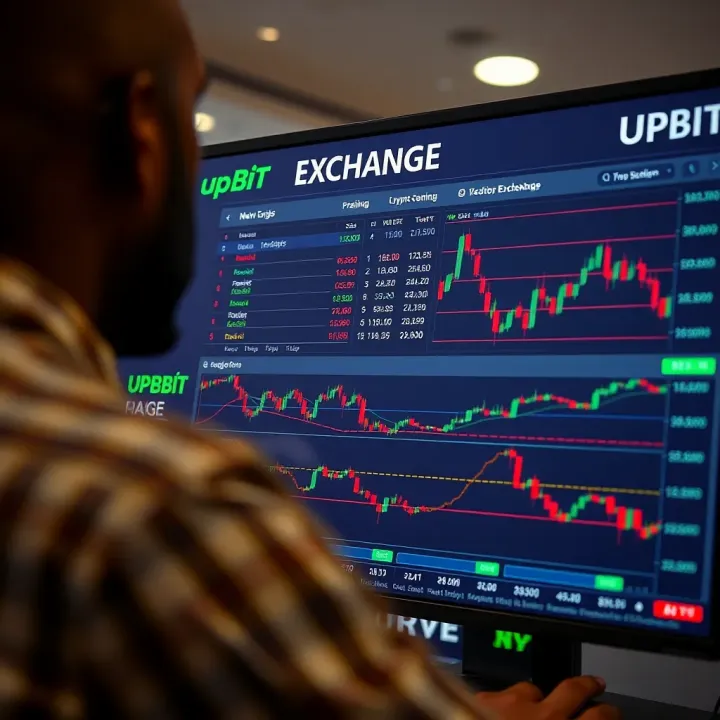
Explore Upbit exchange in Nigeria 🇳🇬: secure trading, diverse coins, easy setup, transparent fees, & local regulations to enhance your crypto journey 🔒💱

📈 Discover how TradingView empowers Nigerian traders with advanced charting, market analysis, and custom setups. Boost your trading skills today!
Based on 6 reviews